Japandi Entryways: Three Budget Tiers to Transform Your Home
Japandi design merges the serene simplicity of Japanese aesthetics with the cozy functionality of Scandinavian style. This blend extends to home exteriors, particularly entryways, where natural materials and clean lines foster a welcoming sense of calm. Homeowners achieve understated elegance and lasting durability through this approach, setting a tranquil tone from the threshold.
Three Budget Tiers for Japandi Entryways
Entry-Level Tier ($4,000 - $7,000)
Select fiber cement siding or engineered wood panels in neutral shades like soft taupe or warm gray to establish a subtle base. Pair these with composite front doors featuring realistic wood-grain finishes and sleek black hardware for an authentic yet affordable look.
Refinish existing trim in matching neutrals to unify the facade without full replacement. Incorporate low-cost landscaping, such as gravel paths edged with potted ferns or succulents, to introduce organic balance.
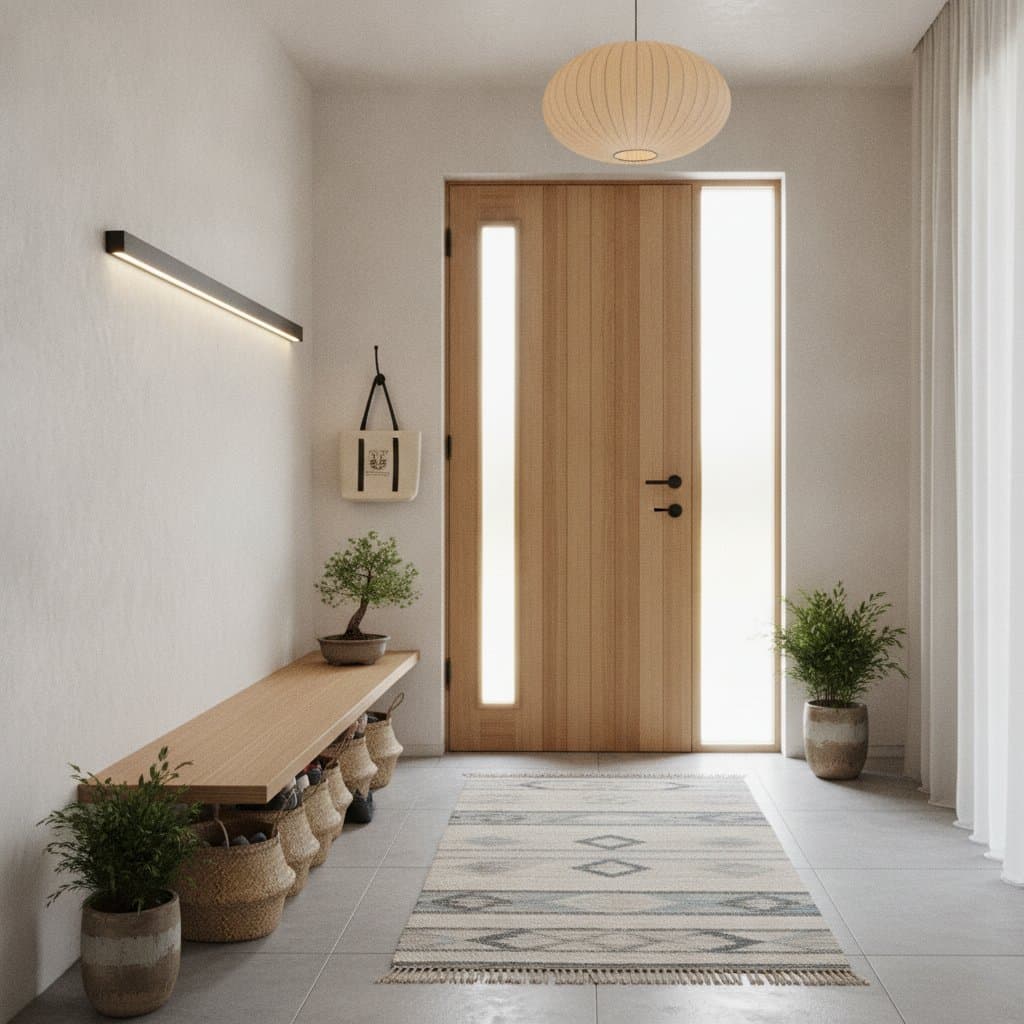
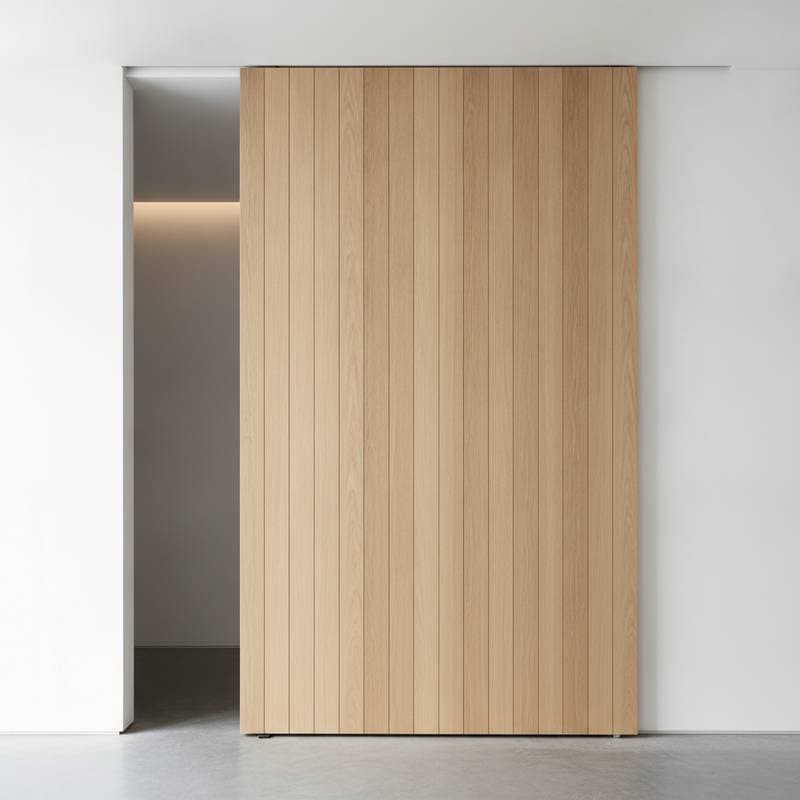
Prioritize a sturdy front door with vertical paneling to serve as the focal point. This element draws the eye and embodies Japandi's emphasis on geometric harmony and quiet presence.
Mid-Range Tier ($8,000 - $12,000)
Combine vertical cedar siding with painted fiber cement accents for texture and depth. Add matte black or oil-rubbed bronze hardware on doors and slim window frames to enhance the modern edge.
Upgrade to energy-efficient windows with insulated glass and narrow profiles that maximize natural light. These choices support the style's focus on functionality while reducing long-term utility costs.
Incorporate subtle architectural features, like a shallow entry recess or a protective overhang, to shield the door from elements. Such details add intentional framing and elevate the overall composition.
Premium Tier ($13,000 - $20,000)
Employ genuine wood cladding, such as reclaimed cedar or oak, finished to highlight natural grain patterns. Install custom pivot doors in light woods paired with full-height sidelights for seamless flow.
Use concealed hinges and architectural metal trim to achieve a refined, uninterrupted surface. Integrate low-voltage LED lighting that washes the facade softly, accentuating wood textures during evening hours.
Focus on enduring quality: sealed joints and UV-protective finishes minimize future maintenance. These investments boost property value through enhanced aesthetics and weather resistance.
Essential Materials and Finishes
For windows, aluminum-clad frames in slim profiles or durable black fiberglass options align with Japandi principles. Opt for casement styles or fixed panes arranged symmetrically; frosted glass ensures privacy while preserving light diffusion.
Doors benefit from solid wood cores in oak, ash, or walnut, with vertical slats or flat panels evoking shoji screens and Nordic joinery. Select matte black levers or brushed nickel pulls that emphasize form over flourish.
Siding in vertical channel or shiplap configurations suits the aesthetic, painted in serene tones like pale sand or muted gray. Blend wood elements with smooth stucco bases for subtle contrast and visual interest.
Trim remains understated, often matching the siding color for cohesion. Thin metal flashing at edges provides clean transitions, while ground-level stone borders or pebble mulch connect the entry to natural surroundings.
Practical Maintenance Insights
Japandi exteriors demand materials that withstand daily exposure while retaining their poised appearance. Natural wood requires annual sealing in wet climates to guard against moisture; otherwise, opt for fiber cement alternatives that mimic wood without the upkeep.
Fiberglass or aluminum windows clean easily with mild soap and resist rust, needing only yearly inspections. Doors with factory-applied stains and clear coats endure sun and rain, cutting repaint needs by years.
Initial choices in quality dictate longevity: durable sealants prevent cracks, and proper installation avoids water intrusion. This foresight keeps the serene look intact with minimal intervention.
Common Pitfalls to Sidestep
Limit material variety to two mains and one accent to preserve rhythmic calm; excess combinations fragment the design.
Maintain proportional scale: avoid bulky moldings that overwhelm clean lines, ensuring elements harmonize with the home's structure.
Steer clear of shiny surfaces; matte finishes preserve the tactile, organic essence central to Japandi.
Position lighting for soft illumination: recessed or wall-mounted fixtures avoid stark shadows, warming the entry without overwhelming it.
Account for ongoing costs: low-grade woods warp quickly, so invest in treated options to avert premature replacements.
Harmonizing Colors and Complementary Styles
Restrained palettes ground Japandi entryways in tranquility. Soft beige evokes earthy stability, pale gray introduces subtle sophistication, and warm white bounces light gently.
Natural wood undertones add warmth and genuineness, while charcoal accents sharpen definitions crisply.
These colors adapt to diverse settings, from urban lots to rural retreats, and pair effortlessly with modern or craftsman homes. Enhance with landscaping like smooth river rocks, slender bamboo accents, or low grasses that sway softly.
Project Planning Essentials
Document the existing exterior with photos taken at dawn, midday, and dusk to capture true lighting effects.
Evaluate the home's architectural bones and integrate new elements accordingly for fluid transitions.
Consult local guidelines or community standards to align finishes with surroundings and approvals.
Factor in regional weather: high humidity calls for mold-resistant materials, intense sun for fade-proof coatings.
Outline financial boundaries early, ranking visual impacts against essential repairs for focused spending.
Achieving Lasting Harmony
Japandi entryways cultivate peace through deliberate choices in form and function. Simplicity guides every decision, from material selection to final accents, yielding spaces that endure and inspire.
This design philosophy transforms arrivals into moments of quiet reflection, blending beauty with practicality for homes that resonate deeply.