Japandi Entryways: Warm Minimalism in Modern Home Design
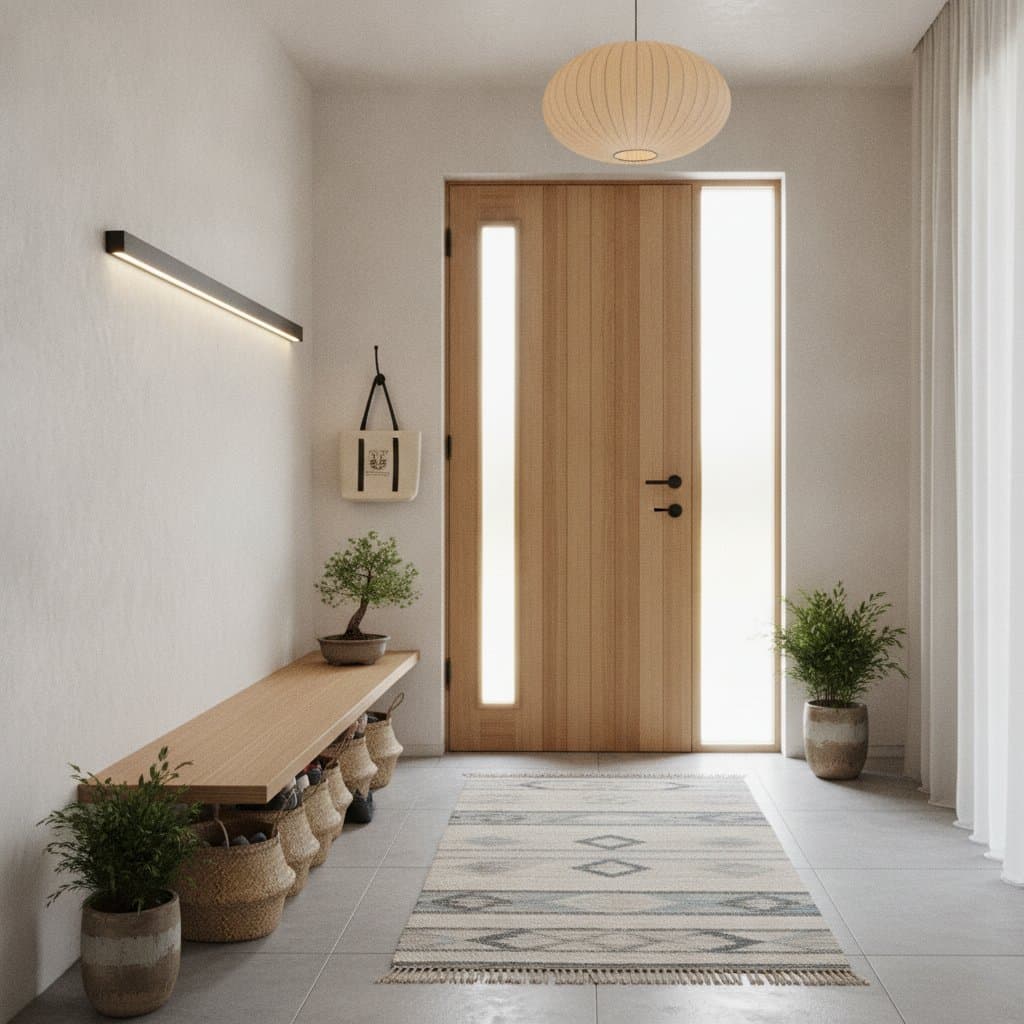
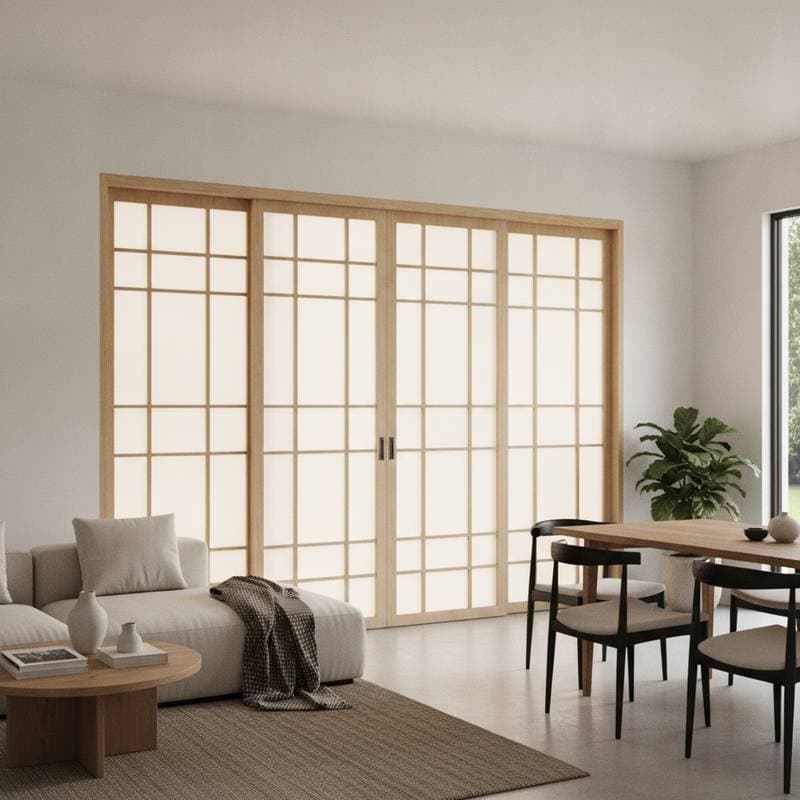
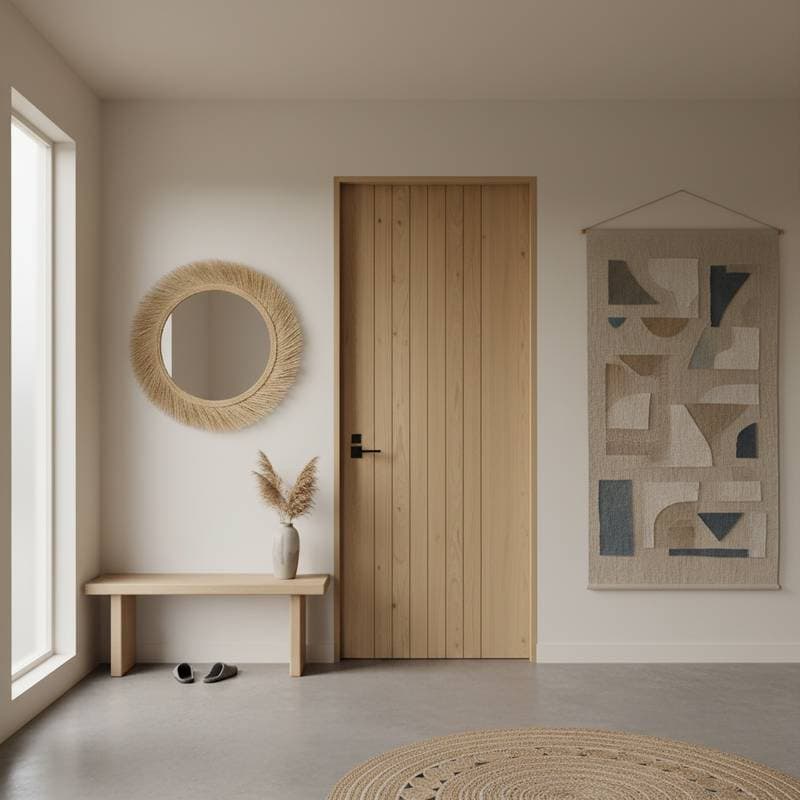
Japandi design integrates the tranquil minimalism of Japanese aesthetics with the practical comfort of Scandinavian influences. Entryways in this style deliver an initial encounter that conveys serenity, purpose, and subtle sophistication. The approach highlights organic materials, precise forms, and orderly composure, appealing to those seeking pared-down elegance enriched by warmth and individuality.
This combination thrives on equilibrium. Japanese elements contribute disciplined form, while Scandinavian aspects introduce tactile softness. The outcome yields a stable, enduring ambiance that receives visitors through refined poise.
Three Strategies to Achieve the Japandi Entryway
Economical Strategy ($2,000 - $4,000)
- Select engineered wood doors featuring light oak veneer and a matte surface. Combine them with straightforward black or brushed nickel fittings to introduce definition.
- Incorporate vinyl or fiber cement panels in gentle neutrals, such as warm white or mushroom gray.
- Emphasize illumination and storage solutions. Install one sleek pendant light or wall-mounted fixture alongside compact benches or hooks to enhance the area affordably.
Moderate Strategy ($5,000 - $8,000)
- Choose solid ash or maple doors treated with natural oil to accentuate wood grain. Include narrow vertical glass sections to invite interior light.
- Employ composite panels with understated patterns, like vertical channels or shiplap, in tones of sand beige or cool taupe.
- Integrate efficient windows framed in slim black profiles to underscore structural lines. Complement with fiber rugs or woven baskets to temper the composition.
Premium Strategy ($9,000 - $15,000)
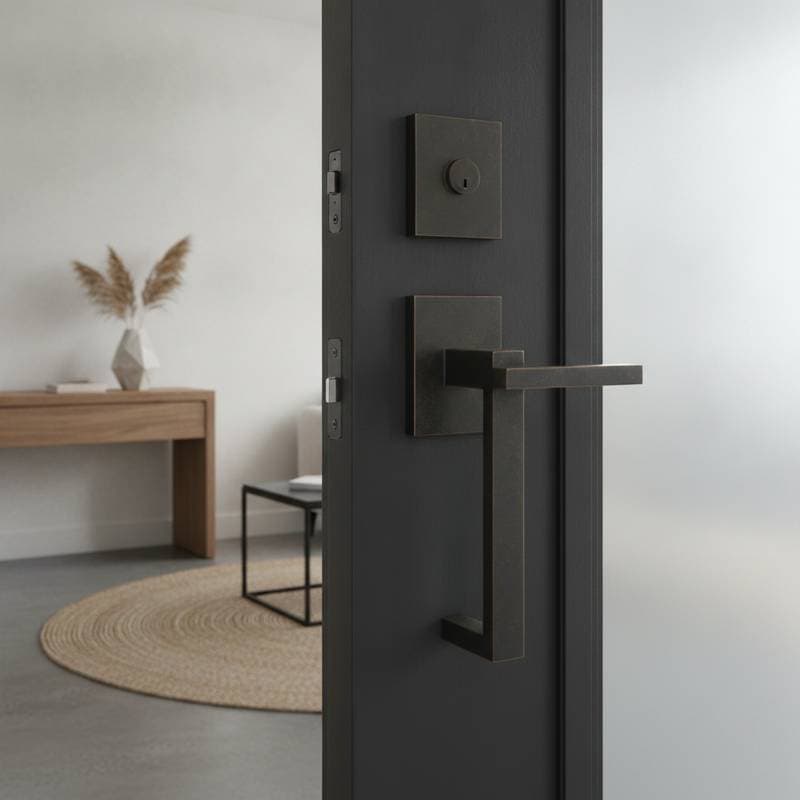
- Fit bespoke oak or walnut doors with clean joinery and embedded fittings in antique bronze or soft brass.
- Layer wood and stone elements for depth. Pair cedar or heat-modified wood panels with limestone or concrete accents to achieve sophisticated interplay.
- Incorporate large-scale windows that capture exterior vistas, using frosted or fluted glass for seclusion. Such choices ensure durability and unified aesthetics that boost property worth.
Guide to Materials and Finishes
- Windows: Opt for narrow casement styles in black, charcoal, or bronze frames. Interior wood surfaces with clear matte protection resist humidity while preserving authenticity. Frosted panes provide discretion without dimming illumination.
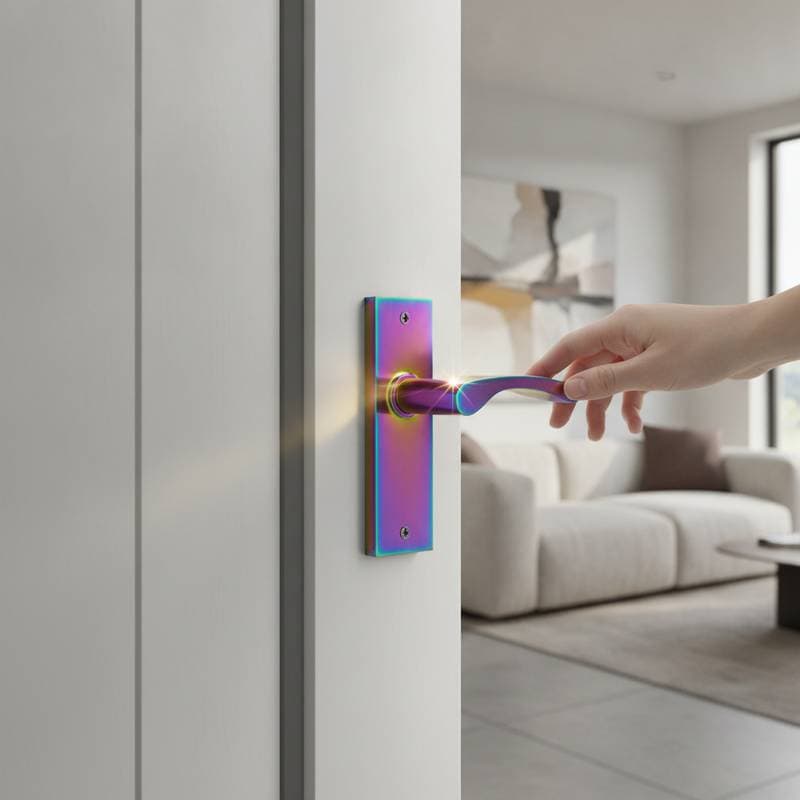
- Doors: Flush or plank configurations align with Japandi principles. Tones in light oak, ash, or walnut deliver subtle glow. Select linear pulls in matte sheens; forgo elaborate inserts that interrupt linearity.
- Siding: Vertical fiber cement, cedar boards, or fabricated wood options enhance the motif. Seek organic hues like driftwood, fog gray, or pale clay. Matte treatments promote a subdued, touchable quality.
- Trim and Details: Apply slim black metal or coated wood borders around openings. Favor faint shadows over bold ornamentation. Maintain unity by echoing a single hue in lights, mailboxes, and numerals.
Practical Maintenance Considerations
Natural components in Japandi designs demand consistent attention to sustain their allure. Seal or oil wood doors and panels regularly to guard against color loss and water intrusion. In moist settings, prefer heat-treated or synthetic substitutes to ease care.
Fiber cement provides a durable alternative with genuine appearance, requiring occasional repainting. Clean metal edges and fixtures with a moist cloth to avoid marks. Polish glass regularly, particularly in sunny exposures, to preserve transparency.
Sparse planting schemes support low effort. Gravel walkways, stone tiles, and local flora anchor the threshold without frequent trimming or irrigation.
Common Pitfalls to Avoid
- Disregarding Scale: Bulky fittings or ornate panes shatter the serene cadence. Employ lean, scaled pieces that harmonize with stark outlines.
- Excessive Material Variety: Multiple patterns or shades fracture unity. Restrict to three primary substances and one highlight for seamless integration.
- Selecting Stark Whites: Pure white clashes with organic bases. Choose warmed variants with beige or gray inflections for natural affinity.
- Omitting Wood Safeguards: Exposed timber deteriorates swiftly. Mandate UV- and water-repellent coatings matched to local conditions.
- Overlooking Light Quality: Cold illumination dulls material richness. Use 2700K warm bulbs to foster an hospitable radiance.
Building a Cohesive Color Palette
Effective Japandi entryways draw from serene, grounded hues that promote equilibrium.
Recommended Palette:
- Pale Oak - Neutral foundation for doors or panels.
- Stone Gray - Gentle offset for frames or borders.
- Warm Clay - Quiet depth for highlights or containers.
- Charcoal Black - Anchoring shade for fittings and lights.
- Natural Linen - Suitable for fabrics, flooring, or shades.
These tones adapt to ambient or supplemented light, sustaining composure across daily cycles. Light woods, soft neutrals, and deep touches underscore the restrained yet embracing essence of Japandi.
Ensuring Material Harmony
Success in Japandi entryways stems from deliberate choices. Align window patterns, door sections, and panel orientations for fluid progression. Vertical orientations heighten restraint and extend presence; horizontal ones broaden compact structures.
Deploy texture with intent. Polished woods offset coarse stone or dulled metal. Limit exposed fittings to uniform sheens. A consistent alloy, like black or bronze, links illuminants, pulls, and identifiers.
Adapting to Climate and Location
Japandi adapts across regions through targeted modifications. In chill zones, deeper wood sheens capture heat and conceal winter traces. Coastal or damp areas benefit from moisture- and salt-tolerant selections, including fabricated woods or clad frames.
Arid, sunny climates favor pale panels to deflect warmth, paired with fade-resistant treatments. Tailor choices to local demands for enduring form and function.
Maximizing Budget for Enduring Impact
The Japandi allure conveys refinement through discipline. Focus resources on prominent features over lavish excess.
- Prioritize the door as the centerpiece; superior construction yields persistent allure.
- Streamline panels with flat or aligned grains for cost-effective drama.
- Curate lighting with one defining piece over scattered elements.
- Embrace aging finishes like oiled timber or coated alloys, which develop patina unlike shiny alternatives.
Preparation Checklist for Design and Execution
Document the existing setup prior to sourcing or engaging professionals. This inventory guides scale, harmony, and effects.
Checklist:
- Photograph exteriors from frontal, lateral, and oblique perspectives.
- Catalog current architecture and fixed materials.
- Consult community or association rules on hues and substances.
- Assess local weather, including humidity, fluctuations, and rays.
- Establish budget limits and installation needs.
- Outline goals, such as light intake, seclusion, or surface variety.
Crafting Enduring Japandi Thresholds
Japandi entryways unite Japanese composure with Scandinavian accessibility. The fusion produces sensory, equilibrated designs that greet with assured tranquility. Authentic substances, muted palettes, and meticulous execution yield minimalism infused with intimacy.
From modest refreshes to comprehensive overhauls, this method values precision over abundance. The threshold evolves beyond utility into a prelude to domestic essence. Through attuned woods, discreet patterns, and poised shapes, Japandi forges realms of perpetual calm and personal resonance.