Thermochromic Wood: Finishes That Change with Heat
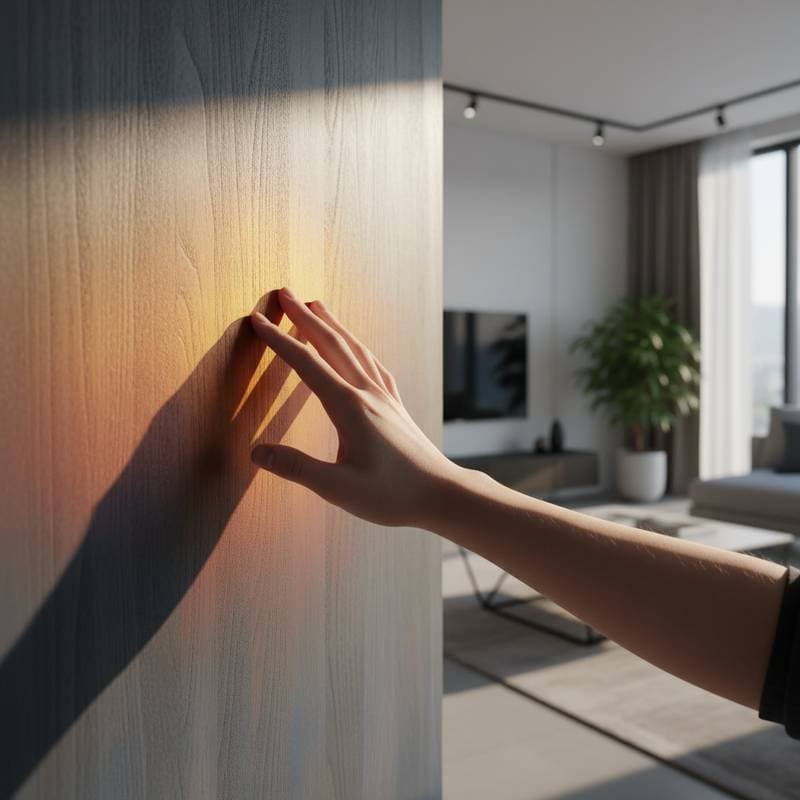
Thermochromic finishes add an element of surprise and elegance to wood surfaces. These specialized coatings incorporate pigments that alter color in response to temperature changes, producing a captivating visual shift triggered by touch, sunlight, or ambient warmth. Homeowners, interior designers, and woodworking enthusiasts find thermochromic wood opens innovative possibilities, seamlessly blending scientific principles with artistic expression and functional design.
The interactive quality sets this finish apart. Imagine a door panel that brightens under morning sunlight or a tabletop that warms in hue beneath a steaming cup of coffee. Such effects draw the eye while preserving the inherent texture and grain of the wood beneath.
Three Ways to Achieve This Effect
Budget-Friendly Option ($150 - $400)
- Mix thermochromic paint powders into a clear polyurethane or water-based varnish for straightforward application.
- Target smaller elements like cabinet doors, drawer fronts, or custom wall panels to maximize impact without high costs.
- Prioritize high-quality topcoats that enhance longevity and promote uniform color shifts across the surface.
Mid-Range Option ($500 - $1,200)
- Employ spray-grade thermochromic coatings on interior doors or accent walls for broader coverage.
- Layer with a clear matte or satin sealer to fine-tune the finish's gloss level and protect the underlying effect.
- Consider hiring a professional applicator to achieve even distribution and seamless transitions between colors.
Premium Option ($1,500 - $3,000)
- Opt for custom thermochromic veneers or pre-engineered panels suited for high-visibility installations.
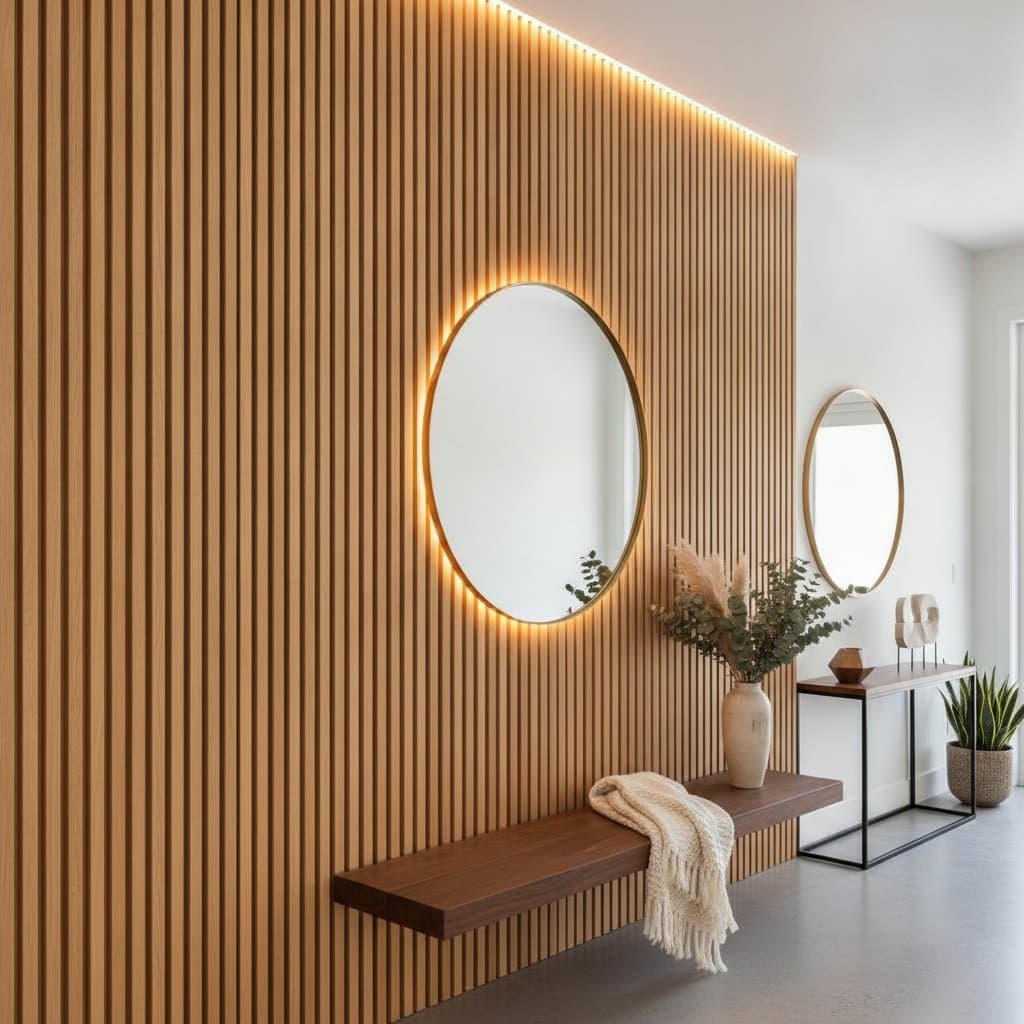
- Pair the finish with integrated LED strips or underfloor heating systems to precisely control activation and color display.
- Select advanced dual-layer formulations that transition through several shades, delivering layered depth and visual interest.
Material and Application Guide
Window Frames: Thermochromic treatments appear less commonly on glass itself, but wood or composite surrounds benefit from subtle integrations. Choose base shades such as soft ash gray or light oak that evolve into subtle warm undertones, enhancing natural light play without distraction.
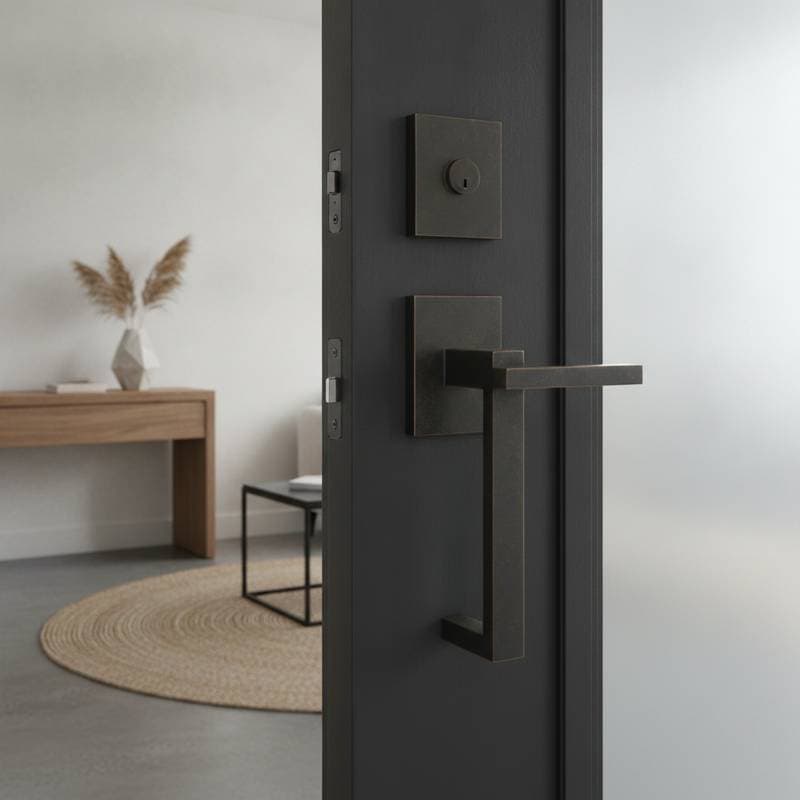
Doors: Both solid and engineered wood doors accommodate thermochromic coatings effectively. Apply semi-transparent versions over fine-grained species like maple or birch for optimal results. Complement with hardware in brushed nickel or matte black to provide grounding contrast against the dynamic surface.
Exterior Siding: For outdoor applications, rely on UV-resistant thermochromic variants formulated to withstand weather exposure. Combine with durable materials like fiber-cement or pressure-treated wood to extend service life. Effective color ranges include shifts from muted gray to warm taupe, adapting gracefully to daily light variations.
Trim and Accents: Reserve the effect for targeted areas such as soffit boards, pedestal bases, or ornamental panels. Maintain surrounding trim in steady neutrals to emphasize the color transformation and create focal points.
Essential Maintenance Practices
Thermochromic coatings demand careful upkeep compared to conventional finishes. Prolonged direct sunlight or elevated humidity levels may cause certain pigments to degrade over time. Clean surfaces routinely with a solution of mild soap and lukewarm water to sustain vibrancy. Steer clear of harsh abrasives, which could damage the microscopic capsules responsible for the color response.
Common Pitfalls to Avoid
- Excessive Coverage: Applying thermochromic finishes across vast areas, like full building exteriors, risks visual overload. Confine use to key features for balanced appeal.
- Incompatible Pairings: Certain pigments clash with oil-based sealants, leading to uneven results. Conduct patch tests on inconspicuous samples prior to committing to larger projects.
- Overlooking Regional Climate: In regions with extreme temperatures, the finish might stabilize in a single state. Select activation thresholds aligned with local conditions, such as 25 to 35 degrees Celsius for temperate zones.
Harmonizing Colors and Design Elements
Integrate shifting tones thoughtfully with static home features for cohesive aesthetics. Consider these pairings:
- Transitions from charcoal to soft gray, accented by crisp white moldings
- Deep walnut evolving to golden honey, enhanced by aged bronze fixtures
- Cool slate warming to misty blue, offset by neutral stone textures
Pre-Project Documentation Steps
Capture baseline details to inform finish selections:
- Photograph spaces from various perspectives under daylight conditions.
- Identify current wood types and their existing finishes.
- Catalog architectural elements like crown moldings or window inserts.
- Check community guidelines or homeowners association rules on exterior modifications.
- Outline project goals, desired color schemes, and tolerance for ongoing care.
Integrating Innovation into Everyday Spaces
Thermochromic wood finishes fuse advanced materials with timeless craftsmanship, infusing static elements with responsive vitality. Applied with intention, they mirror environmental rhythms and personal interactions, elevating interiors and exteriors alike with subtle, enduring sophistication.