The Advantages of PVC Trim Over Wood for 2025 Home Exteriors
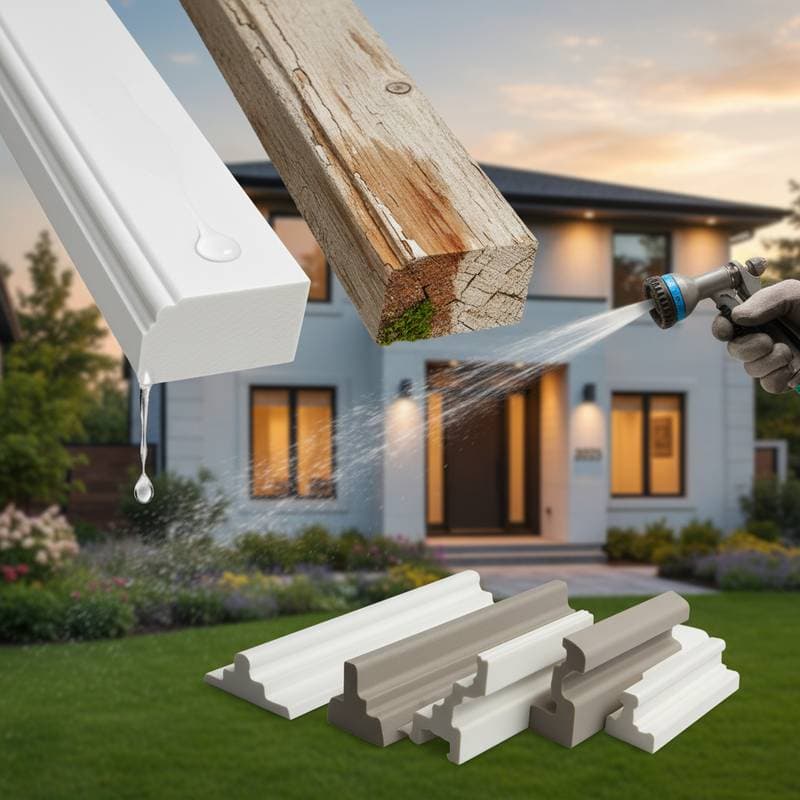
Curb appeal starts with precise details. Trim around windows, doors, and eaves defines a homes architectural character. Homeowners often select natural wood for its warm appearance, yet PVC trim redefines standards for exterior durability, aesthetics, and maintenance. PVC provides the refined profile of painted wood without ongoing care requirements.
Engineered for resilience, PVC trim withstands moisture, temperature fluctuations, and seasonal changes without cracking or peeling. It replicates the sharp edges and subtle shadows of traditional millwork while remaining smooth and stable over decades. For those planning exterior updates in 2025, transitioning to PVC represents an enhancement in both design and daily living.
Practical Implementation Strategies
Budget-Friendly Option (1,000 to 3,000 Dollars)
- Target the most vulnerable wood trim areas, like window sills and door casings, by installing PVC boards.
- Opt for paintable cellular PVC to align with current colors and surface finishes.
- Apply thorough caulking and sealing at edges to shield any leftover wood from water damage.
This approach minimizes costs while delivering immediate protection against weathering in high-exposure zones.
Balanced Investment (3,000 to 7,000 Dollars)
- Upgrade all horizontal trim components, such as fascia and soffit boards, to PVC for superior weatherproofing.
- Choose pre-finished PVC in matte white or soft taupe to achieve a sleek, non-reflective finish.
- Incorporate composite corner boards to create a seamless, easy-care boundary around the structure.
Such a strategy balances expense with broad coverage, ensuring consistent performance across key elements.
Premium Upgrade (7,000 to 15,000 Dollars)
- Install architectural-grade PVC for the full exterior trim, featuring ornate profiles and exact joints.
- Include complementary PVC crown moldings, window surrounds, and entryway accents for visual harmony.
- Integrate with fiber-cement or engineered wood siding to form a sophisticated, low-effort ensemble.
This comprehensive method yields a professional result that elevates the homes overall presence.
Selecting Materials and Finishes
For Windows
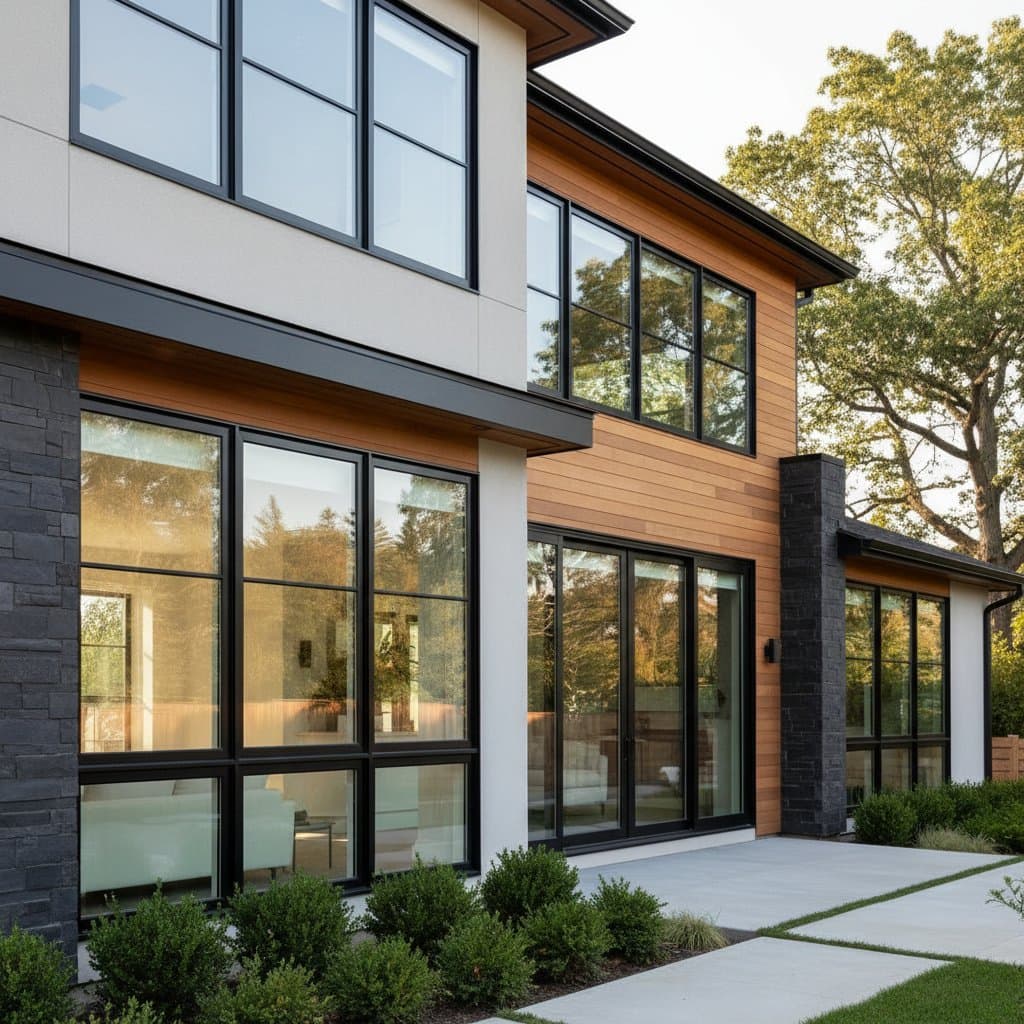
PVC trim pairs effectively with vinyl or aluminum-clad windows. Select straightforward square edges for modern residences or detailed beaded profiles for classic styles. This versatility allows seamless integration with existing window designs.
For Doors
Encase entry doors with painted PVC casing in complementary shades, such as charcoal gray or soft cream. Incorporate composite thresholds to block moisture at ground level. These choices enhance security and style at focal points.
For Siding
Pair PVC trim with fiber-cement or composite siding materials. Maintain subtle color contrasts to promote visual equilibrium. The combination supports long-term structural integrity.
For Additional Trim and Accents
Employ PVC corner boards, crown moldings, and lattice strips to preserve sharp definitions around features like gables and porches. These elements add depth without complicating upkeep routines.
Understanding Maintenance Differences
Wood trim demands frequent sanding, repainting, and rot checks, often every few years. In contrast, PVC trim requires simple cleaning with mild soap and water on occasion. Since it repels moisture entirely, issues like swelling or flaking paint never arise. Although initial expenses exceed those for pine or cedar, the reduced long-term labor and material costs provide clear financial benefits.
Common Pitfalls to Sidestep
- Combining Unfinished Wood with PVC: These materials expand at different rates, risking joint fractures. Ensure all transitions receive proper sealing for stability.
- Overlooking Paint Suitability: Apply only 100 percent acrylic exterior paints designed for PVC to guarantee durable bonding. Test adhesion on a small area first.
- Neglecting Secure Installation: PVC experiences minor thermal expansion, so utilize specialized screws or concealed fasteners that accommodate movement and prevent warping.
Addressing these concerns during installation prevents future repairs and extends the materials lifespan.
Achieving a Cohesive Exterior Design
PVC trim provides a refined finish that endures seasonal shifts. Its immunity to decay and pests suits environments with high humidity, coastal exposure, or frequent rain. When combined with robust siding and contemporary window systems, the result is an exterior that maintains a fresh appearance indefinitely. Homeowners who value enduring elegance with effortless care find PVC trim to be the superior choice over conventional wood.