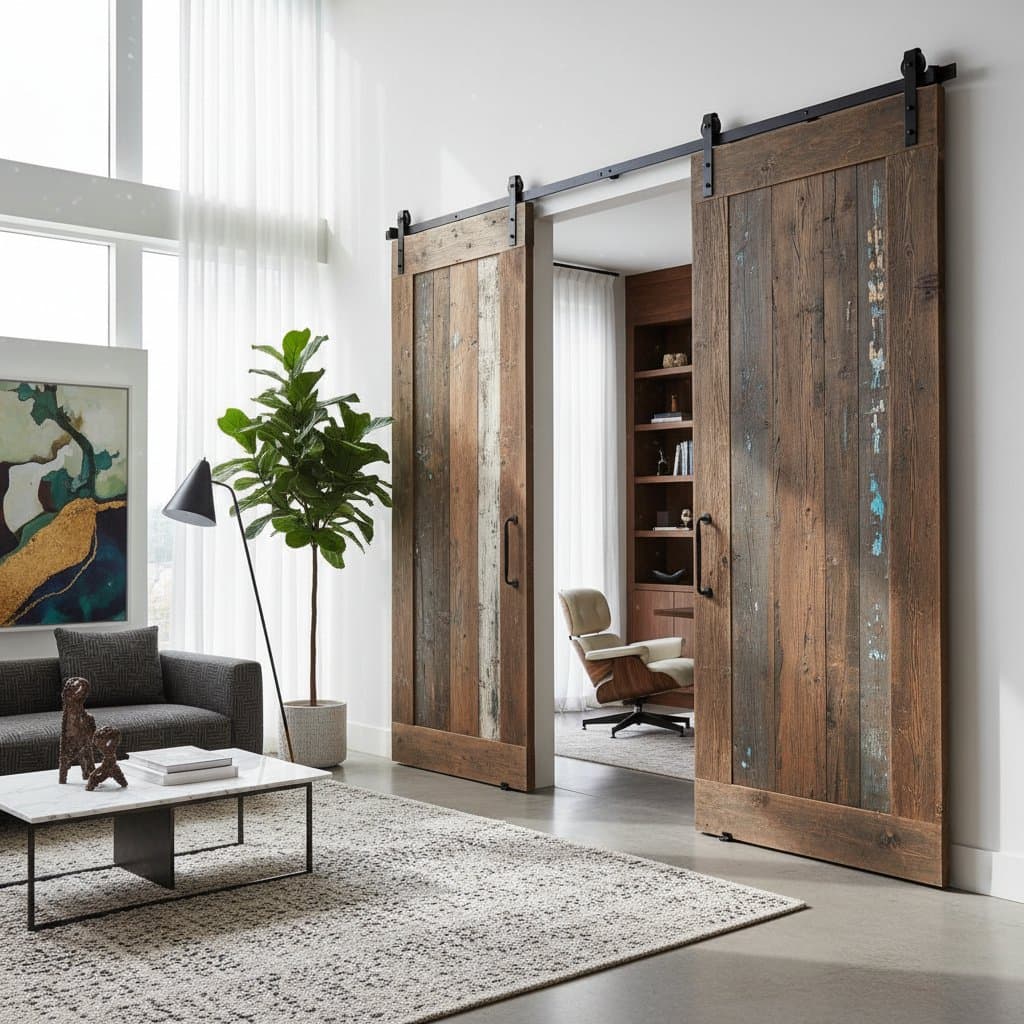
Reclaimed Barn Doors Surge to $8K Value by 2026
Reclaimed barn doors transcend their origins as simple rustic accents. These elements now serve as central features in upscale interior design, where historical significance meets expert craftsmanship and environmental responsibility. With rising demand for genuine materials, prices for these doors approach those of bespoke cabinetry. Homeowners and professionals value the warmth, tactile quality, and unique character they bring, though informed decisions on installation and care determine their enduring performance and worth.
The Appeal of Reclaimed Barn Doors
Every reclaimed barn door bears a narrative etched into its wood grain, nail marks, and weathered surface. Distinct from factory-made items, each piece stands alone in appearance. The rough texture of aged oak or pine, shaped by years of exposure, imparts a sense of authenticity and stability to living spaces. Interior designers incorporate these doors to temper sleek contemporary environments, connect rustic details with industrial motifs, and add natural elements against smooth surfaces like glass, concrete, or polished metal.
These doors also advance sustainability goals. Reclaimed wood repurposes materials that would otherwise contribute to landfill waste and safeguards architectural heritage. This blend of genuineness, ecological benefits, and layered visual interest drives their increasing adoption in homes and commercial projects alike.
Three Ways to Achieve This Aesthetic
Budget-Friendly Option ($800 to $1,500)
- Select engineered wood panels finished to resemble reclaimed surfaces or topped with a distressed veneer. Several producers provide options with brushed or worn effects that replicate natural aging.
- Install a sliding barn door system using matte black steel tracks to deliver comparable visual impact at a fraction of the expense of solid reclaimed wood.
- Allocate funds toward premium hardware components. Robust tracks paired with silent rollers enhance the overall effect of even a basic door selection.
Mid-Range Option ($1,600 to $3,500)
- Integrate sections of reclaimed wood with fresh lumber interiors for added structural integrity. This method retains visual appeal while minimizing risks of distortion.
- Apply a bespoke stain or transparent coating to accentuate the inherent variations in the wood planks.
- Incorporate artisanal elements such as forged handles or ornamental strap hinges to infuse genuine period charm.
Premium Investment Option ($4,000 to $8,000)
- Choose doors crafted solely from salvaged barn timber, typically oak, chestnut, or heart pine recovered from century-old buildings.
- Specify assembly techniques that showcase traditional joinery, including butterfly keys or mortise-and-tenon connections.
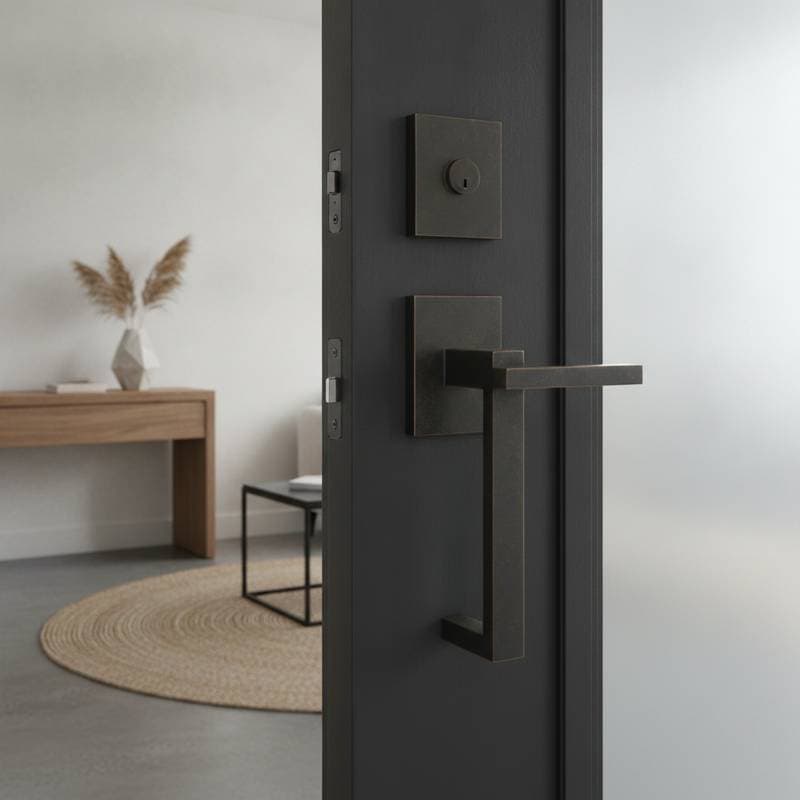
- Pair with custom fittings in oil-rubbed bronze or aged iron finishes. Such exclusive creations maintain substantial resale value due to their superior workmanship and documented origins.
Material and Finish Selection Guide
Windows
Pair reclaimed barn doors used as room dividers with frames in black or bronze featuring slim mullions. This setup contrasts refined metal against organic wood for equilibrium. Options like frosted or reeded glass panels preserve seclusion while permitting soft light passage.
Doors
Genuine reclaimed examples often display vertical or diagonal board arrangements. Surface treatments span natural oils to low-sheen polyurethanes. Steer clear of high-gloss applications, as they mute the material's inherent roughness. Select fittings in patinated metal shades to harmonize with untreated wood tones.
Siding
For outdoor applications or feature walls that complement the reclaimed style, explore fiber cement or synthetic panels embossed with wood patterns. These choices deliver comparable coziness with reduced upkeep compared to solid wood.
Trim and Accents
Match surrounding trim in subdued shades like warm ivory, greige, or taupe to spotlight the door's texture. Add elements such as wrought iron fixtures, period-style lamps, and salvaged beam details to unify the scheme.
Recommended Color Palette
- Weathered Oak: Silvery brown undertones adaptable to bright or shadowed rooms.
- Charred Umber: Rich brown accented by black, ideal alongside industrial metalwork.
- Driftwood Gray: Subtle gray warmed by beige, fitting for seaside or spare designs.
- Honey Pine: Pale tone with golden highlights, appropriate for rural or blended interiors.
Maintenance Essentials
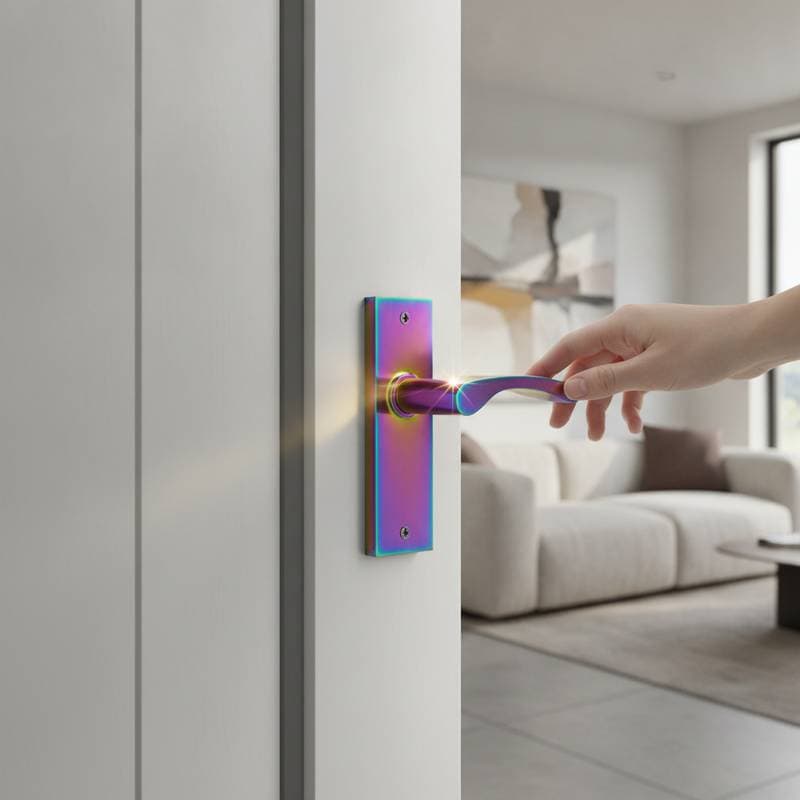
Reclaimed wood proves resilient yet requires targeted upkeep. The source material has withstood prolonged environmental stress, which builds character but exposes it to damage without protection. Seal surfaces with penetrating oils or matte varnishes to guard against dampness. Refrain from wax finishes, which attract and hold particles.
For sliding mechanisms, clean rollers periodically and apply a gentle lubricant to avoid noise. In areas with high humidity, observe seasonal shifts in wood dimensions to maintain fluid operation. True reclaimed boards may exhibit minor movement, a trait that enhances their appeal but calls for periodic realignment.
Individuals seeking the aesthetic minus intensive care might prefer engineered substitutes with imprinted or embossed exteriors. These versions withstand deformation and demand little more than routine wiping, suiting active family environments.
Common Pitfalls to Avoid
- Overlooking Load Capacities: Solid reclaimed doors carry significant weight. Verify that hardware supports the load and reinforce mounting surfaces prior to fitting.
- Excessive Textural Emphasis: Heavy distressing can dominate a room. Counter with smooth plaster walls, uncomplicated flooring, and restrained decor.
- Neglecting Sealing Measures: Unprotected reclaimed wood absorbs moisture, risking expansion or splits. Engage specialists for thorough surface preparation.
- Imbalanced Spending: Lavishing funds on wood while skimping on fittings compromises usability. Prioritize reliable gliding systems and secure anchors equally.
- Disregarding Local Conditions: In arid or moist zones, opt for reinforced reclaimed composites to limit dimensional changes.
Integrating Colors and Styles
Reclaimed barn doors adapt effortlessly to diverse settings, from pastoral farmhouses to gritty lofts and pared-down modern schemes. Success hinges on thoughtful interplay of contrasts and harmonies.
- Align weathered oak doors with ebony metal details and crisp white surrounds for a striking contemporary rural vibe.
- Merge driftwood gray doors with satin nickel trim and neutral stone elements in a seaside motif.
- Temper charred umber doors with warm brass or copper accents for layered traditional depth.
- Blend honey pine doors into neutral gray backdrops with soft black hardware to span eras seamlessly.
Position the door as the primary element, supported by complementary surfaces. Echo subtle wood grains in overhead beams, edge details, or ground coverings to weave cohesion without contrivance.
Pre-Purchase Documentation Guide
Capture site specifics before acquiring or ordering a reclaimed barn door. This step aligns scale, positioning, and integration with the property's inherent qualities.
- Photograph exteriors and interiors from varied perspectives, capturing entry points, neighboring surfaces, and floor junctions.
- Catalog the building's stylistic traits and existing border profiles.
- Evaluate community aesthetics and regulatory limits on alterations.
- Gauge weather patterns and light exposure to guide protective choices.
- Establish financial boundaries upfront, pinpointing priority areas for maximum enduring effect.
Such diligence facilitates precise discussions with makers or installers, averting expensive alterations post-assembly.
Realizing Enduring Design Harmony
Reclaimed barn doors embody skilled artistry and resource stewardship, extending beyond ornamentation. They encourage interaction, recount histories, and enrich spaces through unvarnished truth. Attainable via authentic salvage or thoughtful imitations, this style gains traction among those pursuing blends of legacy and reliability.
Homeowners who weigh creative vision against functional needs secure the classic allure of reclaimed wood alongside robustness and ease. A thoughtfully selected barn door functions as both sculptural piece and structural asset, linking heritage to present-day living in ways that resonate lastingly, practically, and intimately.