Why Acoustic Wood Panels Silence Noisy Homes in 2025
A quiet home provides calm, comfort, and a sense of grounding. Many homeowners face challenges with sound bouncing off walls, floors, and ceilings. Noise from busy streets, shared walls, or open-plan layouts disrupts the peaceful indoor atmosphere. Acoustic wood panels offer a practical solution. These panels blend sound control with warm, natural aesthetics. They deliver technical and lifestyle benefits that enhance how a home feels and operates.
Understanding How Acoustic Wood Panels Work
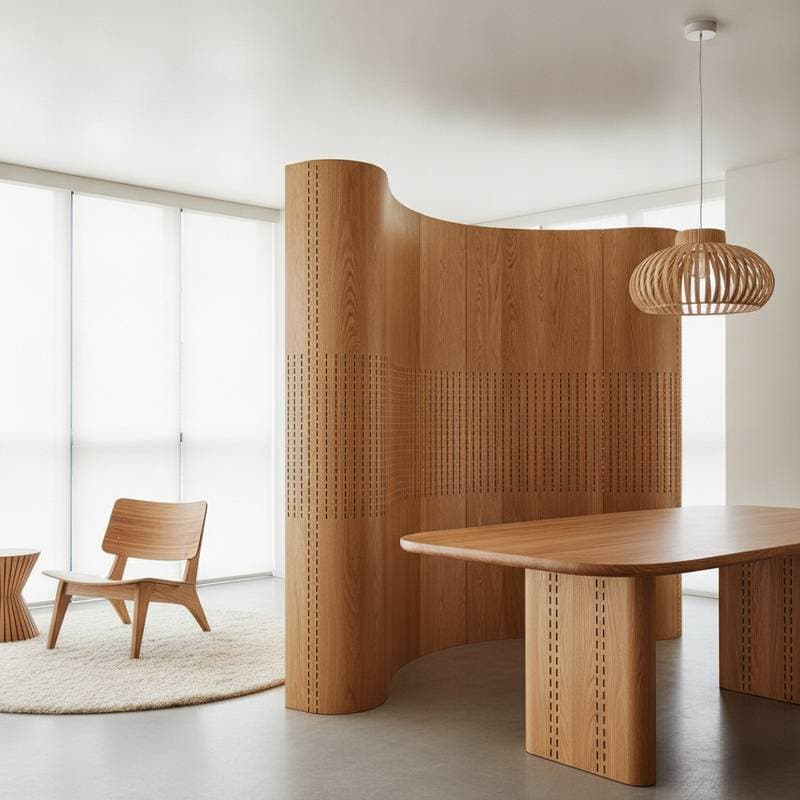
Acoustic wood panels absorb and diffuse sound waves to prevent reflection back into the room. Each panel features a wood veneer layer over sound-absorbing material, such as felt or foam. This design reduces echoes, lowers overall sound levels, and improves clarity for conversations or entertainment systems.
Panel performance hinges on specific design elements. Slotted or perforated surfaces allow sound to penetrate the wood and reach the absorber. Thickness in both the wood and backing affects handling of various frequencies. Denser configurations target mid- to low-frequency tones, while lighter setups address high-frequency noise. Homeowners gain flexibility to customize sound control for individual rooms through these layered components.
Comparing Materials and Finishes
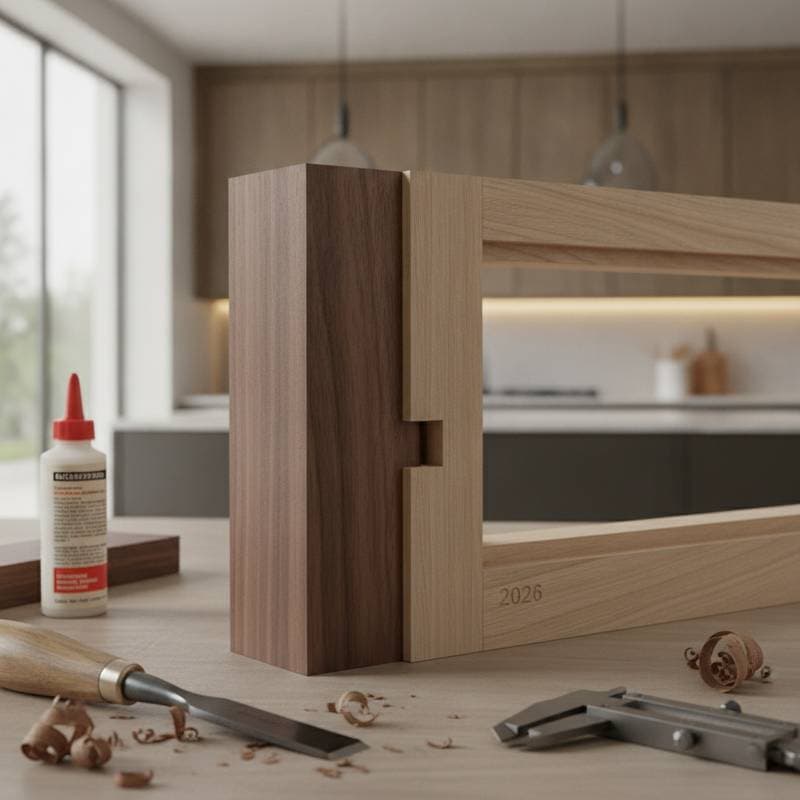
Wood options include oak, walnut, maple, and ash, each with unique grain patterns and tones. Material choice influences visual appeal and acoustic properties. Harder woods reflect sound to a greater degree, whereas softer varieties enhance absorption. Finishes also impact effectiveness. A thick varnish seals the surface and diminishes performance, but natural or matte options maintain acoustic texture.
Sustainability and maintenance factor into decisions. Panels from responsibly sourced or recycled wood fibers attract environmentally conscious buyers. Routine care involves dusting and gentle cleaning to preserve appearance and function.
Placement and Room Considerations
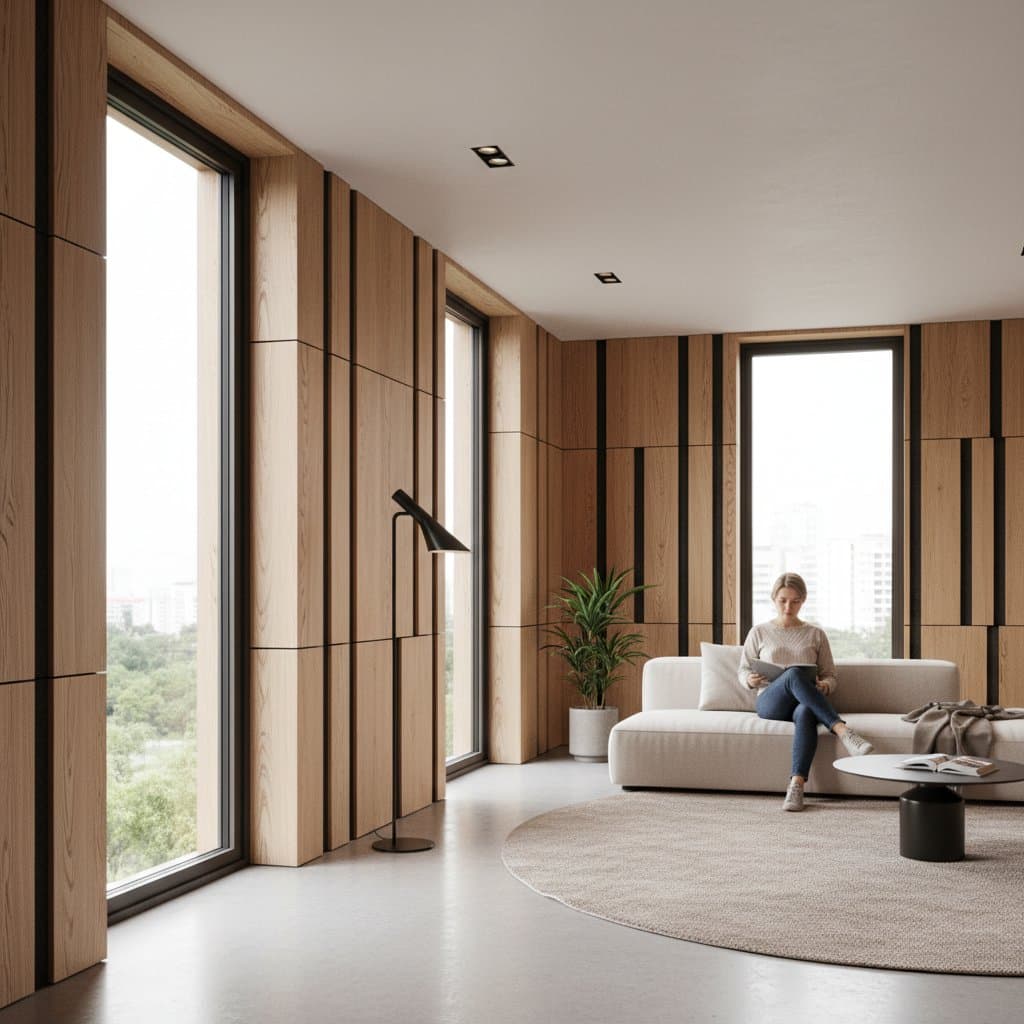
Strategic placement maximizes the effectiveness of acoustic wood panels. Position panels on walls behind entertainment systems, near dining areas, or above desks for optimal results. In open-concept spaces, apply panels to ceilings and upper walls to control reverberation over expansive areas.
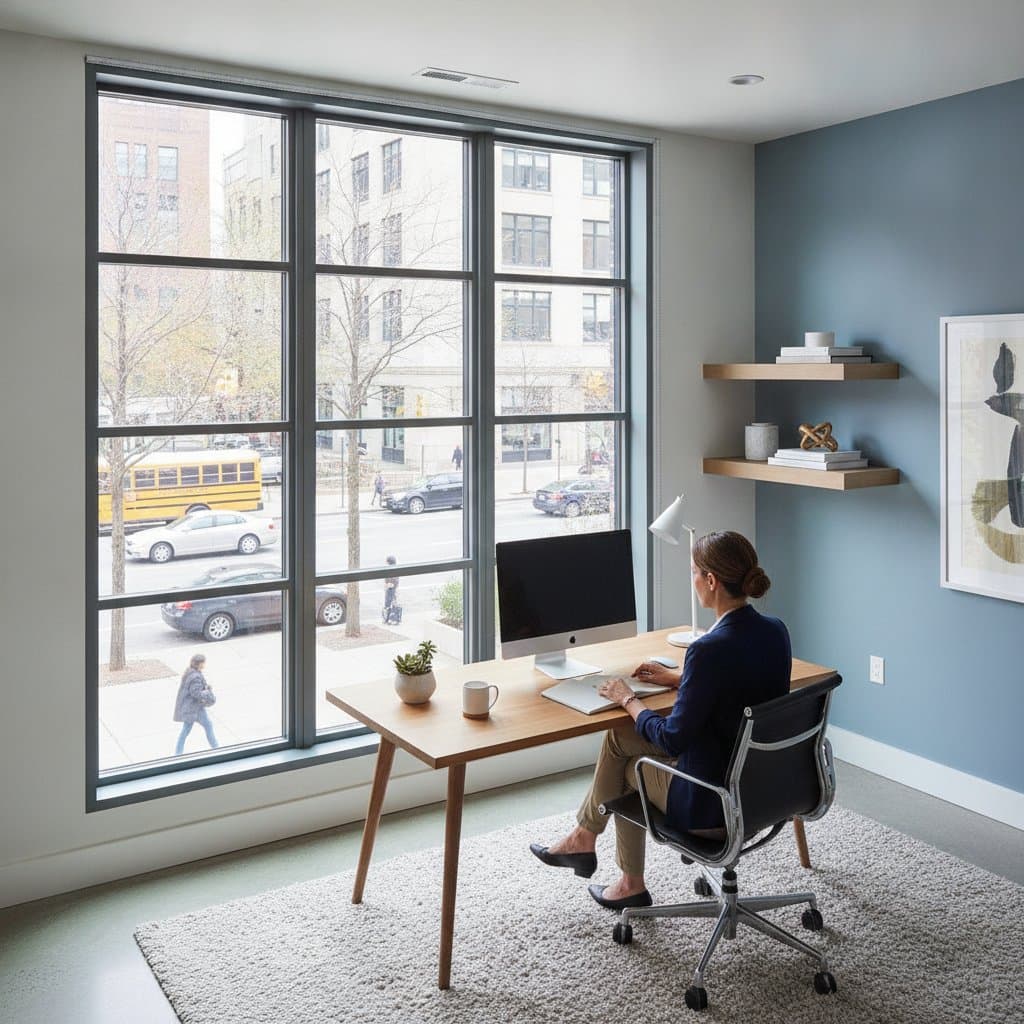
Rooms with hard surfaces, such as tile floors or glass windows, intensify sound reflections. Panels in these settings soften acoustics and foster comfort for dialogue and rest. In bedrooms or offices, place panels behind headboards or desks to establish targeted quiet zones without extensive wall coverage.
Comparing Acoustic Solutions
Homeowners often evaluate acoustic wood panels against options like fabric panels, foam tiles, or heavy curtains. Each alternative reduces noise to some extent, but wood panels excel in durability, design versatility, and longevity.
| Option | Initial Cost | Lifespan | Maintenance | Best For |
|---|---|---|---|---|
| Acoustic Wood Panels | Moderate to High | 15–25 years | Low | Style-conscious homeowners seeking lasting sound control |
| Fabric Panels | Moderate | 7–12 years | Medium | Offices or theaters needing soft visual finishes |
| Foam Tiles | Low | 5–10 years | Low | Quick DIY sound dampening in small spaces |
| Heavy Curtains | Low to Moderate | 8–15 years | Medium | Temporary or rental-friendly noise reduction |
Wood panels carry a higher initial cost, yet their endurance and aesthetic value support the expense. They serve as architectural elements that refine both acoustics and visuals, potentially increasing property value.
What to Expect During Installation
Professionals begin by evaluating wall structure, existing finishes, and acoustic requirements. Some installations demand backing modifications or frame supports for secure mounting. Alignment precision ensures uniform visuals and comprehensive sound coverage.
Mounting uses clips or concealed fasteners. Installers verify spacing and surface levelness to eliminate vibration issues. Post-installation, inspect joints and edges for a seamless finish. Test the area by assessing sound balance and echo reduction.
Maintenance and Long-Term Care
Acoustic wood panels demand little maintenance. Use a microfiber cloth for dusting or a soft brush vacuum attachment to remove buildup. Harsh chemicals harm the surface and backing, so avoid them. For sun-exposed panels, rotate periodically or apply UV-protective finishes to prevent fading.
Stable indoor humidity sustains long-term performance. Extreme dryness or moisture leads to warping or layer separation. Employ climate control or dehumidifiers to protect integrity. Occasional refinishing or re-oiling renews luster without compromising acoustics.
Choosing What Works Best
Select acoustic wood panels based on room usage and desired results. Home offices prioritize clarity and concentration. Family rooms aim for balanced environments suited to conversation and media.
Consider budget and installation demands. DIY panels suit small accent walls, while professionals handle large-scale projects for accuracy.
Creating a Quieter, More Comfortable Home
Acoustic wood panels extend beyond design enhancements. They reshape daily home experiences by managing noise, refining acoustics, and introducing natural texture. These elements foster serene spaces ideal for relaxation, productivity, and interaction.