
Reduce Home Noise by 85% with No-Demo Window Inserts
Urban sounds like traffic, barking dogs, and nearby commotion often disrupt home tranquility. Homeowners seek quieter spaces yet avoid full window replacements due to dust, potential trim damage, and substantial expenses. No-demo window inserts present an effective solution, achieving noise reduction up to 85 percent while leaving existing frames and finishes intact. Grasping the mechanics of these inserts, installation expectations, and their role in broader home strategies empowers informed choices.
How Window Inserts Function
Window inserts consist of clear interior panels custom-fitted to the existing frame. They form an additional insulation layer with an air pocket between the insert and primary glass. This pocket serves as a sound barrier, minimizing vibration and dampening external noises before they enter the room.
Distinct from replacement windows, inserts avoid frame removal or modification. They secure via compression tubing or magnetic seals. Homeowners frequently manage installation independently, though professionals guarantee peak noise and energy outcomes.
Varieties of Window Inserts
Various inserts target specific objectives, including soundproofing, thermal efficiency, or draft prevention.
- Acrylic Inserts: These lightweight, impact-resistant options deliver robust acoustic isolation alongside high transparency.
- Glass Inserts: More substantial and resilient, glass versions suit areas facing intense noise or frequent activity.
- Magnetic Frame Inserts: Equipped with magnetic strips on the frame, they enable straightforward removal for maintenance or seasonal changes.
- Compression Fit Inserts: Flexible tubing presses against the frame for a secure seal, eliminating the need for hardware or adhesives.
Selections vary by requirements, finances, and visual appeal. Acrylic appeals for its manageability and cost-effectiveness; glass excels in enduring setups or upscale applications.
Inserts Versus Replacement Windows
| Option | Initial Cost | Lifespan | Maintenance | Best For |
|---|---|---|---|---|
| No-Demo Window Inserts | Moderate | 10 to 20 years | Occasional cleaning | Renters, historic properties, cost-effective enhancements |
| Full Replacement Windows | High | 20 to 30 years | Routine checks and seals | Extensive remodels, compromised frames, foundational improvements |
Inserts deliver comfort and quiet at lower costs than replacements. They prove ideal when current windows remain structurally sound but permit excessive noise. Replacements offer permanence but demand greater investment and extended disruption.
Acoustic Effectiveness and Noise Metrics
Noise reduction hinges on insert thickness, air gap dimensions, and seal quality. Typical inserts attenuate sound transmission by 50 to 85 percent, varying with window design and ambient noise intensity.
Decibels quantify sound; a 10-decibel decrease perceives as halving the volume. Inserts intercept sound waves via the secondary barrier, yielding a serene setting conducive to rest, productivity, and leisure.
Advantages for Daily Life
Excess noise impairs focus, elevates stress, and diminishes well-being. Sound mitigation fosters peaceful zones ideal for remote work, study nooks, and sleeping quarters. Families report better child sleep and reduced tension in quieter homes.
Urban dwellers convert bustling apartments into calm havens. Proximity to airports or freeways yields profound improvements. Enhanced audibility for discussions, media viewing, or relaxation elevates quality of life measurably.
Step-by-Step Installation
No-demo systems prioritize ease, following a streamlined process with negligible interruption.
- Measure Precisely: Gauge each window cavity, noting frame variances for a precise fit.
- Prepare the Surface: Wipe frames clean of dust, residues, and particles to optimize sealing.
- Position the Insert: Align and press the panel evenly within the frame.
- Secure the Seal: Apply magnetic attachments or verify compression tubing contact.
- Test Stability: Inspect for voids, operate the window, and ensure the insert holds firm.
Experts often finish whole-home projects in one day. DIY efforts succeed with exact measurements and adherence to guidelines.
Verification Essentials
Prior to completion, verify these elements:
- Tight fit absent any gaps.
- Uniform sealing on all edges.
- Unimpeded window operation.
- Clarity without distortion or moisture entrapment.
Periodic reviews sustain efficacy. Reseal if fogging occurs between layers.
Upkeep Guidelines
Maintenance remains simple. Remove inserts periodically or retain year-round. Clean both surfaces with a soft cloth and gentle solution, steering clear of abrasives.
Detach magnetic types for thorough washing; compression units typically stay fixed. Examine seals biannually for integrity. Proper care preserves functionality over a decade.
Thermal Gains and Comfort
Primarily for acoustics, inserts enhance insulation too. The extra layer curbs air leaks and heat flow. Winters retain warmth with reduced heating; summers mitigate heat gain and UV damage to interiors.
Energy costs drop alongside steadier temperatures. Older homes with drafty windows experience swift comfort boosts.
Material and Aesthetic Choices
Material selection influences efficacy and style. Acrylic ensures sharp visibility and noise absorption with minimal weight. Tempered glass provides longevity and superior sound control, demanding cautious placement.
Opt for frame hues like white or neutral to match surroundings. Custom tints minimize glare or boost privacy. Thoughtful designs integrate seamlessly without prominence.
Selecting Optimal Inserts
Choices align with key variables:
- Ambient Noise: Opt for thicker panels or wider gaps near roads or tracks.
- Visual Preferences: Transparent for views; tinted for light control.
- Financial Scope: Acrylic for economy; glass for resilience.
- Regional Conditions: Prioritize moisture resistance and insulation in extremes.
Pilot installations on select windows validate noise benefits before full commitment.
Drawbacks to Consider
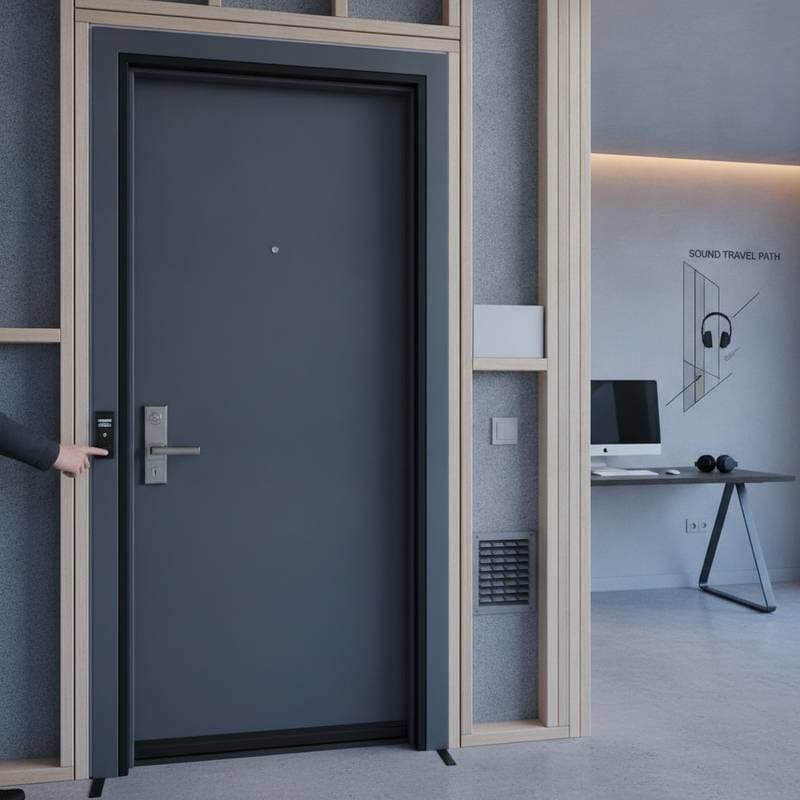
Inserts attenuate but do not erase all sounds. Bass-heavy sources like trucks penetrate via structures. Pair with door seals, thick drapes, or wall treatments for comprehensive quiet.
Performance depends on window integrity; warped or damaged frames compromise seals. Pre-installation assessments confirm viability.
Financial and Value Analysis
Replacements rank among priciest upgrades. Inserts match acoustic and insulating gains affordably, via less labor, no demo, and material retention.
Time savings abound with quick setup and no mess. Sustained quiet and utility reductions amplify worth, boosting livability and resale potential.
Sustainability Aspects
Retaining original windows cuts waste and resource use. Inserts demand modest production inputs versus full units. Efficiency curbs emissions from climate control.
This method aligns eco-principles with tangible comforts, promoting enduring green practices.
Collaborating with Professionals
Experts secure precise fits and peak results. When hiring:
- Solicit multi-room measurements and quotes.
- Inquire on sound tests and warranties.
- Verify product guarantees.
- Clarify cleaning and adjustment protocols.
Transparent dialogue refines outcomes, with pros detailing operations and care.
Future-Proofing Strategies
Acoustics form an evolving home element. Seals wear; innovations emerge. Budget for periodic refreshes to uphold standards.
Inserts suit interim use before major overhauls, removable for reuse or adaptation.
Enhancing Space Utilization
Mitigated noise redefines room functions. Street-adjacent living areas support reading or calls. Bedrooms promote deep sleep; offices facilitate clear communications. Reduced distractions lessen reliance on masking sounds, amplifying overall serenity and efficiency.
Securing Peak Performance
Post-installation, monitor:
- Audible noise decline.
- Temperature consistency.
- Absence of condensation.
- Firm, rattle-free hold.
Manufacturer aid resolves issues promptly, averting decline.