Soundproofing Residences: Acoustic Wood Panels Reduce Noise by 70 Percent
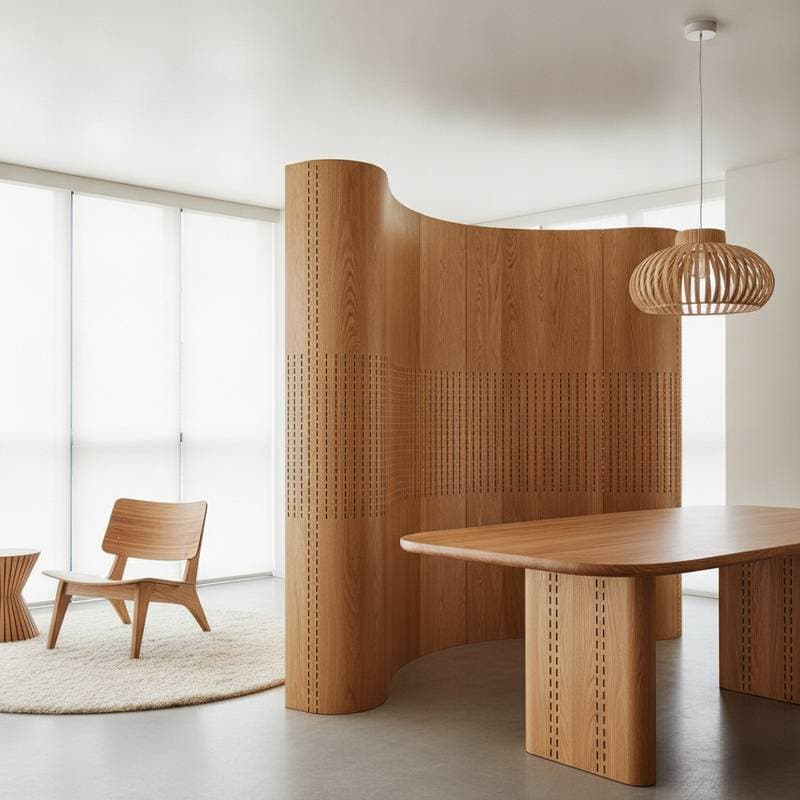
Homeowners increasingly prioritize serene environments in their living spaces, and acoustic wood panels emerge as a foremost solution. These panels merge the inherent warmth of natural wood with sophisticated sound absorption capabilities, delivering both utility and visual elegance. They address issues such as external street sounds, reverberations in expansive layouts, or the need for secluded areas in active households, providing soundproofing that integrates seamlessly rather than appearing utilitarian.
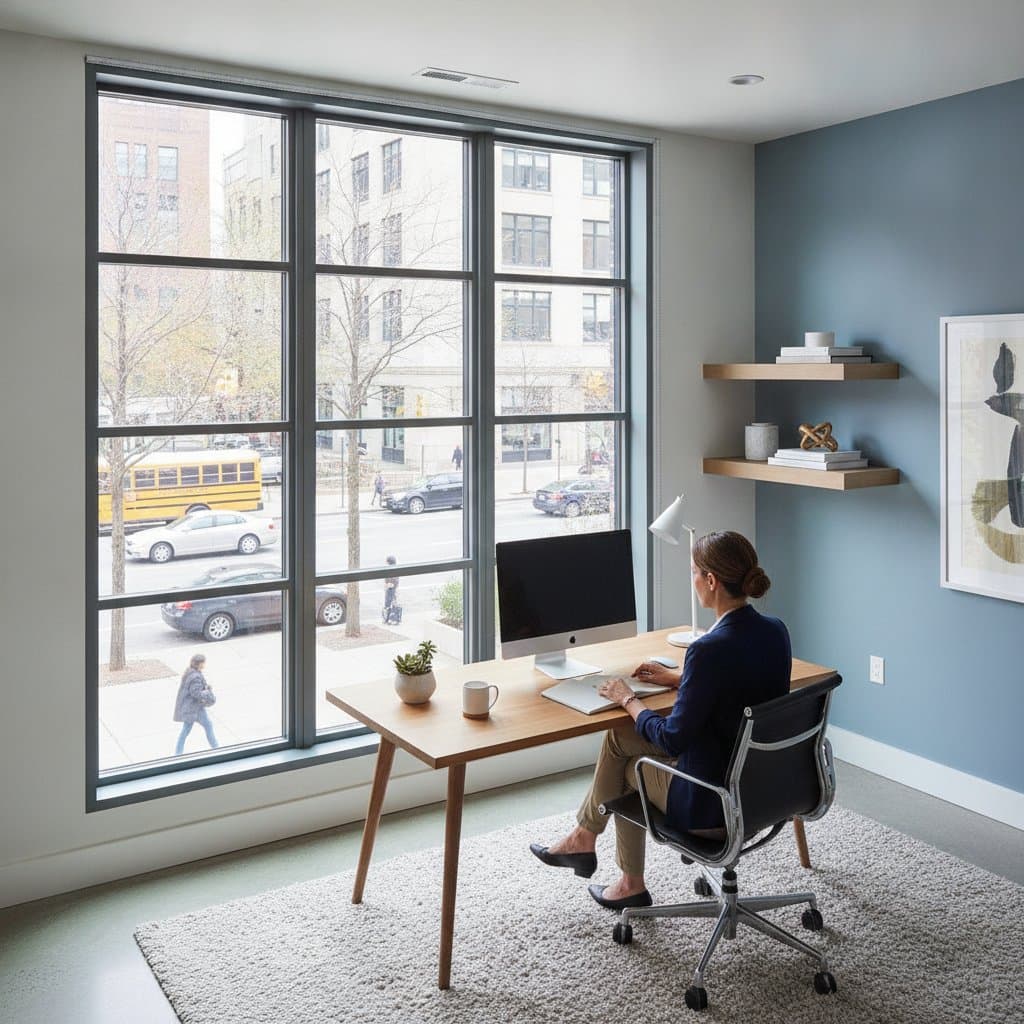
This combination of visual appeal and acoustic efficacy proves particularly valuable. Contemporary designs frequently incorporate expansive windows, lofty ceilings, and reflective hard surfaces that amplify noise. Acoustic wood panels mitigate these echoes while introducing tactile interest and dimension to walls or ceilings. The outcome yields a more subdued, sophisticated ambiance that preserves design integrity.
Approaches to Implementation
Budget-Conscious Option (500 to 1,500 Dollars)
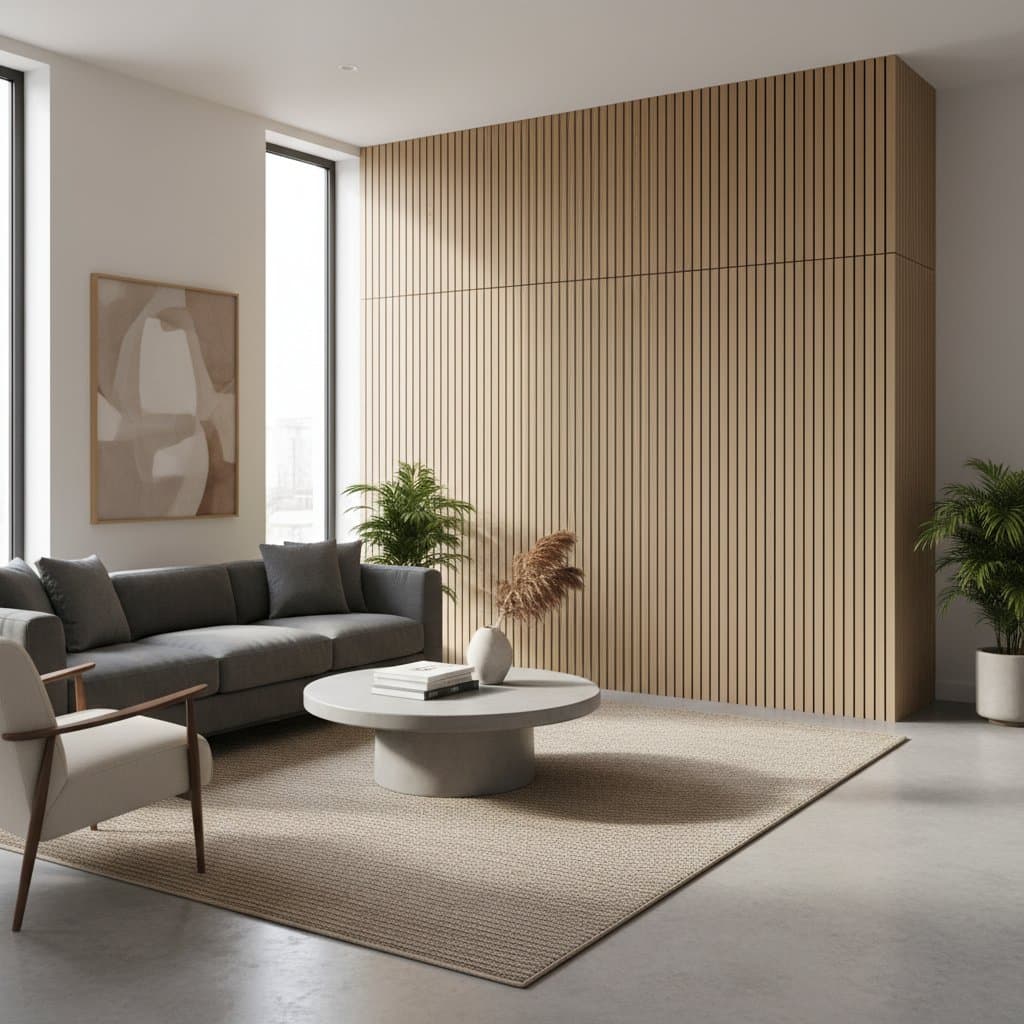
- Select prefinished slat panels constructed from medium-density fiberboard topped with a slim wood veneer.
- Position panels at primary noise hotspots, including areas behind televisions or in corridors prone to echo accumulation.
- Allocate resources to prominent zones, supplementing with acoustic fabric panels or substantial curtains in secondary locations for enhanced absorption.
Moderate Investment Option (1,500 to 3,000 Dollars)
- Opt for genuine wood veneer panels backed by acoustic felt.
- Incorporate complementary trim and edge detailing to achieve a custom, integrated aesthetic that refines the environment.
- Alternate horizontal and vertical alignments to foster visual dynamism and manage sound reflections from diverse angles.
Premium Investment Option (3,000 to 7,000 Dollars)
- Employ solid wood acoustic panels featuring hidden mounting mechanisms for flawless installation.
- Blend elements like walnut or oak slats with dark acoustic felt to produce striking, high-contrast architectural effects.
- Embed recessed illumination or concealed audio components behind panels to attain opulent functionality and streamlined aesthetics.
Guidance on Materials and Finishes
- Walls: Slatted panels in oak or walnut, supported by acoustic wool or felt backing, effectively capture mid-range and high-frequency sounds while preserving organic texture. For brighter settings, ash or maple introduces luminosity to confined areas without sacrificing coziness.
- Ceilings: Suspended acoustic wood grid systems diminish reverberations in open-plan configurations. A matte finish averts reflections from embedded or hanging light sources.
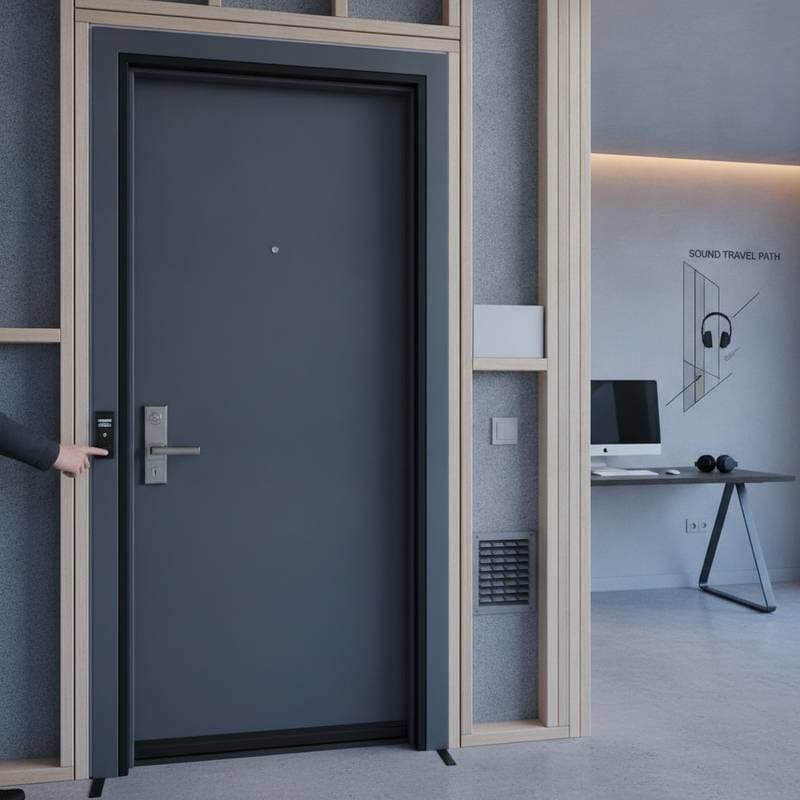
- Doors: Solid-core wood doors equipped with acoustic seals prevent sound leakage between rooms. Finishes in subdued hues such as charcoal, sage, or soft white harmonize with adjacent panels.
- Trim and Accents: Coordinate wood shades on window frames or baseboards to achieve unity. Subtle metal accents in bronze or brushed nickel complement natural wood tones while upholding a contemporary edge.
Considerations for Upkeep
Acoustic wood panels endure over extended periods when selected appropriately, though maintenance varies by material and placement. Veneer varieties require only periodic dusting using a gentle cloth. Steer clear of abrasive cleaners that might tarnish the surface. Solid wood options demand quarterly conditioning to avert cracking or distortion, particularly in variable humidity regions. In moisture-prone areas like kitchens or bathrooms, protective sealants safeguard against dampness. Systems with felt components benefit from light vacuuming to clear accumulated particles that could impair absorption.
Proper installation guarantees longevity and reliability. In contrast to foam alternatives that fade or deteriorate, wood panels sustain their visual and sonic qualities with modest care. Periodic checks at joints confirm secure alignment, preserving uniform noise management.
Common Pitfalls to Avoid
- Neglecting Surface Preparation: Applying panels to irregular walls creates voids that compromise insulation. Level substrates or install furring strips to establish a firm base.
- Excessive Use of Dark Tones: Varieties like deep walnut or ebony oak may overwhelm compact rooms. Counterbalance with pale trim, flooring, or fabrics.
- Omitting Seals: High-end panels underperform if gaps persist at doors or windows. Incorporate weatherstripping, sweeps, and acoustic caulk along edges for optimal containment.
- Overlooking Illumination Needs: Wood surfaces absorb light more than standard drywall. Incorporate extra lighting sources to sustain adequate brightness in extensively paneled zones.
Strategies for Color and Style Integration
Effective soundproofing designs maintain cohesion across vertical and horizontal planes. Thoughtful pairing of colors and textures allows acoustic panels to elevate rather than overshadow the interior.
Recommended Color Schemes:
- Warm oak paired with pale gray walls and matte black fixtures for a modern organic vibe.
- Walnut accented by charcoal felt, alongside ivory trim, to deliver refined equilibrium.
- Whitewashed maple with polished brass details for airy, Nordic-influenced spaces.
- Smoked ash combined with slate flooring and subdued bronze hardware for an urban industrial tone.
- Natural birch matched with soft green elements in cabinetry or walls for a soothing, earthy ambiance.
When aligning with external features, reflect how internal acoustics reinforce the home's character. A modern farmhouse featuring dark frames and neutral siding pairs well with internal oak panels, bridging outdoor restraint and indoor serenity. In seaside or sleek designs, pale woods like maple or birch maximize daylight and promote ease.
Checklist for Pre-Installation Documentation
Prior to selecting or procuring panels, capture detailed records of existing conditions. This step aligns choices with both stylistic and performance requirements.
Document the Following:
- Walls or ceilings targeted for panels, captured from various perspectives.
- Current surfaces including floors, trim, and storage units to match wood selections.
- Positions of windows and doors that impact sound pathways.
- Overall architectural motif to uphold visual harmony.
- Local noise origins, such as roadways or communal activities.
- Regional climate factors influencing wood integrity.
- Budget limits and priority areas for noise mitigation.
Such documentation aids planners or installers in mapping layouts, positioning lights, and refining finishes. It also minimizes risks of tonal or material discrepancies that hinder cohesion.
Achieving Integrated Results
Acoustic wood panels unite aesthetic allure with practical efficacy. They attenuate noise by as much as 70 percent, transforming disruptive spaces into peaceful havens. When coupled with robust doors and sealed accents, they form a comprehensive acoustic envelope that bolsters seclusion and ease.
Their organic patterns and textures impart a genuineness unattainable by artificial substitutes. Homeowners access diverse selections tailored to preferences and finances, from economical veneers yielding swift gains to elite solid constructions providing structural richness and sustained worth. Integrating these with strategic lighting, harmonious hues, and unified hardware yields bespoke outcomes.
Beyond mere quietude, soundproofing via wood panels cultivates equilibrated realms where dialogue, melodies, and routines resonate authentically. Diligent preparation, judicious choices, and vigilant care ensure a quieter residence emerges as an enhanced, more inviting one.