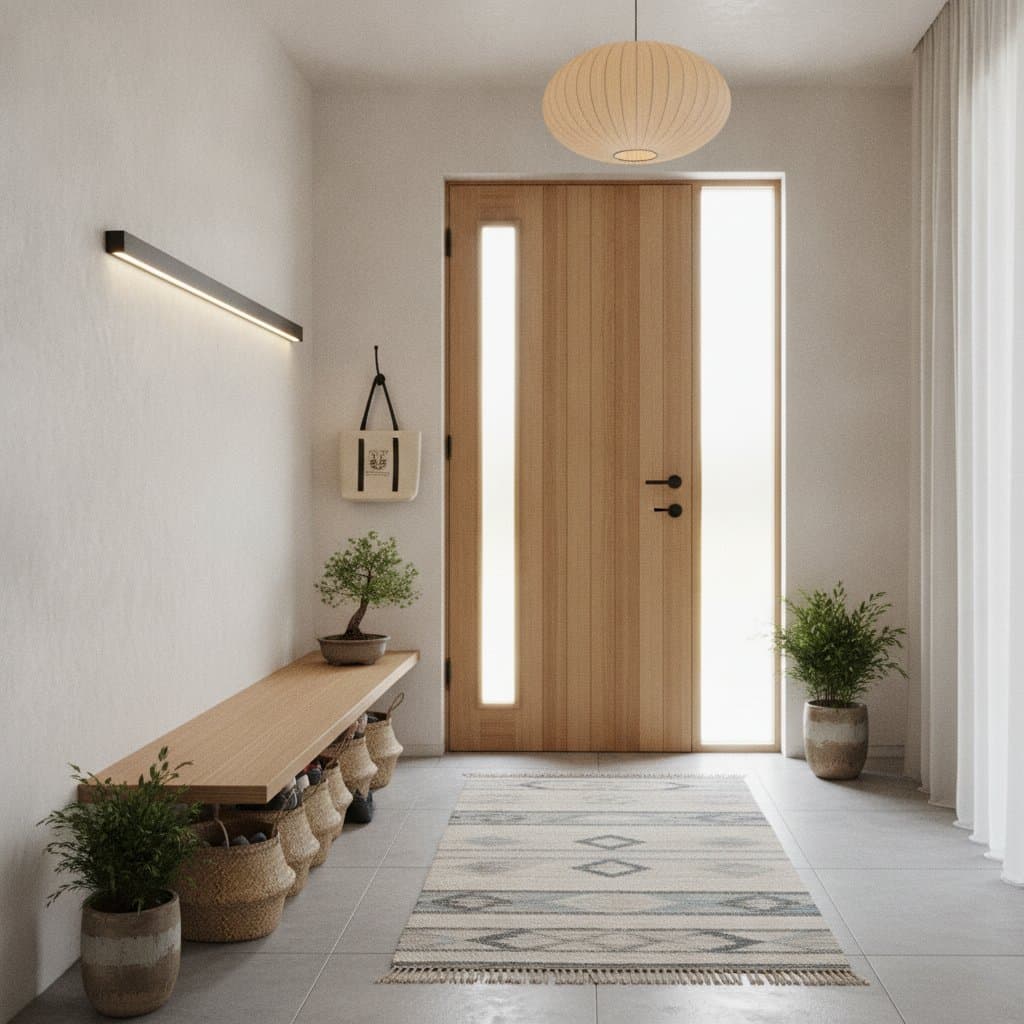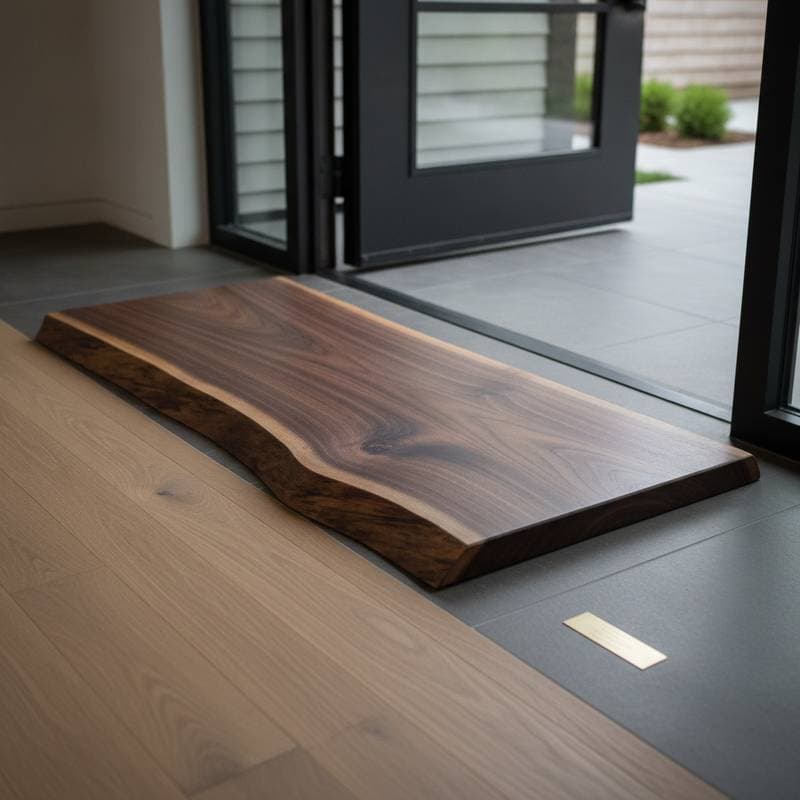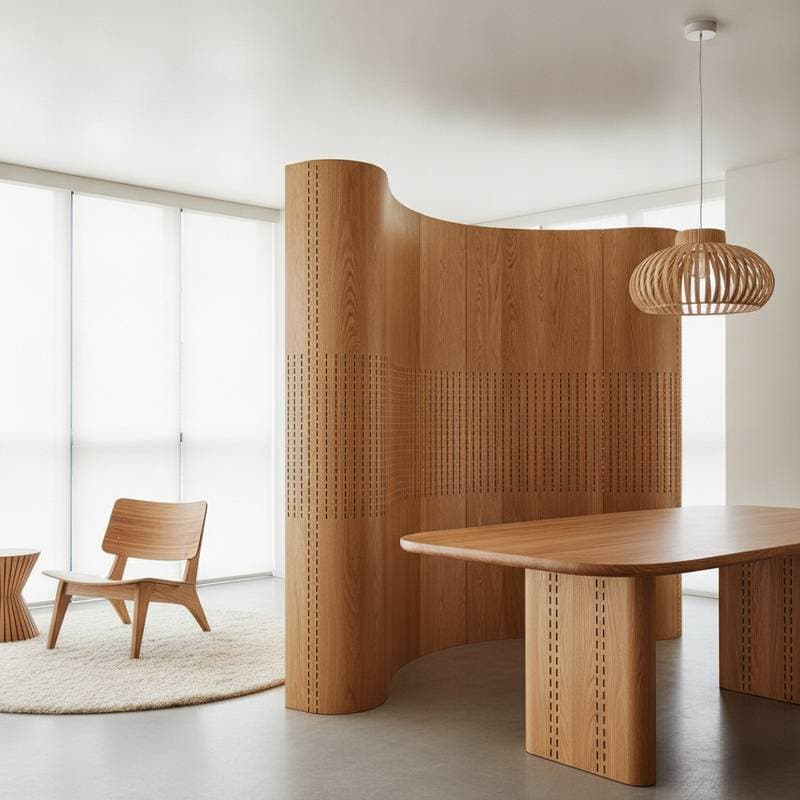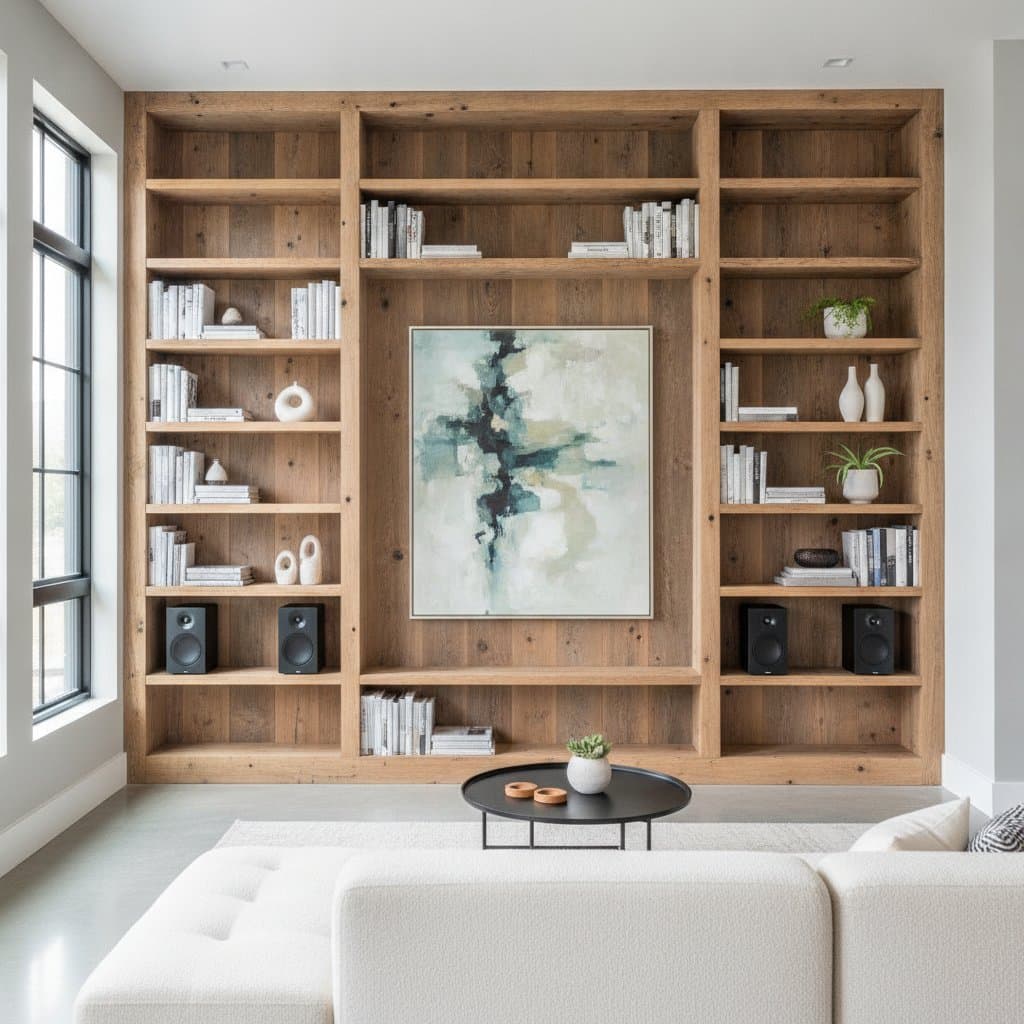
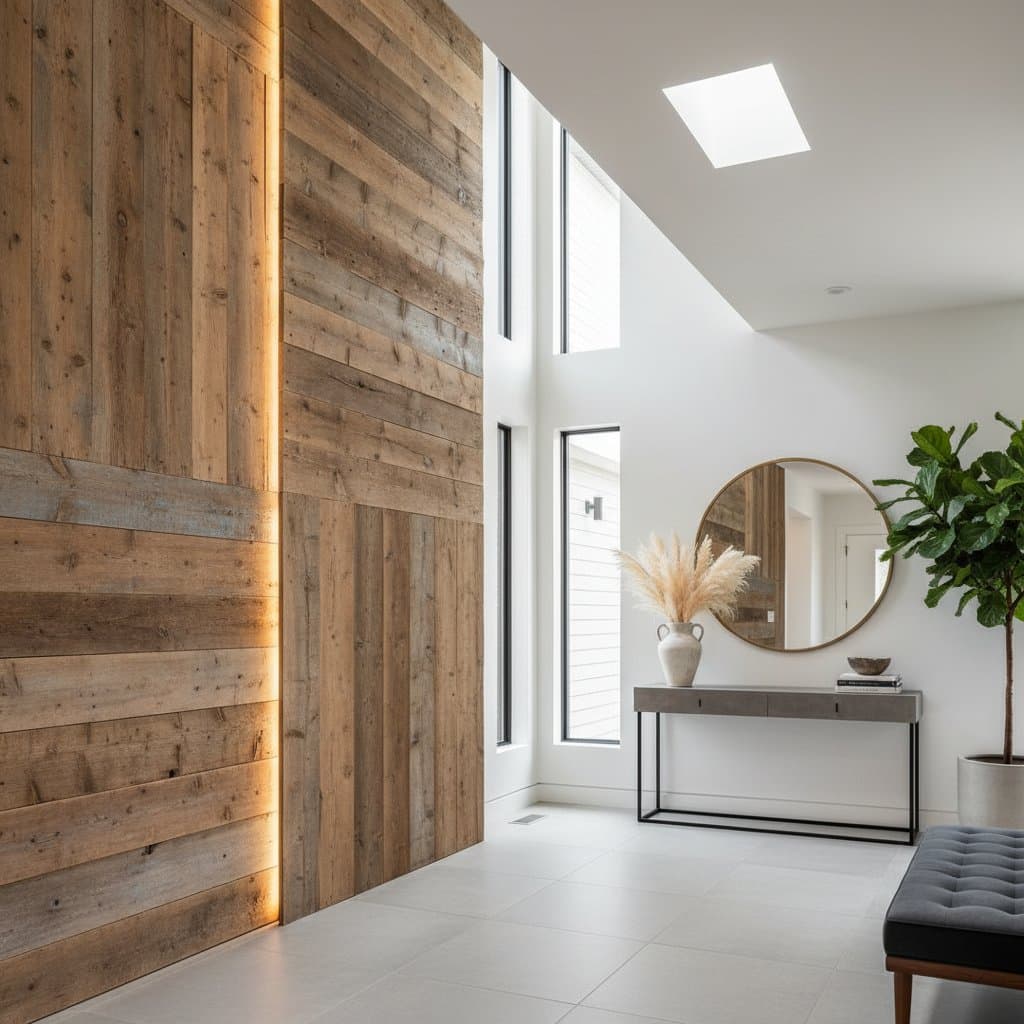
Reclaimed Barn Wood: The $8,000 Entryway Trend Combining Character and Craftsmanship
The entryway serves as more than a mere passage into the home. It establishes the overall atmosphere, influences initial perceptions, and subtly conveys the resident's aesthetic preferences. Reclaimed barn wood emerges as a standout material in today's design landscape, merging rustic appeal with refined architecture. Its textured surface, subtle patina, and inherent history form a visual narrative that appears both authentic and deliberate. Homeowners invest between $8,000 and $12,000 in such transformations, yielding benefits beyond aesthetics. This approach provides enduring strength, ecological benefits, and lasting allure that manufactured options fail to deliver.
Reasons Reclaimed Barn Wood Excels in Entryways
Reclaimed barn wood introduces genuine character to modern structures. Every board features unique color variations and grain patterns that processed wood lacks. These natural irregularities add layers of interest, infusing the space with a sense of established warmth. Architects apply it in diverse settings, such as farmhouse exteriors paired with dark window frames or sleek residences where aged timber offsets polished metal elements. Its adaptability allows it to temper bold edges, enrich subdued schemes, and anchor contemporary features like expansive glass panels.
As individuals prioritize personal expression alongside planetary care, reclaimed barn wood aligns perfectly. Sourcing from salvaged sources minimizes landfill contributions, safeguards historical buildings, and avoids fresh logging. The wood's inherent resilience ensures it endures prolonged exposure without diminishing its charm.
Three Strategies to Achieve This Aesthetic
Budget Strategy ($2,500 to $4,000)
- Material Options: Select siding panels or engineered planks designed to replicate barn wood's surface. Pre-applied finishes and water-resistant properties suit hands-on projects.
- Expense-Reduction Methods: Concentrate efforts on the door frame or a single feature wall instead of comprehensive resurfacing. Pair with economical fiberglass entries tinted to harmonize with the wood.
- Key Investment Areas: Allocate resources to superior exterior coatings and protective layers. These treatments prolong the viability of affordable selections and enhance realism.
Intermediate Strategy ($4,500 to $7,000)
- Hybrid Material Use: Employ true reclaimed barn wood for primary surfaces like the entrance panel or flanking sections, supplemented by fresh cedar or pine edging. This combination preserves artisanal quality at a moderated price.
- Functional Enhancements: Opt for thermally efficient wood or composite entries with glazed panels. Such choices unite form and utility.
- Valuable Design Additions: Integrate bespoke iron fittings or an overhead transom to amplify presence.
Premium Strategy ($8,000 to $12,000)
- Elite Material Applications: Install verified reclaimed barn wood across the full entry perimeter, encompassing the door, bordering, and overhead elements. Combine with tailored steel-encased glazing for dramatic effect.
- Sophisticated Details: Weave in rough-hewn supports, vintage fixtures, or embedded illumination that follows the wood's contours.
- Sustained Benefit Analysis: Expertly treated reclaimed wood withstands distortion and environmental stress. The superior execution and material integrity boost property appeal and structural uniqueness.
Guide to Materials and Finishes
- Window Recommendations: Aluminum frames in black or bronze tones pair seamlessly with reclaimed barn wood. For gentler aesthetics, painted wooden frames in neutral grays or soft whites work well. Casement or fixed styles offer streamlined silhouettes that complement the wood's roughness. Matte surfaces direct attention to the timber's organic qualities.
- Door Suggestions: Choose solid reclaimed varieties in oak, maple, or chestnut for substantial presence and longevity. Budget alternatives include fiberglass with textured overlays that imitate authenticity. Textured glass panels permit illumination while preserving seclusion. Fittings in subdued black or patinated bronze reinforce the period feel.
- Siding Pairings: Complement the entry highlight with sleek fiber cement or board-and-batten configurations in matching shades. Subtle colors such as faded gray, warm beige, or pale green temper the wood's intensity. Horizontal overlaps introduce gentle movement to the exterior.
- Edging and Highlights: Frame wooden areas with stone facings or slim metal strips. Trim painted in rich charcoals or creamy hues unifies the composition and provides stability.
Recommended Color and Finish Combinations
A thoughtful scheme accentuates the wood's surface and hue while fostering cohesion. Explore these pairings:
- Subdued Warmth: Aged oak, ivory panels, bronze accents, and neutral jointing.
- Bold Differentiation: Deep walnut, bright white borders, ebony frames, and stone accents.
- Grounded Serenity: Muted gray-brown timber, sage panels, beige edging, and raw metal details.
- Contemporary Rusticity: Light ash boards, dark slate siding, silvered fittings, and matte fixtures.
- Seaside Harmony: Faded sun tones, pale azure-gray exteriors, clean white lines, and earthy stone bases.
Essential Maintenance Insights
Reclaimed barn wood proves sturdy, yet it requires attentive handling. Prior environmental exposure builds its fortitude, but ongoing attention preserves its allure. The porous nature invites water absorption if unprotected, potentially causing color shifts or slight bends.
Exterior applications benefit from UV-resistant topcoats renewed biennially. These shields guard against bleaching and sustain vibrancy. Surface debris like particles or residues settles into textures, so soft cleansing with diluted detergent restores clarity. Steer clear of forceful sprays that strip away patina.
Interior placements, such as foyer panels or vaults, need little intervention. Routine wiping and occasional oil applications maintain luster. With appropriate barriers and care, this wood outlasts virgin stock, evolving its signature finish over time.
Common Pitfalls to Sidestep
- Excessive Application: Blanketing the whole front in reclaimed wood risks visual overload. Restrict to highlights like portals, verandas, or singular planes. Offset with even textures for equilibrium.
- Overlooking Local Conditions: Wood responds variably to humidity or dryness. Allow adaptation periods post-acquisition and monitor hydration to avert bends. Coastal zones favor oily species like cypress for superior defense.
- Bypassing Expert Preparation: Untreated boards may harbor contaminants or legacy coatings. Thorough decontamination, shaping, and sealing by specialists guarantee reliability.
- Forgetting Protective Layers: Exposed surfaces fade and weaken rapidly. Plan for regular reapplications, regardless of flawless initial results.
- Mismatched Accessories: Shiny metals disrupt the organic vibe. Favor dulled blacks, weathered bronzes, or forged irons for unity.
Pre-Project Documentation Essentials
Record the present setup meticulously before renovations commence. These visuals and observations aid in strategy, procurement, and collaboration.
- Exterior Images: Obtain broad and detailed views from varied perspectives, covering portals, openings, and outlines.
- Style and Current Features: Document fabrics, roof profiles, and existing shades to integrate new elements smoothly.
- Community Standards and Regulations: Certain areas constrain natural finishes or mandate hue clearances. Review policies upfront to prevent issues.
- Environmental Factors: Note exposure to light or dampness at the threshold. These details shape coating selections and endurance.
- Financial Boundaries: Pinpoint focal zones, be it portals, borders, or complete assemblies, for optimal spending.
- Strategic Focus Points: Determine high-impact zones for genuine wood, like entry faces or overhead spans.
Realizing Lasting Entryway Impact
Reclaimed barn wood thresholds embody stability and narrative depth unmatched by most alternatives. From subtle enhancements to comprehensive overhauls, the fusion of legacy, skill, and eco-consciousness yields a composed yet compelling facade. Residents value its tactile authenticity, though successful endeavors integrate aesthetics with functionality.
This $8,000 benchmark signifies evolving tastes toward narrative-driven, high-performing selections. Through deliberate preparation, practical upkeep, and defined vision, reclaimed barn wood elevates thresholds into emblems of enduring artistry. Success hinges on equilibrium, harmonizing heritage with innovation, and allowing the material's essence to steer the outcome.