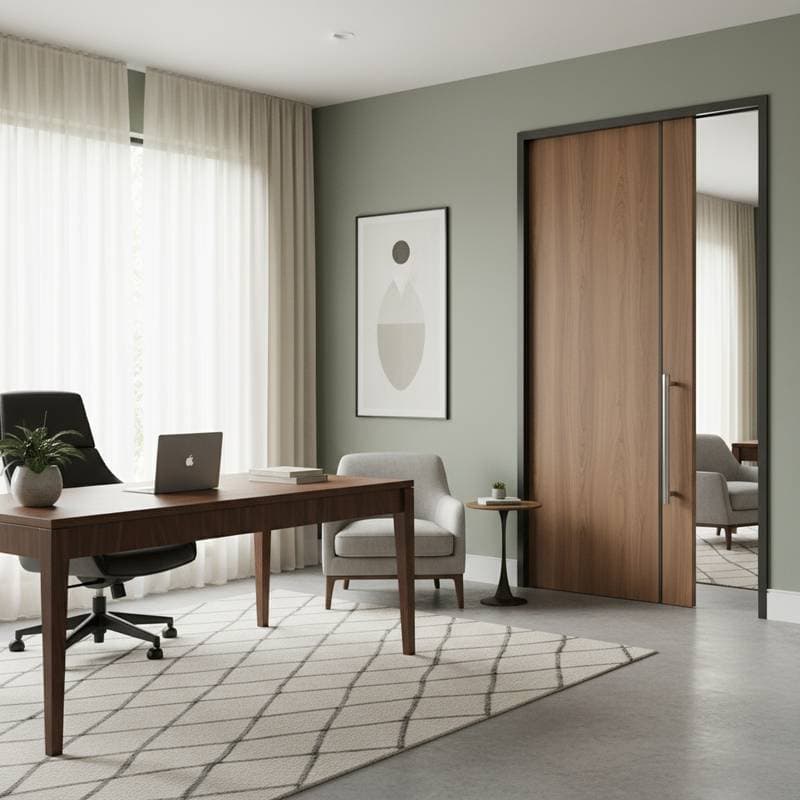
Acoustic Doors Cut Noise 85% for Productive Home Offices
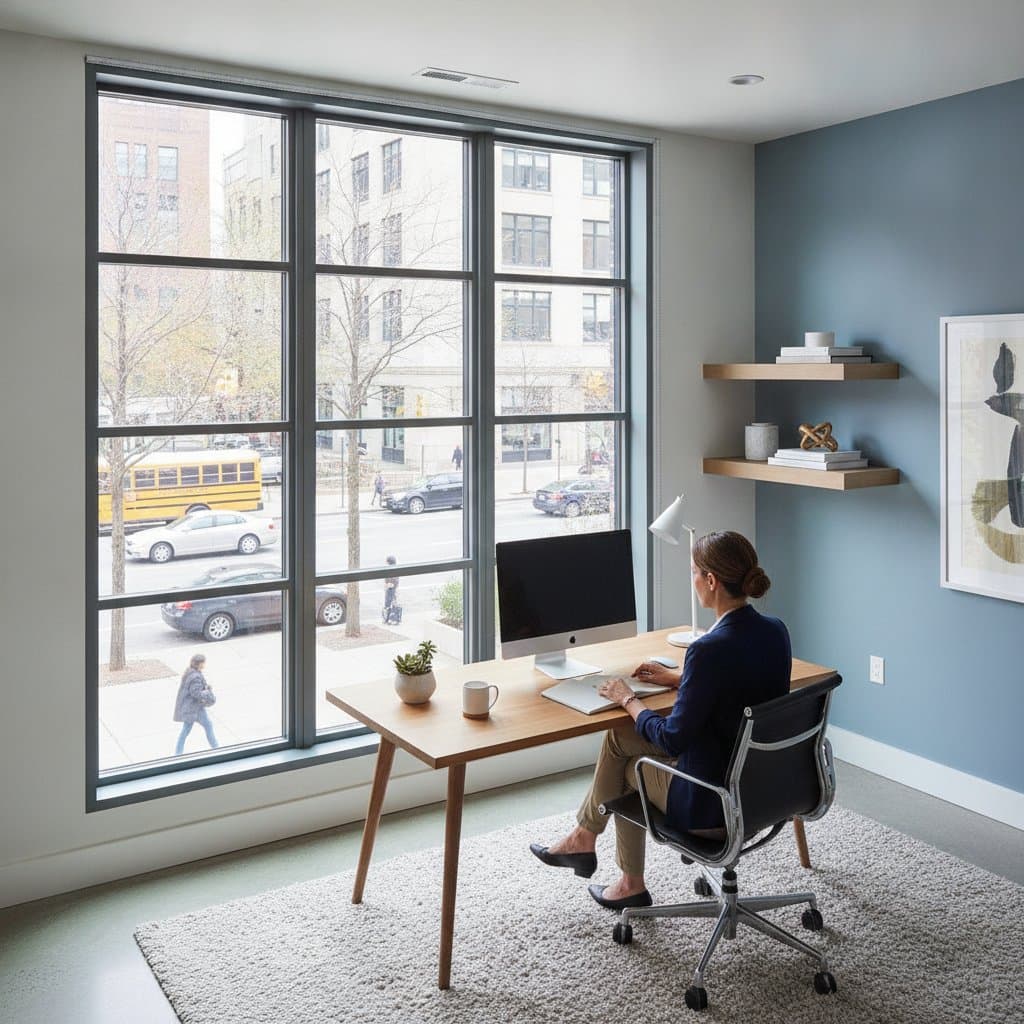
The home office has become a permanent part of many households. Noise from traffic, family activity, or appliances often interrupts concentration. Acoustic doors reduce sound transmission by up to 85 percent when installed correctly. They combine dense cores, precise seals, and attractive finishes to create a quieter workspace without sacrificing style.
Why Acoustic Doors Improve Focus
Standard hollow core doors allow sound to pass through easily. Acoustic models use solid cores, perimeter gaskets, and bottom seals to block airborne noise. Proper installation turns a shared room into a calm area suitable for calls and concentrated tasks. Modern options now match both traditional and contemporary interiors.
Budget, Mid Range, and Premium Solutions
Budget option (400 to 900 dollars)
- Select a solid core wood composite door.
- Add weatherstripping and an adjustable threshold seal.
- Apply a matte paint finish.
- Use quality hinges and ensure tight frame alignment.
Mid range option (900 to 1800 dollars)
- Choose a certified acoustic rated solid wood door.
- Install soundproof gaskets and an automatic drop seal.
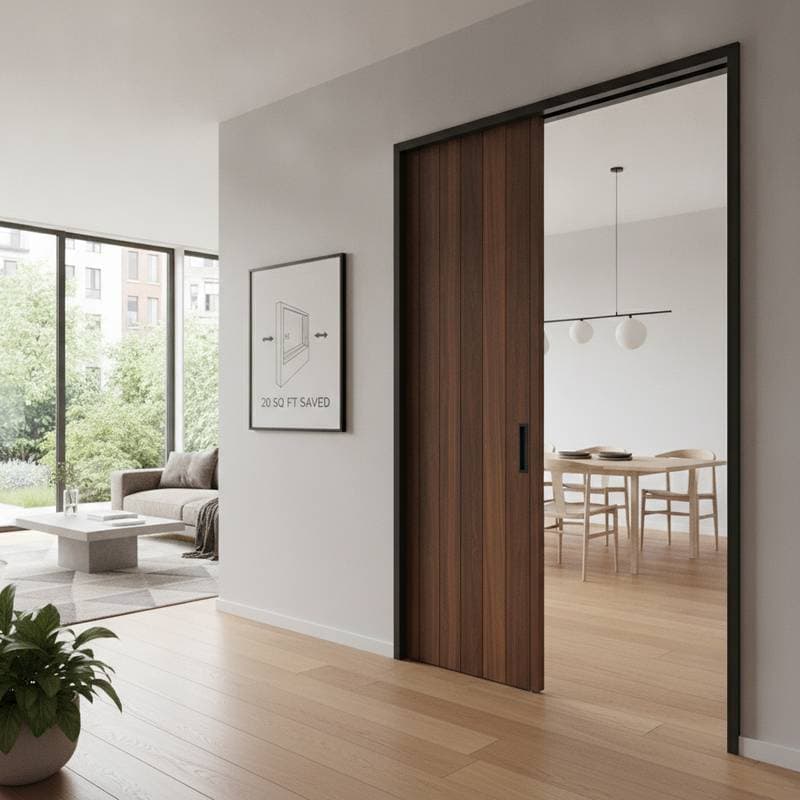
- Select a white oak or walnut veneer.
- Add soft close hardware to limit vibration.
Premium option (1800 to 3500 dollars)
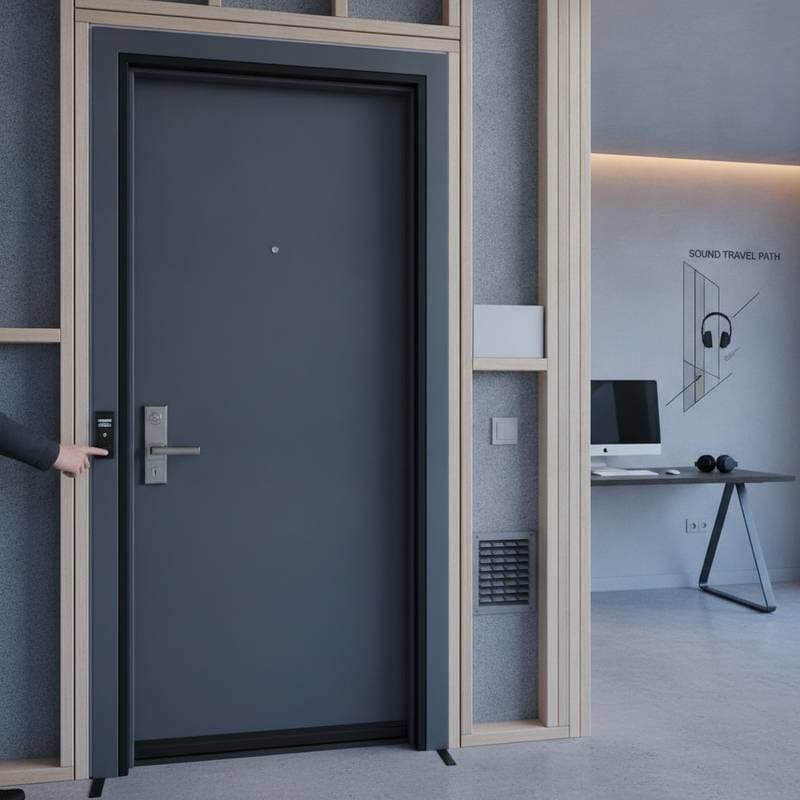
- Specify an STC rating above 40 with a sealed frame system.
- Include magnetic acoustic seals and integrated thresholds.
- Finish with premium veneers or custom colors such as charcoal gray.
- Fit concealed hinges and brushed nickel handles.
- Arrange professional installation for maximum isolation.
Material and Finish Choices
Acoustic doors are available in solid wood, MDF composite, and metal clad cores. Wood provides natural texture while composites deliver consistent performance at lower cost. Painted MDF in white, pale gray, or navy suits modern offices. Hardwood or steel frames with compressible gaskets create the necessary airtight barrier. Double or laminated glass inserts allow light while preserving sound control. Heavy hinges and solid lever handles reduce vibration and match surrounding hardware finishes.
Common Installation Errors to Avoid
Never place an acoustic door in a standard frame without matching seals. Small gaps under or around the door allow sound leaks. Confirm the STC rating instead of relying on vague marketing claims. Provide discreet vents to maintain airflow in sealed rooms. Professional installation prevents misalignment that reduces performance and voids warranties.
Coordinating Colors and Styles
Pair doors with warm neutrals such as greige or putty for a grounded feel. Cool tones like slate gray or fog blue work well in minimalist spaces. Natural walnut or oak stains add warmth to technology focused rooms. Deep forest green or navy accents define a dedicated office zone. Match hardware and trim to lighting and cabinetry for visual continuity. Matte finishes minimize fingerprints and glare.
Adapting to Different Home Styles
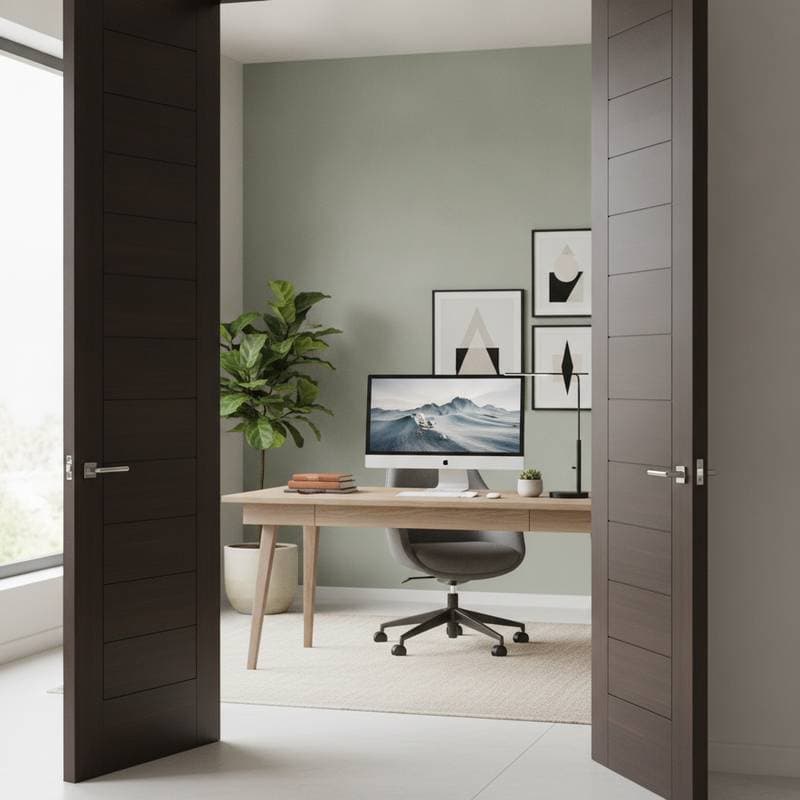
Flush doors with concealed hinges suit modern minimalist offices. Paneled wood with polished brass hardware fits classic interiors. Metal clad or dark stained wood complements industrial designs. Light ash finishes and simple lines support Scandinavian calm.
Long Term Value and Regional Considerations
Acoustic doors add resale appeal by creating usable multi purpose spaces. In humid climates, composite cores resist swelling. Drier regions benefit from periodic wood conditioning. Higher STC ratings and laminated glass help homes near roads or airports. Coastal properties require stainless steel or powder coated hardware to prevent corrosion.
Professional Installation Guidance
Basic solid core doors can be fitted by experienced DIYers. Acoustic models require exact alignment of seals, hinges, and thresholds. Professional installers use specialized tools to achieve proper compression and clearance. High end systems with integrated seals need expert fitting.
Planning Your Project
Photograph the existing door, frame, adjacent walls, floor levels, and light sources before purchase. These details help suppliers recommend correct sizes and finishes. Assess primary noise entry points and combine the door with rugs or curtains for broader sound control. The result is a workspace that supports both productivity and comfort.