Acoustic Doors: Enhancing Quiet in Contemporary Spaces
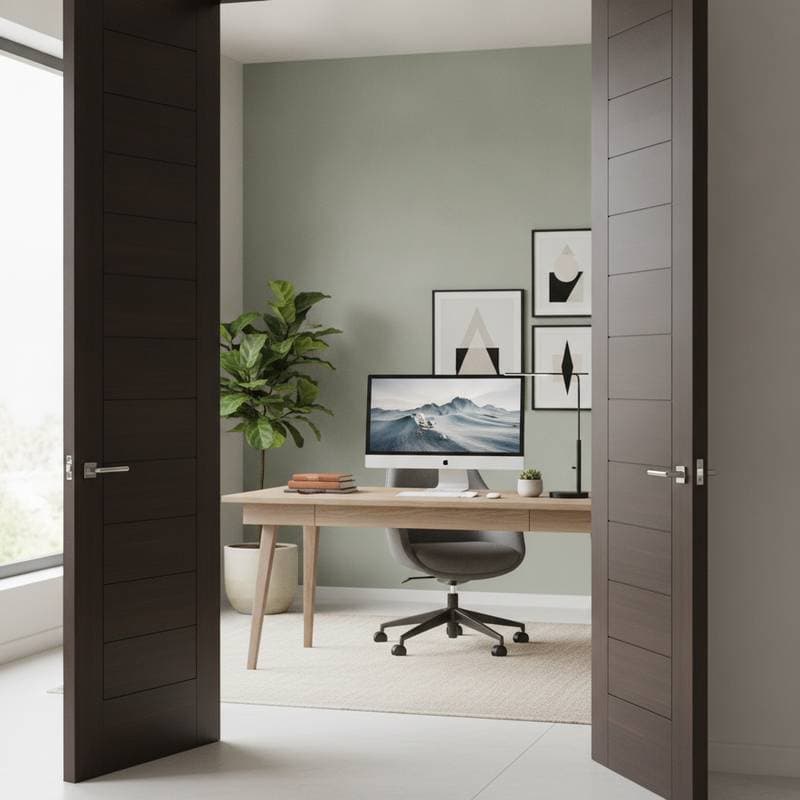
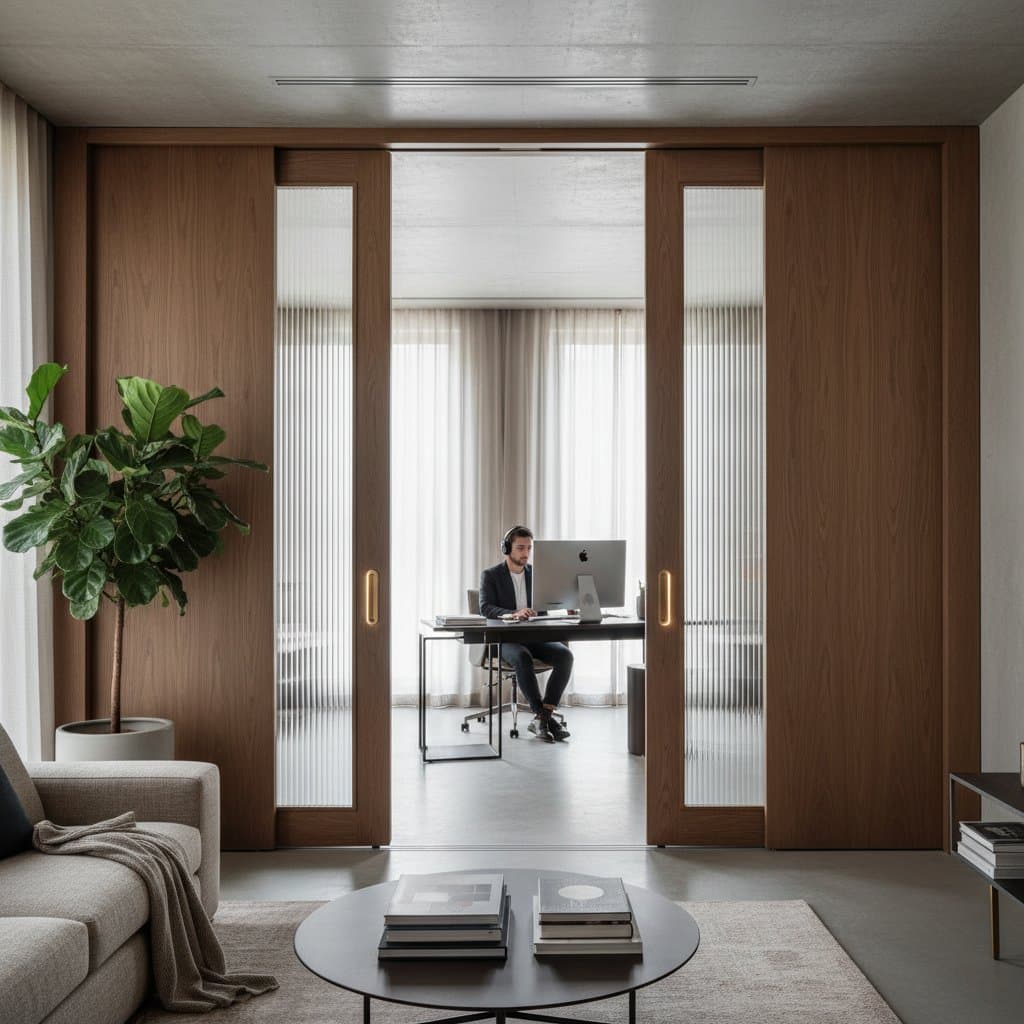
Acoustic doors represent a key advancement in interior design, prioritizing both comfort and seclusion. Open floor plans, dedicated home offices, and versatile living areas shape current architectural trends, making sound management as essential as illumination and spatial arrangement. These doors offer a sophisticated method to merge aesthetics with utility, enabling residents to preserve tranquility and concentration amid active surroundings.
Approaches to Implementation
Budget-Conscious Option ($700 to $1,500)
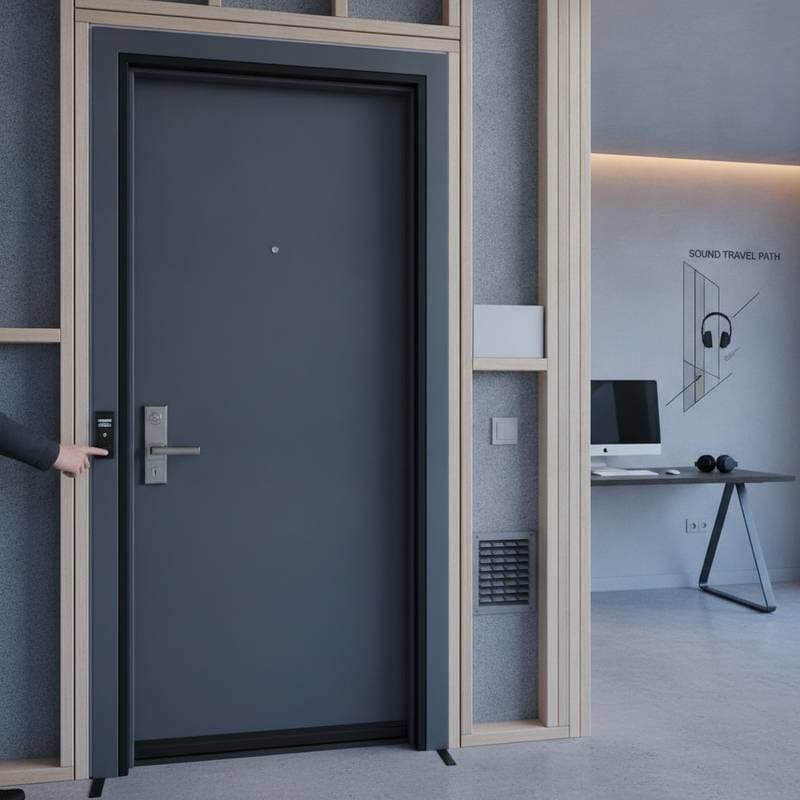
Select solid-core wood composite doors equipped with acoustic seals around the edges. Incorporate weatherstripping and automatic door bottoms to seal any potential sound pathways. Target upgrades in areas prone to disturbance, such as bedrooms or workspaces, to optimize results.
Intermediate Option ($1,500 to $2,800)
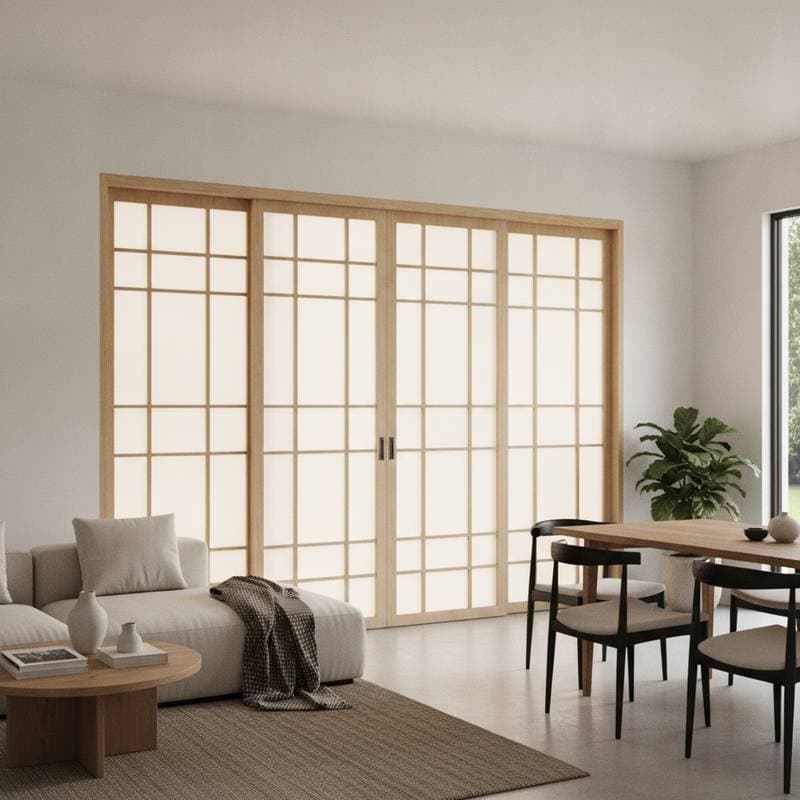
Choose engineered wood or veneered acoustic doors with sound transmission class ratings from 35 to 40. Integrate laminated glass panels to allow natural light while upholding seclusion. Employ durable hinges and seals that sustain efficacy over time and minimize vibrational noise.
Premium Option ($3,000 to $5,000)
Select solid hardwood or specialized-core acoustic doors certified for sound reduction exceeding STC 45. Pair with coordinated acoustic frames and thresholds for thorough containment. Customize with finishes, hidden hinges, or sidelights to achieve an integrated, high-performance appearance.
Guidance on Materials and Finishes
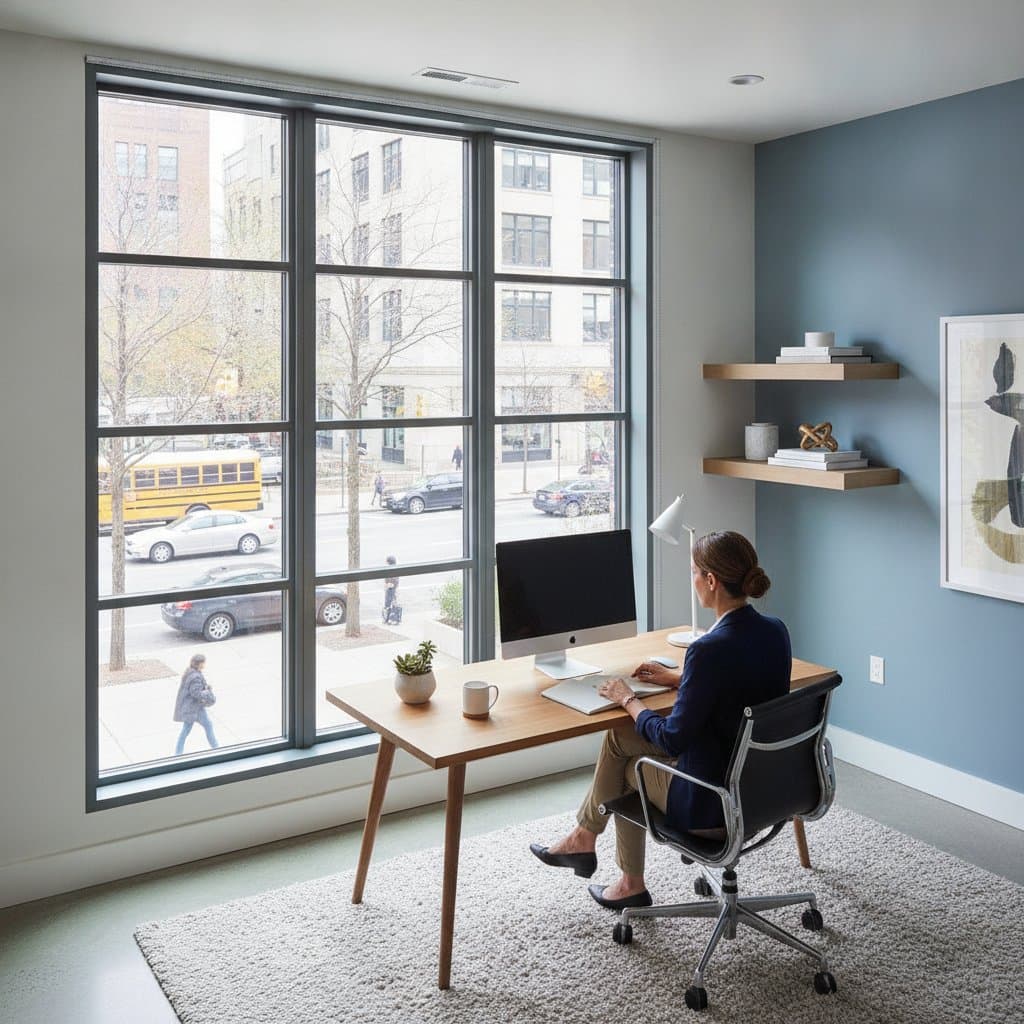
For windows accompanying acoustic doors, opt for double- or triple-glazed units with insulated frames. Finishes in dark bronze, black, or warm wood tones align with modern and transitional aesthetics.
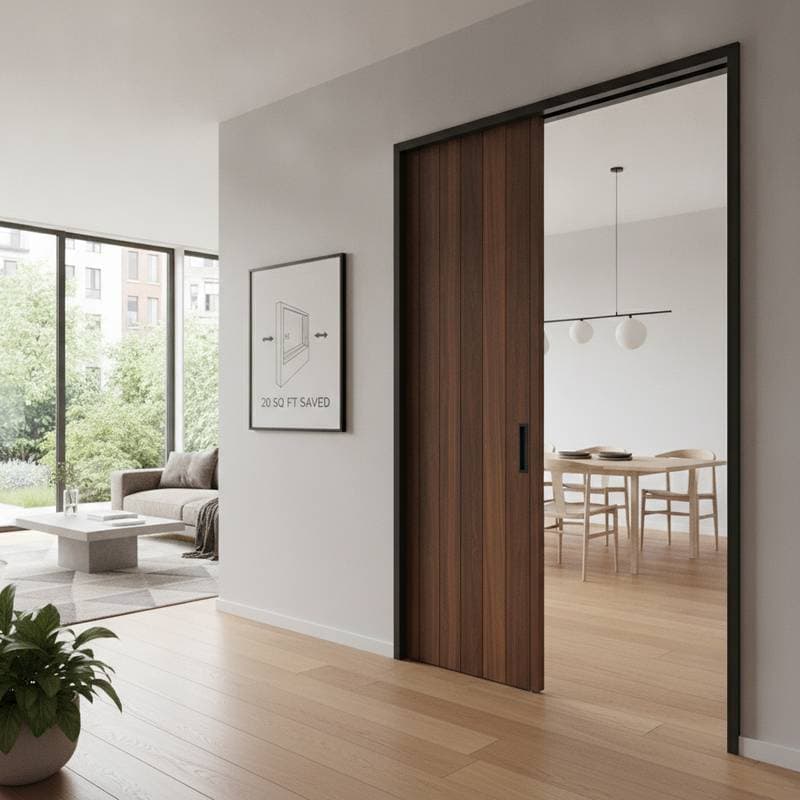
Doors benefit from solid-core constructions in oak, walnut, or painted medium-density fiberboard for a refined silhouette. Brushed nickel or matte black hardware suits diverse interior schemes. Laminated or acoustic glass inserts in doors diffuse sound while facilitating light passage.
In exterior contexts, fiber cement or engineered wood siding bolsters resilience and acoustic properties. Horizontal lap siding fits traditional structures, while smooth panels suit sleek designs.
Wide casings around doors and windows frame installations effectively and aid sound absorption. Painted options in subtle neutrals, such as warm gray or creamy white, integrate seamlessly across color schemes.
Essential Maintenance Practices
Properly installed acoustic doors demand little routine care. Regularly examine seals and automatic bottoms for deterioration. Remove dust from thresholds using a soft brush or vacuum to preserve seal integrity.
Clean wood surfaces with mild soap and water, then apply a coating-specific protective polish. Steer clear of abrasive chemicals that might harm acoustic components.
For glass elements, use gentle, non-abrasive cleaners to avoid surface damage. In moist climates, promote ventilation to safeguard seals and prevent wood expansion. Schedule hinge alignment checks every few years to ensure secure closure and eliminate sound infiltration.
Common Pitfalls to Sidestep
- Underestimating Seal Quality: A high-end door loses effectiveness without precise perimeter seals. Confirm that gaskets form even contact upon closing.
- Disregarding Frame Alignment: Fitting an acoustic door into a conventional frame diminishes its advantages. Install with a compatible acoustic-rated frame for uniform control.
- Overlooking Minor Gaps: Small spaces near hardware or thresholds permit substantial noise escape. Seal edges with acoustic caulk for a flawless result.
- Prioritizing Function Over Form: Concentrating only on acoustics can disrupt visual unity. Align finishes, hardware, and styles with surrounding elements for balanced design.
Aligning Colors and Styles
Acoustic doors come in diverse finishes adaptable to various aesthetics:
- Timeless Appeal: Natural walnut paired with satin nickel hardware for traditional settings.
- Bold Modernity: Matte black doors against white trim in minimalist environments.
- Serene Tones: Soft gray or greige shades for transitional interiors.
- Bright Simplicity: White oak veneer with glass elements for Scandinavian influences.
- Contemporary Grit: Charcoal painted doors with black hardware, complemented by concrete or metal details.
Preparation Checklist for Selection
Capture these elements prior to finalizing acoustic door choices:
- Photographs of existing exteriors and interiors from varied perspectives to evaluate light and scale.
- Overall architectural style to harmonize new additions with current features.
- Local neighborhood aesthetics and homeowners association guidelines influencing materials and colors.
- Regional climate factors, including humidity and temperature shifts, impacting durability.
- Financial limits and key areas where sound mitigation yields the most benefit.
Integrating Acoustic Solutions Effectively
Acoustic doors fuse innovative technology with polished visuals, empowering residents to regulate acoustics without compromising elegance. They suit modern apartments or classic residences alike, boosting seclusion and ease in a cohesive manner. Thoughtful choices in materials, finishes, and setup guarantee enduring functionality and aesthetic appeal.
Serene environments now serve as fundamental design principles, fostering wellness, efficiency, and repose. Tailoring acoustic doors to specific needs and resources cultivates spaces that deliver calm, utility, and refined completeness.