Unlocking Privacy: The Superiority of Electrochromic Glass in Door Design
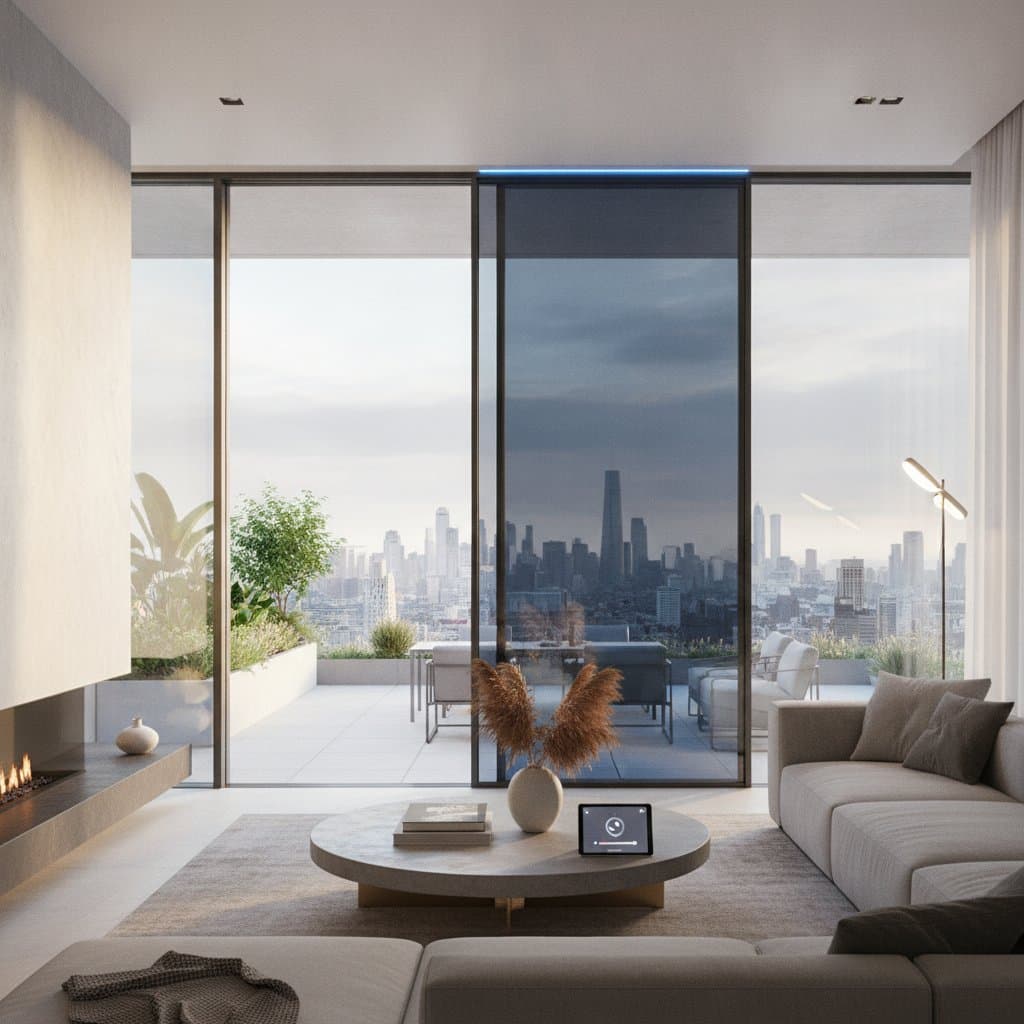
Design innovation increasingly relies on materials that respond to daily needs. Electrochromic glass, known as switchable glass, sets a new benchmark for privacy in door applications. This technology eliminates traditional blinds or etched panels by providing a smooth surface that adjusts transparency via a simple control.
Homeowners seeking equilibrium between visibility and seclusion find an optimal solution in this material. It permits abundant natural light while offering precise privacy management, free from visible mechanisms. Such versatility suits both exterior and interior doors, establishing elevated standards for intelligent and comfortable spaces.
The Design Advantages
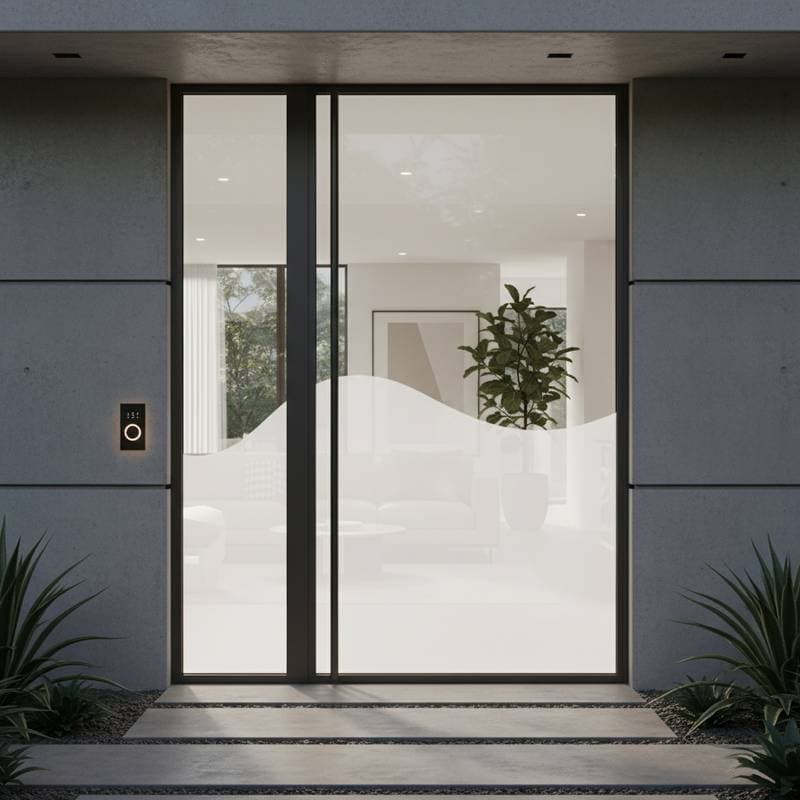
The technology excels through its understated elegance. The surface stays transparent for open views and transitions to an opaque state for seclusion. This shift appears modern without overpowering, harmonizing with frames of wood, metal, or composites.
In contemporary settings, it underscores sleek lines; in classic environments, it refines appearances by substituting cumbersome fixtures with polished panels. As residences embrace automation, these doors connect effortlessly to home systems. They activate via sensors for lighting or security, combining aesthetics with utility for a premium privacy experience.
Material and Finish Recommendations
Windows
Pair electrochromic glass with frames in black, bronze, or muted gray to balance its advanced nature. These shades anchor the look and suit varied exterior palettes, from bright to shadowed. In traditional homes, interior wood cladding tempers the modernity while preserving refinement. Opt for hardware in brushed nickel or matte black to emphasize geometric purity and textural interplay.
Doors
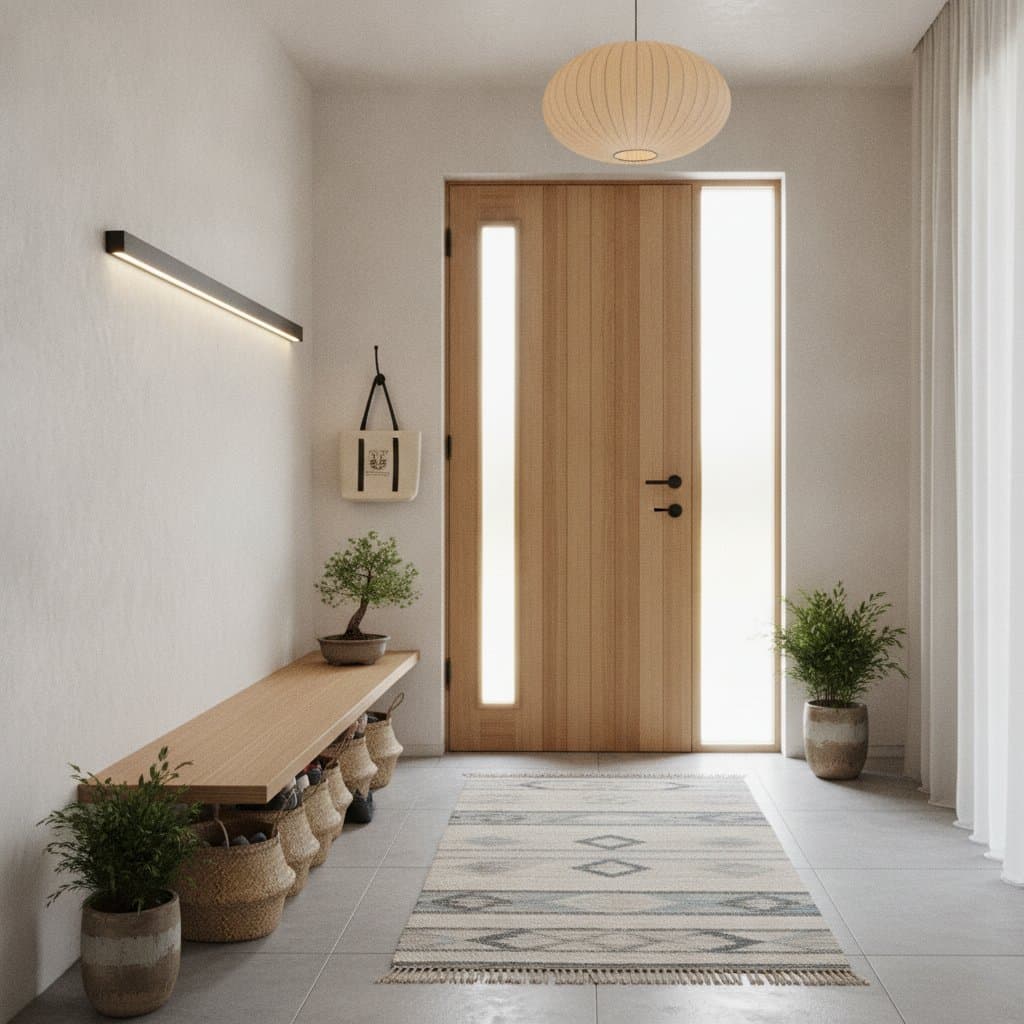
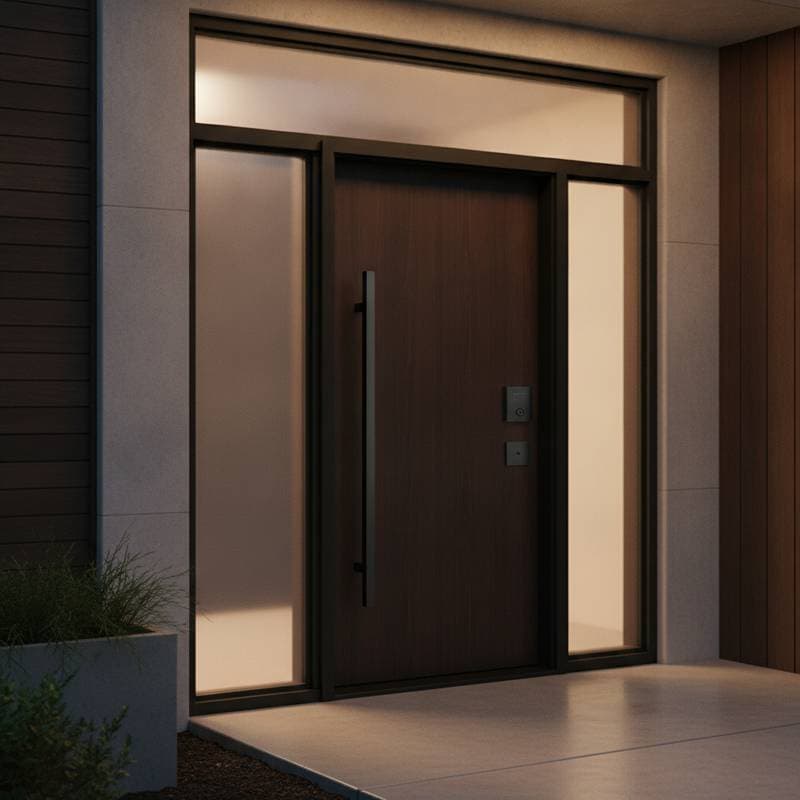
Align material choices with the home's architecture. Contemporary designs benefit from slender aluminum frames enclosing expansive glass areas to highlight minimalism. Transitional styles incorporate wood or wood-like composites for warmth alongside the functional panels. Extend the technology to sidelights or transoms for unified visual flow.
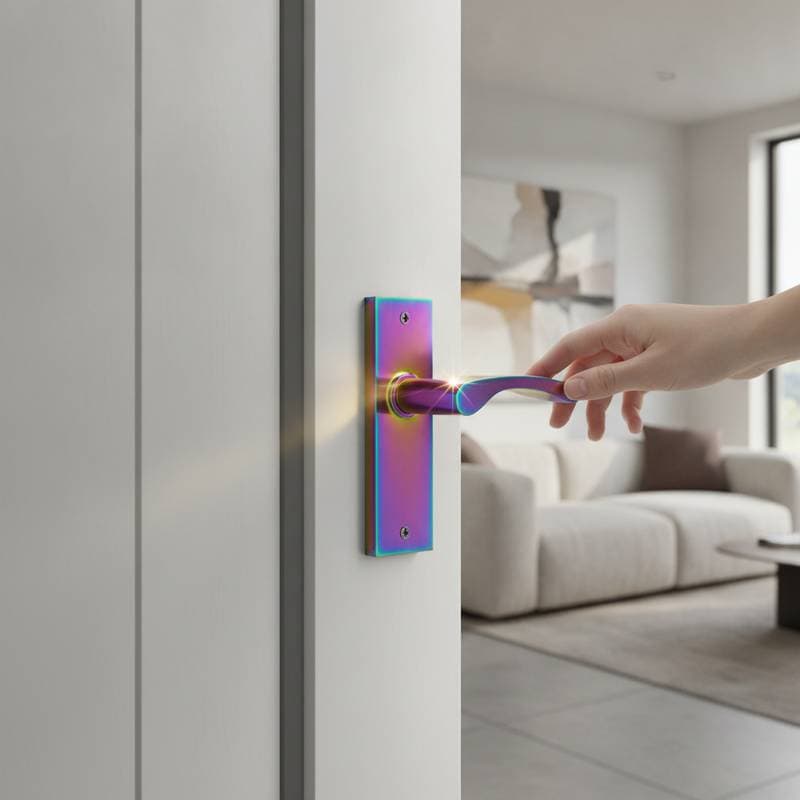
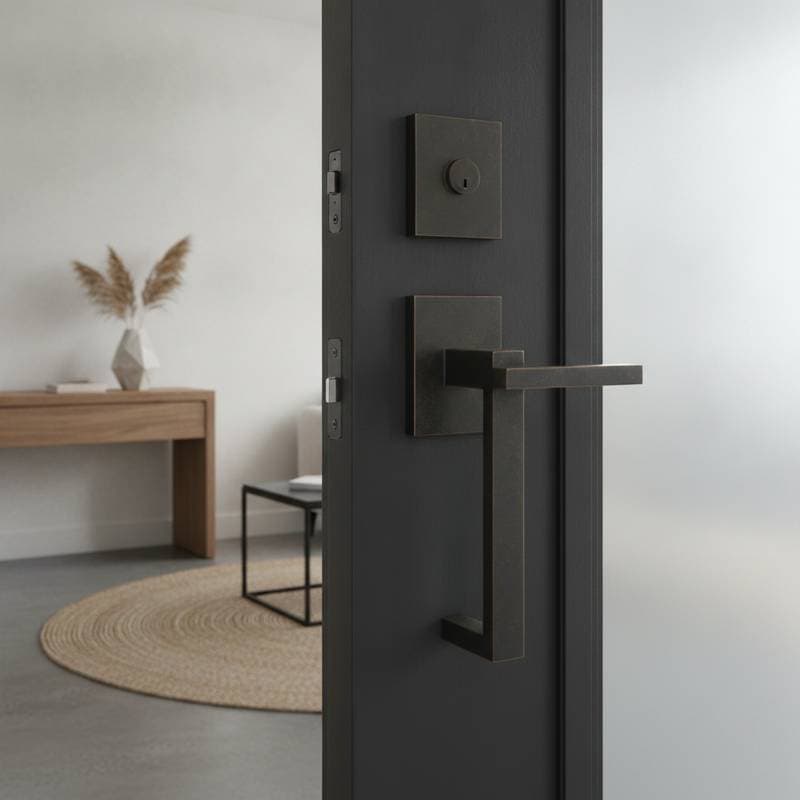
Hardware must enhance seamlessness. Straight-line lever handles, concealed hinges, and integrated locks preserve a flush silhouette. Harmonize finishes with window frames to achieve overall cohesion.
Siding
Position electrochromic doors against siding that is smooth or lightly textured for maximum impact. Materials like fiber cement, composite boards, or vertical wood siding integrate naturally with the pristine glass. Neutral hues such as pale white, slate gray, or earthy taupe allow the door to command attention. In progressive exteriors, deeper tones like charcoal or navy offer striking contrast without dominance.
Trim and Accents
Employ narrow trim to direct focus toward the glass. Coordinate trim hues with frame colors for seamless integration. Introduce accents such as brushed metal thresholds or slim LED edges that illuminate subtly during opacity changes.
Common Pitfalls to Avoid
- Excessive Additional Tinting: Applying dense tints atop electrochromic glass diminishes light penetration in transparent mode. Rely on the built-in functionality for privacy and apply only light tints if necessary.
- Compromising on Frame Durability: Placing advanced glass within substandard frames invites malfunctions. Select moisture-proof options with adequate insulation to safeguard the electronic components.
- Neglecting Power Infrastructure: Address wiring and supply needs during initial setup. Post-installation modifications prove expensive and disruptive.
- Inconsistent Hardware Aesthetics: Varied finishes across elements disrupt visual unity. Establish a single palette that aligns with glass and frame characteristics.
Adapting to Regional Climates
Electrochromic glass performance varies by environment. In warm climates, it curbs solar heat influx to maintain cooler interiors. In cooler regions, it reduces thermal escape when combined with insulated frames. Coastal installations gain from corrosion-resistant aluminum enclosures against saline exposure.
Arid areas require UV-protective layers to sustain glass clarity over time. Humid zones demand vigilant moisture management; composite or fiberglass frames outperform untreated wood in rainy conditions. These selections not only boost efficiency but also determine upkeep demands and system lifespan. Tailoring to local factors guarantees sustained reliability without degradation.
Essential Design Checklist
Prior to committing to an electrochromic door, evaluate these elements for integrated results:
- Identify Key Privacy Areas: Pinpoint spaces like bathrooms, studies, or entrances where variable transparency adds value.
- Choose Frame Materials: Align strength and style with environmental and aesthetic demands.
- Unify Hardware Selections: Select finishes that bridge indoor and outdoor components.
- Outline Power Connections: Specify manual switches, app controls, or smart hub linkages.
- Curate Color Schemes: Limit options to accentuate the glass's unadorned quality.
- Assess Efficiency Gains: Verify specs for thermal and luminous regulation.
These considerations yield designs that blend appeal with functionality and endurance.
Integrating Electrochromic Glass Effectively
Electrochromic glass reimagines door privacy through unified form, adaptability, and efficiency. It supplants layered coverings by embedding control directly into the entryway.
Suitable for sleek city dwellings or heritage homes pursuing contemporary ease, these doors sustain light's role in routines while safeguarding personal spaces.
Through meticulous preparation, material alignment, and precise execution, electrochromic glass elevates standard portals to smart architectural assets. It advances toward streamlined aesthetics, silent mechanisms, and enhanced habitation.