Why Smart Film Will Replace Blinds by 2026
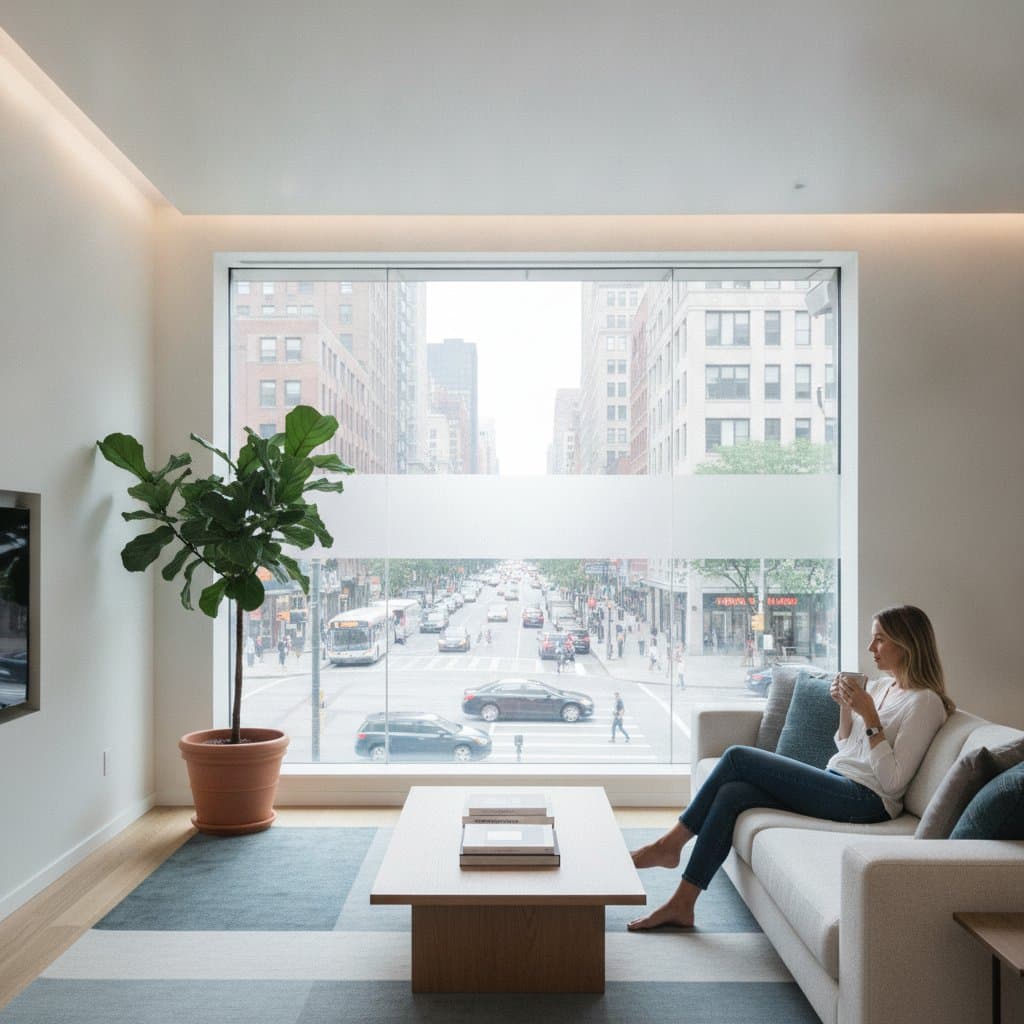
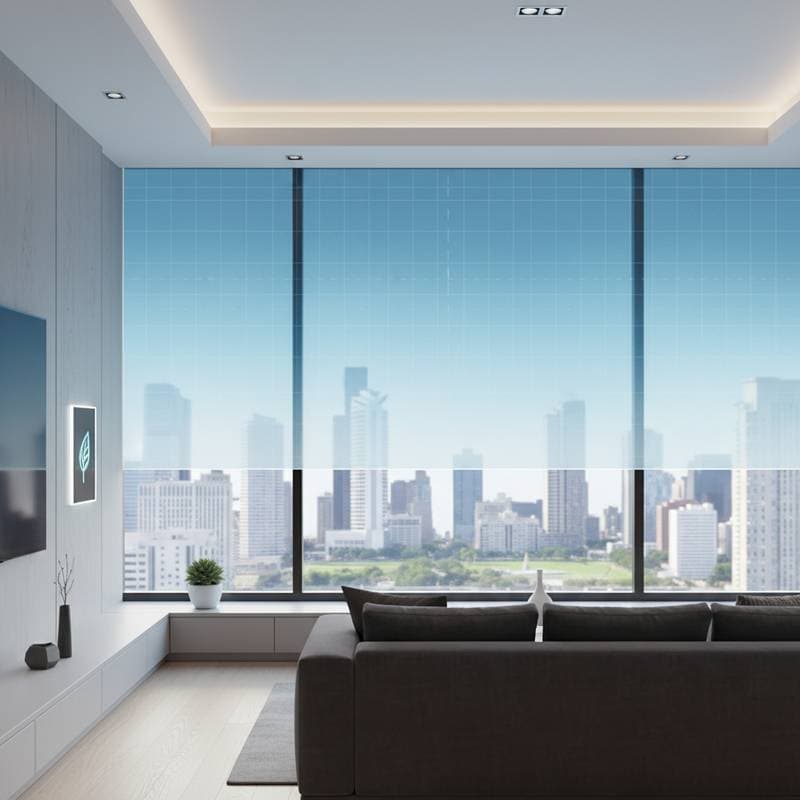
Window treatments have evolved significantly beyond traditional curtains and mechanical blinds. The rise of smart film technology reshapes how homeowners approach privacy, comfort, and energy efficiency. Known as electrochromic film or switchable privacy film, this innovation transforms any glass surface from transparent to opaque at the touch of a switch. As a result, blinds appear increasingly outdated, and by 2026, smart film stands poised to supplant conventional window coverings in most residential and commercial settings.
Costs and Project Overview
Installation costs for smart film depend on factors such as glass dimensions, film variety, and electrical integration. Homeowners typically invest between $25 and $45 per square foot, encompassing materials and professional labor. In contrast, high-quality motorized blinds range from $15 to $30 per square foot, yet demand regular upkeep and possess a shorter durability.
| Window Treatment Type | Average Cost per Square Foot | Typical Lifespan | Maintenance Level |
|---|---|---|---|
| Smart Film (installed) | $25 to $45 | 15 to 20 years | Minimal |
| Motorized Blinds | $15 to $30 | 7 to 10 years | Moderate |
| Manual Blinds | $6 to $15 | 5 to 8 years | High |
Despite the elevated initial expense, smart film delivers superior long-term value through reduced maintenance and extended service life. It adheres directly to existing glass, bypassing cords, tracks, and components prone to dust accumulation or mechanical failure.
The Mechanics of Smart Film
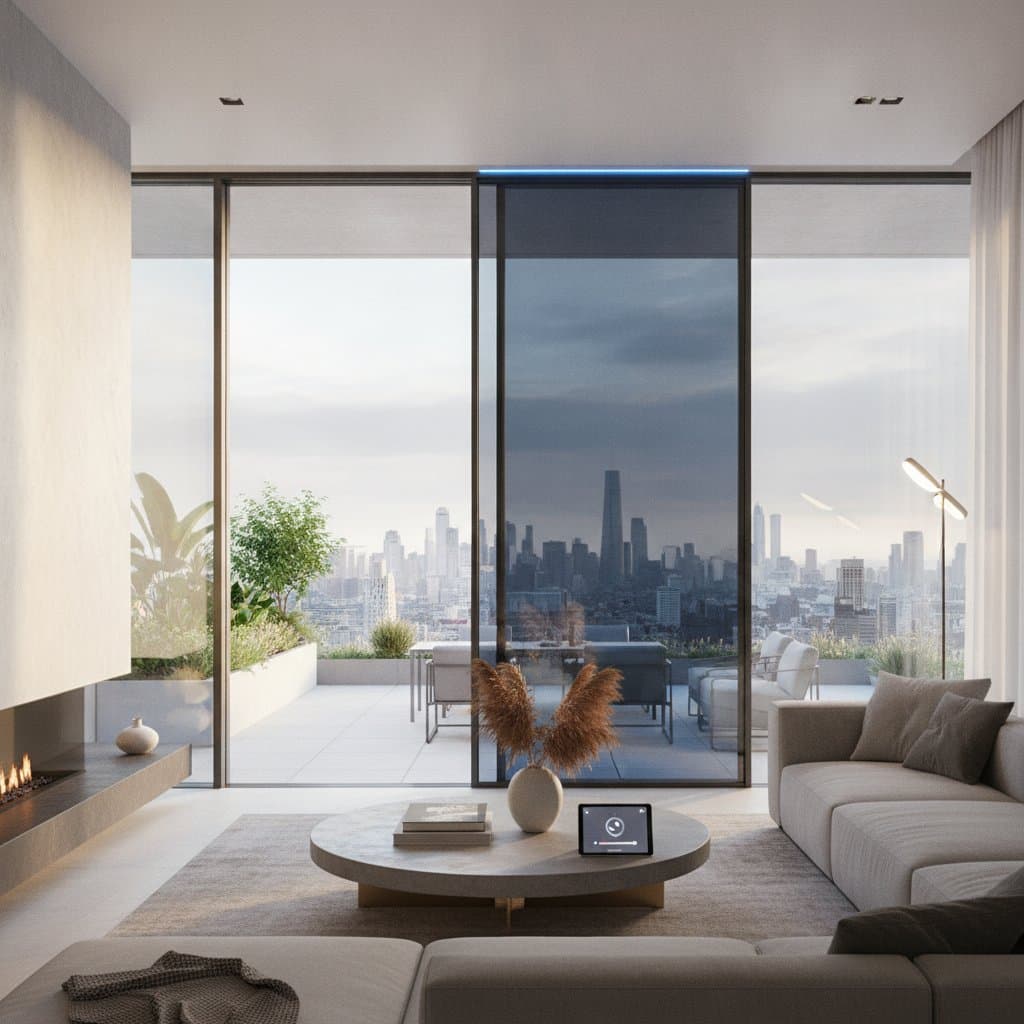
Smart film incorporates a slender layer of electrochromic material encased between protective sheets. Application of electricity aligns the particles to permit light transmission, yielding a clear vista. Discontinuation of the current scatters the particles, rendering the surface opaque. This electrical process enables precise regulation of privacy and illumination without manual intervention.
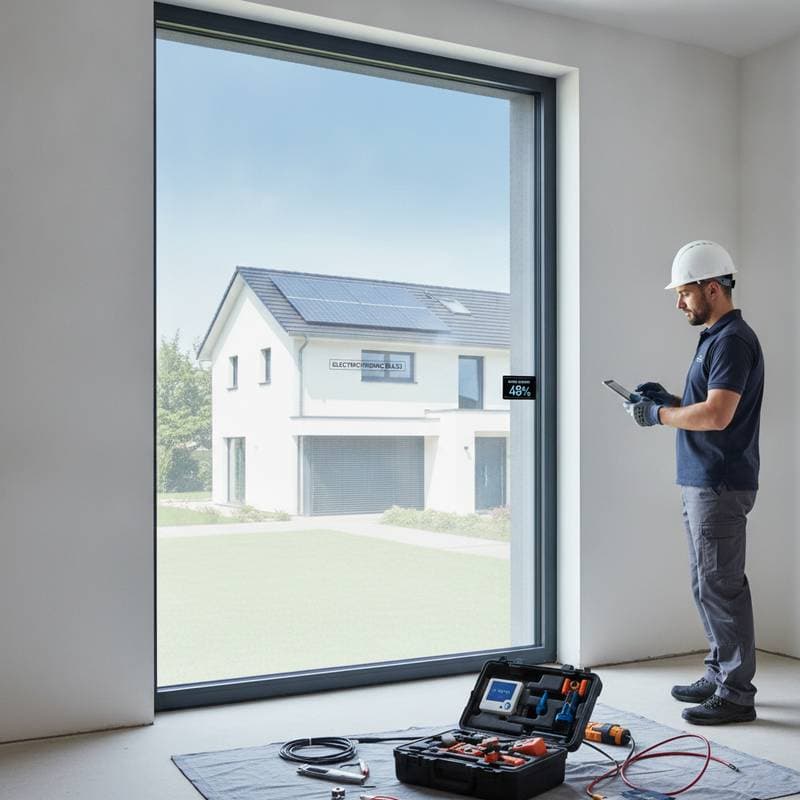
Professionals apply the film to current glass or embed it within new privacy glass assemblies. Connection occurs via a low-voltage power source, operable through switches, remotes, or smart home ecosystems. Certain variants feature sensors that modulate opacity according to ambient light or scheduled times.
Shortcomings of Blinds and Superiority of Smart Film
Blinds have provided reliable service for generations, yet they present notable limitations relative to smart film. Dust accumulation, gradual deterioration, and the necessity for frequent adjustments or costly automation diminish their appeal. Smart film addresses these concerns by forgoing physical elements altogether.
Principal drawbacks of blinds:
- Maintenance demands: Regular dusting removes accumulated particles and allergens.
- Mechanical degradation: Slats, cords, and motors frequently malfunction or seize.
- Insulation constraints: Energy conservation remains limited without enhanced glass systems.
- Visual encumbrance: Hardware imparts a cumbersome or antiquated appearance to windows.
Distinct benefits of smart film:
- Streamlined aesthetics: It preserves a pristine, contemporary profile that enhances any decor.
- Rapid privacy activation: Transition from clear to frosted occurs instantaneously.
- Thermal regulation: It obstructs ultraviolet rays and mitigates heat ingress.
- Automation compatibility: Seamless linkage with intelligent home networks enables effortless operation.
Elements Affecting Smart Film Expenses
Multiple variables determine the total expenditure for smart film projects. Awareness of these allows precise budgeting and informed selection.
| Cost Factor | Description | Cost Influence |
|---|---|---|
| Window Size | Expansive surfaces demand greater film coverage and connections | Elevates overall expense |
| Film Type | Options range from basic toggle to variable tint or chromatic variants | Increases by $5 to $10 per sq. ft. |
| Electrical Setup | Incorporation of wiring for controls and supply | Adds $200 to $600 |
| Glass Condition | Pre-existing flaws may necessitate pane renewal | Adds $50 to $150 per pane |
| Installation Complexity | Irregular forms or extensive arrays require specialized handling | Extends labor duration |
James Porter, a certified installer at SmartView Technologies, observes, "Homeowners often express surprise at the efficiency of the procedure. Projects conclude within a single day, delivering an instantaneous upgrade from cumbersome shades to effortless button-activated privacy."
Varieties of Smart Film Materials
Manufacturers offer diverse smart film formulations tailored to specific needs. While some prioritize seclusion, others emphasize tint modulation or solar mitigation. The following outlines prevalent choices.
| Smart Film Type | Cost Range per Sq. Ft. | Features | Best Use |
|---|---|---|---|
| Standard On/Off Film | $25 to $35 | Binary opaque-to-clear switching | Offices, bathrooms, bedrooms |
| Dimmable Film | $35 to $45 | Graduated opacity adjustment | Living areas, meeting rooms |
| Solar Control Film | $30 to $40 | Infrared and UV light filtration | South-facing exposures |
| Color-Tinted Film | $40 to $50 | Aesthetic enhancement with privacy | Commercial displays, contemporary residences |
Property owners may combine film types for optimized performance. For instance, dimmable variants suit communal spaces, while standard films suffice for private zones, balancing utility and economy.
Enhancements in Energy Use and Indoor Comfort
Beyond privacy substitution, smart film elevates thermal management and occupant well-being. In opaque configuration, it deflects solar radiation to curb heat buildup, thereby diminishing air conditioning demands in summer. Transparent mode admits daylight, curtailing reliance on electric illumination.
Research by energy specialists indicates that electrochromic applications can reduce heating, ventilation, and air conditioning consumption by up to 20 percent in optimized installations. This fosters stable interior climates and alleviates equipment stress. Additionally, the film's lamination imparts modest acoustic insulation for quieter environments.
Step-by-Step Installation Guide
Most residential smart film projects span one to two days. The sequence proceeds as follows:
- Assessment and preparation: Technicians measure panes and cleanse surfaces for optimal adhesion.
- Film placement: Application employs electrostatic or adhesive methods to secure the material.
- Power integration: Wiring links the film to a low-voltage system.
- Control configuration: Interfaces such as switches or apps undergo testing.
- Verification: Uniform functionality and appearance receive final approval.
Compatibility with in-place glass minimizes disruptions, often obviating permits. Expansive or non-standard windows may complicate wiring, though routines remain efficient.
Upkeep and Durability
Smart film demands negligible routine care relative to blinds. Gentle wiping with ammonia-free cleaners suffices for surface maintenance. Sealed construction resists humidity, prolonging operational integrity. Low-voltage electronics minimize degradation and energy draw.
Vendors extend warranties spanning 10 years or longer, safeguarding against performance decline or component issues. Blinds, by comparison, seldom endure a decade without renewal.
Synergy with Home Automation Platforms
Smart film's affinity for intelligent ecosystems represents a pivotal advancement over blinds. Integration with platforms like Alexa or Google Home facilitates voice commands. Scheduling aligns opacity with routines, such as dimming for evening entertainment or clarifying at dawn.
Such automation yields fluid daily interactions unattainable with mechanical alternatives.
Bolstered Privacy and Safety Features
This technology affords immediate visibility management. Opaque activation ensures total obscurity from external views, even under interior illumination, suiting sensitive areas like restrooms or professional offices.
Unlike blinds, which permit light seepage through slats, smart film establishes an impenetrable screen. Removal of cords and fixtures further mitigates hazards to children and animals.
Sustainability and Ecological Impact
Smart film advances eco-conscious building practices by optimizing energy profiles and curtailing waste. Blinds frequently contribute to landfill burdens after brief use, whereas smart film endures with infrequent renewal. Emerging recyclable compositions further diminish footprints.
Combined with insulated glazing, it bolsters efficiency ratings, potentially accessing rebates or certifications for green initiatives.
Selecting Smart Film for Optimal Results
Opt for smart film when prioritizing ease, style, and tech-enhanced livability. It excels in sleek, modern settings emphasizing unobstructed views. Commercial venues benefit from adaptable transparency in displays or collaborative areas.
Blinds retain viability for interim solutions or wiring-challenged sites. For enduring residences, however, smart film provides unmatched practicality and elegance.
Ideal scenarios for adoption:
- Ongoing renovations or new constructions involving windows.
- Efforts to eliminate upkeep and visual disorder.
- Incorporation into automated home infrastructures.
- Pursuit of sustained thermal and ultraviolet safeguards.
Potential Hurdles and Mitigation Strategies
Smart film, though advanced, carries caveats. Upfront costs exceed those of blinds, and execution necessitates skilled professionals. Proximity to electrical outlets proves essential, potentially inflating expenses in legacy structures.
Inferior products risk developing inconsistencies like haze. Mitigation involves partnering with established providers, sampling prototypes, and scrutinizing guarantees prior to project commencement.
Market Trajectory and Professional Perspectives
Elena Ruiz, product manager at ClearView Glass Systems, notes, "Interest surges across residential and commercial sectors. Smart film transitions from premium option to essential component in contemporary architecture."
Safeguarding Long-Term Performance
To maximize returns on smart film, conduct periodic inspections for electrical integrity and film uniformity. Professional servicing every few years ensures sustained efficacy. This proactive approach preserves the investment's privacy, efficiency, and aesthetic contributions for decades.