Electrochromic Windows: Costs Range from $600 to $1,200 Per Square Foot
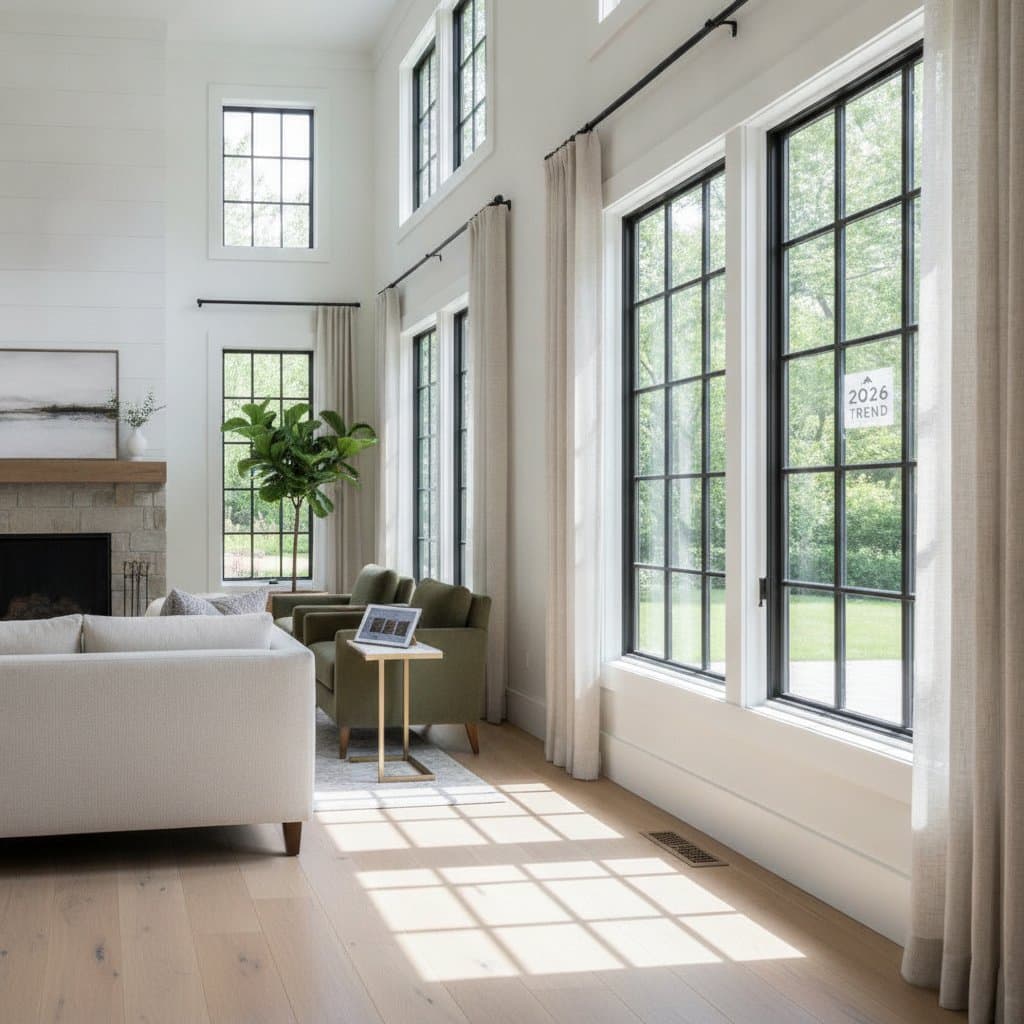
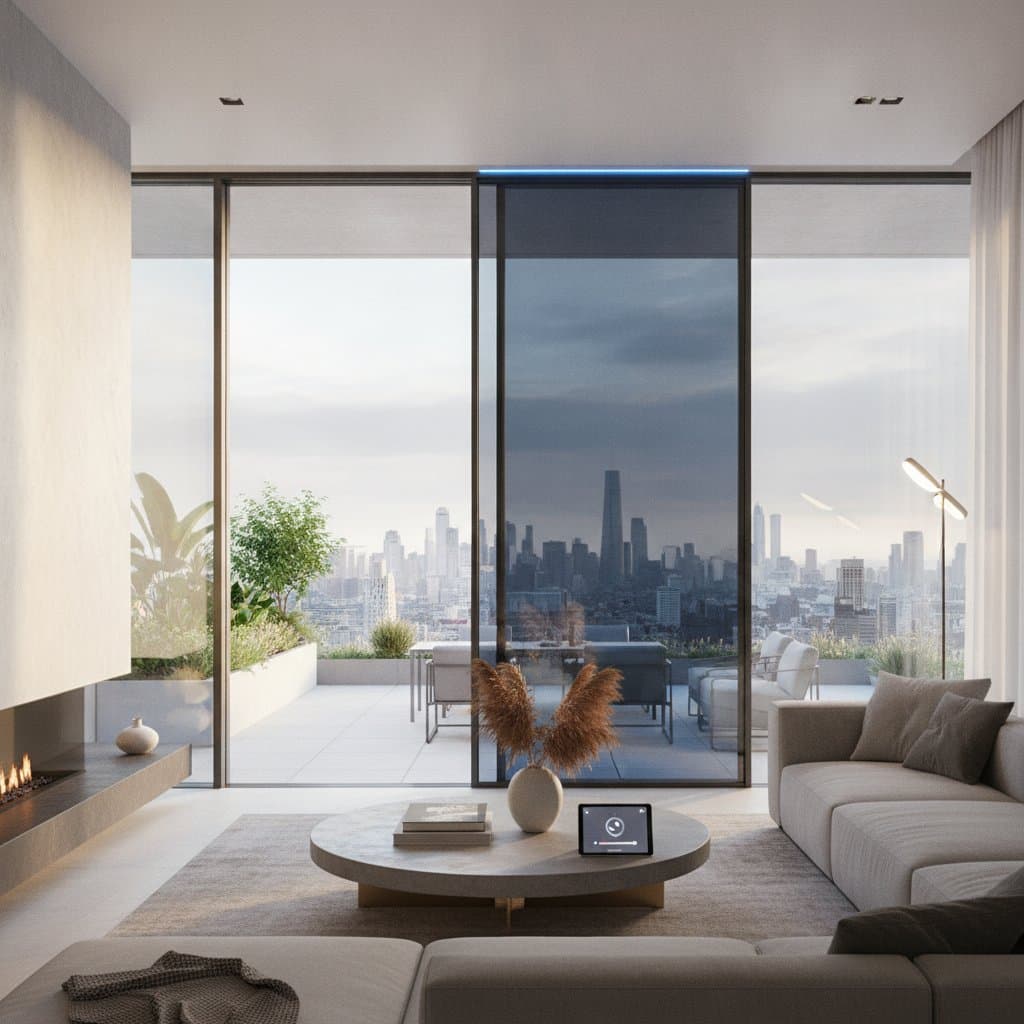
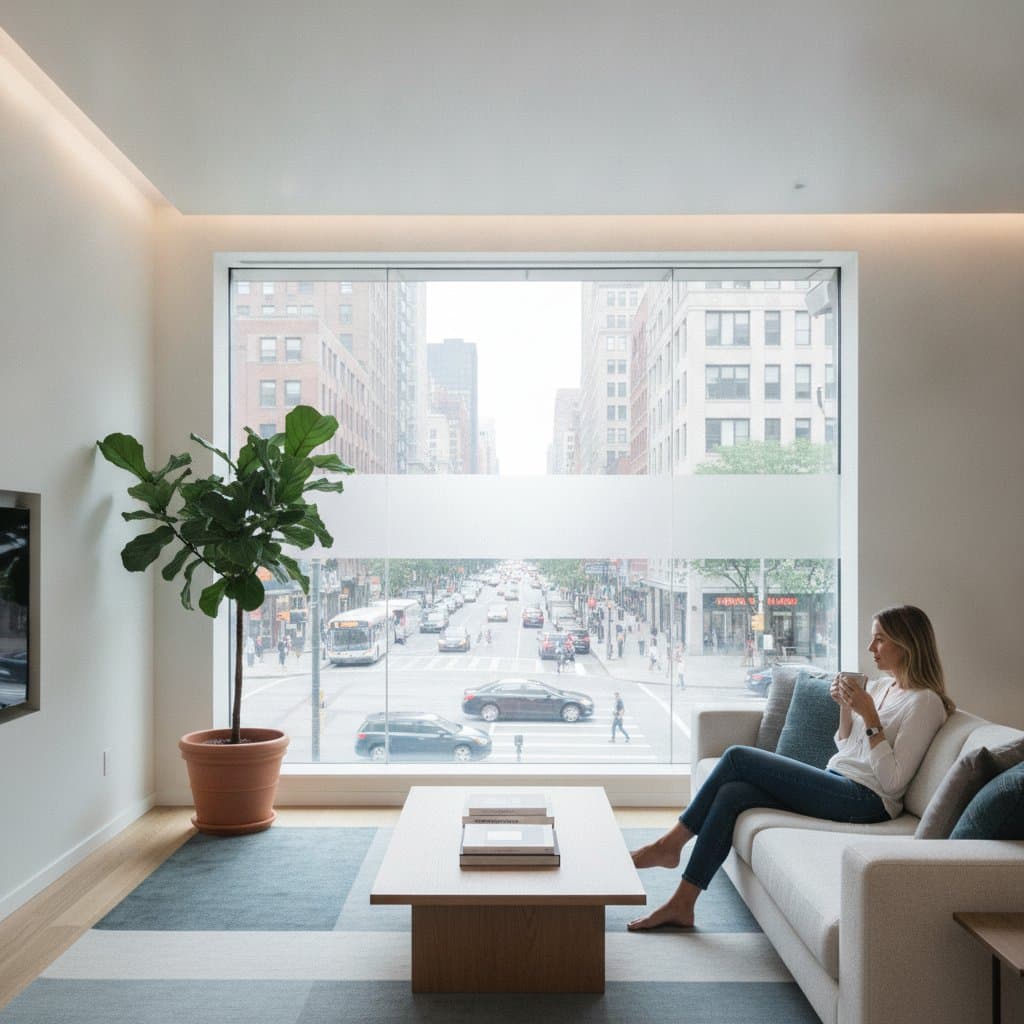
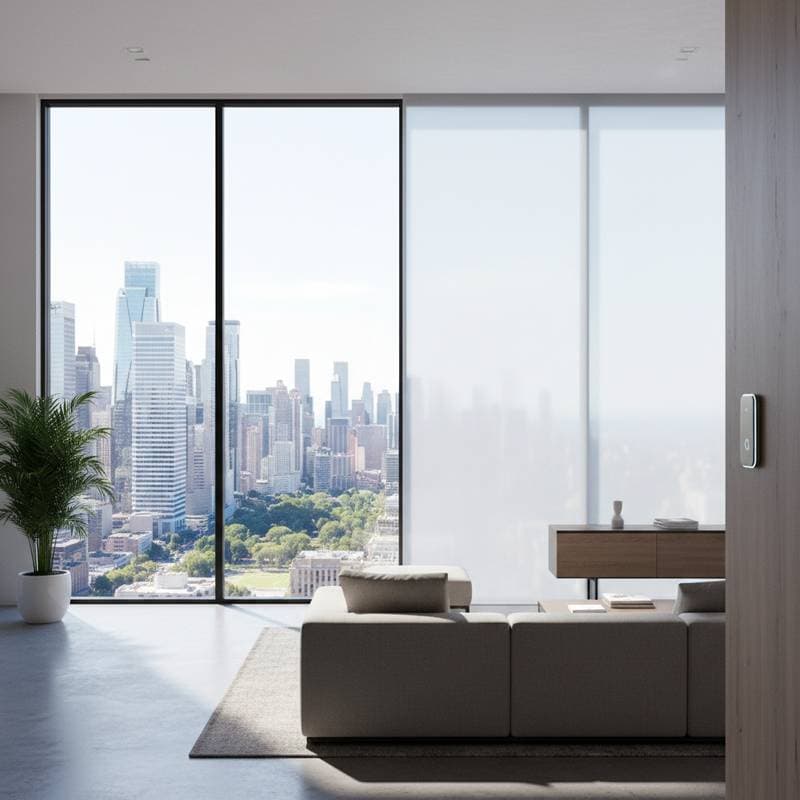
Electrochromic windows represent a cutting-edge advancement in home technology. These smart glass solutions allow users to adjust tint levels electronically, shifting from transparent to opaque with a simple control. This innovation provides precise control over light, privacy, and temperature, making it a popular choice for contemporary residences.
The technology works by applying a voltage to the glass, which triggers ions to move and alter the material's opacity. Clear views during the day can transition to privacy at night, all without mechanical shades. Beyond aesthetics, these windows contribute to energy efficiency by reducing heat gain and loss, potentially lowering utility bills over time.
Understanding the Cost Structure
The price of electrochromic windows typically falls between $600 and $1,200 per square foot, depending on several variables. This range reflects the premium materials and sophisticated engineering involved. For a standard 3-foot by 4-foot window, expect to pay around $7,200 to $14,400, though larger installations scale accordingly.
Several factors influence the final cost:
- Glass type: Double-pane units with low-emissivity coatings cost more but improve efficiency by minimizing heat transfer.
- Size and customization: Larger panels or custom shapes increase material expenses and fabrication time.
- Tint levels and features: Advanced models with multiple opacity settings or integration with smart home systems add to the price.
- Installation complexity: Retrofitting into existing frames can be more labor-intensive than new construction, often requiring structural modifications.
- Power supply integration: Some systems require hardwiring, while others use plug-in transformers, affecting electrical setup costs.
Your installer can help determine if your existing electrical layout supports the system or if upgrades are needed. Budget an additional 20 to 30 percent for installation and any necessary electrical work.
Benefits Beyond the Price Tag
Investing in electrochromic windows yields multiple advantages that justify the expense. Energy savings arise from reduced reliance on air conditioning and heating, as the glass blocks up to 99 percent of UV rays and regulates solar heat. Studies indicate potential reductions in cooling costs by 20 to 30 percent in sunny climates.
Privacy features eliminate the need for curtains or blinds, offering a clean, modern look. The seamless operation enhances daily convenience, particularly in homes with open floor plans. Additionally, these windows boost property value, appealing to buyers seeking smart home integrations.
Durability is another strong point. The glass withstands typical weather conditions and comes with warranties ranging from 10 to 20 years on functionality. Unlike traditional shades, there are no moving parts to wear out, ensuring long-term reliability.
Installation Process
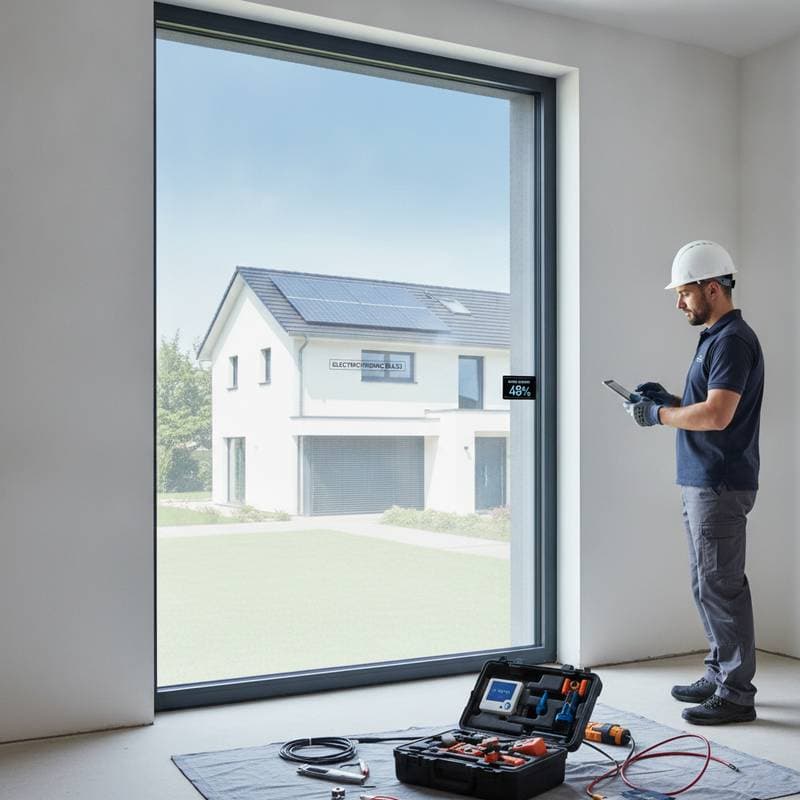
Professional installation is highly recommended for electrochromic windows. The wiring and control setup must be done correctly to ensure safe operation and optimal performance. Most projects take one to three days, depending on the number of windows and site complexity.
Installers begin by measuring each opening precisely and preparing the frames. They then integrate the control system, which may involve app-based remotes, voice activation, or automated scheduling. Throughout the process, technicians verify that the glass is sealed properly and that all electrical connections are insulated and code-compliant.
Post-installation, a thorough testing phase confirms even tinting and responsiveness. Homeowners receive guidance on operation and troubleshooting basics. Choosing certified professionals minimizes risks and maximizes warranty coverage.
Maintenance Essentials
Maintenance for electrochromic windows is minimal, preserving their low-upkeep appeal. Clean the glass with standard window cleaners and a soft cloth to avoid scratches. Avoid abrasive materials that could damage the coating.
Homeowners should periodically check the control system and power connections for consistent performance. Inspect annually for any signs of wear, such as flickering or delayed response. If a window fails to switch or appears uneven in tint, it may require recalibration or a replacement control module, often covered under warranty.
Regular upkeep ensures the system operates efficiently for decades. Simple habits, like dusting controls and ensuring stable power, prevent most issues.
Ideal Applications for Electrochromic Glass
Electrochromic windows suit areas where privacy and light control are priorities. Consider them for:
- Bathrooms and bedrooms, where instant opacity enhances seclusion.
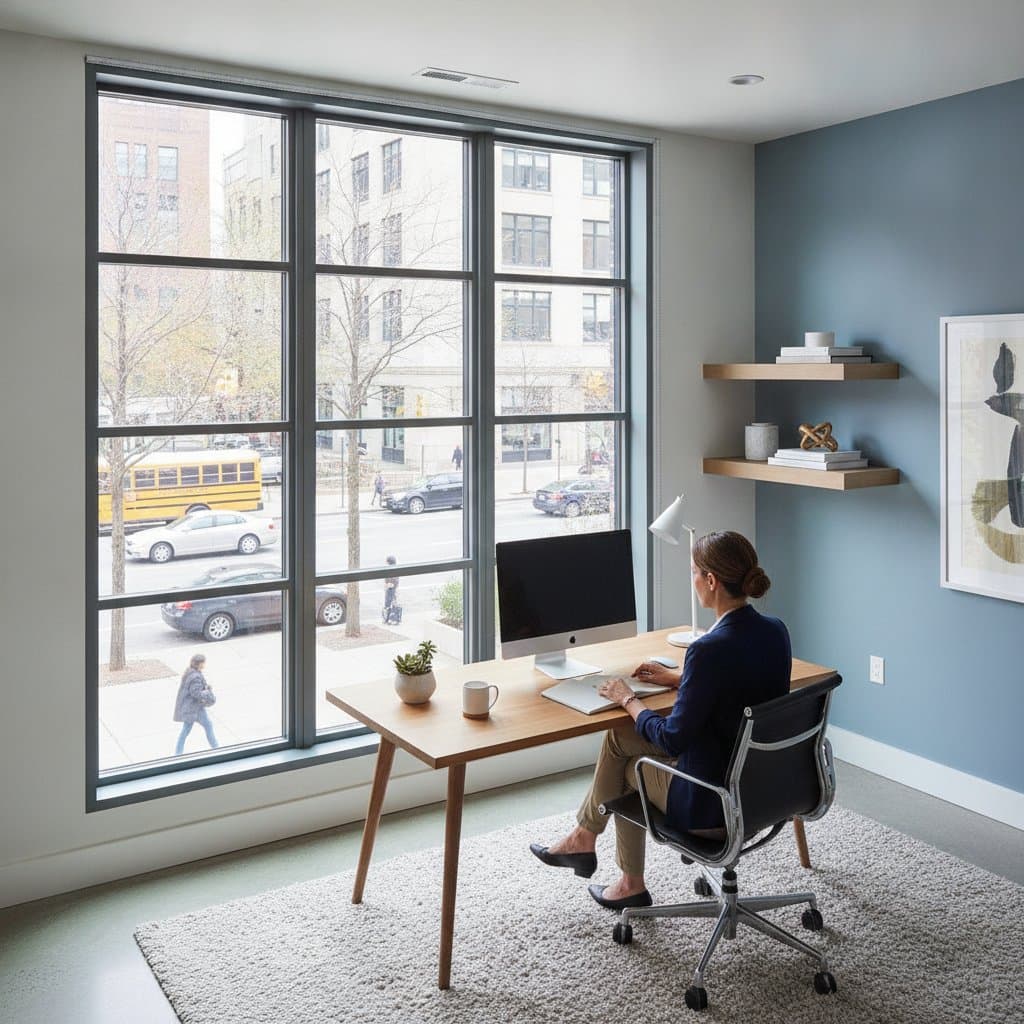
- Street-facing windows, reducing visibility from outside while maintaining views.
- Home offices with glare issues, allowing focused work without harsh sunlight.
- Sunrooms or glass-walled extensions, balancing natural light and comfort.
For homeowners who frequently adjust blinds or curtains, smart glass provides a seamless alternative. It integrates well with existing decor, offering versatility without visual clutter.
Steps to Install Electrochromic Windows
To proceed with electrochromic windows, request estimates from at least two certified installers. Inquire about warranty terms, control options, and compatibility with your home automation setup. Compare quotes on material quality and labor inclusions.
Evaluate your home's needs: Assess window sizes, desired features, and energy goals. Consult with professionals to explore financing options or rebates for energy-efficient upgrades. Plan for any electrical modifications early to avoid surprises.
Once selected, schedule the project during milder weather to ease installation. After completion, enjoy the enhanced privacy, efficiency, and modern luxury these windows bring to your living spaces.
Long-Term Value of Smart Window Investments
Electrochromic windows deliver enduring benefits that extend far beyond initial costs. They foster a more comfortable, efficient home environment while elevating design aesthetics. Homeowners often report greater satisfaction with natural light management and reduced maintenance hassles. This technology positions your property at the forefront of smart living, promising both practical savings and stylish innovation.