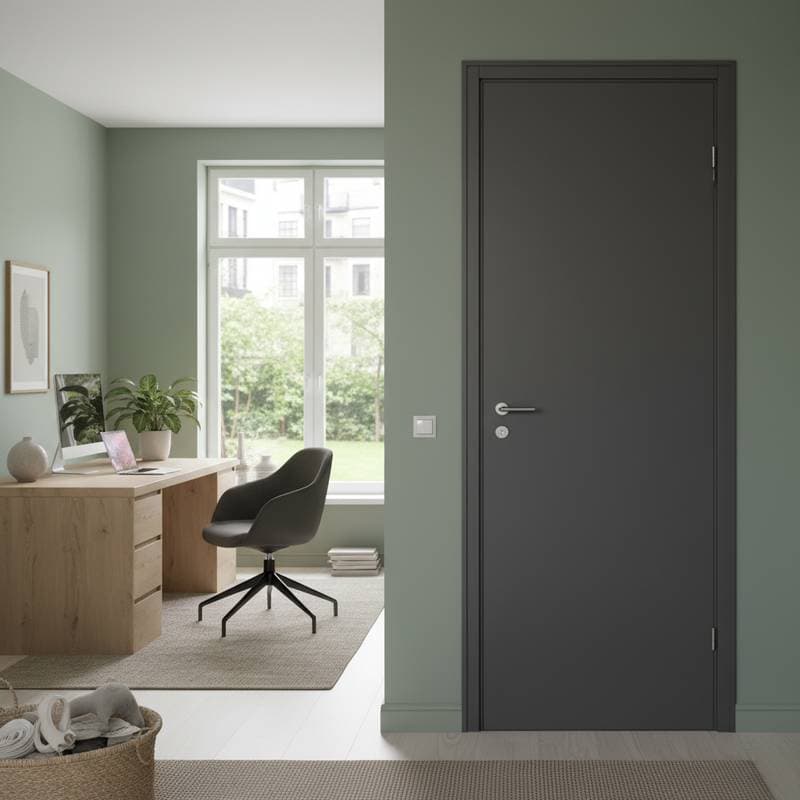
Acoustic Doors: 2026's Key to Quiet WFH Productivity
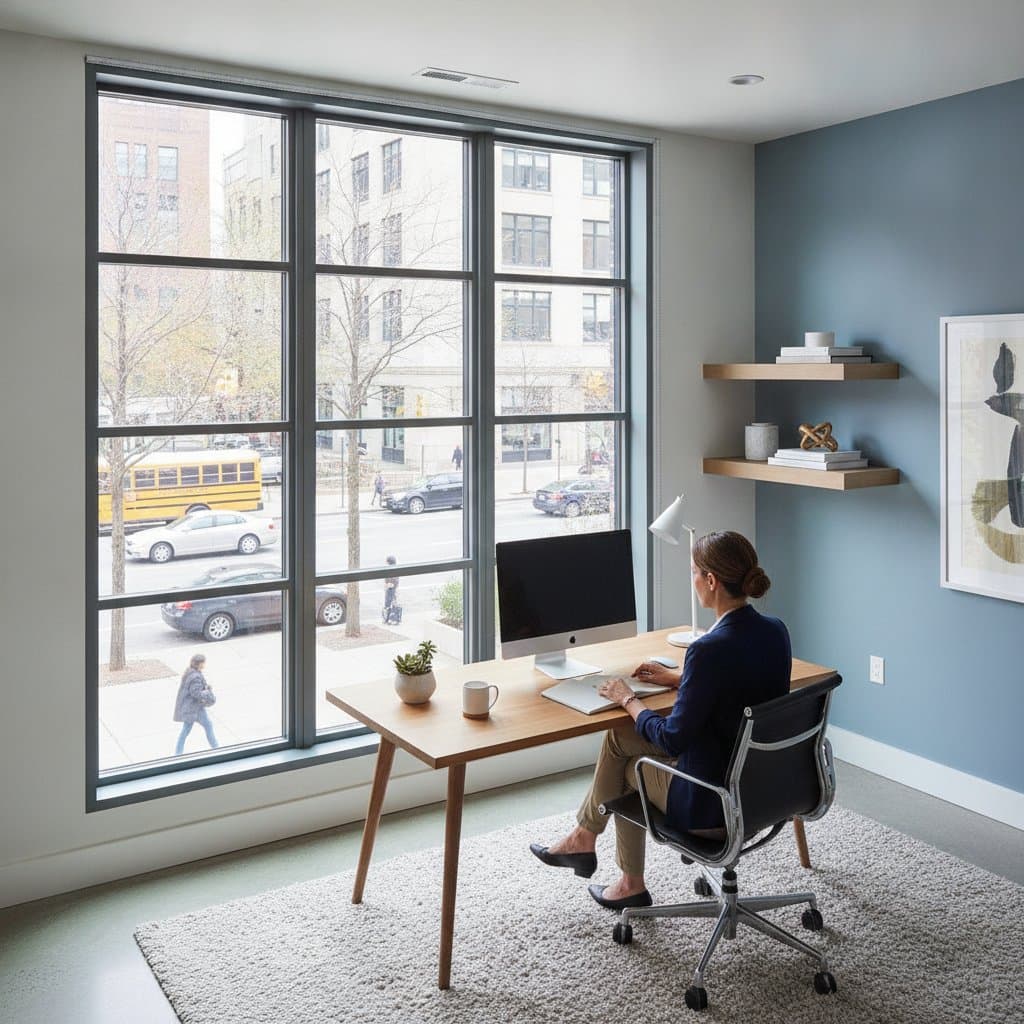
Working from home has become a long-term reality for many households. As more people convert spare rooms or corners into dedicated offices, one challenge keeps coming up: noise. Whether it is family activity, street traffic, or barking dogs, unwanted sound can easily interrupt video calls and concentration. Acoustic doors have quickly become a top home improvement for those looking to create a quieter, more productive workspace.
What Acoustic Doors Do and Why They Matter
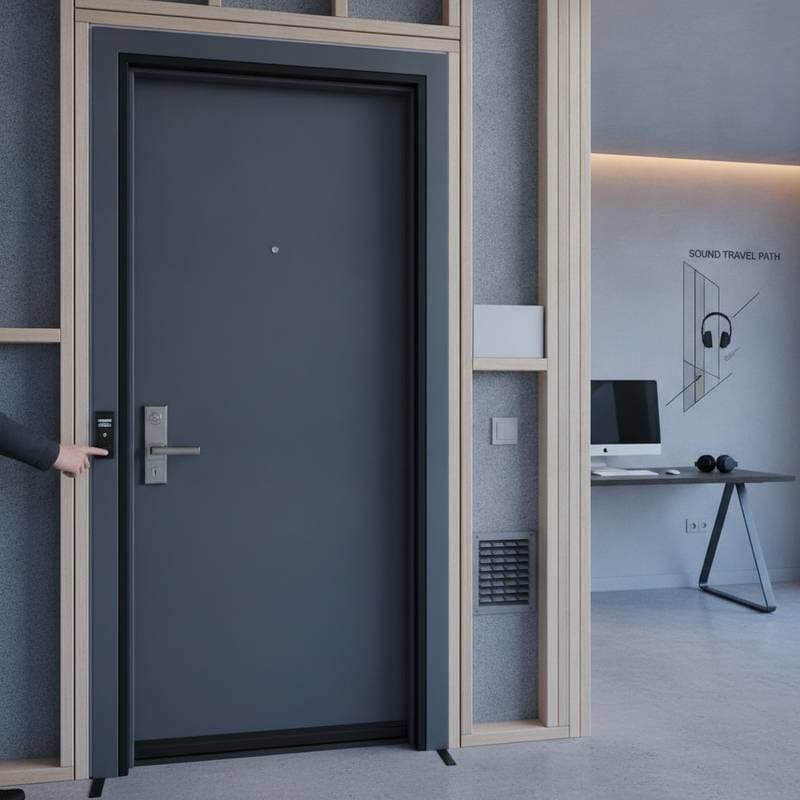
An acoustic door is specifically designed to reduce sound transmission between spaces. It includes dense cores, perimeter seals, and specialized thresholds that block airborne noise. Compared to a standard interior door, which may provide only minimal sound insulation, an acoustic door can cut sound levels by 30 to 50 decibels depending on materials and installation quality.
For homeowners working remotely, that difference can mean the ability to focus without outside noise interruptions. It can also help maintain privacy for calls or virtual meetings.
Average Cost of Acoustic Door Installation
The cost of an acoustic door varies based on its material, sound rating, and installation complexity. On average, homeowners spend between $900 and $2,800 per door installed. Basic models with solid cores and limited seals tend to be on the lower end, while high-performance commercial-grade options can reach the top range.
| Material/Service | Cost Range | Key Features |
|---|---|---|
| Solid Core Wood Door | $900 to $1,500 | Natural look, moderate sound reduction |
| Composite Acoustic Door | $1,200 to $2,000 | Engineered core, strong sound performance |
| Acoustic Steel Door | $1,800 to $2,800 | Maximum sound blocking, high durability |
| Installation Labor | $250 to $600 | Based on door size and existing frame condition |
Your final cost will depend on door size, frame type, and whether you need additional sealing or threshold components. Custom-sized acoustic doors or those with decorative veneers typically cost more but may better match your interior design.
Key Factors Affecting Soundproof Performance
Not all acoustic doors perform the same. When selecting one for your home office, pay attention to Sound Transmission Class (STC) ratings. A higher STC number means better sound reduction.
- STC 30 to 35: Reduces normal conversation to a faint murmur.
- STC 36 to 40: Blocks most speech and light household noise.
- STC 41 to 50: Provides strong sound isolation suitable for offices or studios.
Most home offices perform best with doors rated between STC 38 and 44. According to residential contractor Mark Jensen of QuietBuild Interiors, “A solid acoustic door with proper frame sealing can make a noticeable difference in how quiet a workspace feels. Even small gaps around the frame can compromise results.”
Common Installation Considerations
Installing an acoustic door requires more precision than a standard door replacement. The key challenge lies in sealing. Gaps around the jamb, header, or threshold can let sound leak through, reducing overall performance.
Professional installation usually involves:
- Inspecting and reinforcing the frame to ensure a tight fit.
- Adding perimeter seals that compress when the door closes.
- Installing a drop-down threshold that seals the gap at the floor.
- Testing for air leaks and adjusting hinges or latching pressure.
Expect installation to take about half a day per door when performed by an experienced carpenter or door specialist.
DIY vs. Professional Installation
Ambitious DIYers may consider installing an acoustic door themselves. While possible, it is rarely recommended unless you have prior carpentry experience. Even small misalignments can lead to reduced sound isolation.
Professional installers bring specialized tools and experience in fitting acoustic seals, which ensures consistent compression and prevents rattling. Hiring a professional may add $300 to $600 to your project cost, but it typically guarantees better performance and longer lifespan.
Choosing the Right Material and Finish
Acoustic doors come in a range of materials and finishes that can complement your home’s design style while meeting performance needs.
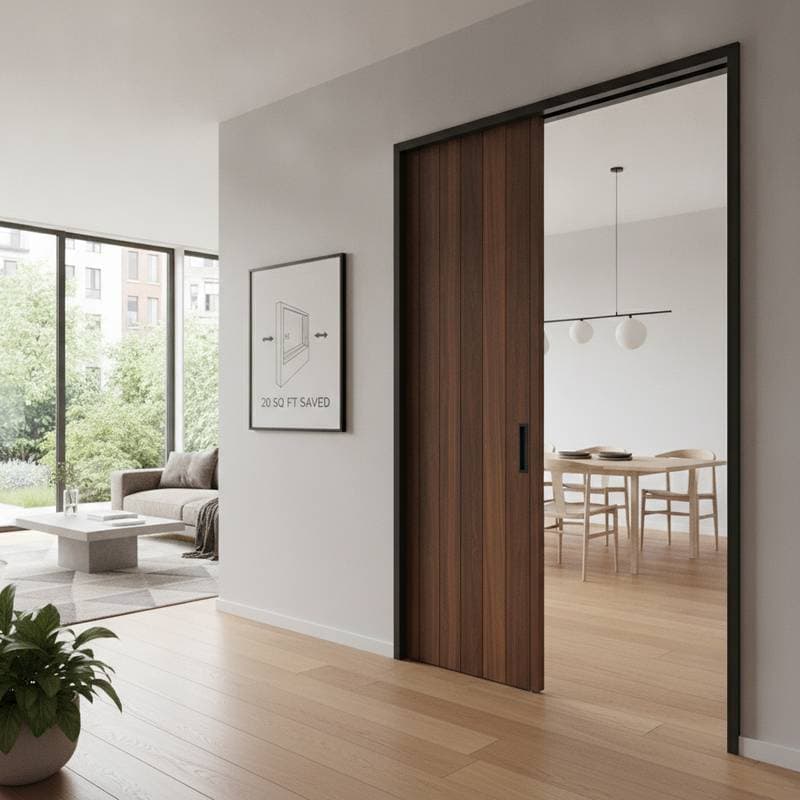
- Solid Wood: Offers a warm, natural look and decent sound reduction. Best for traditional interiors.
- Engineered Composite: Provides high sound insulation with customizable veneers or paint finishes. Suitable for modern spaces.
- Steel or Laminate: Common in commercial applications or high-noise areas. Durable but less decorative.
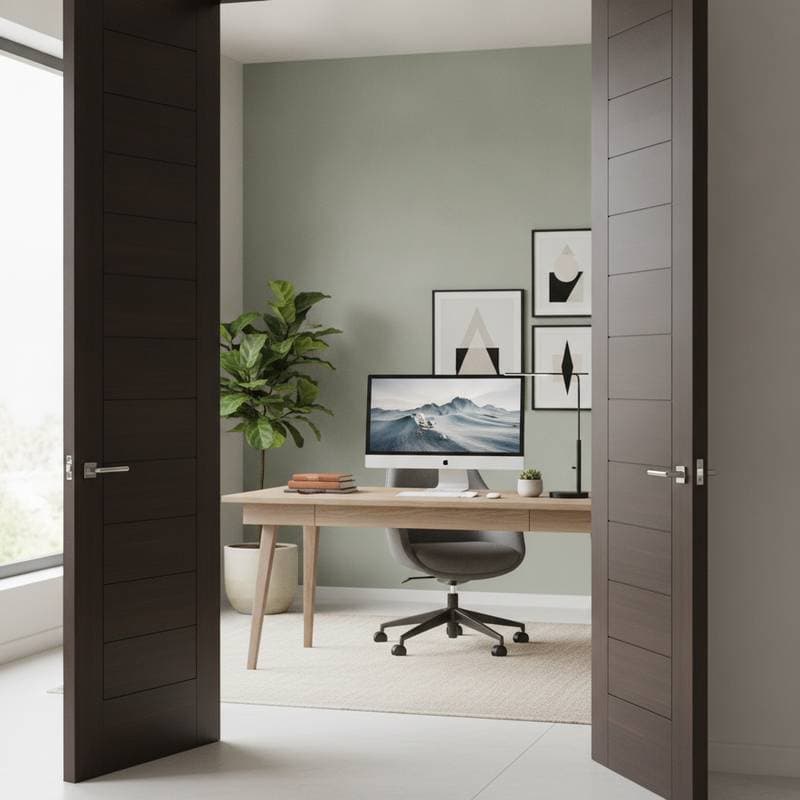
If aesthetics matter as much as performance, many manufacturers now offer acoustic wood doors that mimic luxury finishes while maintaining an STC rating above 40.
Maintenance and Longevity
Once installed, acoustic doors require minimal maintenance. The seals and thresholds should be inspected yearly to ensure they remain flexible and intact. Clean seals with mild soap and water to remove dust buildup. Avoid repainting or refinishing the door without checking manufacturer guidelines, since added layers could interfere with seal compression.
With proper care, a quality acoustic door can last 15 to 25 years while maintaining its soundproofing performance.
When to Upgrade Existing Doors
If your home office door feels flimsy or sound travels easily between rooms, upgrading may be worthwhile. Signs that indicate the need for an acoustic door include:
- Hearing clear conversations or footsteps from adjacent rooms.
- Difficulty concentrating during work hours due to outside noise.
- Hollow-core doors that allow vibrations to pass through.
Replacing one primary office door can significantly improve the comfort of your workspace and may even increase property value for future resale.
Making It Happen
Creating a quiet home office begins with controlling sound at its entry point. An acoustic door provides immediate improvement without requiring major remodeling.
Work with a certified installer who understands sound-sealing techniques and can ensure the door performs as expected. Once installed, you will likely notice fewer distractions, clearer calls, and a more professional environment for working from home.
Investing in an acoustic door is not just about silence. It is about reclaiming focus, privacy, and productivity inside your home.