Create Silence in Your Home: 80% Noise Reduction with 2026 Acoustic Doors
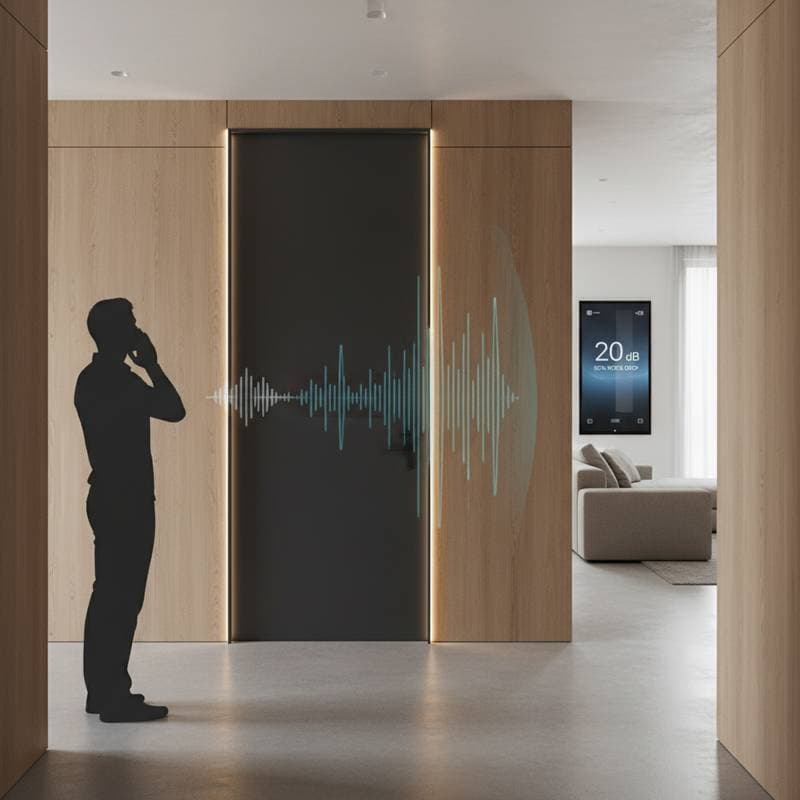
Peaceful environments within homes grow increasingly valuable amid urban sounds and daily disruptions. Traffic from streets, conversations from neighbors, and echoes from household activities often invade personal spaces. Acoustic doors provide an effective solution by minimizing noise transfer between rooms and from external sources. Advanced models in 2026 achieve up to 80 percent reduction in perceived noise levels, establishing serene and manageable interiors. True effectiveness demands knowledge of acoustic principles, precise installation methods, and integration into your home's overall design strategy.
Varieties of Acoustic Doors
Acoustic doors vary in design to address diverse environments and noise reduction objectives. Homeowners benefit from evaluating options based on budget, visual harmony, and sound control efficacy.
Solid Core Wood Doors
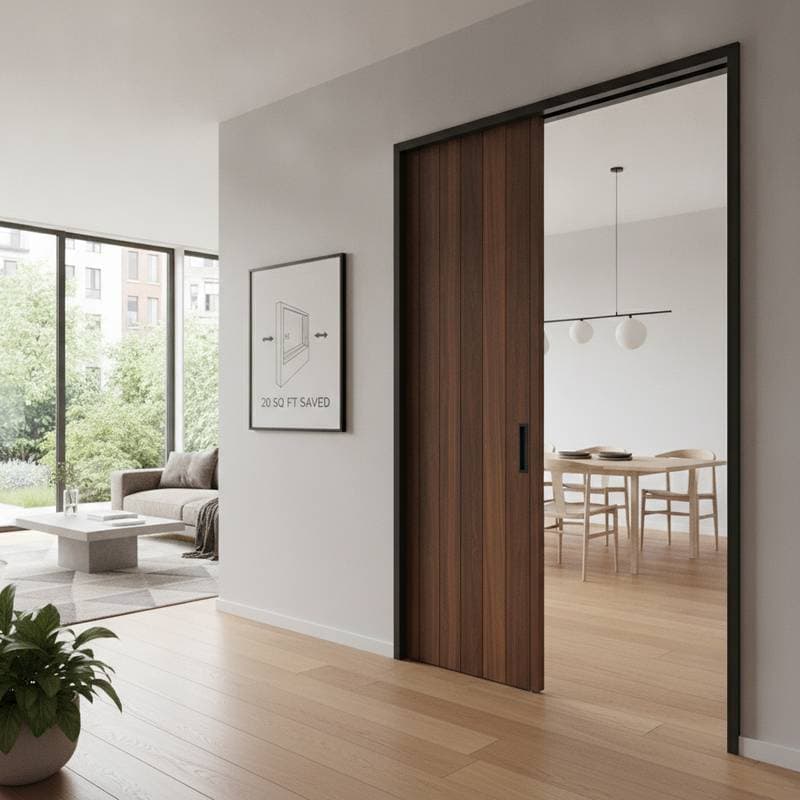
Solid core wood doors represent a primary choice for residential applications. These doors incorporate dense wooden or composite interiors that add significant mass to block sound waves. They integrate seamlessly with traditional and contemporary interior aesthetics. Although they fall short of industrial-grade isolation, proper sealing enhances their ability to dampen everyday household noises, such as voices or footsteps.
Acoustic Laminate Doors
Acoustic laminate doors layer high-density panels over vibration-absorbing cores. This construction disrupts sound propagation and limits resonance across surfaces. Such doors surpass basic solid wood in sound transmission class (STC) ratings, often reaching 35 or higher, while preserving a refined, modern look suitable for visible areas.
Metal Acoustic Doors
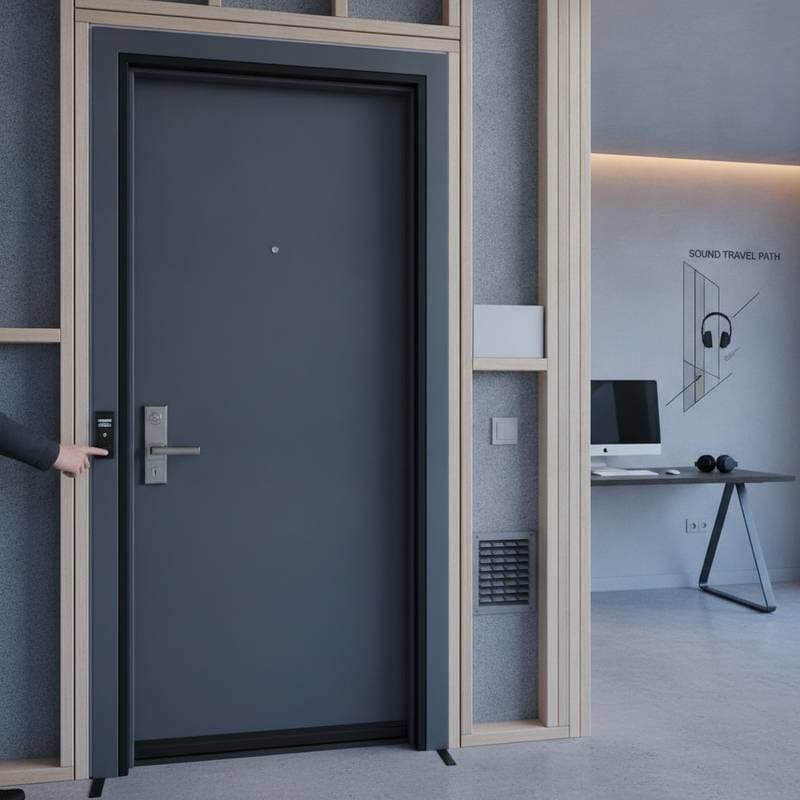
Metal acoustic doors, constructed with steel exteriors and insulating interiors, suit demanding settings like recording studios or commercial venues. Their robust build withstands impacts and maintains shape over years. In residential contexts, they excel in garages, workshops, or dedicated media rooms where superior noise containment proves essential.
Glass Acoustic Doors
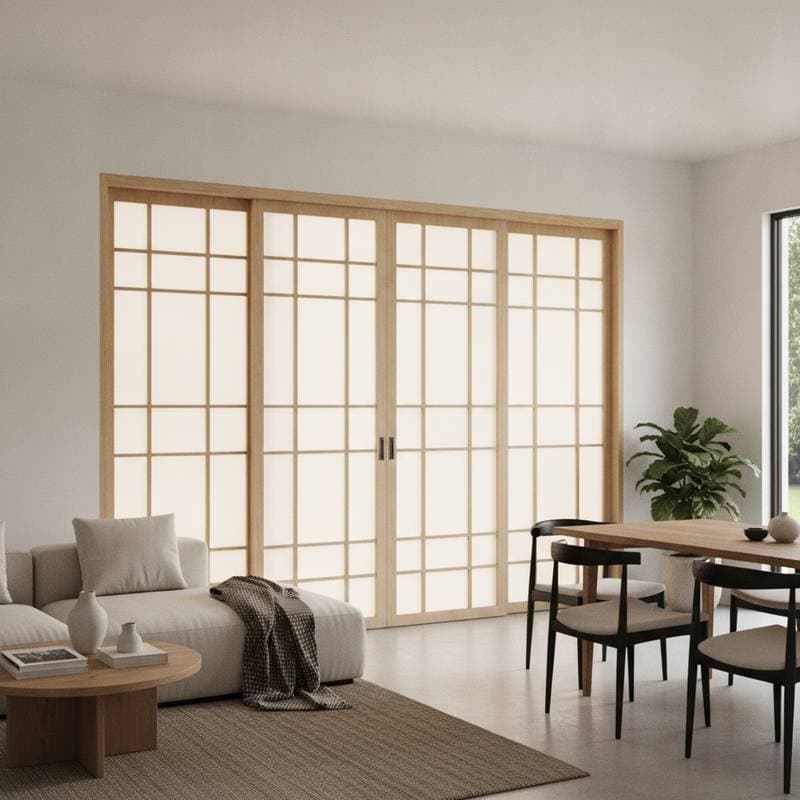
Glass acoustic doors balance light transmission with sound barriers through multiple panes joined by damping interlayers. These designs attenuate frequencies from low rumbles to high pitches. They prove ideal for interior dividers in offices or living areas, where visibility supports openness without sacrificing acoustic integrity.
Essential Elements Affecting Acoustic Performance
An acoustic door functions within a comprehensive barrier system. Several components dictate its practical outcomes.
Door Core Materials
The core material establishes the door's mass and density, key factors in sound attenuation. Options like engineered timber, mineral wool fillings, or multi-composite structures outperform lightweight hollow variants. Select cores with densities exceeding 30 pounds per cubic foot for optimal low-frequency blocking.
Seals and Gaskets
Minute openings around door edges permit substantial sound infiltration. Effective acoustic doors employ automatic drop seals at the threshold and compressible gaskets along jambs and headers. Inspect these components quarterly; replace worn seals to sustain an airtight closure that achieves rated STC levels.
Frame and Structural Integration
A rigid frame minimizes frame-borne vibrations and prevents acoustic leaks. Choose frames from solid timber or steel, reinforced with acoustic infills like foam or fiberglass. Secure the frame to studs with non-resonant anchors, ensuring plumb alignment within one-eighth inch to eliminate flanking paths for sound.
Surface Treatments
Surface finishes protect against environmental factors while enhancing aesthetics. Opt for moisture-resistant veneers, high-pressure laminates, or durable paints that preserve seal adhesion. Avoid glossy finishes prone to chipping, as surface integrity supports long-term acoustic reliability.
Assessing Expenses and Enduring Benefits
Acoustic doors demand greater initial expenditure than conventional interior doors, yet their advantages accumulate over time. Costs vary with material selection, dimensions, customization, and specified STC rating; expect ranges from $300 to $1,500 per unit. Factor in professional labor, which ensures maximal efficacy and justifies 20 to 30 percent of total outlay.
Long-term value emerges through enhanced livability and asset enhancement. Reduced noise promotes better sleep, concentration, and interpersonal harmony, potentially boosting productivity in work-from-home setups. These doors also elevate resale potential by demonstrating premium construction standards. Their longevity—often 20 years or more—diminishes replacement frequency, yielding substantial savings compared to frequent standard door updates.
Aligning Acoustic Doors with Daily Routines
Noise profiles differ across households, necessitating tailored selections. Match door specifications to specific usage patterns for optimal results.
Bedrooms and Nurseries
Prioritize solid core or laminate doors with STC ratings of 35 or above in rest areas. These configurations shield against external disturbances, fostering uninterrupted sleep cycles and developmental calm for children.
Home Offices
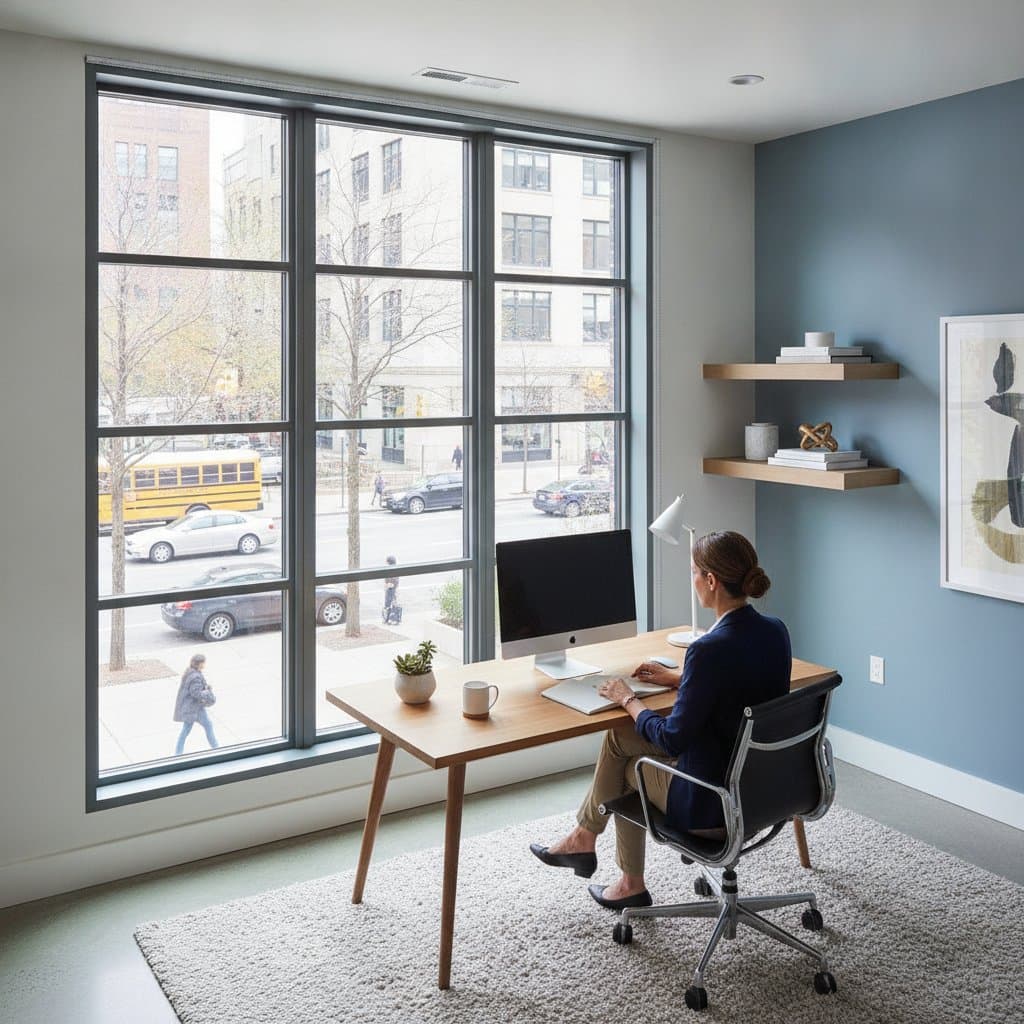
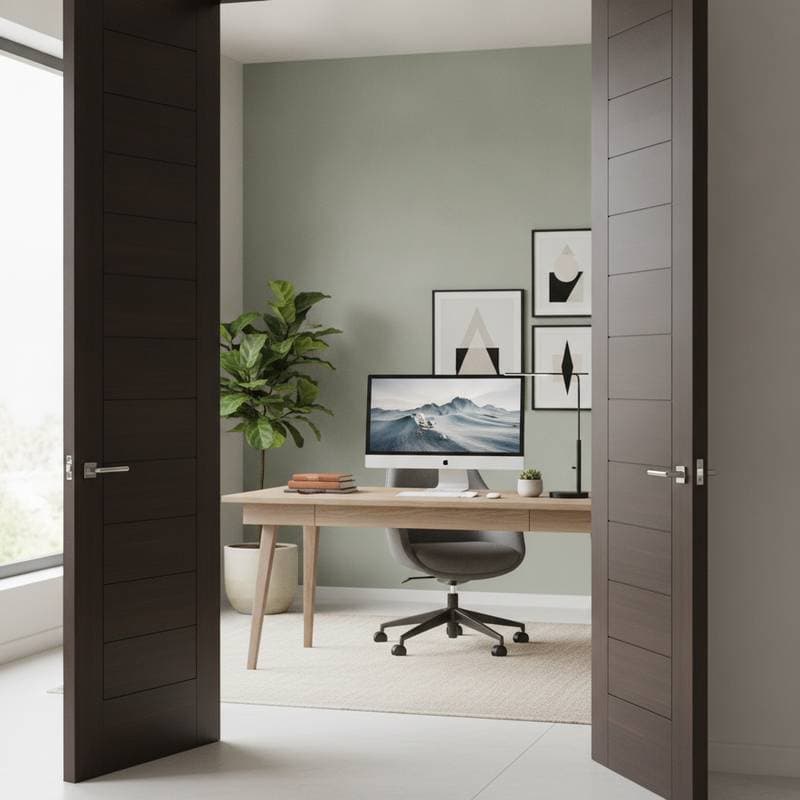
Laminate or glass variants with integrated seals maintain acoustic separation while permitting natural illumination. Such doors mitigate interruptions from family movements, supporting sustained professional output without isolating the space entirely.
Media and Entertainment Rooms
Deploy metal or dense composite doors rated at STC 45 or higher for audiovisual zones. They confine bass-heavy sounds and echoes, preserving tranquility in adjacent areas during extended sessions.
Communal Spaces
Solid core doors with moderate STC 30 ratings suffice for kitchens or living rooms. They temper ambient noises in shared dwellings, enhancing collective comfort without excessive investment.
Weighing DIY Versus Expert Installation
Skilled individuals might explore self-installation, yet acoustic doors demand exacting tolerances beyond typical carpentry. Professionals guarantee alignment within tolerances that preserve soundproofing; errors can halve intended reduction, undermining the purchase.
Expert services encompass precise measurements, hardware synchronization, and post-installation acoustic testing using tools like sound level meters. For DIY efforts, select pre-assembled units with integrated seals to ease fitting; nonetheless, engage a specialist for final verification to confirm performance integrity.
Steps to Select the Ideal Acoustic Door
Decision-making for acoustic doors hinges on performance needs, design compatibility, and practical considerations. Start by pinpointing noise origins—distinguish between external intrusions like vehicular hums and internal sources such as appliance operations or foot traffic. This analysis guides the required STC threshold, typically 30 for moderate control and 40 for rigorous isolation.
Evaluate aesthetic and operational fit next. A nursery might favor stained oak for warmth, whereas an office could incorporate frosted glass for diffusion. Confirm hinge configurations, lock mechanisms, and cleaning protocols align with your setup. Engage a qualified acoustician or installer early to assess wall assemblies and recommend synergies that amplify overall system effectiveness.
Realize Superior Acoustic Outcomes
Implementing these strategies transforms noisy homes into havens of calm. Focus on integrated solutions that address both immediate disruptions and future adaptations. With deliberate choices, acoustic doors deliver lasting serenity and elevated living standards.