The Resurgence of Brass Hardware: Investing $8,000 in Timeless Elegance for 2026
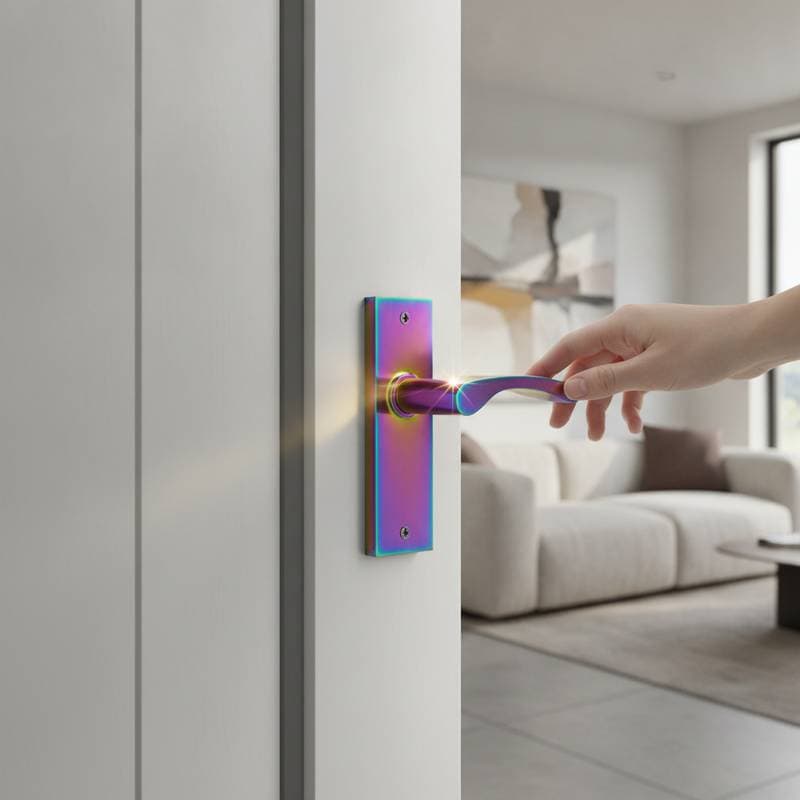
Brass hardware commands attention in contemporary interior design discussions. Previously viewed as passé, this material now graces homes that prioritize skilled workmanship, inviting warmth, and enduring style over temporary fads. Property owners recognize brass as more than a sentimental selection; it represents a prudent financial commitment that elevates visual appeal and operational efficiency alike. The term "$8K comeback" captures the trend of dedicating significant renovation funds to integrate genuine, premium brass elements across living spaces.
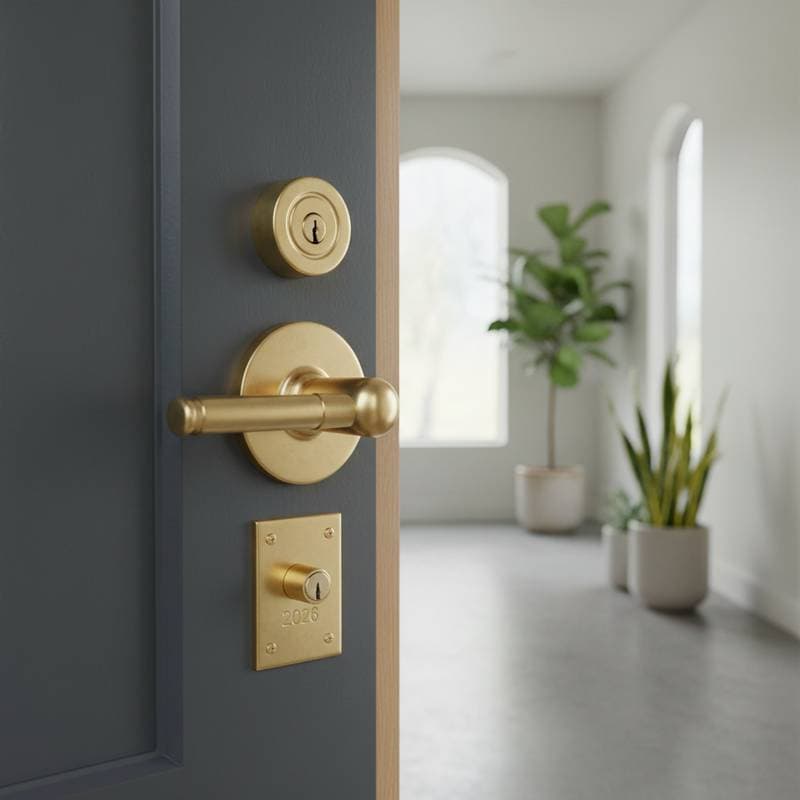
This resurgence emphasizes substance over extravagance. Brass delivers tactile depth, evolving patina, and unmatched resilience. Applications span door levers, hinges, cabinet pulls, and lighting accents, infusing current designs with a fusion of legacy and utility.
Reasons Brass Captures Modern Design Interest
Brass strikes an ideal equilibrium between robustness and aesthetics, a quality unmatched by many competitors. Its substantial feel in the grip, resistance to rust, and progressive surface evolution draw renewed admiration from architects and residents. This material harmonizes seamlessly with organic elements like timber, marble, and granite, enhancing their inherent qualities.
Unlike coated surfaces prone to chipping or flaking, brass matures elegantly, acquiring depth instead of deterioration. Current decor frequently merges classic coziness with streamlined forms, and brass aligns effortlessly in this context. It connects sleek simplicity to retro allure, fostering environments that convey stability and hospitality. The subtle reflectivity of brass diffuses illumination gently, imparting a warm luminescence absent in the stark gleam of chrome or the subdued tone of matte black alternatives.
The Allure of Unlacquered Brass Finishes
Unlacquered brass emerges as the preferred option for those seeking genuine character. In contrast to sealed variants that preserve a fixed luster, this untreated form alters organically through contact with atmosphere and handling. The emergent patina narrates the rhythm of everyday interactions, integrating into the residence's evolving tale.
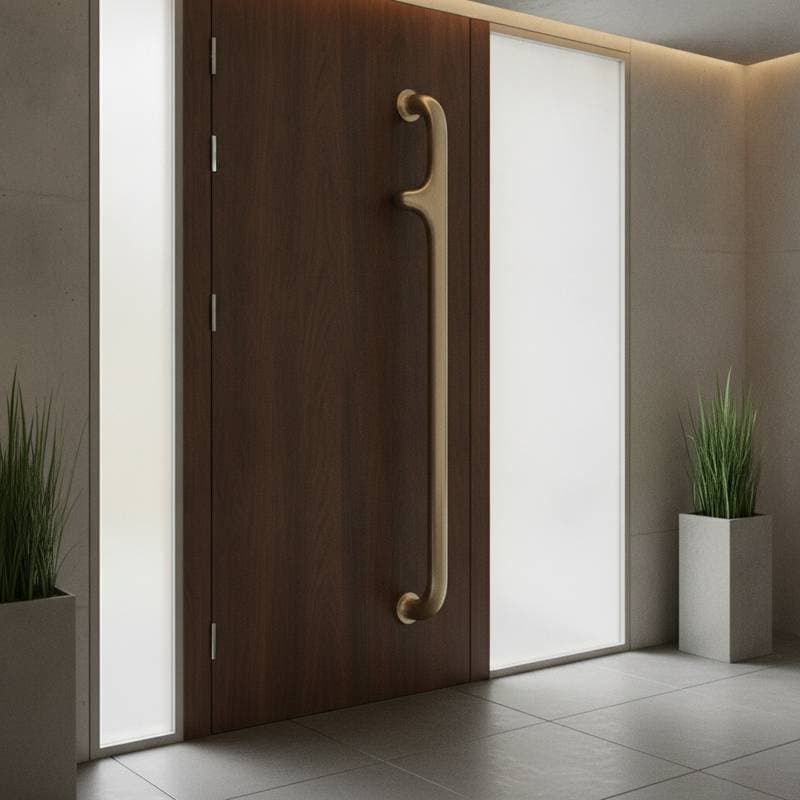
Maintenance proves straightforward with unlacquered brass. Polishing restores vibrancy if desired, though many embrace the mellowed hue that develops over time. This finish excels on entryway doors, where regular use accelerates the subtle shift in appearance.
Brass Versus Alternative Hardware Choices
Selecting between brass and options like stainless steel, nickel, or matte black coatings involves weighing multiple attributes.
| Material | Initial Cost | Lifespan | Maintenance | Ideal Settings |
|---|---|---|---|---|
| Brass | Moderate to High | Very Long | Occasional polishing or patina development | Traditional and transitional interiors |
| Stainless Steel | Moderate | Long | Minimal, corrosion-resistant | Sleek, minimalist environments |
| Nickel | Moderate | Long | Gentle cleaning to prevent tarnish | Subtle contemporary aesthetics |
| Matte Black | Low to Moderate | Moderate | Precise cleaning to avoid wear | Industrial or bold modern spaces |
Brass demands a higher upfront expense, yet its extended durability and distinctive aging justify the outlay. Coated products may degrade or rust, whereas brass maintains integrity across generations.
Steps for Installing Brass Hardware
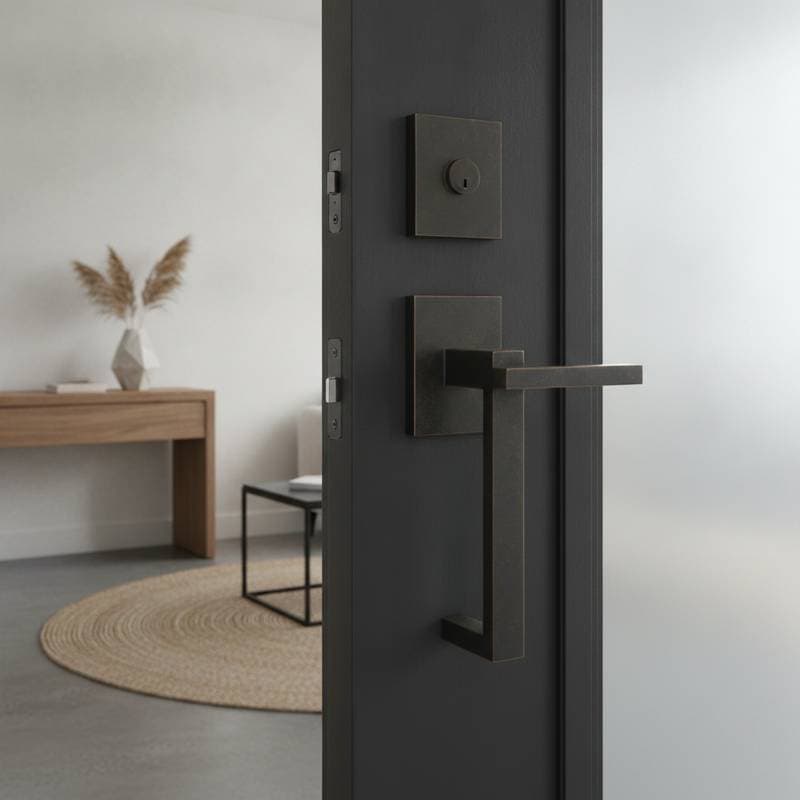
Brass hardware installation demands precision, particularly when updating fixtures on sturdy wood doors.
- Assess and Plan: Gauge current hardware positions and identify needs for additional drilling or supports. Verify door dimensions and mechanism compatibility to guarantee fit.
- Prepare Materials: Assemble essentials including screwdrivers, drills, levels, and padding for protection. Brass's relative softness necessitates cautious tool use to prevent marring fastener heads.
- Execute Fitting: Position components accurately prior to securing. For handles or levers, test latch movement for seamless operation without binding. Ensure hinges align flush against door and jamb surfaces.
- Verify Functionality: Confirm fasteners hold firmly without excess torque. Cycle the door repeatedly to validate smooth motion and balance.
- Finalize and Monitor: Buff surfaces with a gentle cloth to eliminate residues. Observe the brass's initial response to surroundings over subsequent weeks as patina emerges.
For those opting for expert assistance, inquire about installers' familiarity with premium brass components. Skilled execution avoids surface damage or misalignment that could impair longevity.
Evaluating Costs and Long-Term Benefits
The "$8K comeback" typically encompasses comprehensive enhancements to doors, storage units, and illumination fixtures. Though the sum appears substantial, benefits extend far beyond surface level. Authentic brass endures far longer than budget substitutes, potentially spanning multiple decades.
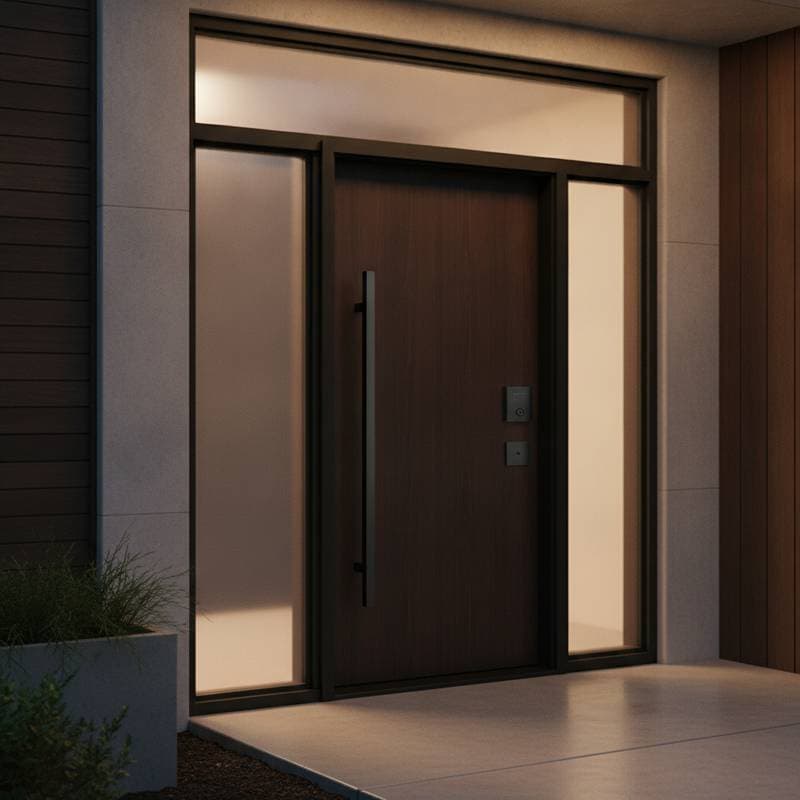
This durability translates to reduced future expenditures on replacements. Care routines remain simple, confined to periodic wiping or buffing. Environmentally conscious individuals value brass for its permanence, supporting reduced waste and efficient resource use over time. When integrated with superior wood entries, brass elevates resale potential by signaling superior quality.
Integrating Brass with Diverse Design Aesthetics
Brass versatility suits a spectrum of stylistic approaches.
- Classic Residences: Ornate brass accents amplify warmth and intricate detailing.
- Spartan Contemporary Areas: Understated brass introduces subtle glow amid neutral palettes.
- Hybrid Styles: Brass merges precise geometry with heritage tones for balanced appeal.
- Rustic Industrial Settings: Unfinished brass tempers coarse textures and shadowed hues, achieving equilibrium.
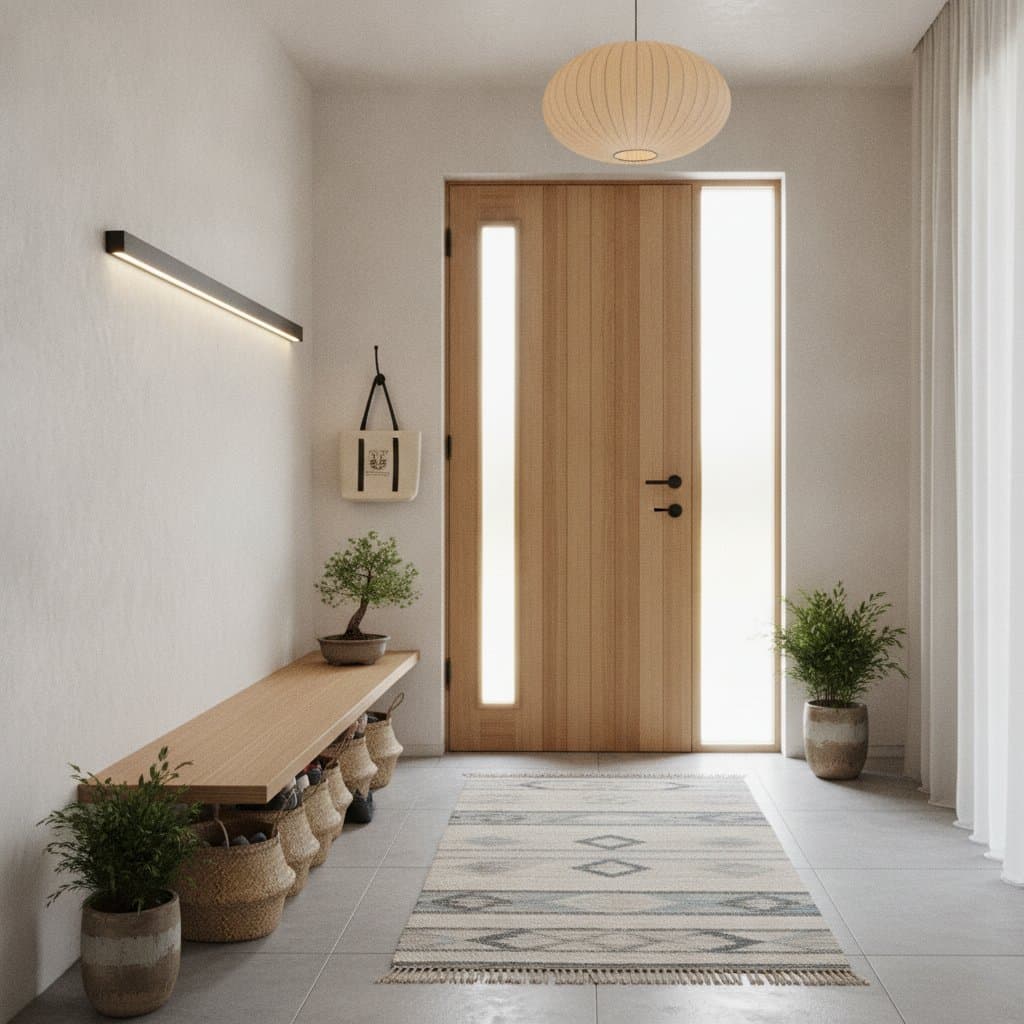
Combining brass with solid wood doors fosters cohesive interplay of color and grain. Pale timbers highlight brass's sunny undertones, whereas deep finishes accentuate dramatic contrasts.
Preserving Brass for Enduring Performance
Brass benefits from basic upkeep, yielding sustained allure in return.
- Daily Care: Dust and smudges lift easily with a soft, dry fabric.
- Thorough Cleansing: Tackle buildup using diluted mild detergent, followed by complete drying.
- Restoring Shine: Apply brass-specific polish sparingly with a lint-free cloth for renewed brightness.
- Protecting Patina: Steer clear of harsh abrasives that erode the protective oxide film.
Unlacquered variants inherently deter tarnish. They perform optimally in controlled indoor conditions with balanced moisture, ideal for doors, grips, and overhead lights.
Selecting Brass Hardware Strategically
Budgeting for brass involves balancing immediate visions with future advantages. A complete suite for an entire property may approach thousands, but the craftsmanship and lasting patina provide generational returns. Those who value hands-on quality discover that the material's heft and evolving beauty fully merit the dedication.