Brass Hardware's Return: Infusing Modern Homes with Timely Warmth
Cool metals such as brushed nickel and matte black dominated modern interior design for decades. Brass now reemerges, offering a shift toward warmer elements that provide balance and depth. This revival stems from a desire for personality and visual comfort in living spaces. Brass hardware achieves this through its enduring appeal, whether in a polished finish or a developed patina, enhancing both traditional and sleek environments.
Designers integrate brass across diverse settings, moving beyond vintage applications. It pairs effectively with minimalist structures, natural materials, and subdued colors, fostering grounded yet elegant atmospheres. This versatility positions brass as a connector between historical techniques and current simplicity.
Strategies for Incorporating Brass Hardware
Budget Strategy (200 to 800 Dollars)
- Select brass-finished items for essential elements, including door levers, drawer pulls, and outlet covers.
- Favor brushed or satin varieties to minimize smudges and stains, easing upkeep over time.
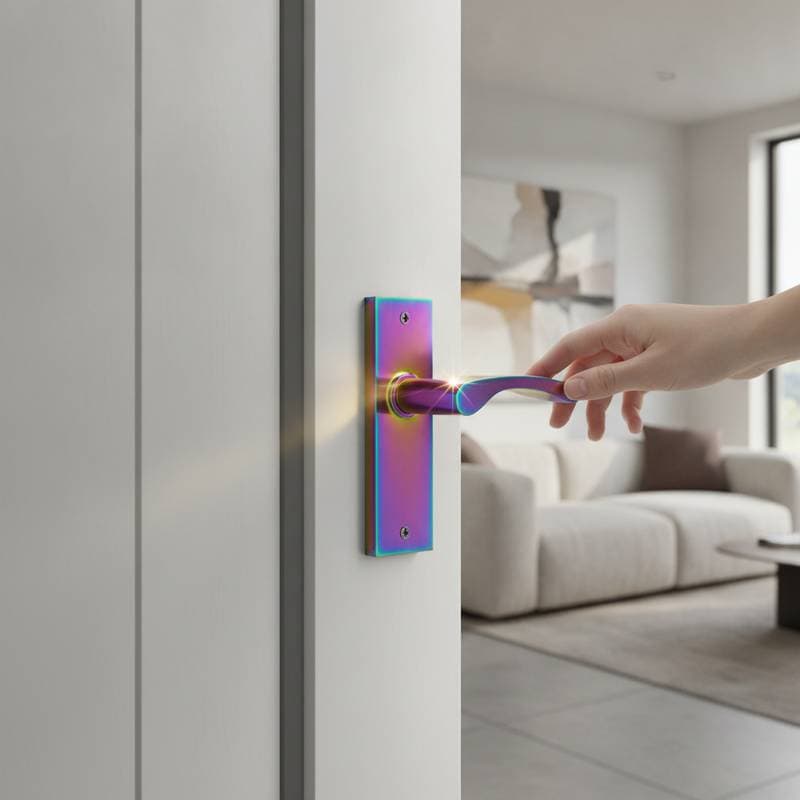
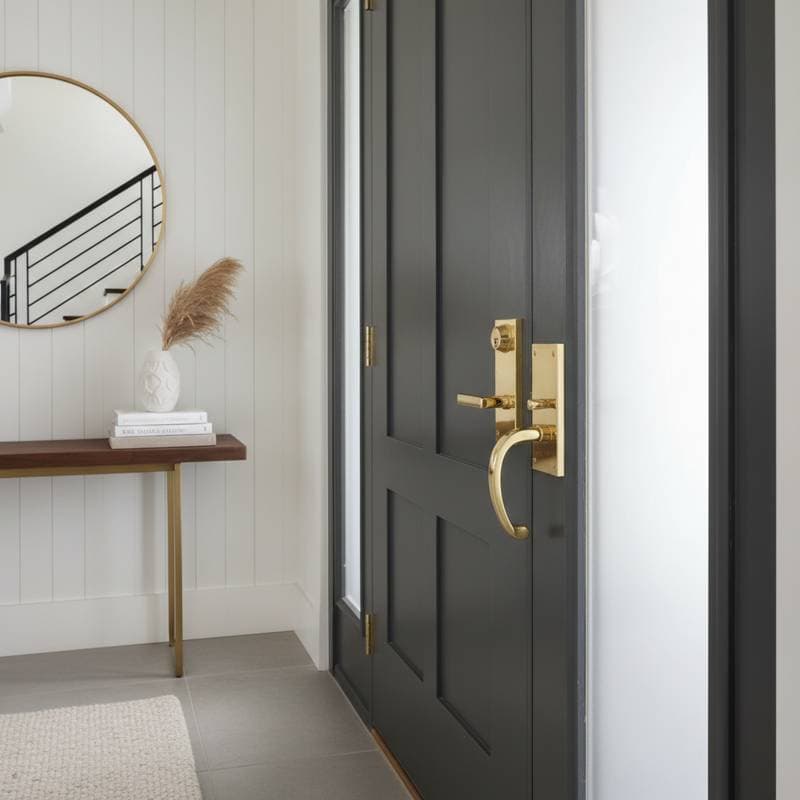
- Focus resources on a single standout item, like an entryway lever set, to establish the overall aesthetic.
Moderate Strategy (800 to 2500 Dollars)
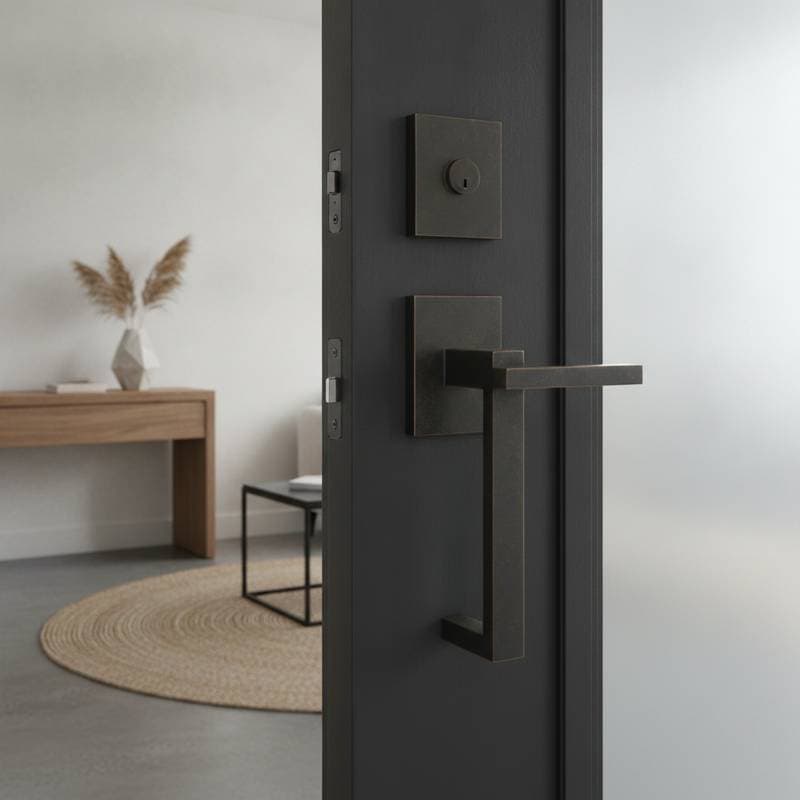
- Acquire solid brass for exterior entry sets, internal doorknobs, and matching hinges to ensure uniformity.
- Align finishes on doors, cabinetry, and fixtures to promote harmony.
- Extend the theme with brass details on window mechanisms or drapery hardware for layered repetition.
Premium Strategy (2500 to 6000 Dollars)
- Opt for high-end brass components featuring artisanal engravings or custom aging.
- Embed brass elements into door panels or surround window openings for bespoke integration.
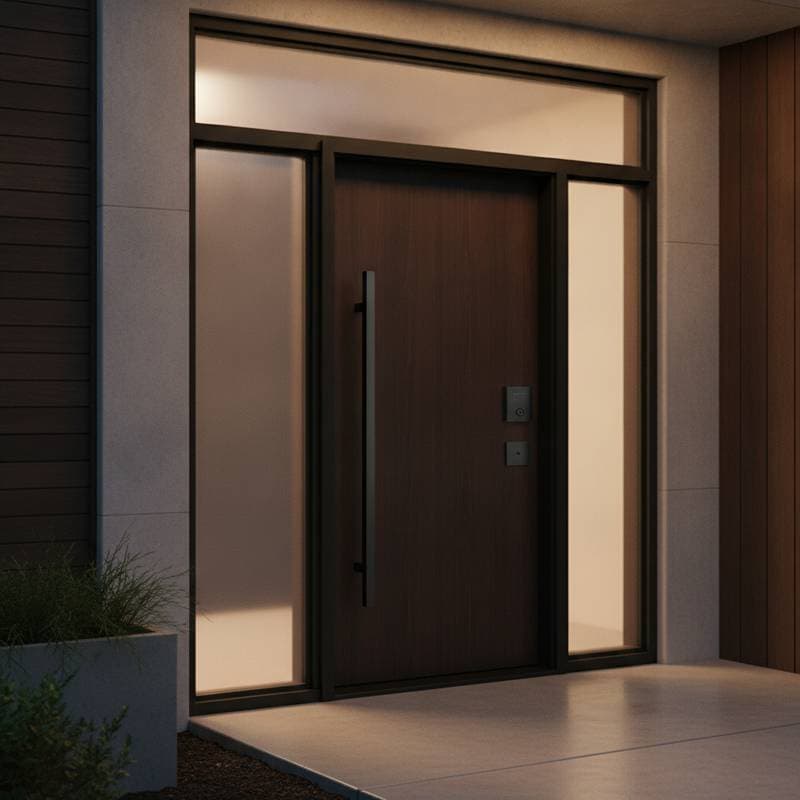
- Add exterior features like numbered addresses, letter slots, and lanterns to enhance outdoor presence and street appeal.
Selecting Materials and Finishes
For windows, slim brass casings or latch mechanisms introduce gentle highlights against plain exteriors. Polished options fit established architectures, whereas satin or vintage styles align with contemporary forms.
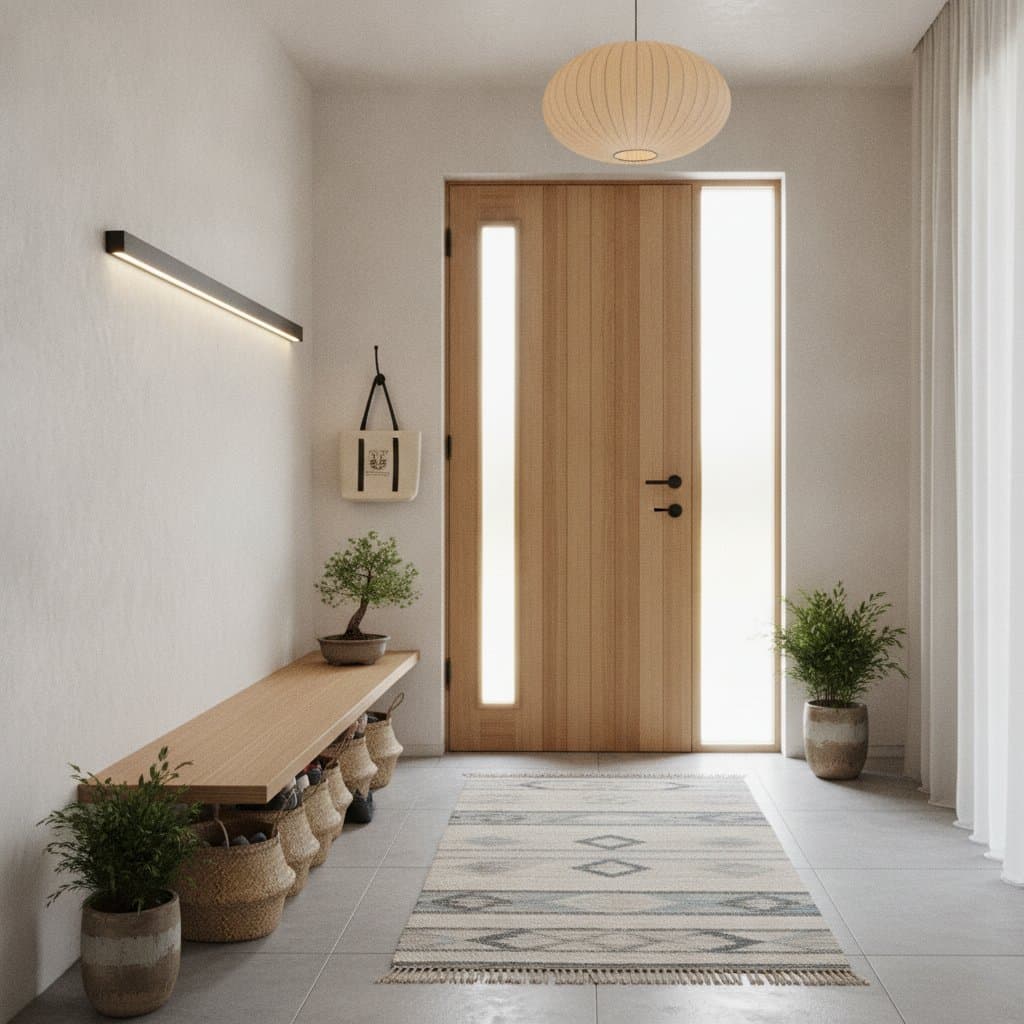
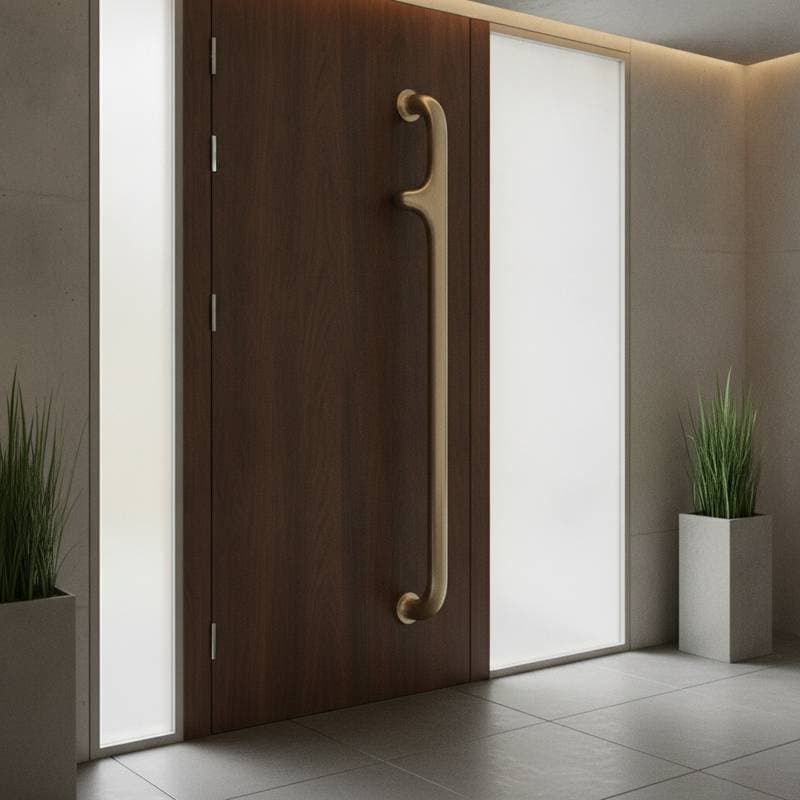
On doors, robust brass levers, pivots, and protectors deliver a direct sensory experience. Pair them with honey-toned or walnut-stained wood for added richness; against painted surfaces in navy, gray, or forest green, they provide vivid contrast.
When refreshing trim near siding, match with soft creams or earthy beiges to soften brass edges. Inside, blend brass fixtures with ivory paints, fabric shades, and stone surfaces to build an accessible, multifaceted ambiance.
Essential Maintenance Practices
Brass withstands regular use yet benefits from deliberate attention. Unprotected surfaces form a patina naturally, appealing to those who appreciate organic change. Lacquered versions resist tarnishing longer, though renewal may become necessary periodically.
Dust routinely with a gentle fabric, and polish sparingly to sustain vibrancy. Steer clear of abrasive solutions that erode coatings and diminish luster. Outdoors, apply a transparent sealant to guard against dampness and corrosion, particularly near oceans.
Local weather influences care routines. Humid areas demand more frequent wiping to avert discoloration, while arid zones allow brass to hold its color with basic oversight. Seasonal checks, lasting mere moments, preserve the material's elevating effect indefinitely.
Common Pitfalls to Sidestep
- Excessive Finish Variety: Multiple metal shades disrupt cohesion; restrict to two harmonious ones, like brass alongside flat black or weathered copper.
- Proportion Mismatch: Large brass pieces overwhelm compact doors; scale them to fit the structure and era.
- Shade Inconsistency: Brass ranges from vivid yellow to soft beige; test samples in identical light to secure uniformity.
- Upkeep Oversight: Residue from hands or water causes irregular wear; routine gentle cleansing upholds elegance.
Harmonizing Colors and Styles
Seamless brass integration relies on thoughtful palettes. Consider these balanced, warm pairings:
- Subtle Earth Tones: Creams, warm grays, and light beiges complement brushed brass for relaxed refinement.
- Rich Hues: Emeralds, deep indigos, or wine reds on doors frame polished brass dynamically.
- Natural Timbers: Light oak, reddish cherry, or dark walnut amplify brass's inherent shine in blended styles.
- Bold Black Accents: Brass with ebony lamps or frames adds sharp edges without severity.
- Raw Textures: Unfinished brass softens concrete or stone in stark, modern layouts.
Preparation Steps for Visual Documentation
- Photograph doors and windows comprehensively from varied perspectives.
- Document the home's style and existing surfaces for reference.
- Check community standards or regulations to align exterior changes.
- Factor in environmental factors like moisture levels for material choices.
- Prioritize spending on high-impact areas for optimal results.
Achieving Unified Design Impact
Brass hardware's resurgence highlights a preference for designs emphasizing warmth, skill, and uniqueness. It infuses immediate allure into varied homes, linking wood grains, painted elements, and built forms with refined poise. Strategic choices and ongoing care transform brass from a trend into a enduring signature of refined living.