Heated Handles: Essential for Winter Door Comfort
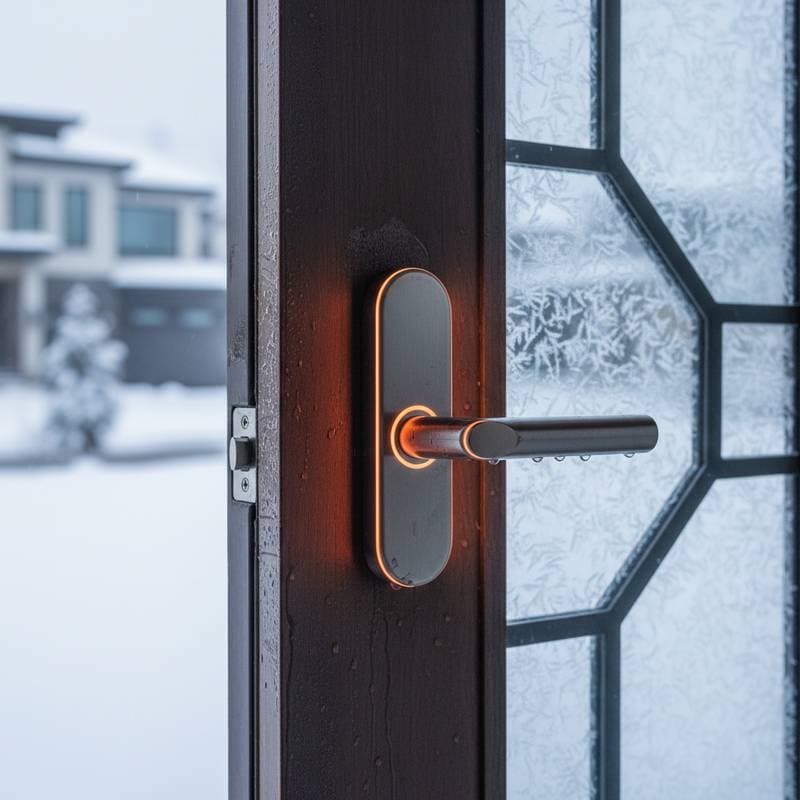
Winter mornings bring a familiar chill to front doors, where frozen handles can make entering home a jarring experience. Heated door handles address this issue by integrating low-voltage heating elements that warm the metal quickly and safely. These features combine practical warmth with elegant design, ensuring doors remain functional and inviting even in subzero conditions.
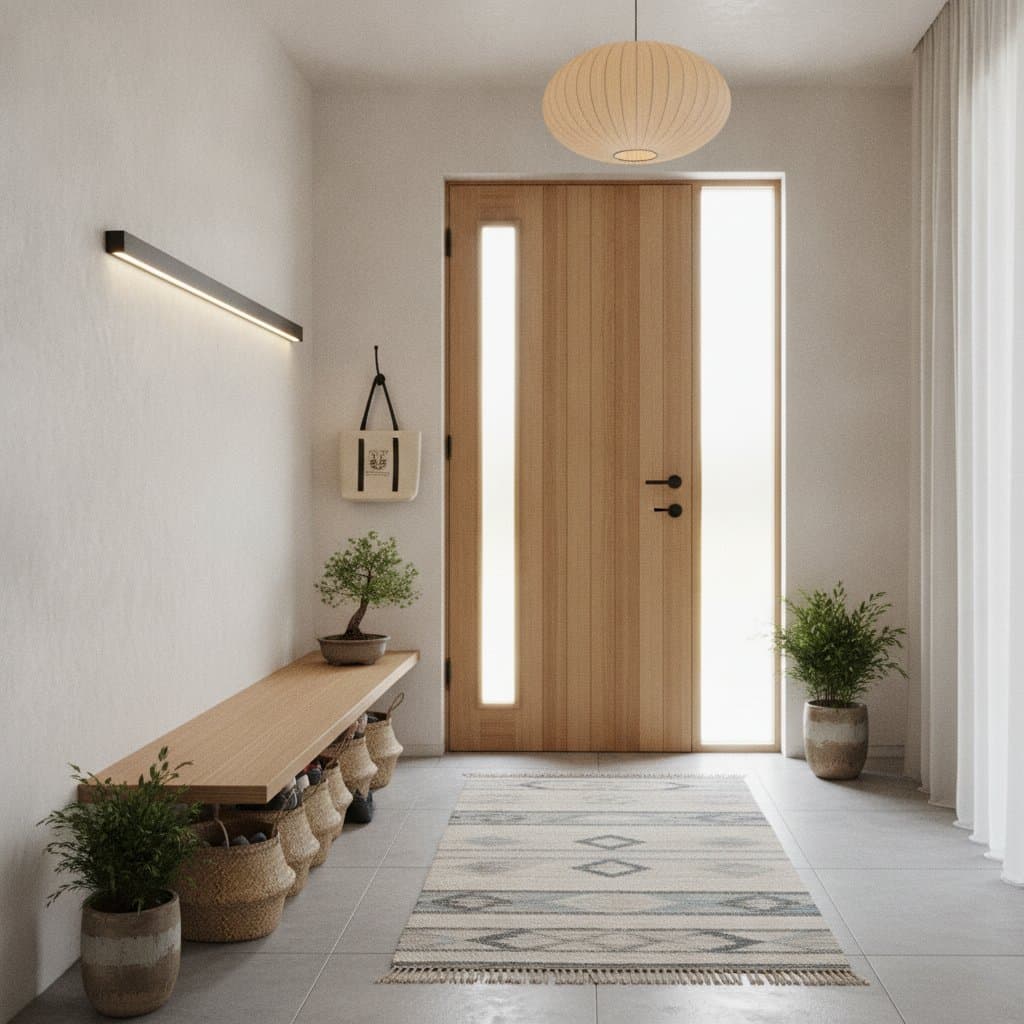
Homeowners appreciate how heated handles prevent frost accumulation on hardware, which protects finishes from cracking and extends the life of locks and seals. Available in various styles, they integrate smoothly with both sleek modern facades and classic wood exteriors. This blend of technology and aesthetics elevates the entryway into a welcoming focal point.
Key Benefits Driving Popularity
Heated handles stand out for their ability to eliminate the sting of cold metal contact, a common complaint in colder climates. They also minimize ice buildup, reducing the risk of slippery surfaces near the door. Advanced models link to smart home ecosystems, enabling remote activation via apps or voice commands for proactive warming.
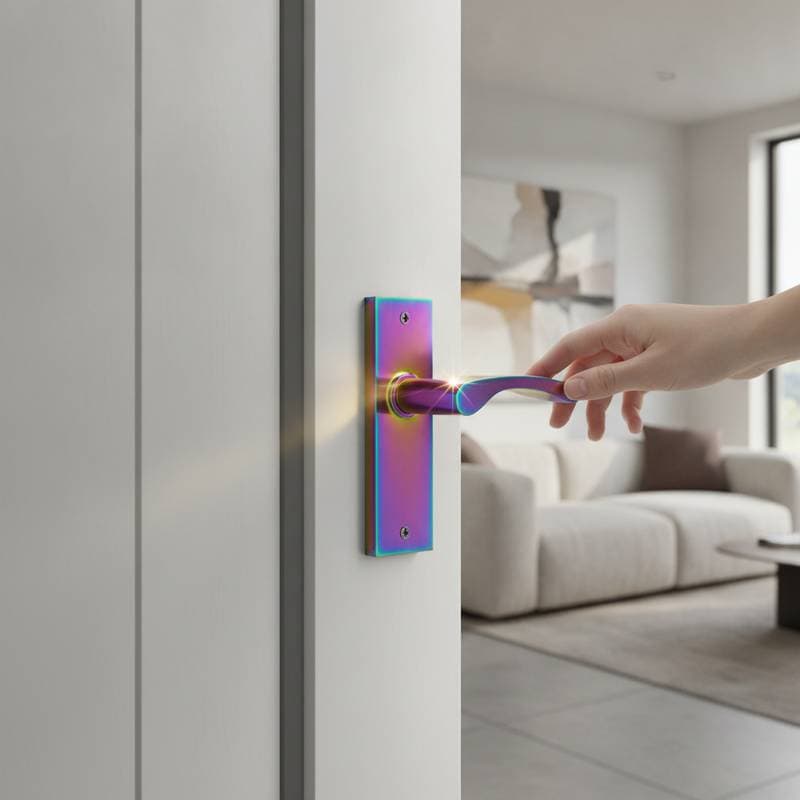
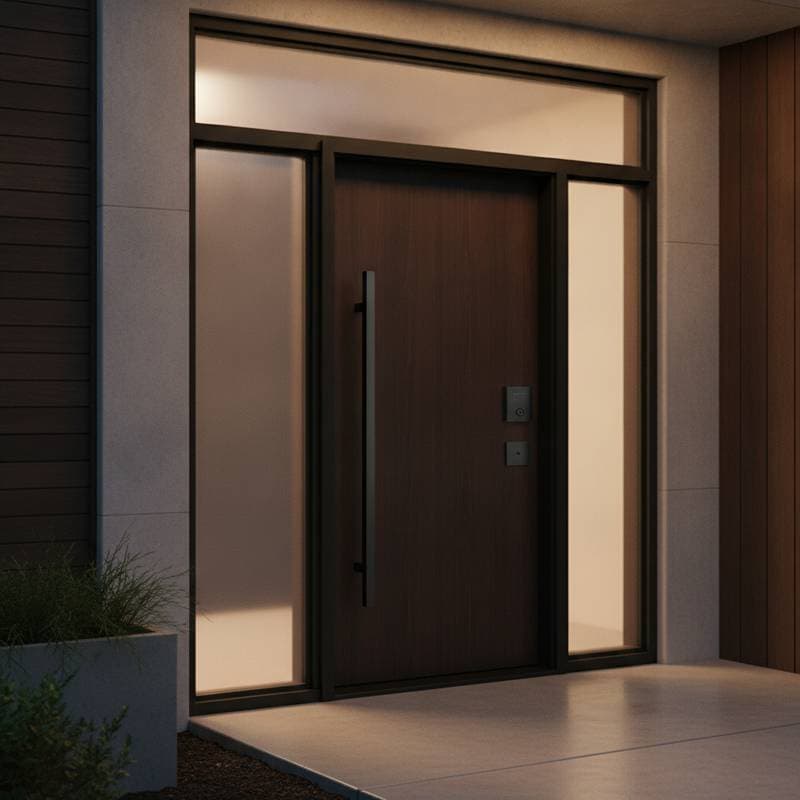
Versatility defines their appeal. A slim, matte black handle suits minimalist entries with glass panels, while a textured bronze version enhances rustic wood doors. These options align with trends favoring durable, low-maintenance materials that withstand harsh weather without sacrificing visual harmony.
Selecting the Right Heated Handle: Three Budget Levels
Budget-Friendly Option ($350 to $1,200)
Opt for powder-coated aluminum or stainless steel handles equipped with basic heating coils. These materials offer strong corrosion resistance and consistent performance in moderate winters. Manual thermostat controls keep costs down, and many connect to standard low-voltage wiring for straightforward setup.
To maximize value, prioritize handles with built-in overheat protection, which safeguards against energy waste and ensures safe operation. Professional installation typically adds $200 to $400, but DIY kits simplify the process for handy homeowners. This level delivers reliable warmth without unnecessary extras.
Mid-Range Selection ($1,200 to $3,500)
Pair a fiberglass or engineered wood door with a heated handle in finishes like brushed nickel or oil-rubbed bronze. These choices coordinate with neutral exterior palettes and endure seasonal wear effectively. Adaptive sensors adjust heat output based on outdoor temperatures, optimizing efficiency.
Invest in coordinated hardware sets that include heated hinges or locksets for uniform warmth across touch points. Such systems enhance security by preventing frozen mechanisms during storms. This approach balances performance with style, ideal for homes seeking subtle upgrades.
Premium Investment ($3,500 to $8,000)
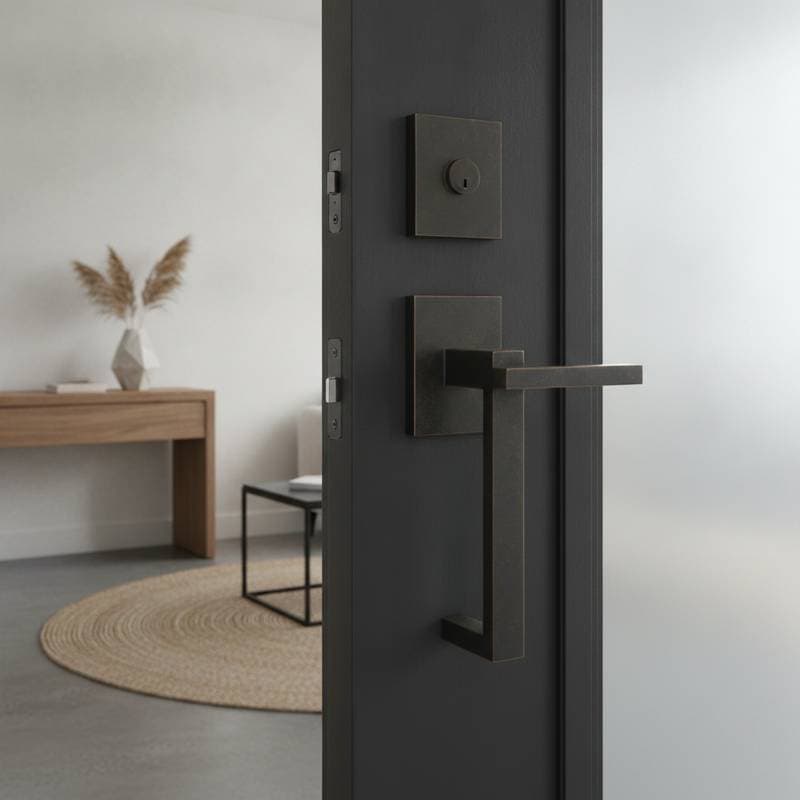
Choose solid brass or composite handles with micro-filament heating for superior heat distribution. Custom shapes can mirror unique architectural motifs, such as curved grips for Craftsman-style homes. Embedded LEDs indicate active warming, while weather-linked sensors preempt frost formation.
These high-end units connect seamlessly to full smart networks, syncing with door cameras or thermostats. Long-term savings come from reduced repairs, as they shield against ice-induced damage to frames and thresholds. For luxury properties, they boost curb appeal and resale value noticeably.
Coordinating Materials and Finishes
Door and Window Pairings
Fiberglass doors retain heat efficiently, amplifying the benefits of heated handles. Select walnut-stained wood for farmhouse aesthetics or graphite fiberglass for contemporary vibes, always matching handle finishes like matte black or chrome. For windows, insulated black frames provide modern contrast, while white grids harmonize with traditional setups.
Echo the handle's tone in window mullions to create visual flow. This coordination prevents a mismatched look and ensures the entry feels unified from afar.
Siding and Trim Integration
Fiber cement siding in smooth textures supports sleek designs, pairing well with stainless steel handles. Rustic board-and-batten in warm grays complements bronze options. Effective color matches include charcoal siding with bronze hardware, cream with nickel, or soft white with brass.
Match trim to hardware for cohesion: white trim heightens contrast on bold palettes, while matching tones promote subtlety. Incorporate entry lighting in similar metals to extend the design theme into evenings.
Essential Maintenance Practices
Annual inspections of wiring and seals keep heated handles performing optimally. Clean surfaces with a mild soap solution to remove debris, and apply protective coatings to finishes in salty or humid areas. Replaceable heating elements simplify repairs, often without full disassembly.
In snowy regions, rinse off de-icing salts weekly to avoid corrosion. Battery models require checks every six months, while smart units update firmware via Wi-Fi. These routines ensure longevity, typically 10 to 15 years with proper care.
Common Pitfalls to Avoid
Mismatched finishes disrupt exterior harmony; test samples under natural light before committing. Underpowered wiring risks system failure, so consult an electrician to verify circuit capacity. Neglected weatherstripping around doors diminishes heating efficiency, leading to uneven warmth.
Skip untested DIY mods on electrical components to prevent hazards. Always prioritize models certified for outdoor use to withstand moisture and temperature swings.
Tailoring to Regional Climates
In frigid zones, select insulated-wire handles with auto-sensors for reliable startup. Darker finishes absorb sunlight, aiding passive warming. Coastal homes benefit from marine-grade stainless to combat salt erosion; rinse regularly with fresh water.
Arid areas demand UV-protective coatings to maintain shine. Humid environments require sealed electronics to block condensation. These adaptations ensure handles thrive in local conditions, from Midwest blizzards to Southwest sun.
Merging Technology with Design
Heated handles fit into smart exteriors by linking with sensors that activate on approaching cold fronts. Pair them with app-controlled locks for hands-free access, where the handle warms as you near. Conceal wiring behind panels to preserve clean lines.
This integration enhances convenience without visual clutter. For instance, sync with home automation to preheat the entry 10 minutes before arrival, creating a seamless transition from outdoors to indoors.
Evaluating Cost Against Long-Term Benefits
Initial expenses cover materials and installation, but savings accrue from fewer lock jams and finish touch-ups. In premium markets, these features signal quality, potentially increasing property value by 1 to 2 percent. Start with a single entry upgrade to test impact before broader changes.
Combine with affordable tweaks like new thresholds or paint for amplified results. Over time, the comfort and durability justify the investment for frequent-use doors.
Incorporating into Exterior Renovations
View heated handles as connectors in larger updates. Align lighting fixtures with handle metals for nighttime glow. Add protective kickplates in matching tones to shield lower door areas.
Link to existing smart hubs for automated routines, and use seasonal accents like evergreen garlands to highlight the warm touch point. This holistic approach transforms the entry into a cohesive, climate-smart statement.
Installation Essentials
Hire certified electricians for wired systems to meet code standards and avoid voids in warranties. Battery or solar variants suit DIY projects; secure mounts firmly and test heat levels post-installation. Safe operating temperatures stay below 120 degrees Fahrenheit for comfortable handling.
Document the setup with photos for future reference, especially in variable climates.
Pre-Selection Planning Steps
Photograph your facade from multiple angles to evaluate scale and lighting. Note architectural details like roof pitch or window styles that influence handle choice. Check local regulations on electrical additions or HOA rules for visible tech.
Assess exposure to elements, such as prevailing winds or shade patterns, and outline budget tiers to guide decisions. This preparation streamlines selections and minimizes revisions.
Achieving a Unified, Welcoming Entry
Heated handles elevate doors from mere barriers to thoughtful features that blend warmth with architecture. They support trends in tactile, tech-infused exteriors that prioritize user experience. Applied thoughtfully, they foster entries that greet arrivals with comfort and style year-round.
Homeowners gain not only practical advantages but also a sense of refined living. This upgrade proves how small innovations can enhance daily routines and overall home appeal.