The Role of Antimicrobial Hardware in Post-Pandemic Homes
Homeowners increasingly view cleanliness as a fundamental aspect of daily life. Heightened health awareness influences interior design choices, elevating door hardware beyond mere aesthetics to include hygiene features. Antimicrobial handles, knobs, and hinges now feature prominently in new builds and renovations. These elements integrate appealing designs with technologies that combat germs on high-touch surfaces without drawing attention.
Understanding the Antimicrobial Mechanism
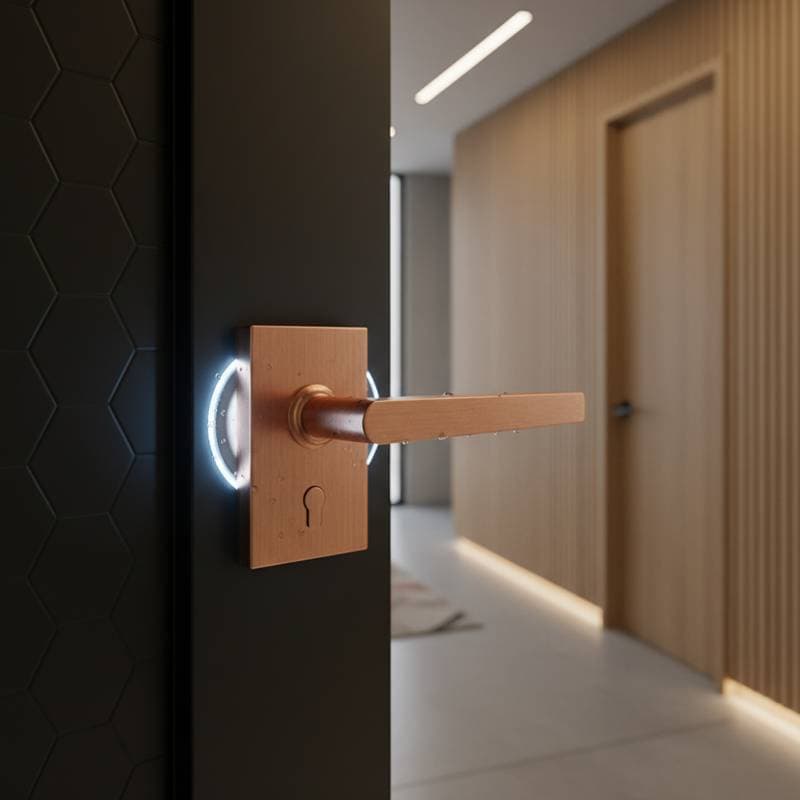
Antimicrobial hardware incorporates materials or treatments that inhibit bacteria, mold, and microbes. Copper and its alloys, including brass and bronze, possess inherent properties that actively diminish surface pathogens over time. Alternative options apply specialized coatings that adhere to metal bases and repel microbial adhesion. These solutions provide ongoing defense between cleanings, unlike one-time disinfectants, and prove especially valuable on frequently contacted areas.
Budget Strategies for Implementation
Select approaches based on financial scope and project scale to achieve effective upgrades.
Basic Upgrade (250 to 500 dollars)
- Select stainless steel or zinc handles enhanced with antimicrobial coatings for affordability.
- Prioritize replacements on high-traffic areas, including entry doors and bathroom fixtures.
- Favor lever styles, which facilitate wiping and reduce overall expenses.
Intermediate Upgrade (600 to 1,200 dollars)
- Choose solid brass or copper alloy handles that leverage natural antimicrobial traits.
- Match finishes between interior and exterior doors to maintain visual harmony.
- Incorporate compatible hinges and latch plates for a unified appearance.
Premium Upgrade (1,300 to 2,500 dollars)
- Deploy copper or bronze hardware across the residence for enduring efficacy.
- Integrate self-cleaning mechanisms that activate via light exposure or movement.
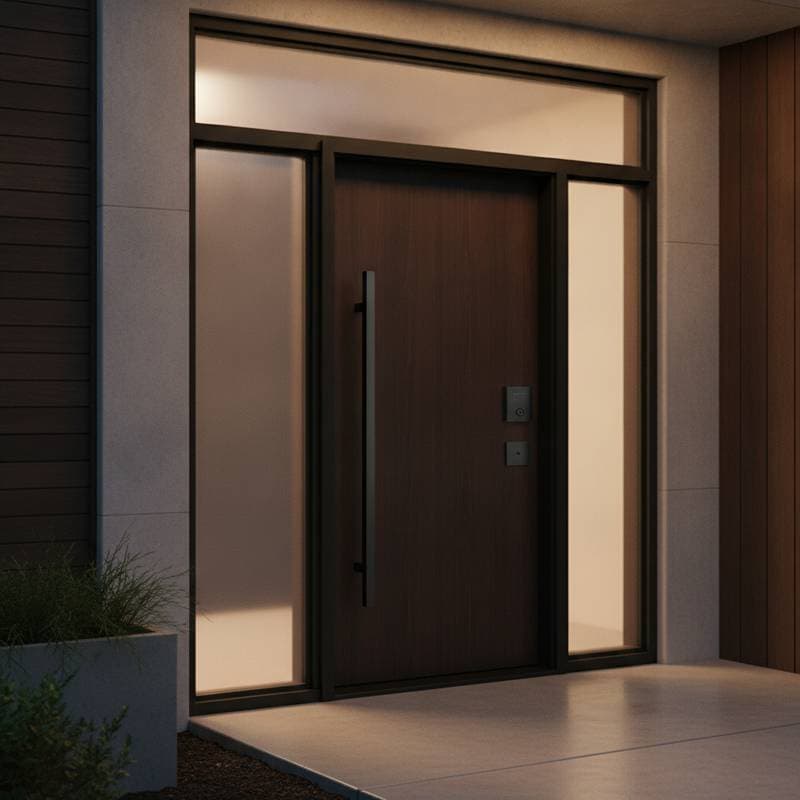
- Combine with smart locks and touchless systems to minimize physical contact.
Selecting Materials and Finishes
Tailor choices to specific applications for optimal performance and aesthetics.
- Windows: Opt for anodized aluminum or powder-coated frames that deter fingerprints and resist humidity. Complement with handles or cranks in antimicrobial-treated brushed nickel or matte black.
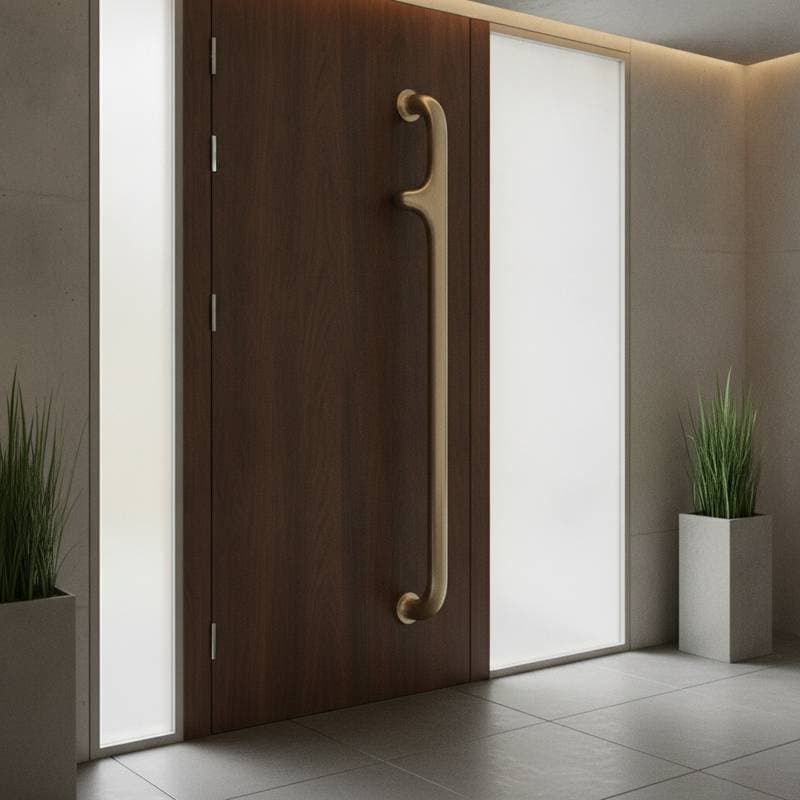
- Doors: Copper, brass, and bronze enhance wooden doors with elegant aging characteristics. In contemporary settings, treated stainless steel provides a streamlined, easy-care alternative.
- Siding: Align exterior elements like house numbers or mailboxes with door hardware tones to ensure antimicrobial consistency.
- Trim and Accents: Apply durable sealants and smooth surfaces around handles and hinges to simplify cleaning and inhibit residue accumulation.
Essential Maintenance Practices
Antimicrobial properties lessen microbial persistence yet demand regular upkeep. Copper and brass develop a patina that imparts a desirable vintage appeal to many spaces. For sustained brightness, apply gentle polishing techniques. Coated surfaces respond well to mild soap solutions and water rinses. Steer clear of abrasives that might erode protective layers, and adhere to guidelines for self-cleaning variants to preserve functionality.
Common Pitfalls to Sidestep
Prevent issues that could undermine installation success and longevity.
- Material Incompatibility: Pairing copper with aluminum risks galvanic corrosion; select harmonious metals or insert insulating washers between components.
- Undersized Hardware for Heavy Doors: Solid doors necessitate robust hinges; inadequate selections accelerate wear and pose security risks.
- Neglecting Finish Testing: Ambient lighting and adjacent colors alter metal perceptions; examine samples under both natural and indoor illumination prior to purchase.
Harmonizing Colors and Styles
A cohesive scheme amplifies perceptions of cleanliness and architectural flow. Antimicrobial metals adapt to diverse palettes:
- Warm Tones: Copper against cream or olive exteriors fosters an inviting, traditional vibe.
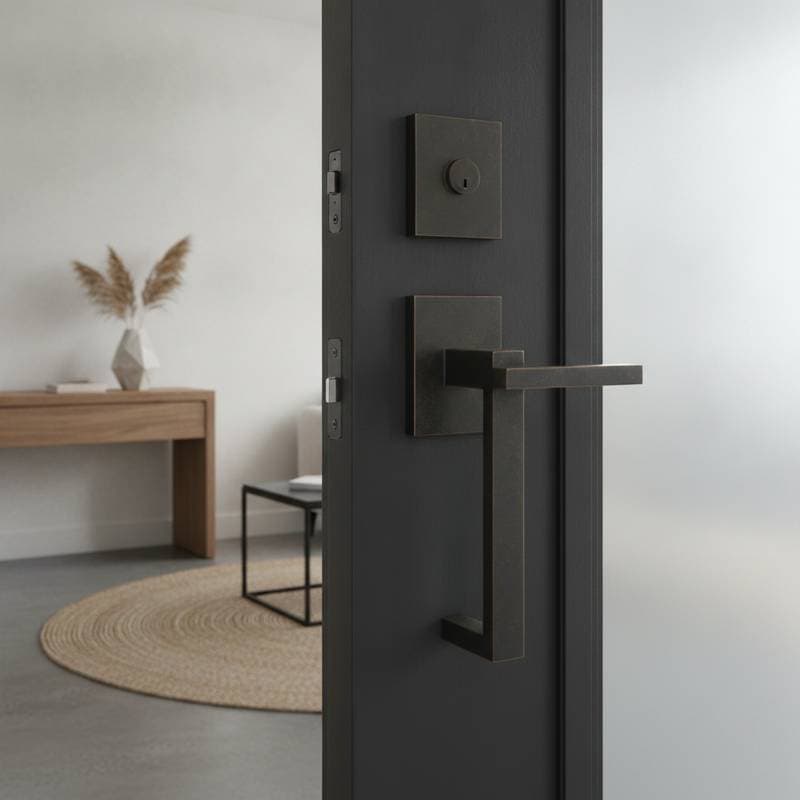
- Contemporary Neutrals: Matte black on light gray doors delivers a sharp, modern silhouette.
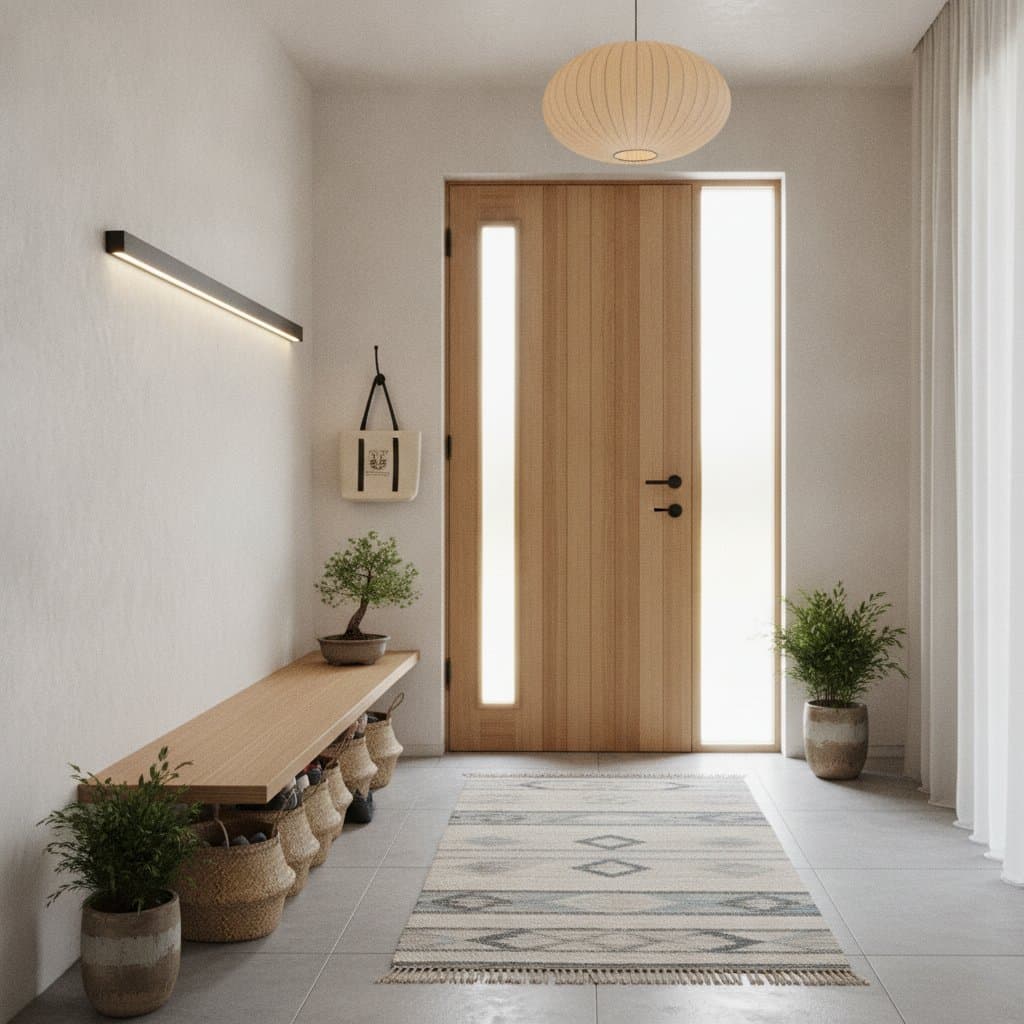
- Organic Blends: Bronze accents on wood-stained doors accentuate natural grains and comfort.
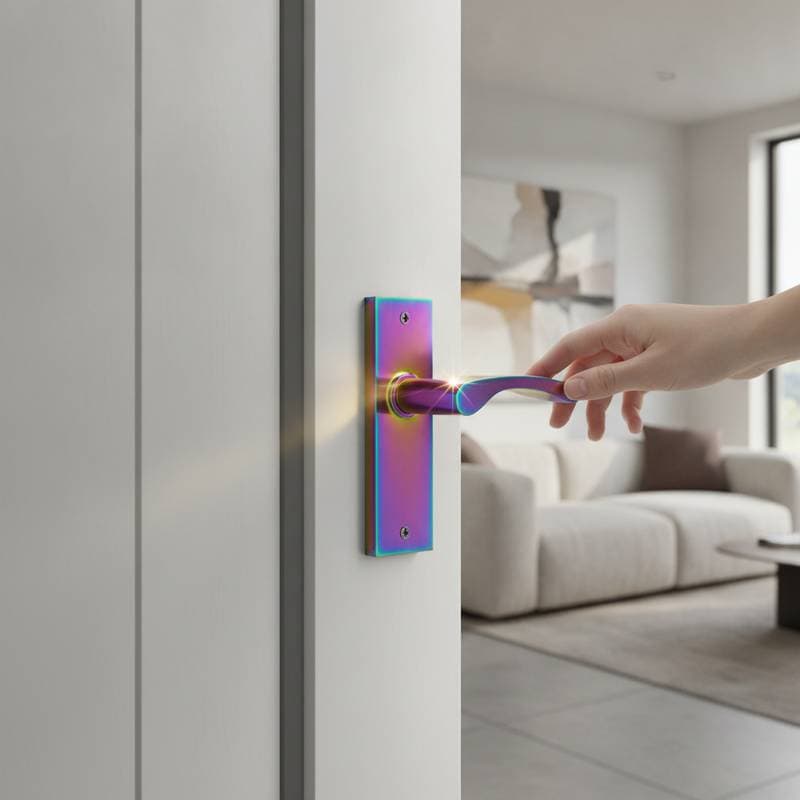
- Vibrant Highlights: Polished nickel or stainless reflects illumination effectively alongside white moldings.
Extend the chosen finish to entryways, garage doors, and window elements for seamless integration. Strategic lighting accentuates metallic qualities and underscores artisanal details in handles.
Preparation Checklist for Selections
Assess existing setups methodically to inform decisions:
- Photograph door and window hardware from various perspectives.
- Record architectural motifs, trim hues, and adjacent materials.
- Verify local or association guidelines on outdoor finishes.
- Evaluate environmental influences like moisture levels, coastal salinity, or UV exposure.
- Define budgetary focuses for initial upgrades in key areas.
Achieving Lasting Hygiene and Aesthetic Balance
Antimicrobial door hardware merges health safeguards with design excellence. Prioritize selections that align hygiene advantages with enduring style and material resilience. Traditional copper and brass evolve gracefully over years, whereas coated stainless delivers precise modernity with effortless care. Targeted updates, whether to a primary entrance or full interiors, foster reduced germ exposure. Through finish synchronization, upkeep adherence, and deliberate planning, these components sustain visual allure while vigilantly guarding household wellness.