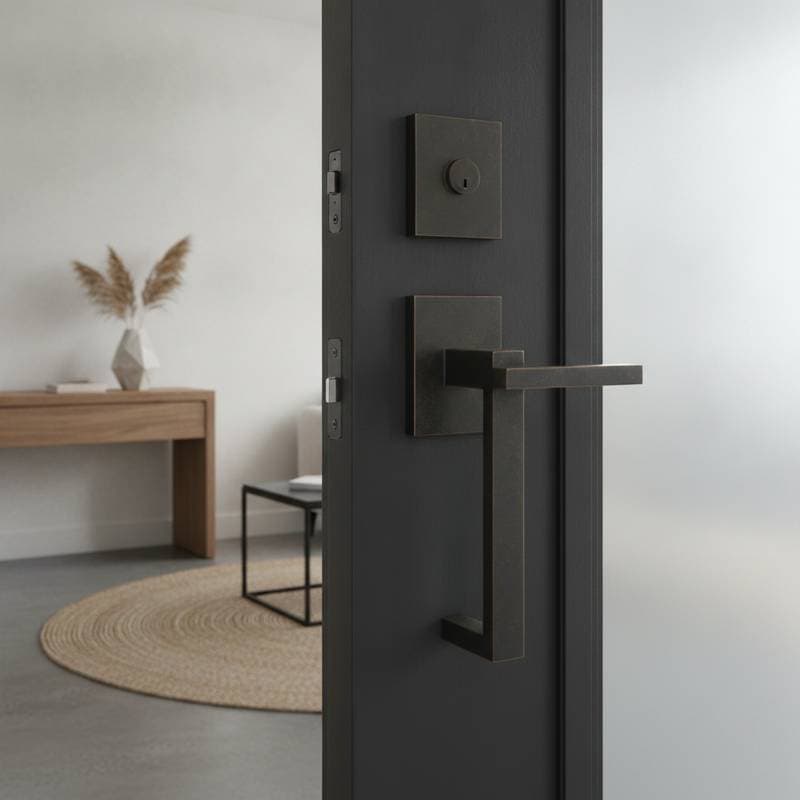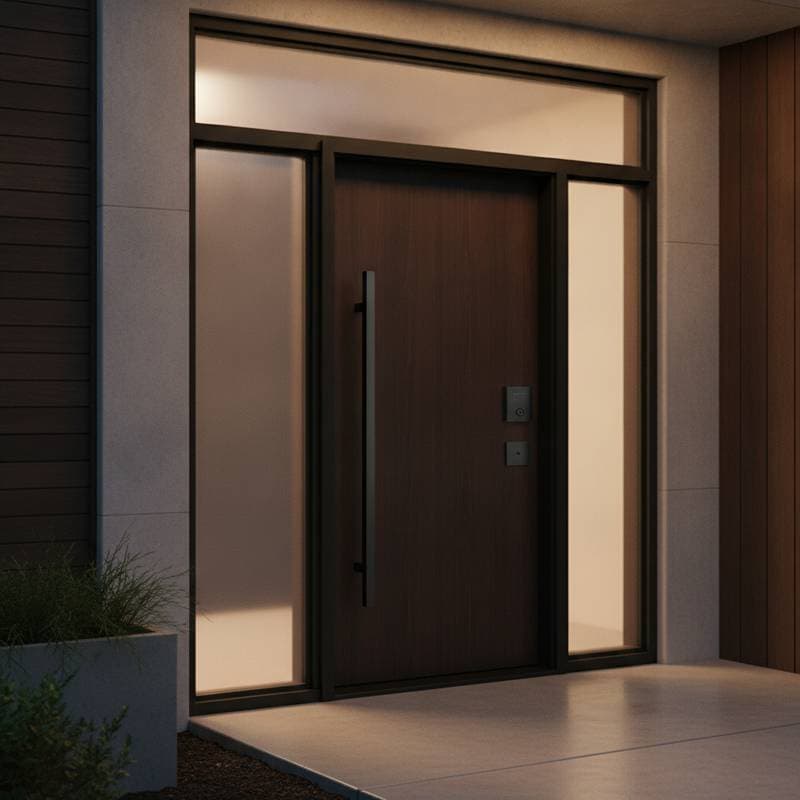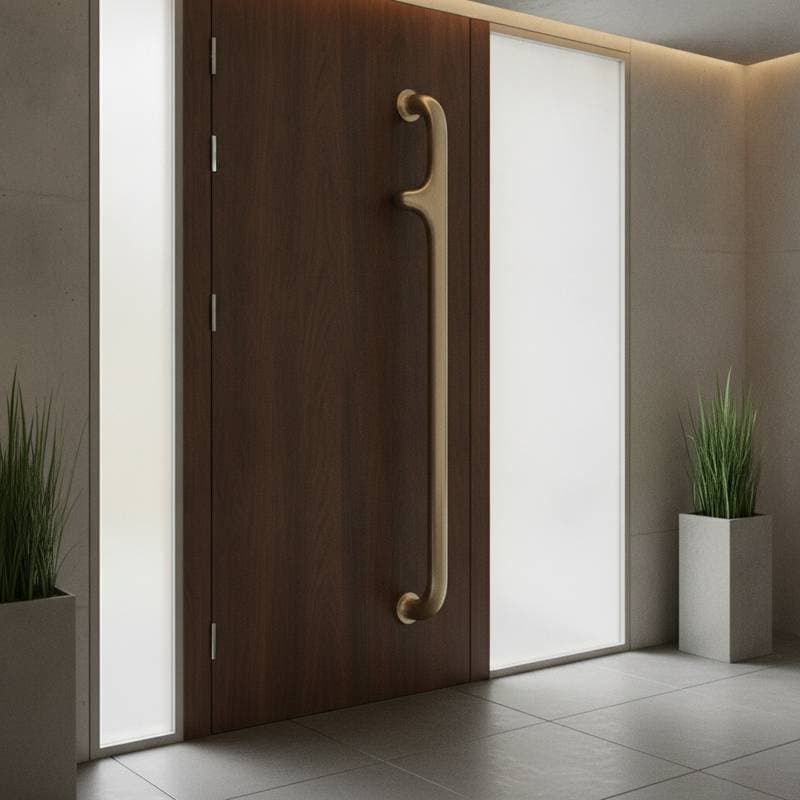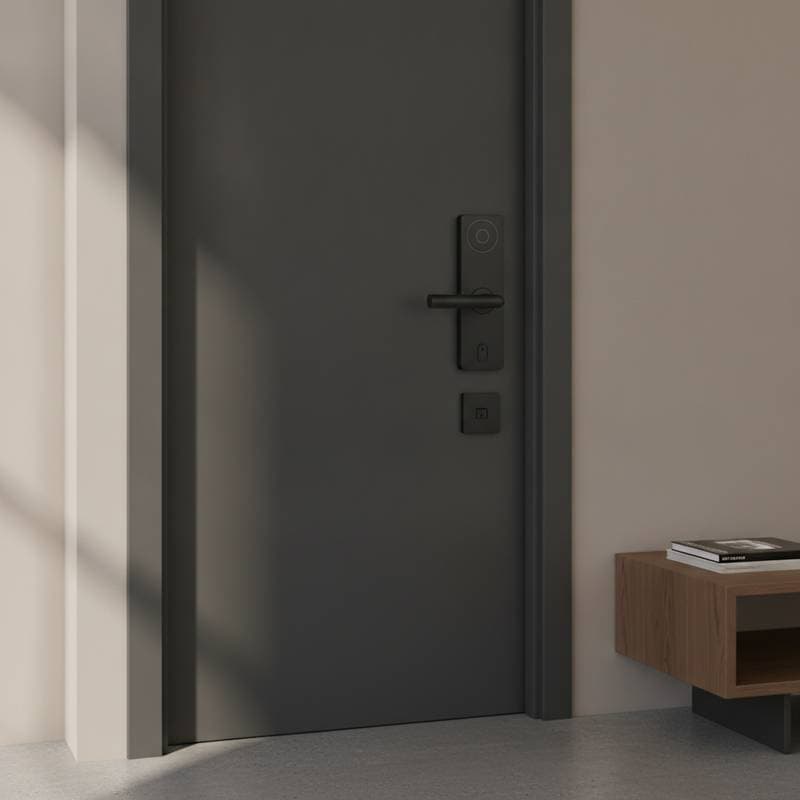
Introduction to Clay-Textured Door Hardware
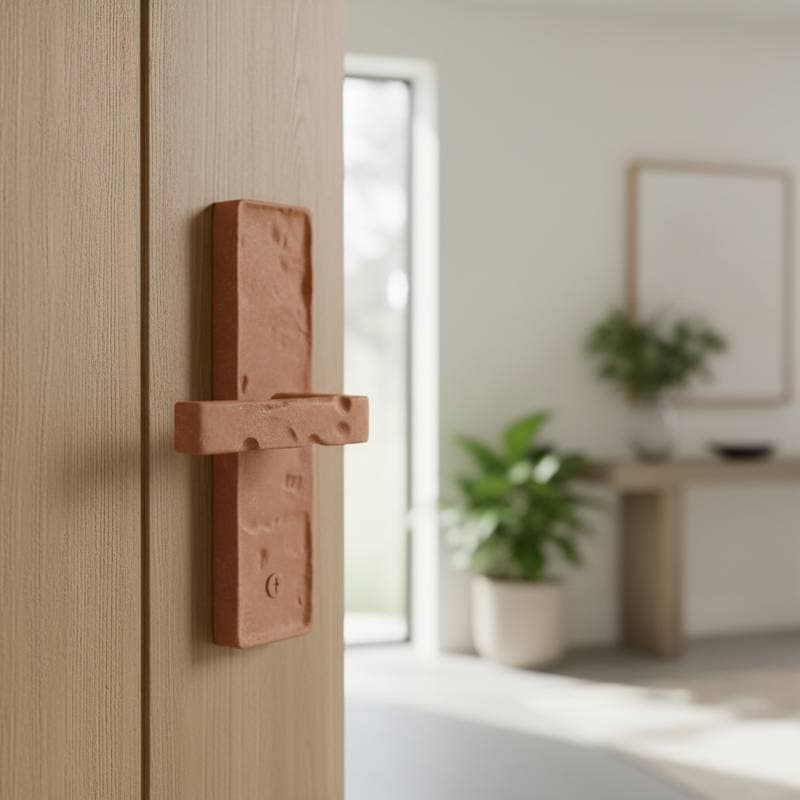
Clay-textured door hardware represents a shift toward materials that evoke nature within modern interiors. This trend gains momentum for 2026, as homeowners seek elements that combine functionality with sensory appeal. Unlike glossy metals, clay finishes offer a subtle, matte surface that invites touch and adds depth to door designs.
The appeal lies in their ability to ground spaces amid sleek contemporary aesthetics. Designers praise this hardware for bridging the gap between rustic charm and urban sophistication. As sustainability becomes central to home choices, clay options stand out for their eco-friendly profile.
The Rise of Organic Materials in Interior Design
Interior trends for 2026 emphasize natural elements to counterbalance digital-heavy lifestyles. Clay-textured hardware fits seamlessly into this movement, mimicking the irregularity of hand-formed pottery. Its surface variations create visual interest without overwhelming room compositions.
This hardware draws from ancient crafting techniques, updated for contemporary use. Manufacturers now produce it with low-impact processes, reducing environmental footprints compared to traditional metal casting. The result is a product that feels authentic and aligns with global pushes for greener living.
Homeowners appreciate how these pieces integrate with wood doors, stone accents, or minimalist cabinetry. The texture softens harsh lines, fostering a sense of calm. In high-traffic areas, the material proves resilient, resisting wear while maintaining its earthy allure.
Tactile and Visual Benefits
One key advantage of clay-textured hardware is its tactile quality, which encourages interaction with doors. Fingers glide over the subtle ridges, creating a multisensory experience that elevates daily routines. This design choice transforms ordinary passages into focal points of comfort.
Visually, the matte finish diffuses light, avoiding glare and promoting a serene atmosphere. It complements both warm and cool color palettes, from neutral tones to bold accents. In spaces with natural light, the texture casts soft shadows that enhance architectural details.
Durability remains a priority; these handles withstand humidity and frequent use without fading. Cleaning requires simple methods, preserving the finish over time. Such practicality ensures long-term satisfaction for users who value both form and function.
Sustainability and Craftsmanship
Clay hardware supports sustainable design through responsible sourcing and production. Materials often derive from recycled or abundant natural clays, minimizing extraction impacts. Production avoids harsh chemicals, aligning with certifications for eco-conscious consumers.
Artisanal methods infuse each piece with uniqueness, as no two textures match exactly. This handcrafted aspect appeals to those desiring personalized interiors. Brands collaborate with artisans to scale quality while upholding ethical standards.
In broader trends, this hardware reduces reliance on resource-intensive metals. It promotes a circular economy, where pieces endure and inspire reuse. Homeowners find value in investing in items that reflect environmental stewardship.
Integrating Clay Hardware into Your Space
Selecting clay-textured hardware begins with assessing your interior style. For modern kitchens, pair matte handles with sleek cabinet fronts to add warmth. In bedrooms, hinges with subtle texture enhance tranquility alongside soft linens.
Consider scale: larger pulls suit wide entry doors, while compact knobs fit bathroom vanities. Test samples in your lighting conditions to gauge color shifts. Professional installers ensure secure fitting, maximizing the hardware's impact.
Mix textures thoughtfully; combine clay with smooth woods for contrast. In open-plan homes, consistent hardware unifies spaces without monotony. Budget for quality, as premium pieces offer superior longevity and satisfaction.
Enhancing Everyday Living with Timeless Appeal
Clay-textured door hardware delivers lasting value by adapting to evolving tastes. Its neutral palette allows refreshes through paint or accessories, extending usability. Families benefit from safe, non-slip grips that support accessibility needs.
This trend fosters connections to nature, improving well-being in urban settings. Designers forecast its dominance in 2026 showrooms, influencing commercial spaces too. Embracing these elements creates homes that feel alive and intentional.
Ultimately, clay hardware enriches interiors with authenticity and ease. It invites personalization while promising durability. Choose it to craft spaces that resonate deeply and stand the test of time.