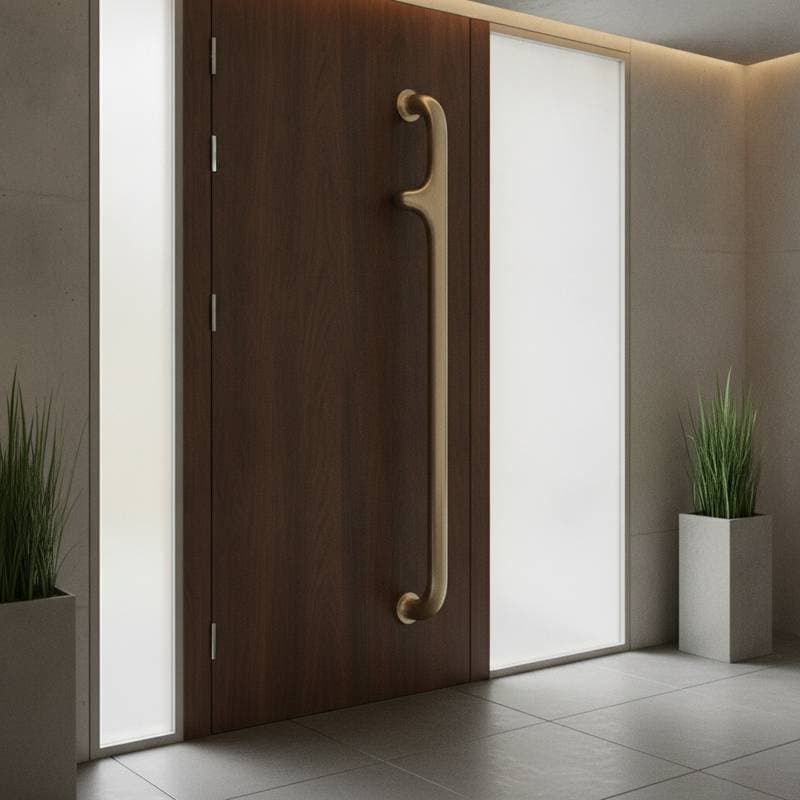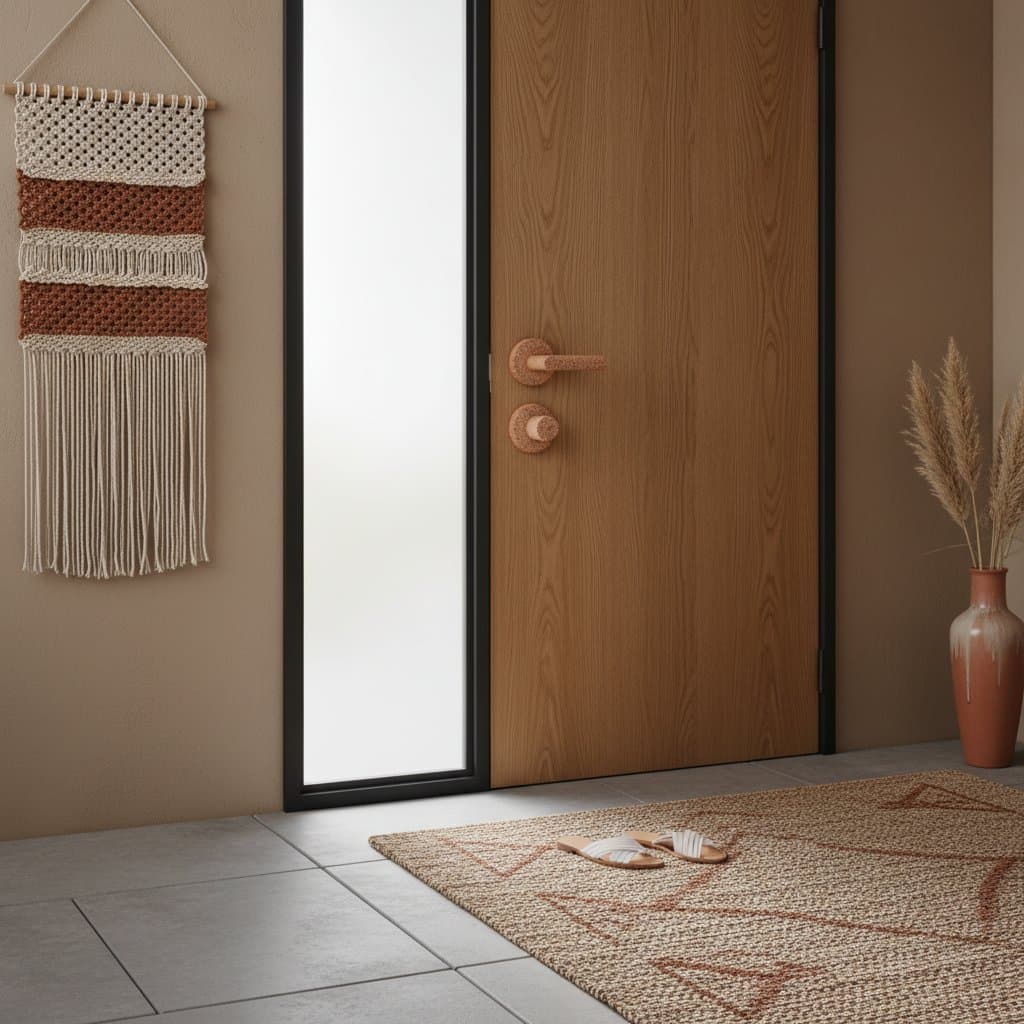
Terracotta Hardware: The 2026 Door Design Revelation
Warm, tactile, and subtly assertive, terracotta hardware transitions from craft workshops to everyday residential applications. Natural color fluctuations and gentle matte surfaces impart a bespoke quality to doors, harmonizing with modern and traditional structures alike. This surge aligns with a resurgence of natural elements, where tactile qualities and subtle shades supplant shiny surfaces and ostentation. Homeowners gravitate toward terracotta for reasons similar to selecting linen fabrics over synthetics or limewash coatings over standard paints: it conveys genuineness, stability, and enduring appeal.
Three Strategies to Achieve This Aesthetic
Budget Strategy ($150 to $400)
- Select ceramic knobs or pulls featuring a terracotta glaze. Source these from boutique makers or digital platforms specializing in artisanal goods.
- Maintain simplicity in the door selection, such as a painted wooden or medium-density fiberboard panel in a gentle neutral shade like warm white or clay gray.
- Allocate additional effort to precise installation of the hardware. Basic knobs gain sophistication through accurate alignment and spacing.
Intermediate Strategy ($450 to $1,200)
- Choose solid wood doors paired with terracotta-hued ceramic or resin handles. The inherent depth of wood tones amplifies the inherent warmth of terracotta.
- Incorporate bespoke blended finishes, such as matte brass baseplates combined with unglazed ceramic knobs.
- Integrate door hinges and strike plates in subdued bronze or brushed brass to ensure unified detailing.
Premium Strategy ($1,300 to $3,000)
- Procure hand-thrown terracotta handles or molded ceramic levers from skilled artisans. Each item exhibits distinct tonal and textural nuances.
- Pair with solid oak, walnut, or ash doors treated with natural oil finishes to accentuate the earthy color scheme.
- Arrange for tailored hardware using clay composites or stone-enhanced ceramics. These options replicate terracotta warmth while providing enhanced resilience for frequently accessed zones.
Guide to Materials and Finishes
- Windows: Coordinate terracotta-hued hardware with black or deep brown window frames. Narrow steel or composite frames offer sharp contrast that accentuates the color. In traditional settings, wooden windows stained in honey or chestnut preserve a seamless natural progression with the hardware.
- Doors: Terracotta hardware integrates optimally with matte or satin door finishes. Painted doors in soft white, mushroom gray, or subdued sage allow the hardware to stand out. For intensified impact, opt for charcoal or deep navy doors to create striking juxtaposition.
- Siding: Neutral siding options like fiber cement in beige or taupe integrate smoothly. Brick or stone facades with warm undertones naturally amplify the terracotta scheme. Contemporary styles benefit from smooth stucco in off-white or sand hues, which support without overshadowing.
- Trim and Accents: Employ restrained trim colors. Creamy white or pale putty shades delineate boundaries while positioning the hardware as the central element. For added depth, incorporate bronze lighting fixtures or copper-finished house numbers in proximity to foster equilibrium.
Practical Maintenance Considerations
Terracotta hardware proves more robust than anticipated, yet it demands attentive upkeep. Glazed variants withstand stains and humidity, rendering them ideal for indoor applications and sheltered outdoor entrances. Unglazed or manually finished ceramics benefit from periodic sealing to avert moisture uptake. Steer clear of abrasive cleaners that erode protective layers or modify surface colors. For exposed exterior doors, explore metal alternatives inspired by terracotta tones, which emulate the appearance while avoiding clay vulnerabilities. Consistent dusting and soft wiping preserve the subtle luster that defines these elements.
Common Pitfalls to Sidestep
- Overmixing Finishes: Pairing terracotta handles with chrome hinges or polished silver locks fractures the unified warmth. Adhere to metals sharing comparable undertones, including brass, bronze, or darkened steel.
- Selecting Incompatible Tones: Terracotta spans from light peach to intense rust. Align hardware choices with door and siding palettes. Cool grays conflict with orange-dominant variants, whereas warm neutrals and greens integrate effortlessly.
- Overlooking Door Proportions: Petite ceramic knobs may appear diminutive on expansive doors. For broader panels, employ extended pulls or ornate levers that balance aesthetics and utility.
Harmonized Color Scheme
- Terracotta Clay: The foundational shade, abundant and grounded.
- Soft Sage: Tempers warmth with a natural green inflection.
- Warm White: Maintains sharpness and contemporaneity.
- Charcoal Gray: Supplies stabilizing opposition.
- Honey Oak: Infuses inherent wood warmth for trim or siding elements.
Essential Style Evaluation
Prior to finalizing choices, thoroughly record existing exterior and interior components. This groundwork simplifies sourcing and aids in envisioning terracottas interplay with current surfaces.
Photography and Preparation Protocol
- Photograph the current exterior from frontal, lateral, and posterior angles. Include detailed shots of doors, trim, and hardware for precise hue matching.
- Determine the architectural style of the home. Terracotta hardware aligns exceptionally with Mediterranean, modern farmhouse, and mid-century modern motifs.
- Examine local neighborhood aesthetics and any governing regulations. Warm earth tones typically satisfy standards, but verification remains essential.
- Evaluate regional weather patterns. In moist or seaside environments, glazed ceramics or composites outperform untreated clay.
- Establish budget parameters upfront. Clarify if terracotta hardware serves as a standout element or integrates into a comprehensive material update.
Integrating Elements for Lasting Impact
Terracotta hardware instills subtle warmth that elevates a basic door to a focal design feature. It connects rustic authenticity with disciplined modernity, providing hue without sheen and texture without extravagance. With deliberate planning, it unifies windows, siding, and trim into a seamless scheme that resonates as both timely and perpetual.
Homeowners desiring uniqueness may commence with one entry door or interior set. Individuals pursuing comprehensive renewal could synchronize terracotta handles with aligned lighting, numerals, and mailbox elements. The outcome yields an exterior that radiates craftsmanship, invitation, and understated elegance.
Terracottas allure stems from its sincerity. It honors clays subtle flaws, sun-warmed pigmentation, and the reassurance of organic substances. Whether aligned with streamlined minimalist forms or aged farmhouse exteriors, this approach affirms that authentic texture and coloration endure beyond fleeting fashions.