Terrazzo Revival: The Leading Entryway Flooring Trend for 2026
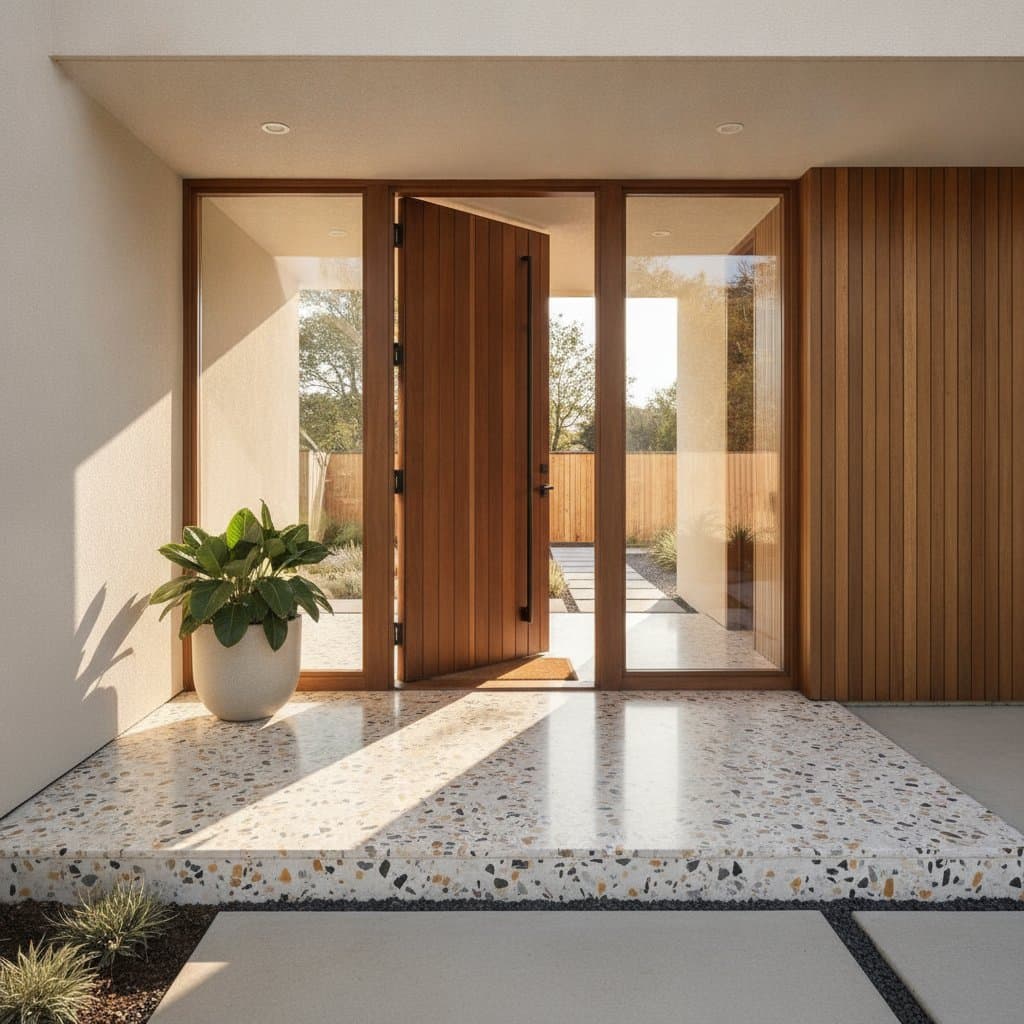
Home design trends evolve gradually in many cases, yet terrazzo commands attention with its decisive resurgence. This composite material, historically prominent in mid-century public spaces, now revitalizes residential entryways through its vibrant aggregates, smooth surfaces, and exceptional resilience. Homeowners seeking flooring that harmonizes visual appeal with everyday functionality find terrazzo increasingly compelling.
This guide equips homeowners with essential insights into the terrazzo movement. It covers installation expenses, stylistic variations, upkeep requirements, and strategies to integrate this material effectively into entryway renovations.
Installation Costs for Terrazzo Entryways
Terrazzo installation in home entryways demands skilled craftsmanship and quality components, factors that shape total expenses. Most projects range from $30 to $80 per square foot, influenced by the terrazzo variant, subfloor readiness, and pattern intricacy.
The table below outlines prevalent terrazzo categories along with their price brackets:
| Terrazzo Type | Cost Range (per sq. ft.) | Key Features |
|---|---|---|
| Cement-based | $30 to $50 | Classic appearance, substantial depth, somewhat absorbent |
| Epoxy-based | $40 to $80 | Reduced weight, impermeable, diverse hues |
| Precast terrazzo tiles | $25 to $60 | Simplified setup, consistent motifs, reduced personalization |
| Recycled glass terrazzo | $40 to $90 | Eco-oriented, vivid tones, superior gloss |
Smaller entryways often incur elevated rates per square foot, as setup fees distribute across limited space. Expansive installations, by contrast, achieve modest savings through economies of scale.
To refine estimates, homeowners should solicit quotes from certified installers, factoring in regional labor variations and any subfloor repairs. Such preparation ensures budgets align with realistic projections.
Terrazzo Versus Alternative Entryway Materials
Selecting entryway flooring involves evaluating terrazzo against options like ceramic tiles, wood planks, and stone slabs. Each alternative presents unique visual, performance, and care attributes.
| Material | Cost Range (per sq. ft.) | Durability | Maintenance | Design Flexibility |
|---|---|---|---|---|
| Terrazzo | $30 to $80 | Extremely high | Low | Boundless hues and configurations |
| Ceramic tile | $10 to $25 | Moderate | Moderate | Varied forms, yet grout demands attention |
| Hardwood | $12 to $30 | Moderate | Medium to high | Cozy ambiance, vulnerable to moisture |
| Natural stone | $20 to $50 | High | Moderate | Sophisticated, necessitates periodic sealing |
| Vinyl plank | $5 to $12 | Moderate | Low | Economical, shorter service life |
Terrazzo distinguishes itself as a durable choice for forward-thinking homeowners. Its capacity to endure for generations, with minimal intervention, justifies the premium initial outlay over time.
Beyond longevity, terrazzo resists scratches and stains better than many rivals, preserving its allure in high-traffic zones. Homeowners prioritizing value appreciate how this material evolves from an expense into an asset.
The Terrazzo Installation Sequence
Terrazzo application follows a precise, labor-intensive protocol. Familiarity with these stages allows homeowners to gauge durations and mitigate disruptions.
-
Subfloor preparation: Workers thoroughly cleanse, even out, and seal the base layer. They address fissures or dampness issues to establish a stable foundation.
-
Divider installation: Aluminum or zinc strips demarcate zones for colors and expansion joints, preventing fractures from thermal shifts.
-
Mixing and pouring: Aggregates blend with binders, then pour onto the prepared surface for uniform distribution and compression. Epoxy variants cure within 24 to 48 hours.
-
Sanding and buffing: Post-curing, technicians employ diamond abrasives in escalating grits to refine the texture to the preferred level.
-
Sealing application: A final coat safeguards against spills and amplifies luster, completing the process.
Standard entryway projects span five to seven days, though elaborate motifs or broader expanses may prolong efforts to two weeks. Coordinating with professionals ensures seamless execution.
Eco-Friendly Advantages of Terrazzo
Terrazzo appeals to environmentally aware homeowners through its green credentials. Both epoxy and cement formulations incorporate post-consumer elements like crushed glass, ceramic shards, and stone offcuts, diverting materials from landfills.
The material's extended lifespan curtails replacement frequency, conserving resources and diminishing environmental impact. Its light-reflecting properties enhance illumination, potentially lowering reliance on artificial lights in foyer areas.
Environmental consultant Maria Lopez of GreenBuild Advisors stated, "Terrazzo represents a rare intersection of sustainability and aesthetics. Its recycled components and prolonged durability render it a wise choice for discerning, planet-friendly residents."
Homeowners can amplify these benefits by selecting suppliers certified for low-VOC binders, ensuring the installation aligns with broader green home initiatives.
Challenges and Considerations for Terrazzo
Terrazzo, like any flooring, presents certain hurdles. Awareness of these aspects informs balanced decision-making.
-
Elevated initial expense: Upfront costs exceed those of basic alternatives, although durability recoups the difference over years.
-
Chilly tactile feel: The surface remains cool to the touch, potentially uncomfortable in chillier regions unless paired with underfloor heating systems.
-
Wet-surface slip risk: Polished variants grow hazardous when damp; textured additives or mats mitigate this near thresholds.
-
Design permanence: Alterations post-installation demand full removal, underscoring the importance of thorough planning.
Addressing these through consultations with designers helps tailor terrazzo to specific lifestyles and climates.
Integrating Terrazzo into Your Entryway Design
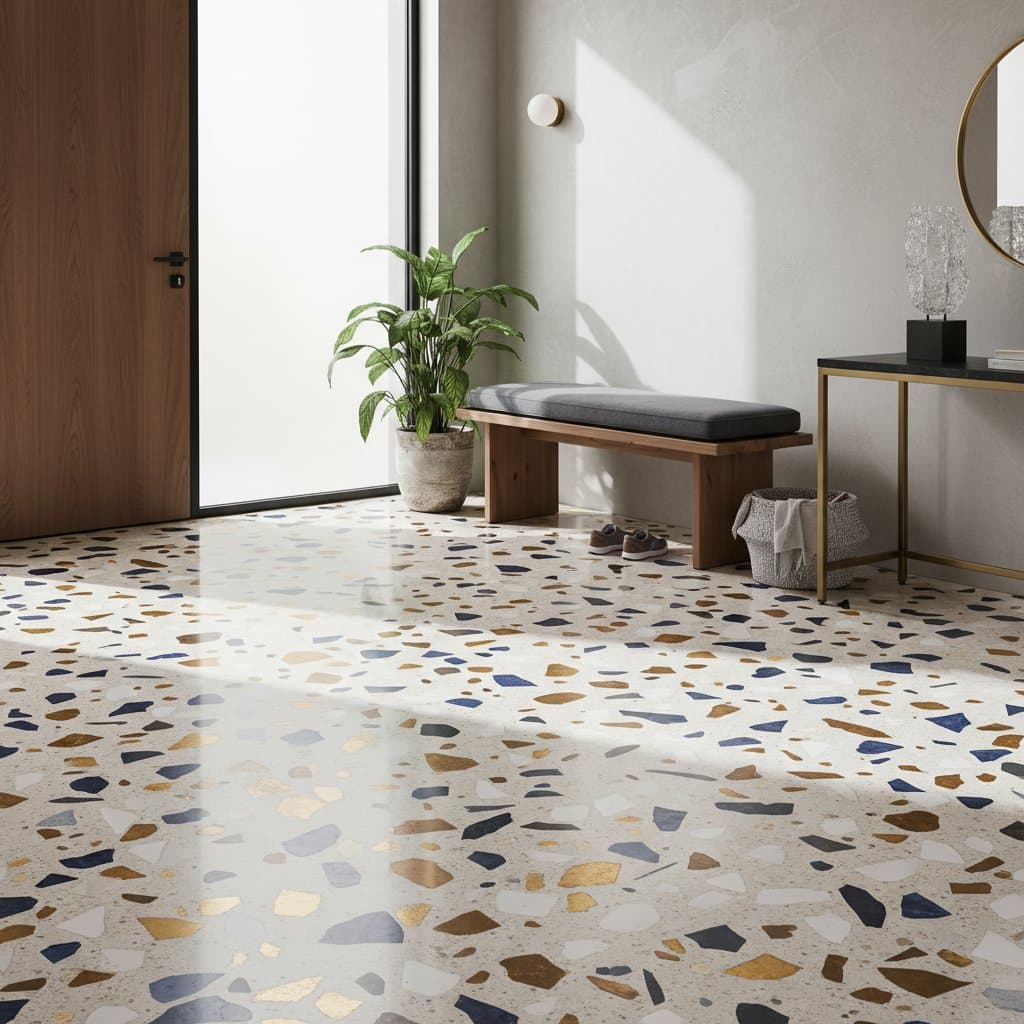
To leverage terrazzo effectively, start by assessing your space's dimensions and traffic patterns. Collaborate with architects to sketch custom aggregates that echo interior palettes, such as metallic flecks for contemporary vibes or earthy tones for organic flows.
Pair the flooring with complementary elements like slim metal thresholds or wall sconces to amplify its gleam. For sustainability enthusiasts, prioritize recycled variants and verify installer credentials for ethical sourcing.
Ultimately, terrazzo elevates entryways into statement areas that welcome guests with sophistication. Its blend of resilience and artistry ensures lasting satisfaction, positioning it as a cornerstone of 2026 home innovations.