Why Matte Brass Leads Japandi Door Trends in 2026
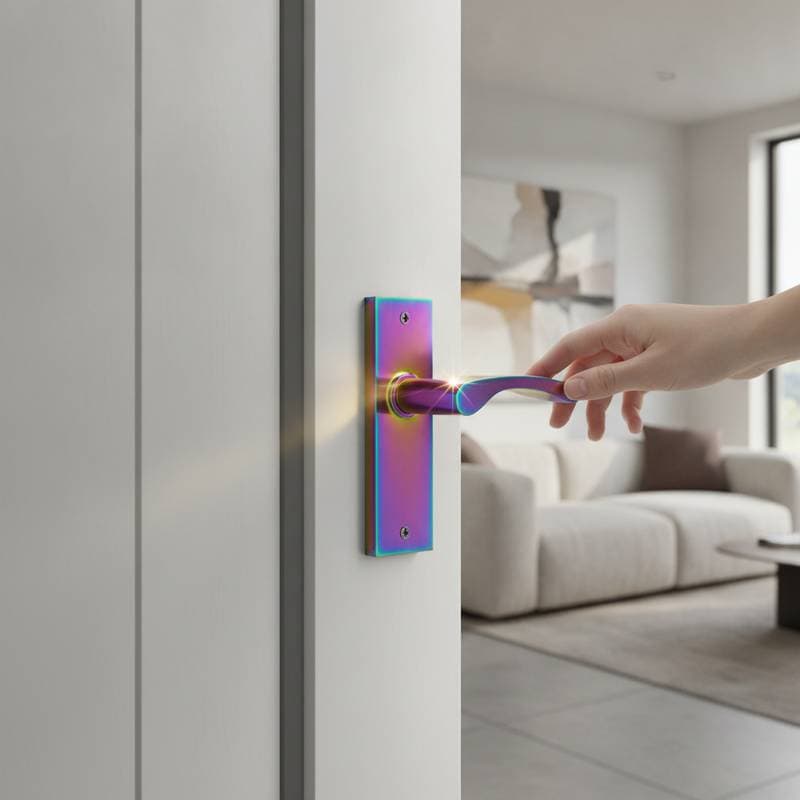
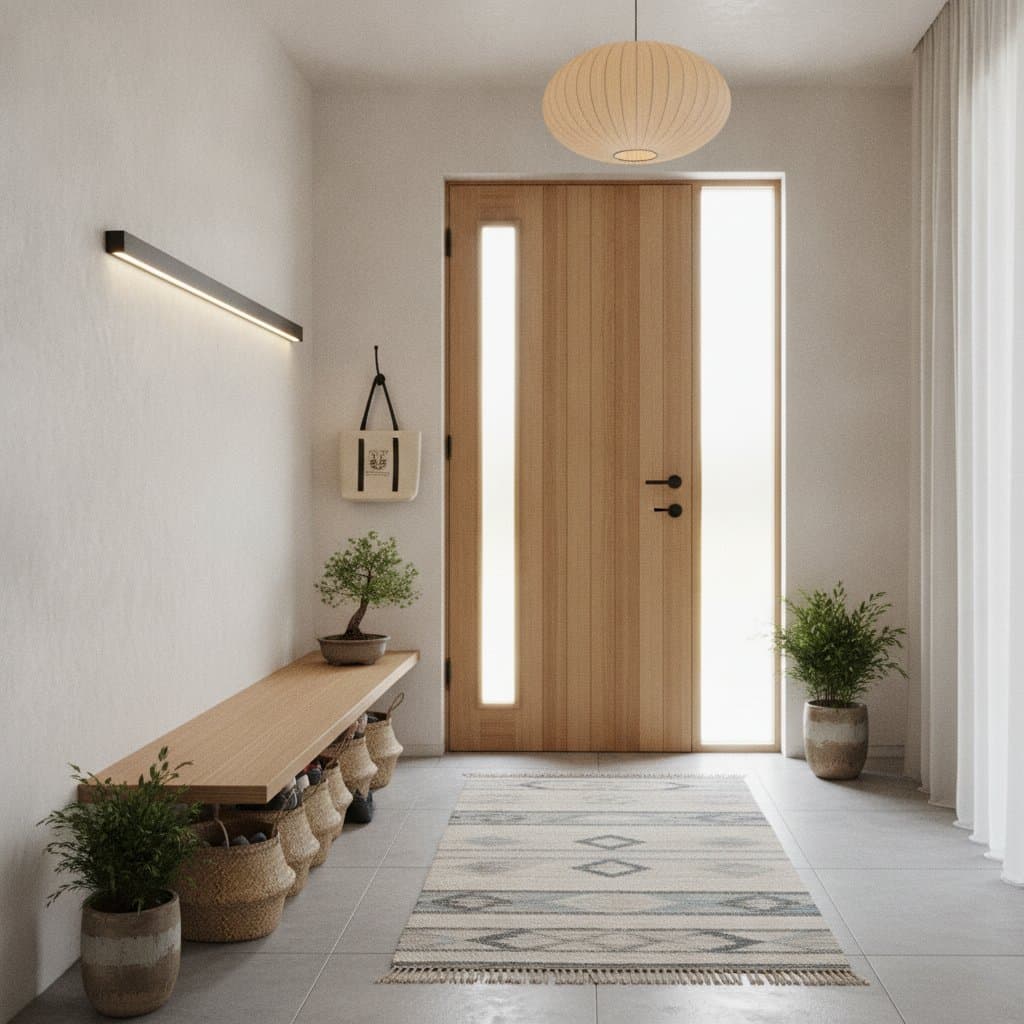
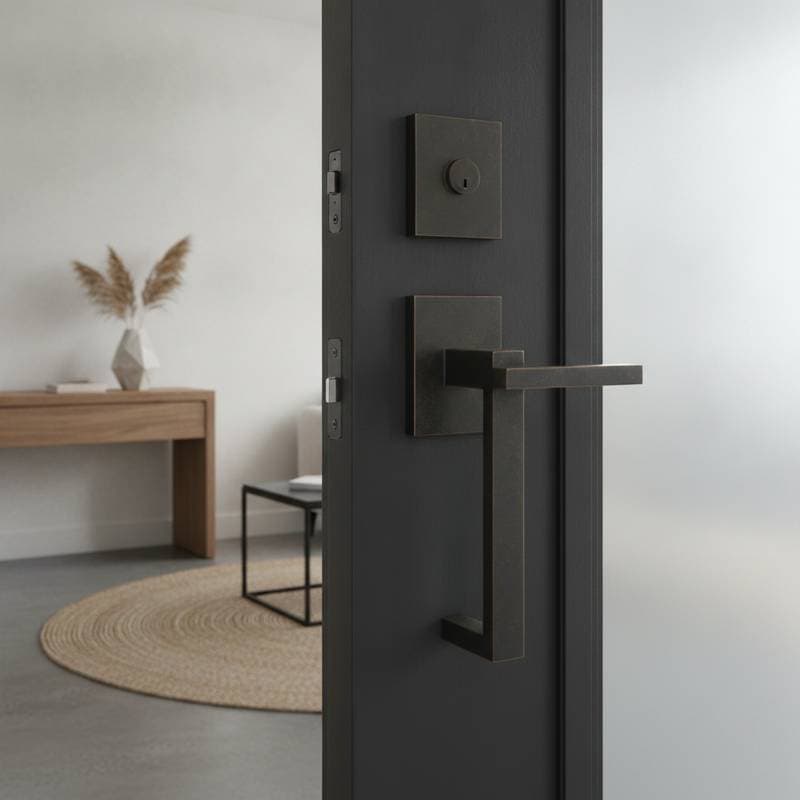
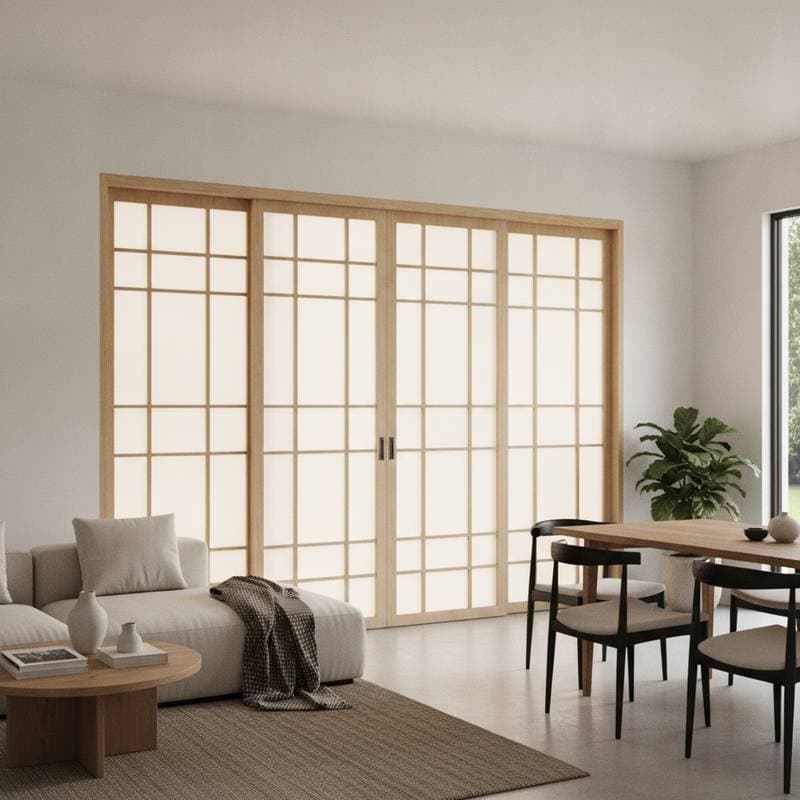
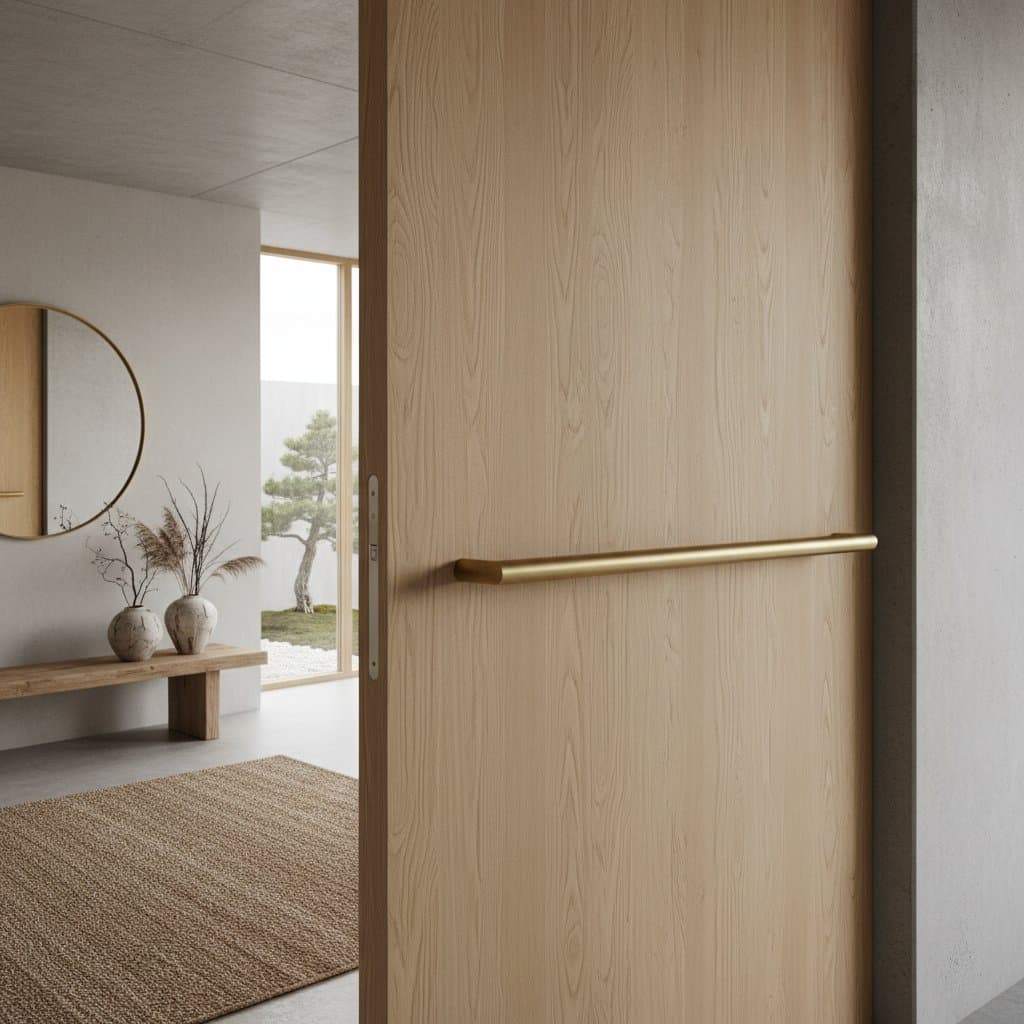
Japandi design merges Japanese minimalism with Scandinavian functionality, creating serene environments that prioritize balance and natural elements. Homeowners increasingly seek hardware that enhances this aesthetic without overwhelming it. Matte brass hardware for doors stands out as a key trend for 2026, offering a subtle warmth that integrates seamlessly into these spaces.
This finish moves beyond traditional polished metals, providing a soft, diffused glow that complements wood tones and neutral palettes. Designers highlight its role in elevating door functionality while maintaining visual harmony. The following sections examine its alignment with Japandi principles, practical integration steps, and enduring benefits.
Core Qualities of Matte Brass in Japandi Interiors
Matte brass aligns with Japandi's emphasis on restraint and authenticity through its understated sheen. Light scatters across its surface, creating a gentle illumination that avoids harsh reflections. This quality fosters a sense of calm, essential for interiors focused on tranquility.
Key attributes contribute to its appeal:
-
Subtle Warmth: The inherent golden hue of brass introduces gentle contrast to cooler tones like soft grays or whites, achieving visual equilibrium without dominance.
-
Sensory Texture: The non-reflective surface invites touch, with a smooth yet substantial feel that echoes the tactile nature of natural woods in Japandi settings.
-
Adaptable Harmony: It pairs effectively with various materials, from light ash for airy rooms to rich walnut for grounded atmospheres, ensuring cohesive design flow.
-
Organic Evolution: As it patinas over years, the finish gains depth, reflecting wabi-sabi ideals of beauty in natural change and impermanence.
These elements position matte brass as more than an accessory; it becomes an integral part of the spatial narrative.
Installation and Maintenance Process
Choosing matte brass requires attention to both aesthetics and durability from the outset. Homeowners benefit from assessing compatibility early to avoid mismatches. For instance, pair it with mid-tone woods like oak to amplify warmth, or use it against pale finishes for subtle elevation.
Pre-Installation Evaluation
Examine current door materials and room lighting. Natural light enhances the brass's soft glow, while artificial sources test its consistency. Select hardware weights that match door thickness, typically 1.75 inches for standard interior doors, to ensure stability.
Step-by-Step Installation
-
Align the Door Frame: Verify plumb and level using a spirit level; adjustments prevent binding that could wear hardware prematurely.
-
Position Hardware Precisely: Mark handle heights at 36 to 42 inches from the floor for ergonomic access. Space hinges evenly, with top and bottom at 7 inches from edges and middle centered.
-
Secure with Care: Insert screws perpendicular to the surface, torquing to manufacturer specifications, often 10-15 inch-pounds, to avoid stripping or finish damage.
Post-Installation Inspection
Operate the door through full cycles to confirm smooth action. Inspect for even finish under varied lighting; minor variations add character. Address any resistance by lubricating pivot points with graphite powder, not oil, to preserve the matte quality.
Ongoing Upkeep
Clean quarterly with a microfiber cloth dampened in warm water and neutral pH soap. Dry immediately to prevent water spots. In high-use areas, inspect annually for loosening, tightening as needed with a precision screwdriver.
This routine sustains the hardware's integrity, allowing it to age elegantly alongside the interior.
Evaluating Investment and Sustainability
Matte brass commands a premium, often 20-50 percent above stainless steel alternatives, due to its solid composition and hand-finished quality. Yet, its value extends through reduced replacement needs. Expect a lifespan of 20-30 years with basic care, far outpacing coated options prone to peeling.
Consider these aspects for informed decisions:
-
Upfront Expense: Budget $50-150 per handle set, depending on design complexity.
-
Durability Factors: Solid brass resists tarnish better than brass-plated items, minimizing environmental impact from discards.
-
Eco Alignment: Sourcing from recycled brass supports Japandi's sustainability ethos, reducing mining demands.
-
Market Appeal: In resale, it signals thoughtful curation, potentially increasing property value by 1-2 percent in design-forward markets.
Opting for this material invests in a timeless upgrade rather than fleeting style.
Adapting to Environmental Factors
Brass's composition makes it resilient across conditions. In humid areas, it forms a protective oxide layer, preventing pitting seen in lesser metals. Dry environments preserve the original matte, requiring minimal intervention.
For optimal performance:
-
Apply a light wax coat annually in moist climates to stabilize patina development.
-
In arid settings, monitor for dryness-induced cracking, rare but addressable with occasional conditioning oil on non-visible areas.
This adaptability reinforces Japandi's focus on enduring, low-impact choices. Selecting conflict-free sources further aligns with ethical design practices.
Design Integration and Future-Proofing
Incorporate matte brass by selecting shapes that echo Japandi forms: slim bars for modern minimalism or softly curved grips for organic flow. Concealed hinges maintain clean lines, visible only when needed.
As trends shift, the finish's neutrality allows layer additions, like updated pulls without full overhauls. Regular checks every six months ensure alignment, with simple swaps refreshing the look.
Homeowners gain a versatile foundation that evolves with life changes, embodying Japandi's principles of mindful, lasting beauty.
Practical Tips for Seamless Incorporation
Time hardware fitting after major work to shield from debris. Use painter's tape over components during nearby tasks. Scale elements to door dimensions: for 32-inch doors, choose 6-8 inch handles to preserve proportion.
Ensure flush fittings by mortising plates deeply. Test heft; quality pieces balance weight for intuitive use. These steps yield professional results, enhancing daily interactions with spaces.