Why Clay Plaster Entryways Define 2026 Luxury Homes
Luxury home design is shifting toward natural materials that express warmth, authenticity, and craftsmanship. Among these, clay plaster has become the defining finish for high-end entryways in 2026 homes. This time-tested material delivers organic texture, subtle color depth, and a healthy indoor environment, appealing to homeowners who value both beauty and sustainability.
Average Cost and Project Overview
Clay plaster entryways can vary widely in cost depending on surface area, finish complexity, and labor rates in your region. On average, homeowners spend $8 to $18 per square foot, including materials and professional installation. For a typical 100-square-foot entryway, that places the total project cost between $800 and $1,800.
| Material/Service | Cost Range | Key Features |
|---|---|---|
| Standard clay plaster | $8 to $12 per sq. ft. | Natural color, smooth finish, breathable surface |
| Polished or burnished clay plaster | $13 to $18 per sq. ft. | Subtle sheen, refined texture, high-end appearance |
| Custom pigmented clay plaster | $15 to $20 per sq. ft. | Custom tones, artistic finishes, design versatility |
Most entryway applications require two or three coats, plus a sealing or burnishing step. Labor accounts for about 60 to 70 percent of total costs since clay plaster requires hand application and skilled trowel work.
Why Homeowners Are Choosing Clay Plaster
The move away from synthetic paints and drywall textures toward clay finishes reflects a growing preference for natural materials. Clay plaster not only provides a distinctive aesthetic but also supports a healthier living space. It regulates humidity, absorbs odors, and resists mold growth, which makes it ideal for entryways where moisture and temperature changes are common.
According to Daniel Ruiz, a finish contractor based in Austin, “Clay plaster offers a warmth that paint cannot match. Every surface looks alive, and that’s what clients want in their entryway.” This natural imperfection creates a sense of depth and craftsmanship that defines modern luxury interiors.
Design Appeal and Texture Options
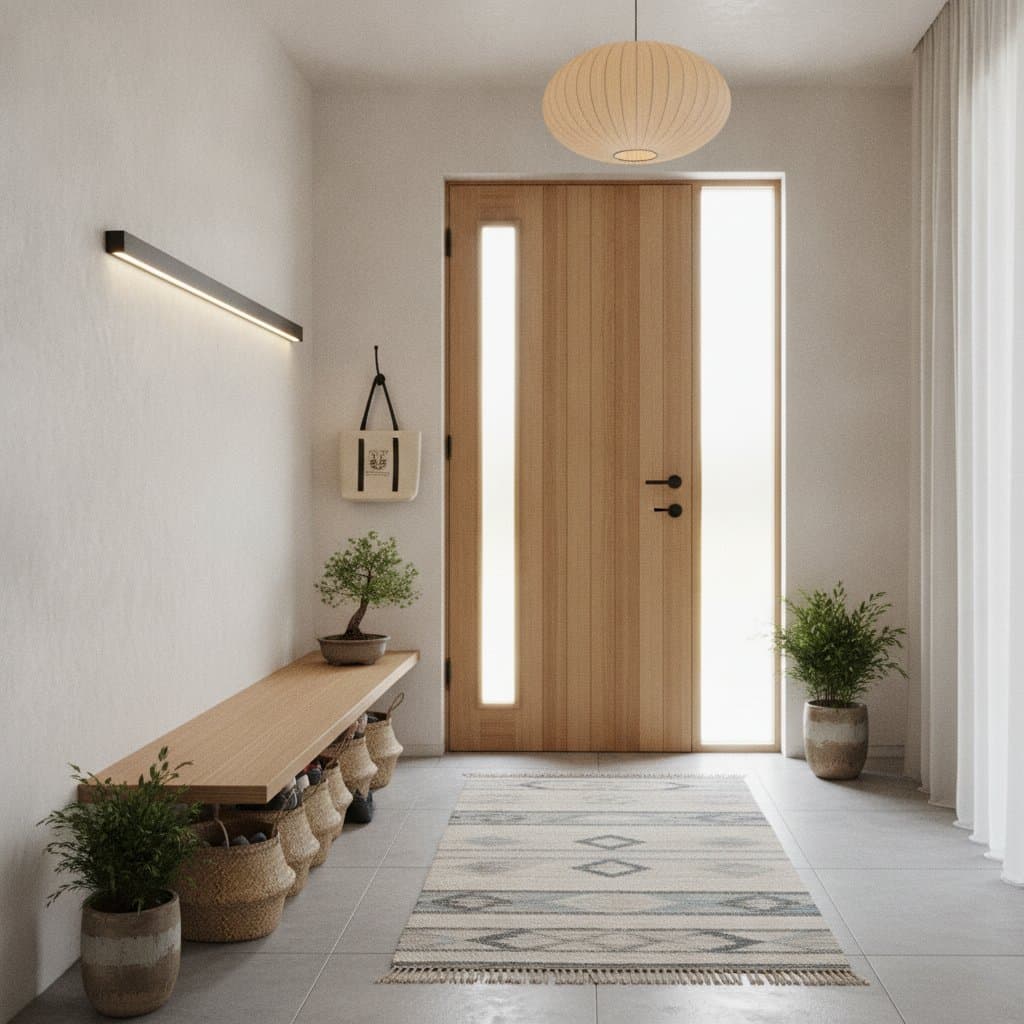
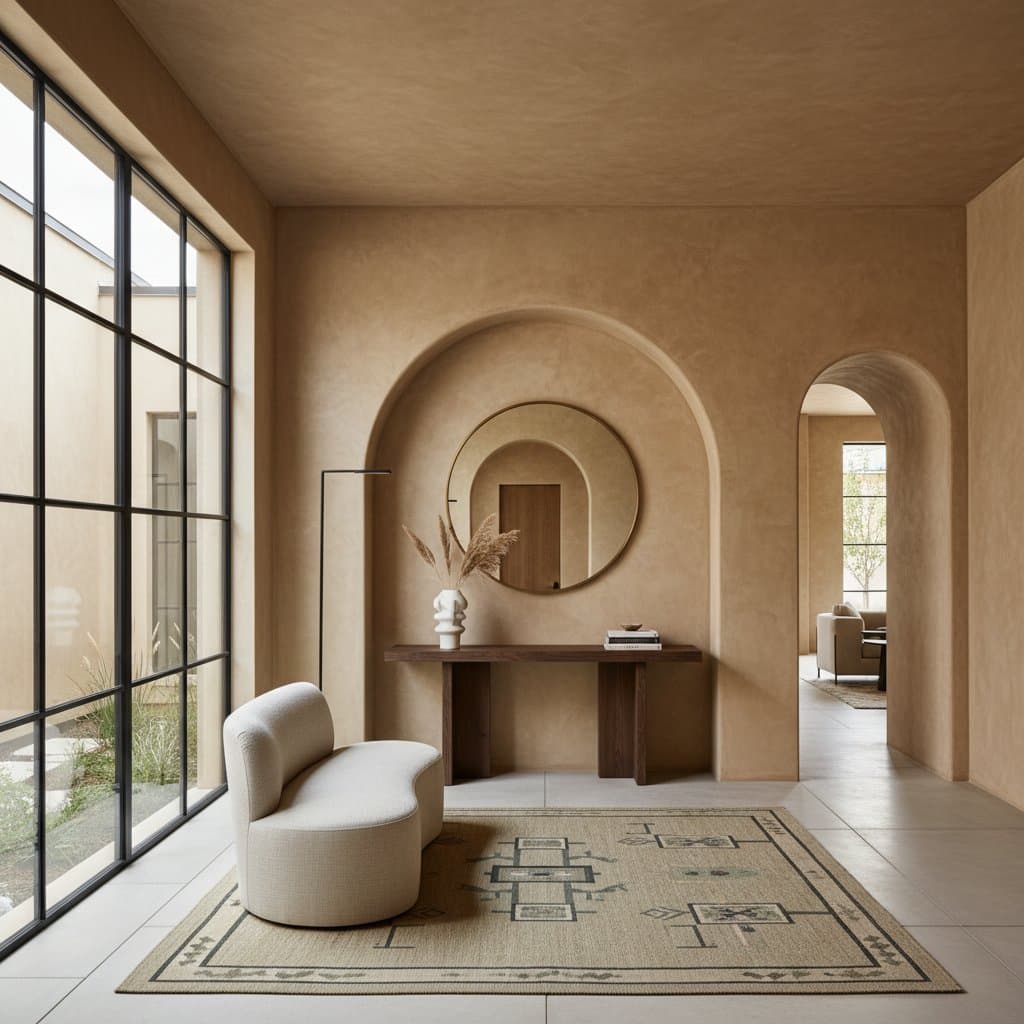
Clay plaster offers a visual softness that complements wood doors, stone floors, and metal accents often found in upscale foyers. The texture can range from smooth and polished to rustic and tactile. Designers often use layered tones to mimic the patina of aged walls or the subtle gradients of natural stone.
Common texture styles include:
- Smooth Finish: Ideal for modern or minimalist homes where subtlety is key.
- Light Sand Texture: Adds warmth and character without feeling rustic.
- Trowel Patterned Finish: Creates depth and shadow play under natural light.
Color options are equally varied. Since clay pigment is integrated into the material rather than applied on top, the color will not peel or fade over time. Natural tones such as ochre, ivory, and soft gray remain popular for entryways because they pair easily with wood and metal finishes.
Factors Influencing Project Costs
Your final investment will depend on several project-specific factors. Understanding these helps avoid surprises during bidding and installation.
| Cost Factor | Influence on Price | Description |
|---|---|---|
| Surface preparation | Moderate | Removing old finishes or repairing drywall adds labor hours |
| Finish type | High | Polished or custom pigmented finishes require more layers and skill |
| Wall condition | Moderate | Uneven or cracked surfaces need extra base coats |
| Labor expertise | High | Specialist artisans charge premium rates for fine detailing |
If you plan to incorporate decorative niches, accent walls, or integrated lighting, expect costs to rise by 15 to 25 percent. These design elements often require custom blending or additional protective layers.
Installation Process and Timeline
Installing clay plaster is a multi-step process that typically unfolds over three to five days for a standard entryway. The sequence involves surface preparation, application of base and finish coats, and optional sealing or burnishing. Each coat must dry fully before the next is applied, which ensures long-term durability.
Professional installers usually work in small batches since clay plaster dries quickly. Homeowners should plan to keep entryway traffic minimal during installation and curing. This careful process is part of what gives the finish its handcrafted character and lasting strength.
Environmental and Health Benefits
Luxury homeowners increasingly choose clay plaster for its ecological and wellness advantages. The material is composed of natural clay, fine sand, and mineral pigments, all of which are free from volatile organic compounds. It can absorb and release moisture without degrading, helping maintain balanced indoor humidity.
According to interior designer Leah Porter of Portland Design Group, “Clients want finishes that feel human and sustainable. Clay plaster checks both boxes because it’s beautiful and it contributes to indoor comfort.”
This natural breathability also reduces the need for synthetic sealants or chemical preservatives. When paired with solid wood doors and natural stone floors, clay walls create a cohesive, toxin-free entry environment.
Maintenance and Longevity
Clay plaster is surprisingly durable with minimal maintenance when properly installed. Routine cleaning involves dry dusting or gentle wiping with a damp cloth. Minor scratches or marks can be repaired by rehydrating the surface with a sponge, then smoothing it with a trowel. Because the color runs through the entire layer, small repairs blend seamlessly.
Homeowners typically schedule a light re-burnishing every few years to restore sheen or refresh pigment. With proper care, clay finishes can last decades without repainting or full resurfacing.
Integrating Clay Plaster with Entryway Design Elements
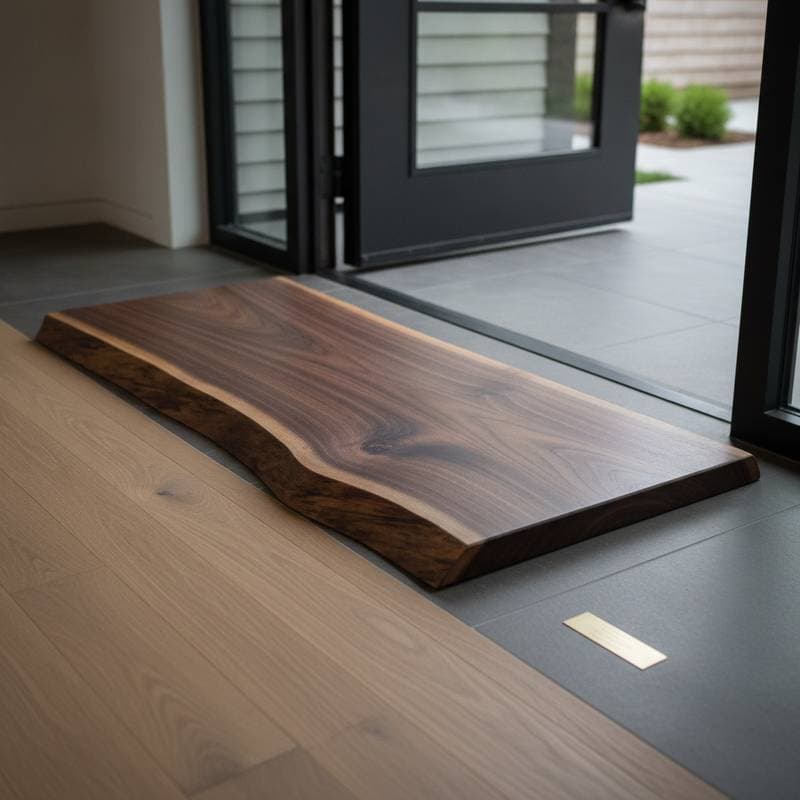
Entryways often serve as a design introduction to the rest of the home. Clay plaster pairs beautifully with natural wood doors, especially when the grain and tone complement the wall finish. Warm woods like walnut or oak enhance earthy plaster pigments, while lighter species like maple or ash create a fresh, modern contrast.
Lighting also plays a key role. Directional sconces or recessed fixtures accentuate the plaster’s texture, revealing subtle variations in tone. Many designers recommend soft, warm lighting to emphasize the material’s natural depth.