Why Terrazzo Entryways Are Replacing Hardwood in 2026
Homeowners who once preferred traditional hardwood for entryways now turn to terrazzo with increasing interest. This change goes beyond trends. It stems from a practical evaluation of how flooring impacts durability, upkeep, sustainability, and daily routines. Hardwood offers warmth and character, yet terrazzo excels in resilience, design options, and overall value. To grasp this shift, examine the factors that influence flooring choices beyond initial appeal.
Key Features of Terrazzo for Entryways
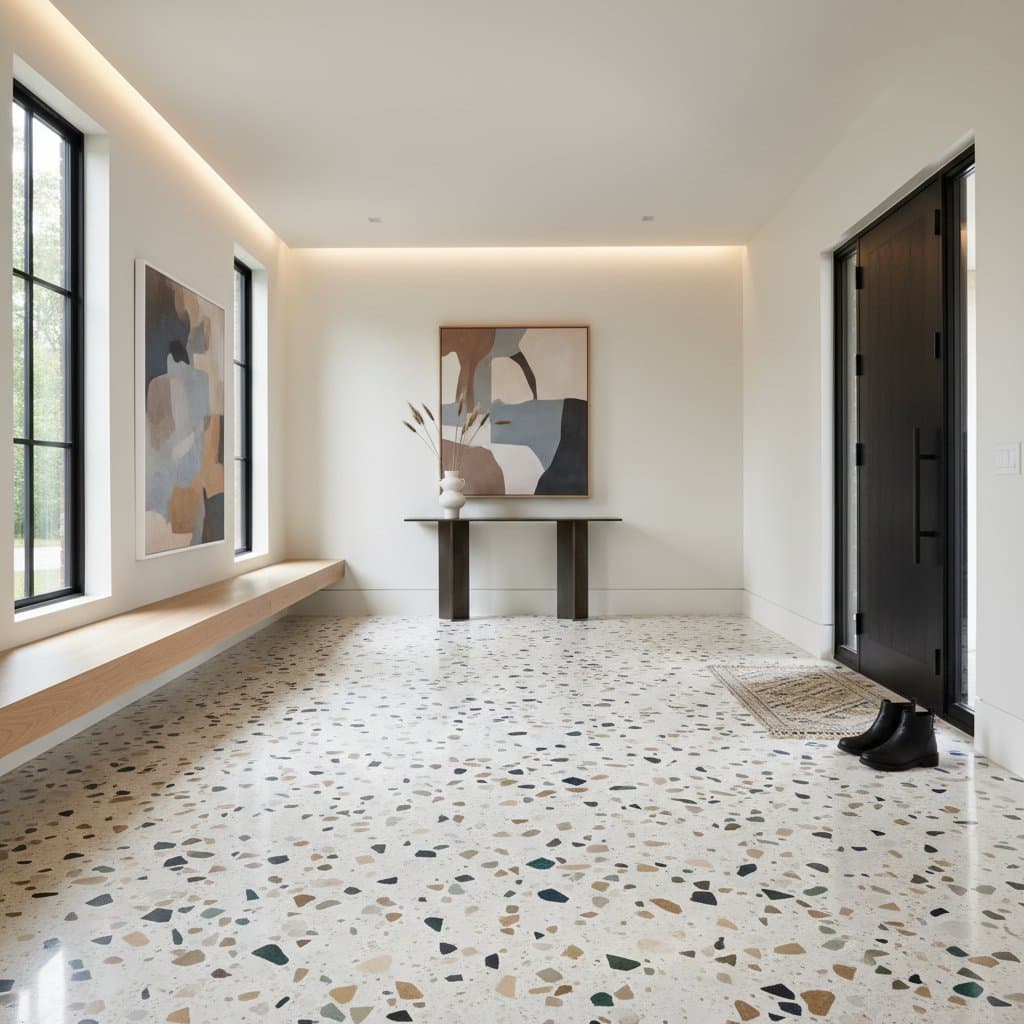
Terrazzo consists of marble, quartz, granite, or recycled glass chips embedded in a cement or resin binder. After curing and polishing, it forms a sleek, enduring surface with unique patterns. Originally developed to repurpose stone scraps, contemporary terrazzo serves as a premium option for diverse interior styles.
In high-traffic entryways, terrazzo withstands intense use. It resists scratches, moisture, and temperature shifts more effectively than hardwood. A properly sealed terrazzo surface remains dense and nonporous, blocking dirt and water penetration. This feature simplifies cleanup from wet footwear, pet tracks, or outdoor residue.
Hardwood demands consistent care to retain its look. Although it provides natural warmth, it risks damage from humidity, spills, and abrasion. In regions with variable weather or active lifestyles, terrazzo delivers dependable performance paired with adaptable aesthetics.
Material Comparison
Durability and Upkeep
Hardwood prone to dents, scratches, and moisture absorption requires periodic refinishing. Certain woods alter color under sunlight exposure. Terrazzo withstands surface impacts exceptionally well. After installation and sealing, it endures for decades with basic care, such as sweeping and infrequent resealing.
Busy families find terrazzo advantageous for its tolerance of foot traffic from visitors, pets, and children. The even surface integrates seamlessly with rugs or mats, avoiding awkward shifts.
Design Adaptability
Terrazzo allows extensive customization through varied colors, chip types, and patterns. Homeowners tailor it to suit modern minimalism or classic elegance. Options range from subtle tones to intricate motifs, ensuring harmony with surrounding decor.
Hardwood variations depend on species, grain, and stains, yet options remain constrained. Terrazzo embeds color and texture inherently, enhancing personalization and spatial cohesion.
Sustainability Factors
Many terrazzo formulations incorporate recycled elements, minimizing waste from stone processing. Its extended durability reduces replacement frequency, curbing environmental demands. Proper maintenance sustains both function and appearance over generations.
Responsible hardwood sourcing from certified forests promotes balance. However, refinishing, repairs, and coatings elevate its ecological footprint. Terrazzo often appeals more to those prioritizing recycled materials and longevity.
Cost Analysis Over Time
Terrazzo installation involves higher upfront expenses due to expert labor, base preparation, and curing periods. From a full lifecycle view, it frequently saves money. Exceptional durability and minimal maintenance offset initial outlays.
Hardwood may need refinishing every several years and board replacements after water exposure. Such expenses add up in demanding entry areas. For long-term residents, terrazzo balances investment with superior performance.
| Option | Initial Cost | Lifespan | Maintenance | Ideal Use Case |
|---|---|---|---|---|
| Hardwood | Moderate to High | 15 to 25 years | Refinishing and sealing | Warm, traditional settings |
| Terrazzo | High | 40 to 75 years | Resealing and basic cleaning | High-traffic, damp environments |
Installation Overview
Initial Assessment
Contractors evaluate subfloor stability, moisture content, and load capacity before starting. Terrazzo weight demands a solid foundation. Select aggregates and colors upfront to align with design intent.
Site Preparation
Create a firm, level base with cement backer or epoxy primer. Repair cracks and install divider strips to manage expansion and define sections.
Pouring and Finishing
Pour the terrazzo mix, level it, and allow curing. Grind to expose chips, then polish and seal. Complex patterns extend this phase over days.
Final Checks
Ensure evenness and sealing integrity. Test for moisture readiness. Protect the surface briefly post-installation for complete curing. Use pH-neutral cleaners routinely and reseal periodically.
Practical Lifestyle Fit
Underfoot Comfort
Hardwood feels warm naturally, appealing in cozy areas. Terrazzo runs cooler and denser, so incorporate rugs in chillier spots. It pairs excellently with radiant heating for uniform warmth without distortion.
Hygiene and Cleaning
Entryways gather grime and moisture. Hardwood absorbs liquids, risking warp or stains. Terrazzo nonporous quality enables quick mopping and disinfection, ideal for pet owners or allergy sufferers.
Acoustics and Sound
Both materials reflect noise, but rugs mitigate terrazzo echo. Hardwood may creak over time. Terrazzo stays firm and quiet under load.
Design Harmony
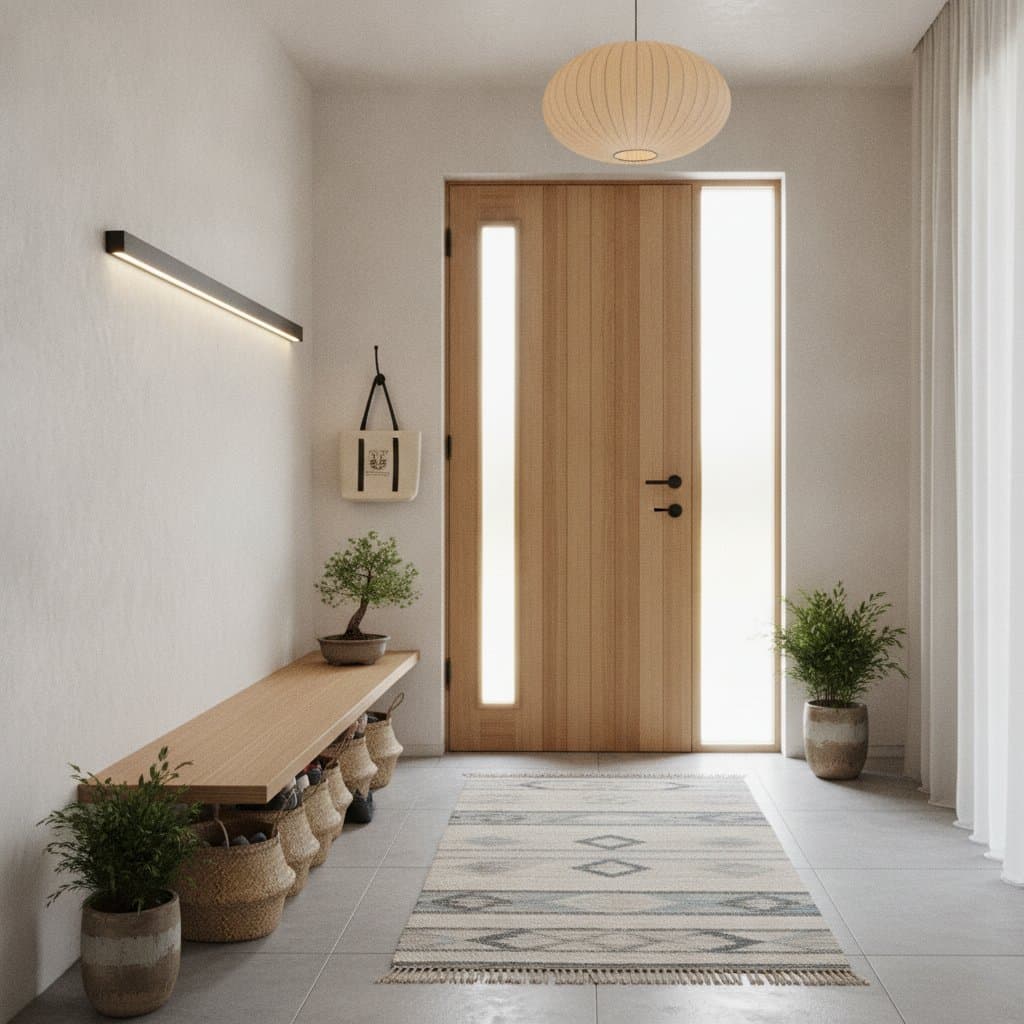
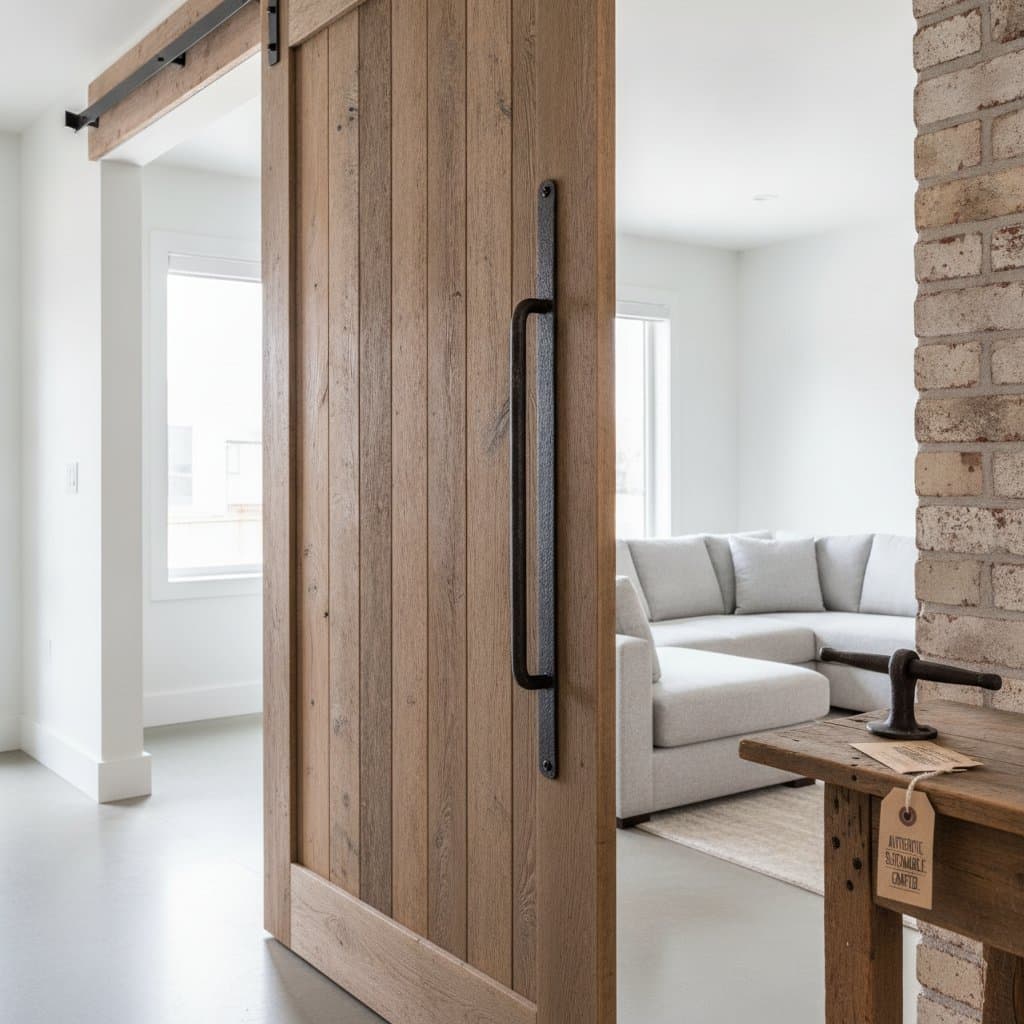
Terrazzo complements wood doors, stone features, and metals. Its texture enhances minimalist or detailed schemes, bridging indoor-outdoor aesthetics smoothly.
Aligning with Home Needs
Assess priorities to decide between options. Wood suits those seeking tactile appeal, while terrazzo favors durability seekers.
- Evaluate local climate: Terrazzo excels in humid zones.
- Gauge traffic: It handles heavy use without marks.
- Review upkeep tolerance: Simple routines suit it best.
- Define style aims: Vast customization sets it apart.
- Factor total costs: Longevity tips the scale.
These elements guide selections that fulfill practical and visual aims.
Selecting High-Quality Terrazzo
Aggregate size influences durability and style: Fine for sleekness, coarse for drama. Binders vary; cement for authenticity, resin for flexibility. Insist on premium sealers and correct curing to avoid dullness or spots.
Examine sample boards pre-installation to confirm hues and finishes.
Ongoing Care Strategies
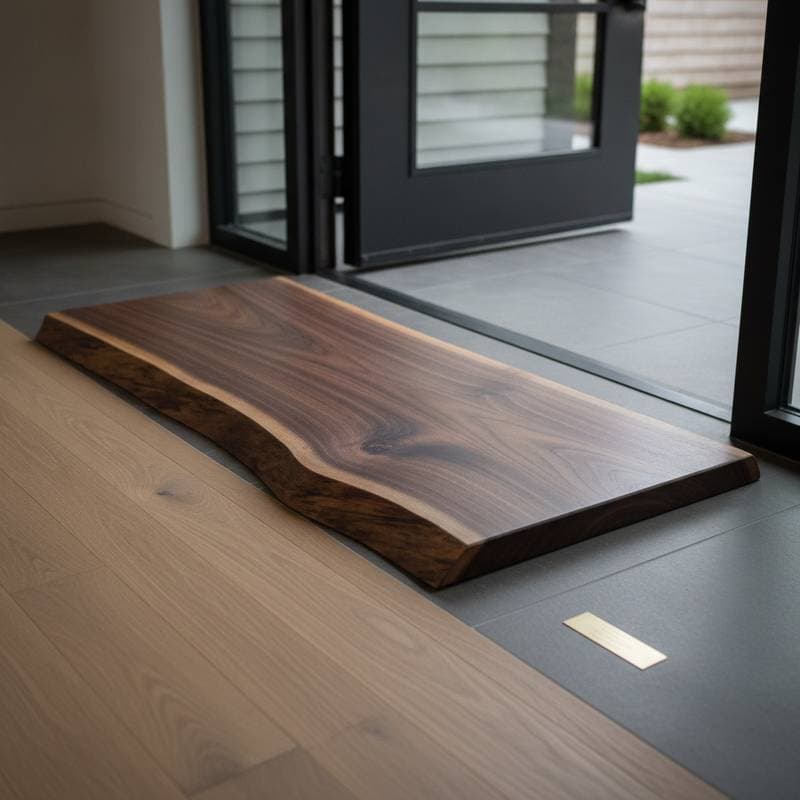
Terrazzo longevity minimizes replacements. Sweep regularly to avert scratches. Place entry mats to trap debris. Reseal every few years for stain protection.
Shifting from hardwood, focus on preservation over restoration. Professional polishing revives minor wear without full renewal, preserving style and function.
Broader Benefits for Health and Environment
Terrazzo reduces resource use through endurance and recyclables. Its sealed surface repels allergens and mold, improving air quality. Low-emission components aid green certifications.
Allergy-prone homes benefit from dust-free, groutless design. Fewer treatments maintain a low-chemical space.
Partnering with Installers
Select certified professionals with residential portfolios. Discuss materials, methods, and timelines clearly. Expect dust during grinding; request containment plans.
Post-project, obtain care guides and warranties.
Verifying Installation Success
Inspect under bright light for uniform polish, aligned strips, and smooth texture. Monitor high-use zones for sealer wear. Early detection ensures lasting performance.
Choosing for Enduring Appeal
Terrazzo rise signals demand for resilient, versatile, eco-minded floors. Hardwood endures in select homes, but terrazzo thrives in active entries. It manages wear, moisture, and style demands across decades, fitting modern living seamlessly.
Renovators gain practicality and expression. Weigh performance against lifestyle for a choice that enhances daily flow.