
Zellige Entryways: 2026's Hottest Moroccan Revival
Zellige tile emerges as a prominent choice in entryway design, combining centuries-old Moroccan craftsmanship with contemporary home aesthetics. Homeowners select these hand-cut, glazed clay tiles to form richly textured surfaces that capture light effectively. Such installations elevate a functional area into a distinctive feature. Zellige imparts warmth, intricate patterns, and artistic depth unmatched by many other materials.
Individuals planning an entryway renovation often seek clarity on expenses and procedural expectations for incorporating this Moroccan element.
Average Costs for Zellige Entryway Installations
The installation of Zellige tile in an entryway generally ranges from $25 to $55 per square foot, encompassing both labor and materials. Projects smaller than 100 square feet begin near $2,500, whereas expansive or intricate setups may exceed $8,000. Expenses vary based on tile quality, design intricacy, and inclusion of elements like decorative borders or mosaic patterns.
| Project Scope | Typical Cost Range | Includes |
|---|---|---|
| Basic Entryway Floor (100 sq. ft.) | $2,500 to $4,500 | Tiles, thinset, grout, labor |
| Full Wall Accent (60 sq. ft.) | $1,800 to $3,000 | Tiles, mortar, professional installation |
| Custom Pattern Entry (120 sq. ft.) | $5,000 to $8,000 | Hand-cut layout, sealing, design labor |
| DIY Installation | $12 to $25 per sq. ft. | Tiles and materials only |
These figures pertain to mid-range handmade Moroccan Zellige sourced from specialty importers. Options produced domestically or via machine-cutting reduce overall costs, yet they diminish the distinctive irregular appeal of genuine Zellige.
What Makes Zellige Unique
Zellige differs from standard glazed tiles through its handmade construction from natural clay, followed by sun-drying and kiln-firing. Each piece exhibits subtle differences in color, dimensions, and texture. Upon installation, these tiles produce a luminous, gently irregular surface that interacts dynamically with light.
Homeowners value Zellige for its organic imperfections, which temper stark modern settings and harmonize with elements such as wood and stone. In entryways subject to varying daily illumination, this quality generates an ever-shifting visual experience.
Tile installer Rania El-Mahdi, who specializes in Moroccan finishes in Los Angeles, states, "Zellige works best when you embrace its inconsistencies. The small chips, rough edges, and tonal shifts give the surface life."
Factors That Influence Installation Cost
Multiple elements determine the final expense of a Zellige project. Knowledge of these components enables precise budgeting and minimizes unexpected charges.
-
Tile Source and Quality
Genuine Moroccan Zellige commands higher prices than replicated versions produced in bulk. Imported handmade tiles cost $15 to $35 per square foot, in contrast to $6 to $12 per square foot for machine-made alternatives. -
Pattern Complexity
Straightforward stacked arrangements install more quickly than elaborate geometric configurations, which demand exact cuts and alignments. Such detailed patterns increase labor expenses by 20 to 40 percent. -
Surface Preparation
Entryway surfaces frequently require subfloor corrections or underlayment enhancements to accommodate tiling. Preparation work adds $300 to $800, contingent on the existing state. -
Grout and Sealing Choices
The porous nature of Zellige necessitates sealing for protection. Premium sealers and grout that matches the tile color contribute an additional $1 to $2 per square foot, yet prove vital for longevity. -
Professional vs. DIY Installation
Skilled individuals might manage modest wall or accent areas independently, but experts guarantee even leveling and precise spacing. Professional services charge $8 to $15 per square foot, varying by location and scale.
Design Styles That Complement Zellige Entryways
Zellige adapts seamlessly to diverse entryway aesthetics, spanning rustic Mediterranean influences to sleek contemporary minimalism. Success hinges on selecting colors and arrangements that align with the home's prevailing style.
-
Neutral Tones for Organic Warmth
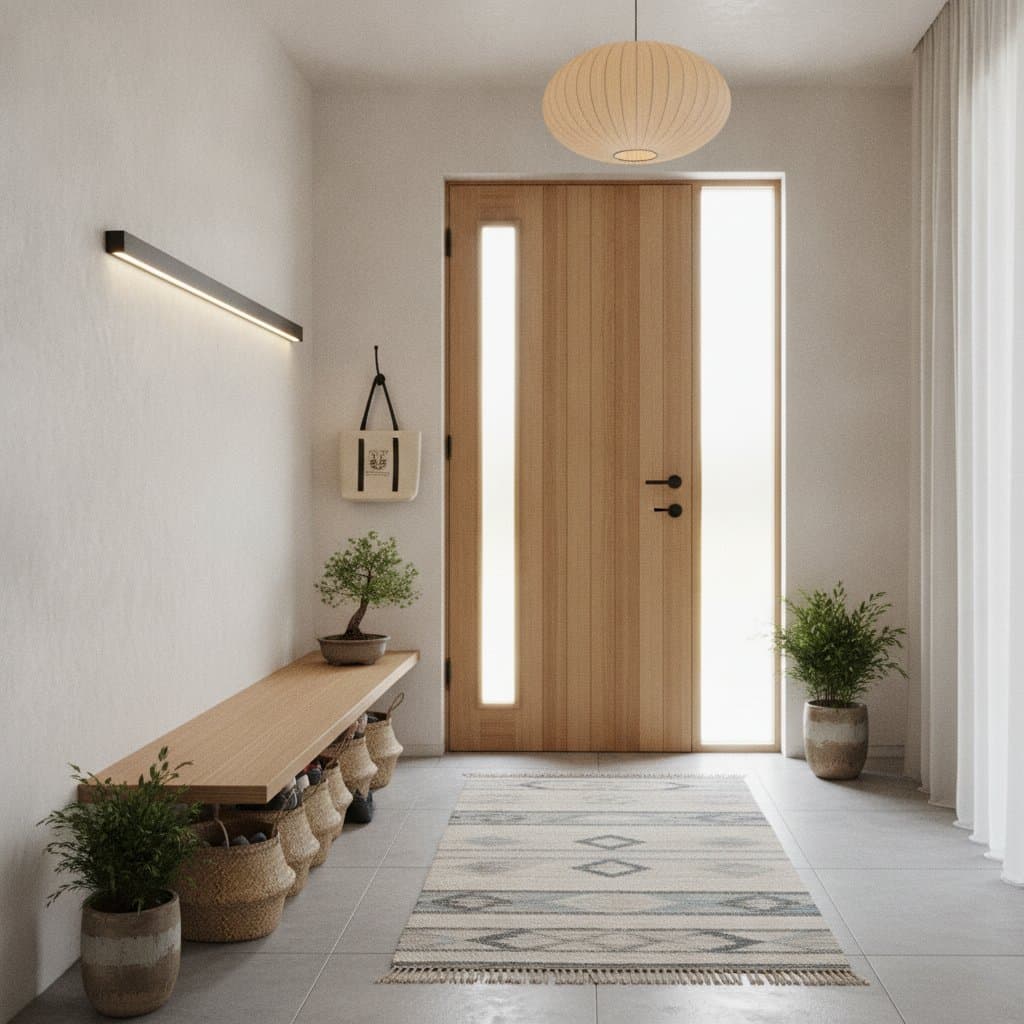
Subdued whites, creams, and taupes amplify natural light and integrate well with wooden doors or textured rugs. This selection fosters a serene, enduring atmosphere. -
Deep Jewel Colors for Drama
Vibrant emerald, cobalt, and terracotta options deliver striking contrast against pale walls. These shades enhance transitional or eclectic spaces through pronounced texture and depth. -
Mixed Finishes for Modern Contrast
Pairing matte plaster with glossy Zellige creates a multifaceted, luxurious appearance. This approach excels in open foyers that connect multiple areas.
Architectural designer Luis Ortega from Santa Fe notes, "Homeowners are rediscovering how texture and reflection can define a space. Zellige tiles capture light differently throughout the day, which keeps the entry feeling alive."
Installation Process Overview
The placement of Zellige demands careful attention and expertise, diverging from conventional ceramic tile methods due to inconsistent sizing and edges.
-
Surface Assessment and Prep
Ensure the base remains level, free of debris, and moisture-free. Address any deviations exceeding one-eighth inch prior to proceeding. -
Tile Sorting and Layout Planning
Professionals blend tiles from multiple packages to evenly disperse variations in hue and texture across the design. -
Setting the Tiles
Irregular edges necessitate narrow grout lines, often one-sixteenth inch or narrower. Hand-press each tile to form a cohesive yet naturally varied plane. -
Grouting and Sealing
Apply fine grout to joints after setting, then seal the assembly against moisture. Renew the sealant every two to three years to preserve resilience.
Maintenance and Longevity
Zellige withstands decades of use when maintained appropriately, thanks to its fired-glaze surface that resists abrasion and dampness upon sealing. Care routines remain straightforward, provided they occur regularly.
-
Cleaning
Employ mild soap diluted in water for routine upkeep. Steer clear of acidic or harsh cleaners that might erode the glaze. -
Sealing
Apply fresh sealant at intervals to sustain luster and repel stains. Areas with heavy foot traffic benefit from more frequent applications. -
Repairing Chips
Fill minor imperfections with epoxy matched to the tile color. For substantial damage, consult a specialist for replacement, as the inherent variations aid in seamless integration.
Steps to Install Your Zellige Entryway
Zellige tile provides homeowners with an opportunity to craft a memorable initial impression through artistry and sturdiness. Base your design decisions on available light sources, current materials, and desired tactile qualities. Collaborate with a specialist in artisanal tiles to achieve a harmonious and uniform result.
Obtain physical samples before purchasing to evaluate color behavior in your specific lighting conditions. Allocate sufficient lead time for procurement, given that authentic Zellige frequently originates from international sources. Safeguard the installation through diligent sealing and routine upkeep.
An expertly realized Zellige entryway elevates a simple passage into an inviting, sensory focal point. Through deliberate preparation and skilled execution, this Moroccan tradition infuses enduring warmth, superior workmanship, and distinctive personality into the home's prominent threshold.