Terrazzo Surpasses Marble in 2026 Luxury Entryways
Luxury entryways continue to evolve, with terrazzo flooring emerging as a preferred alternative to marble for those seeking sophistication paired with functionality. Marble has traditionally symbolized opulence, yet terrazzo provides extensive customization, exceptional durability, and significant cost advantages that align with contemporary design preferences.
Homeowners embarking on high-end entryway renovations benefit from comparing the financial, upkeep, and aesthetic aspects of terrazzo and marble. Recent industry data and insights from experienced installers highlight terrazzo's rise, particularly with projections for 2026 showing a 40% reduction in overall project expenses.
Reasons Homeowners Select Terrazzo
Homeowners gravitate toward terrazzo for its unparalleled versatility, which marble cannot replicate. Installers can pour terrazzo on-site or use pre-cast tiles, enabling diverse patterns, hues, and textures tailored to specific visions.
Primary advantages encompass:
- Customization options: Incorporate marble chips, recycled glass, or metallic elements to create unique, personalized patterns that mimic high-end stone without the variability of natural slabs.
- Superior durability: A properly sealed terrazzo surface withstands moisture, impacts, and daily wear, often lasting 50 years or more, compared to marble's susceptibility to etching and cracking.
- Simplified maintenance: Terrazzo demands occasional cleaning rather than the regular sealing and polishing required for marble to preserve its luster.
- Environmental benefits: Formulations frequently include recycled materials, reducing the carbon footprint associated with quarrying natural stone.
Erin Wallace, a flooring contractor in Chicago, notes, "Terrazzo has advanced significantly. Contemporary resin-based formulations deliver the elegance of marble with reduced ongoing challenges for property owners."
Cost Comparison: Terrazzo Versus Marble
Terrazzo installations average $15 to $30 per square foot, including materials and labor, while marble ranges from $25 to $50 per square foot, resulting in up to 40% savings for comparable projects in 2026. These figures account for standard finishes; premium aggregates in terrazzo can elevate costs modestly but still remain below marble equivalents.
Factors such as design intricacy and regional labor rates influence these estimates. For a 200-square-foot entryway, terrazzo might total $4,000 to $6,000, versus $6,000 to $10,000 for marble, allowing budget reallocation toward complementary features like custom doors or lighting.
Request itemized proposals from multiple contractors to verify these savings and ensure alignment with project specifications.
Installation Process and Preparation
Terrazzo installation demands greater precision than standard tiling, yet the enduring outcome warrants the effort. Begin with a thorough subfloor assessment to confirm levelness and stability, addressing any issues like moisture or structural weaknesses upfront.
Standard installation steps involve:
- Subfloor readiness: Grind and level the base to eliminate imperfections, ensuring a flat foundation that prevents future settling.
- Application of terrazzo: Pour cementitious or epoxy mixtures with selected aggregates on-site, or position pre-cast tiles, followed by a curing period of 24 to 72 hours.
- Finishing touches: Grind the surface smooth, polish to the desired sheen, and apply a penetrating sealer for protection against stains and wear.
Engage certified professionals for optimal results. Luis Moreno, owner of a specialty flooring firm in Miami, emphasizes, "Precision defines terrazzo success. Expert preparation yields floors enduring for generations, whereas shortcuts invite failures like cracks or dull spots."
Key Influences on Project Expenses
Project costs vary based on several elements unique to each entryway. Consider these determinants when budgeting:
- Aggregate selection: Premium inclusions like imported glass or gold-flecked chips increase material expenses by 20% to 30% over basic options.
- Design elements: Intricate patterns, medallions, or edge detailing extend labor hours, adding $5 to $10 per square foot.
- Subfloor repairs: Remedying uneven concrete or installing underlayment can add $2 to $5 per square foot.
- Project scale: Expansive areas reduce per-unit costs through efficiency, whereas compact spaces incur higher proportional fees.
- Geographic factors: Urban areas with elevated labor rates, such as New York or Los Angeles, may raise totals by 15% to 25% compared to rural installations.
Obtain comprehensive bids delineating materials, labor, and ancillary services to facilitate precise comparisons and negotiations.
Integrating Terrazzo with Entryway Features
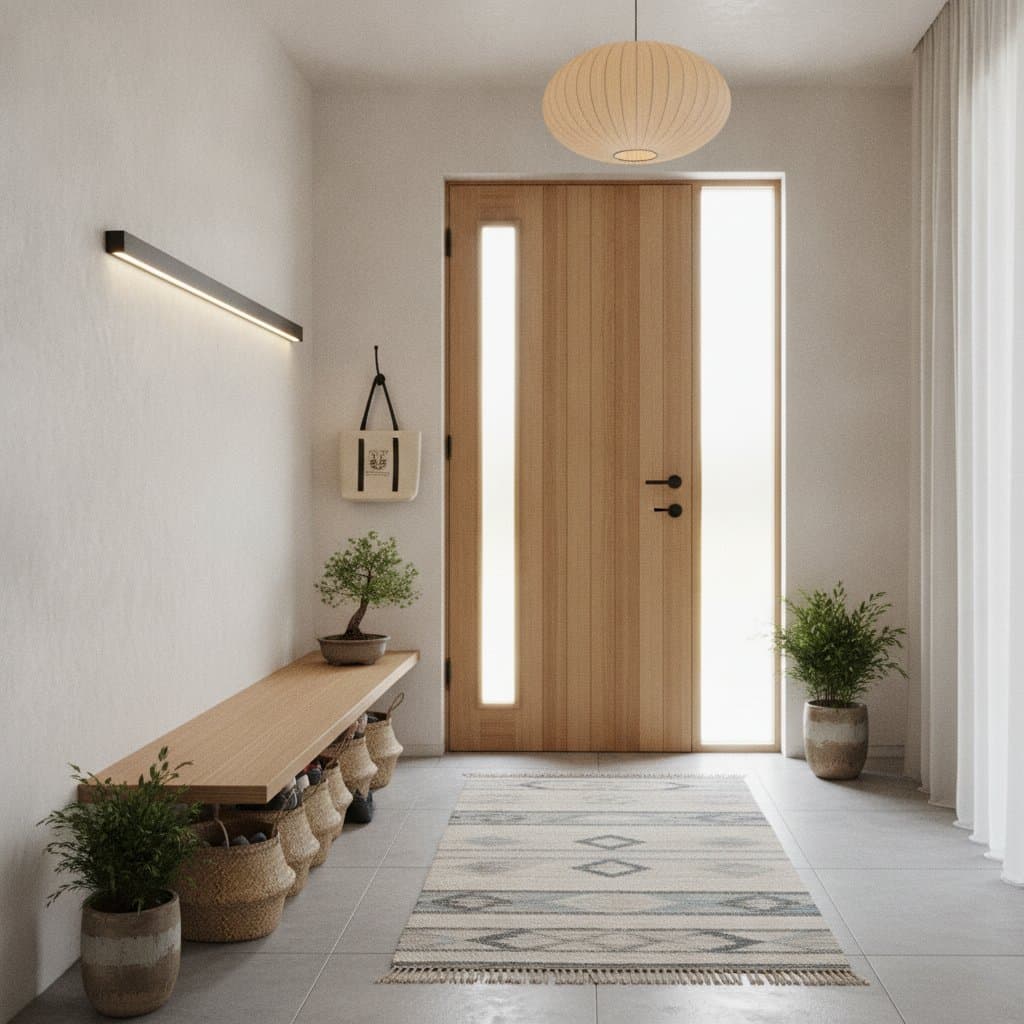
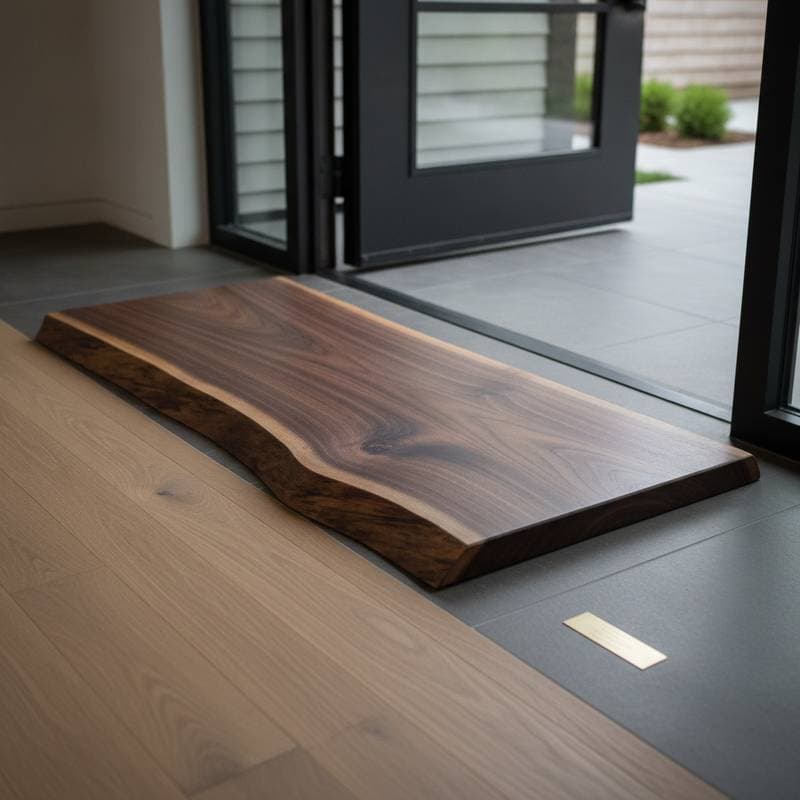
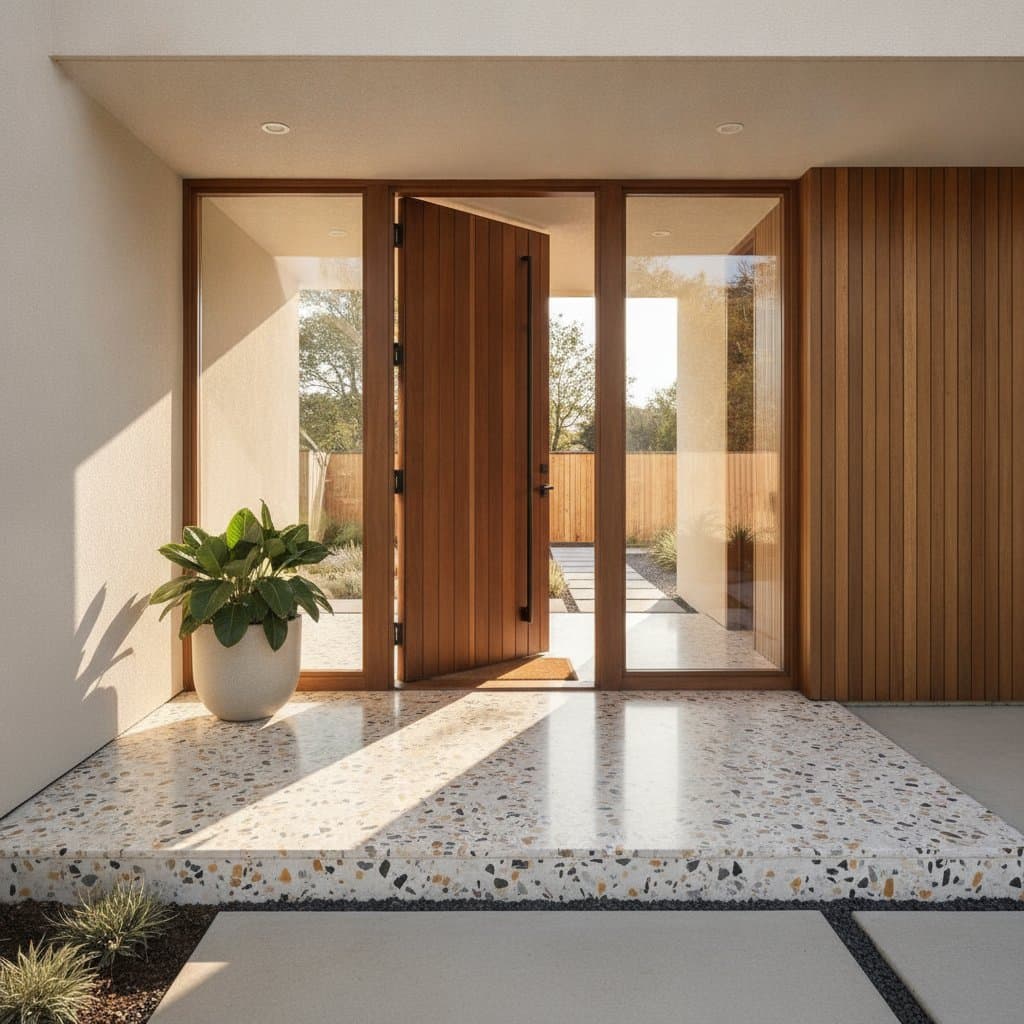
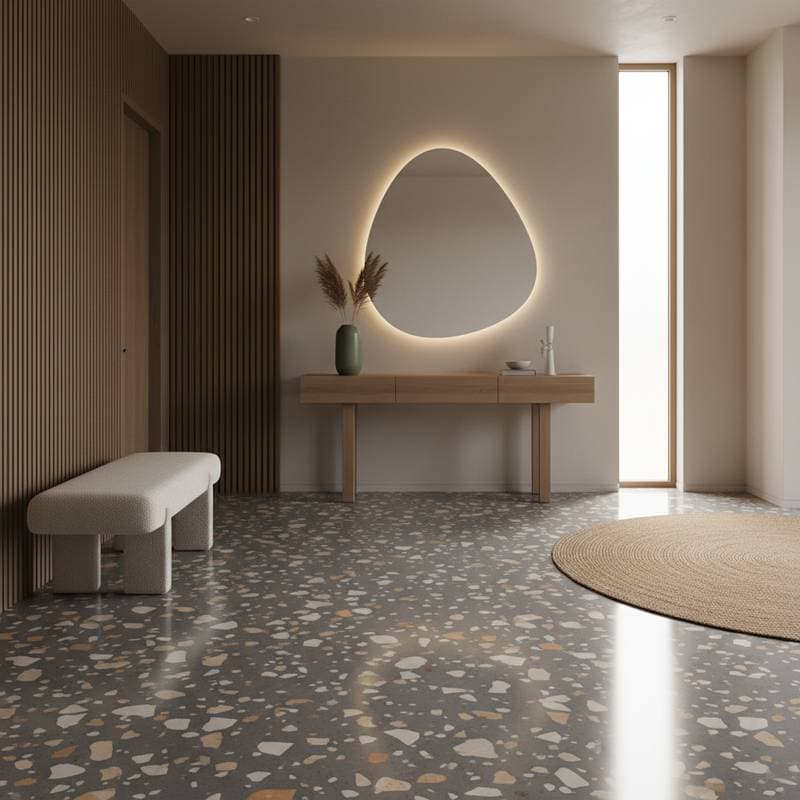
Terrazzo complements diverse materials, fostering cohesive and inviting entry spaces. Pair it with solid wood doors for warmth, polished brass fixtures for gleam, or woven rugs for texture to achieve layered appeal.
Effective pairings include:
- Light oak doors alongside terrazzo: Evokes a serene, Nordic ambiance with natural grains softening the floor's sheen.
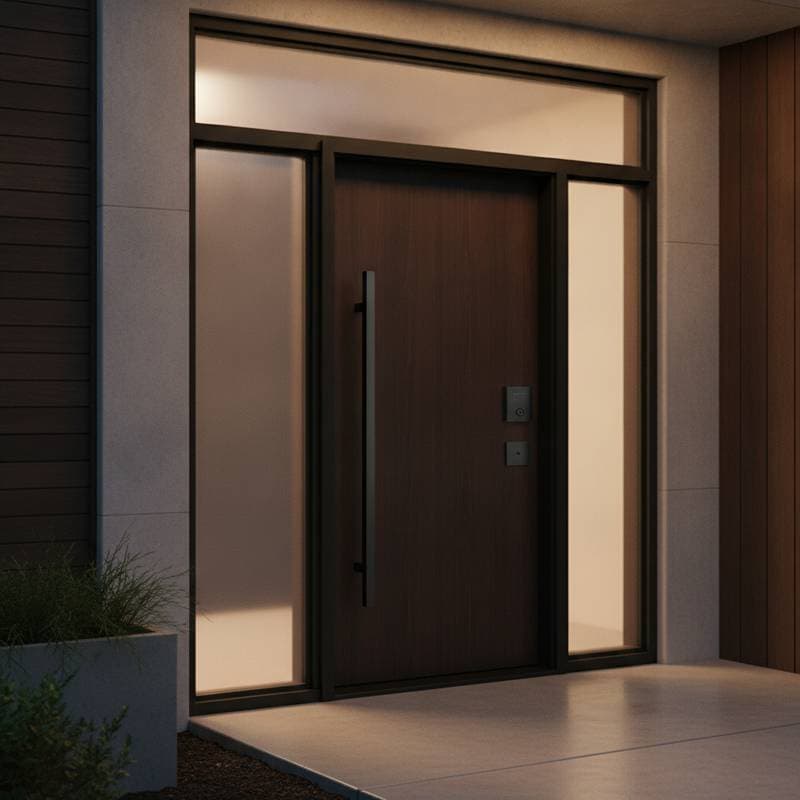
- Black metal hardware on terrazzo: Introduces bold, contemporary edges that accentuate embedded aggregates.
- Glass sidelights with terrazzo: Amplifies illumination, allowing the floor's subtle sparkle to draw the eye inward.
- Satin wall paints over terrazzo: Directs attention to the flooring's nuanced patterns without overwhelming the palette.
These integrations enable personalized designs that balance durability with visual interest.
Project Timeline and Disruptions
Expect terrazzo projects to span 7 to 14 days, influenced by curing times and customization levels. Marble setups often conclude in 3 to 5 days but necessitate periodic interventions thereafter.
Schedule around these phases to minimize inconvenience: restrict entryway access during pouring and grinding, and maintain consistent indoor temperatures between 65 and 75 degrees Fahrenheit for uniform curing. Post-installation, allow 24 hours before light foot traffic.
Long-Term Care Strategies
Terrazzo sustains its allure with basic routines. Sweep daily to remove debris, and mop weekly using a pH-neutral cleaner diluted in water. Refresh the sealer every three to five years, or after high-traffic exposure, to repel spills and preserve clarity.
Marble, by contrast, requires monthly sealing and annual professional polishing to combat acid erosion from sources like wine or cleaners. Terrazzo's reduced demands translate to annual upkeep costs under $200, versus $500 or more for marble.
Annual inspections by specialists catch minor issues early, extending both surfaces' lifespan, though terrazzo proves more forgiving for everyday use.
Planning Your Terrazzo Entryway Upgrade
Consider terrazzo for your 2026 entryway to secure marble-like refinement at a fraction of the expense. Contact certified installers for site evaluations, material sampling, and tailored quotes to initiate your renovation confidently.