Japandi Entryways: The Zen-Scandi Fusion That Redefines Calm and Clarity
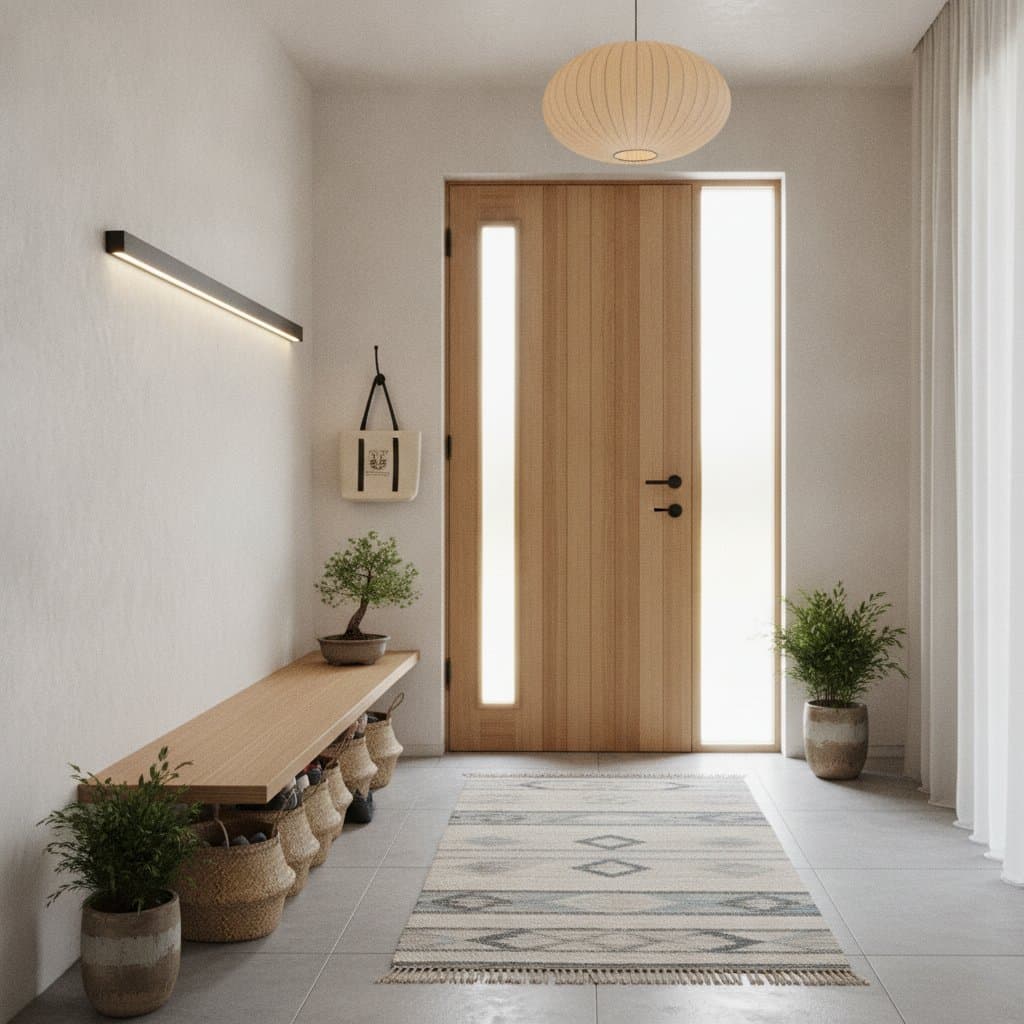
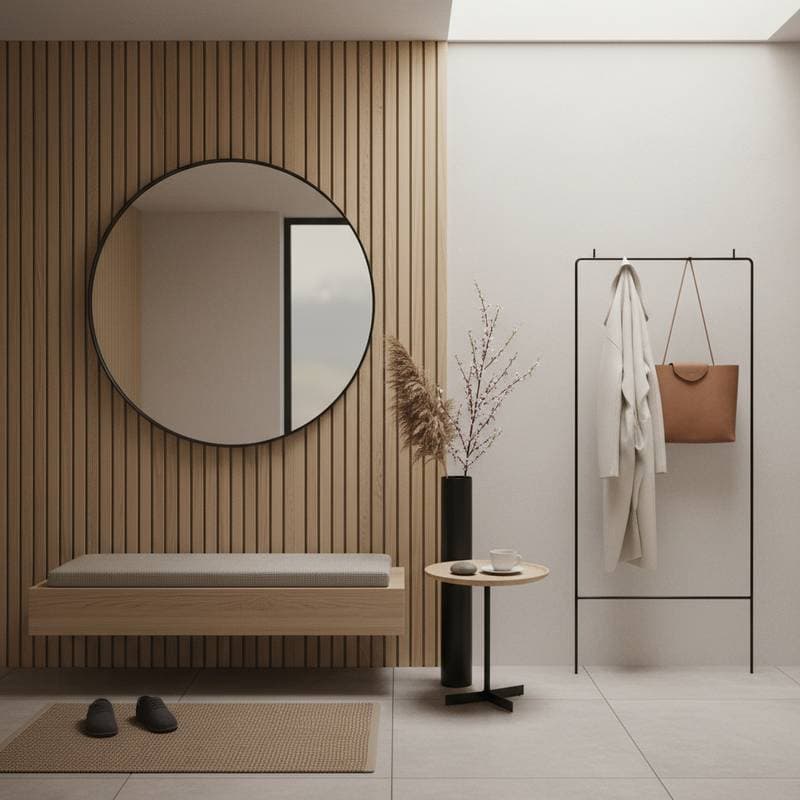
Japandi design combines Japanese minimalism with Scandinavian warmth to produce spaces that embody balance, intention, and profound calm. In the entryway, this style encapsulates the sensation of returning home to tranquility. Clean lines, natural textures, and a subdued color palette establish a serene atmosphere from the very threshold.
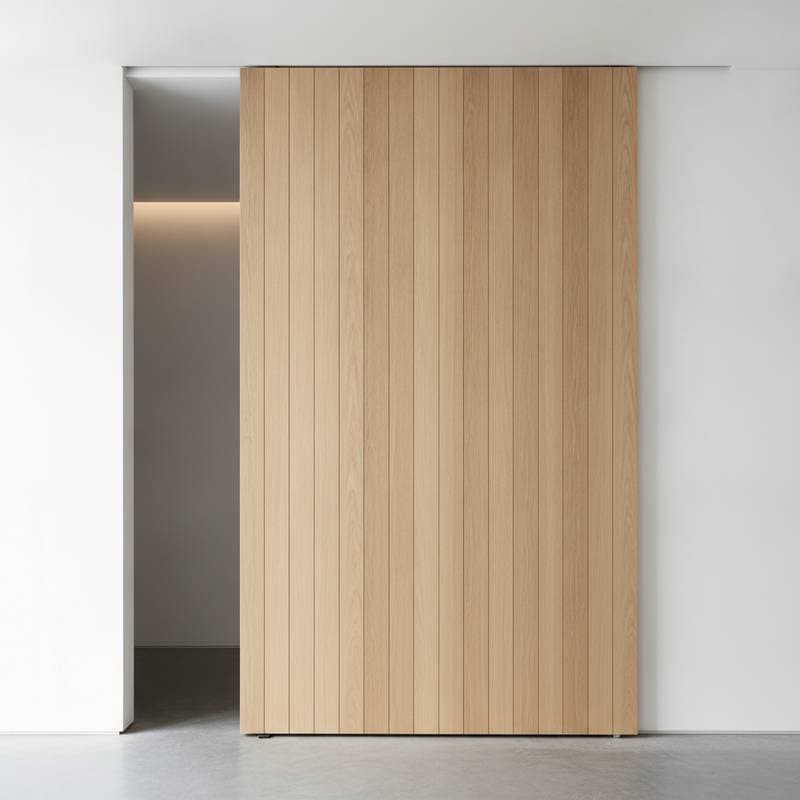
This method prioritizes purpose over mere ornamentation. Each component serves a function, such as a wooden door featuring subtle grain patterns, a sidelight that diffuses gentle illumination, or a bench that balances aesthetics with utility. The outcome is an elegant entryway that appears unforced yet anchored, straightforward yet comprehensive.
Three Ways to Achieve This Aesthetic
Budget-Friendly Option ($2,000 - $4,000)
- Select fiberglass or engineered wood doors finished in light oak or ash to replicate the appearance of natural wood at reduced expense.
- Apply muted beige or warm white paint to trim and siding for subtle contrast without sharp boundaries.
- Incorporate a straightforward black or brushed nickel handle set, steering clear of elaborate fixtures.
- Opt for vinyl or aluminum-clad windows with narrow frames to reflect crisp Scandinavian contours while controlling costs.
Mid-Range Option ($5,000 - $8,000)
- Advance to solid wood doors in maple or birch, complemented by minimalist glass inserts that provide a diffused radiance.
- Employ fiber cement siding in warm gray or sand hues for a contemporary, easy-to-maintain exterior.
- Fit double-pane wood-clad windows with natural interior finishes and resilient outer layers.
- Integrate accent lighting in matte black or brass to deliver understated warmth during evenings.
Premium Option ($9,000 - $15,000)
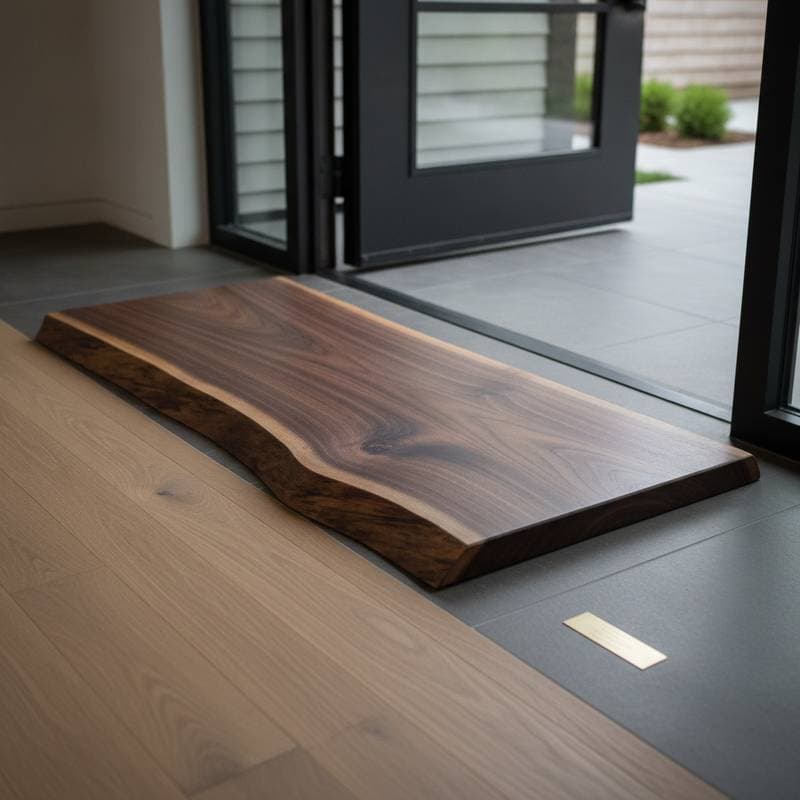
- Choose custom oak or walnut doors showcasing horizontal grain, hidden hinges, and level thresholds for fluid integration.
- Include triple-glazed wood windows treated with natural oil finishes to ensure enduring transparency and thermal efficiency.
- Apply natural wood siding or Shou Sugi Ban technique for added texture and dimension, protected by permeable sealants.
- Install a tailored entry canopy in cedar or steel to shield the space while elevating its structural presence.
Material and Finish Selection Guide
-
Windows: Prioritize slim-profile wood or aluminum-clad frames that maximize light entry without overwhelming the view. Finishes in black, natural wood, or warm taupe align seamlessly with Scandinavian and Japanese schemes. Minimize mullions or eliminate them to allow unobstructed glass that highlights surrounding landscapes.
-
Doors: Seek doors constructed from wood displaying evident grain and devoid of excess decoration. Apply light stains, clear coatings, or soft matte paints. Frosted or ribbed glass panels permit light penetration while preserving seclusion. Select hardware that is uncomplicated, matte, and inviting to the touch, in options like blackened steel or brushed bronze.
-
Siding: Vertical board and batten or horizontal lap configurations suit this style, provided the surface remains understated. Light woods, neutral grays, or earth-inspired tones prove most effective. For resilience on a budget, fiber cement or engineered wood serves as a viable substitute for solid timber.
-
Trim and Accents: Maintain trim with slender profiles and colors harmonized to the siding for unified subtlety. Incorporate stone or concrete steps featuring smooth contours to enhance the sense of stability. A narrow planter box in wood or clay finalizes the composition without introducing excess.
Maintenance Considerations
Japandi embraces organic materials, yet authentic wood demands attention. Oiled finishes on doors and siding require renewal every few seasons to sustain hue and moisture resistance. Homeowners desiring the aesthetic with less effort may prefer engineered wood or premium composites for extended durability and reduced care.
Clean glass components routinely, particularly frosted varieties, as accumulated dust can diminish their subtlety. Neutral paint shades resist fading better than deeper colors, although ultraviolet exposure impacts sun-facing surfaces. UV-resistant paints or transparent sealants aid in upholding the equilibrated scheme long-term.
Matte metal hardware may reveal fingerprints, so gentle cleansing with mild soap and water preserves its condition. The inherent simplicity of the design minimizes challenges, with fewer joints equating to reduced spots for grime accumulation.
Common Pitfalls to Avoid
-
Over-accessorizing disrupts the tranquil Japandi essence. Forego crowded wreaths or abundant planters. Concentrate on a solitary focal piece, like a lone bonsai tree or a vessel with tactile ceramic texture.
-
Combining excessive materials disrupts visual unity. Restrict selections to three primary substances, such as wood, stone, and metal, to foster cohesion.
-
Overlooking scale can render the entryway imposing. A large double door might dominate a compact facade, whereas diminutive windows appear mismatched. Align door and window dimensions with the overall architecture.
-
Failing to plan for upkeep results in future frustration. Verify finish specifications and care protocols prior to acquisition.
Coordinating Colors and Styles
A Japandi exterior depends on a restrained, nature-evoking palette that conveys serenity and environmental affinity.
Recommended Palette:
- Soft Sand: Serves as a versatile neutral foundation for siding, complementing verdant surroundings.
- Warm Birch: A light wood shade for doors or trim that infuses gentle heat.
- Matte Charcoal: Suited for window frames or hardware, anchoring brighter elements.
- Clay Gray: A discreet highlight for planters, steps, or light fixtures.
- Muted White: Ideal for soffits or inward-facing door frames to softly bounce light.
These shades adapt to diverse architectural forms, from modern to mid-century or cottage motifs. Restraint remains essential; the style flourishes through modest differentiation and equilibrated warmth.
Photography and Planning Checklist
Prior to initiating design, capture images of the existing exterior from varied perspectives. Such documentation aids in evaluating scale, illumination patterns, and prevailing color impacts.
Essential Items:
- Photographs of the current exterior from frontal, lateral, and arrival views.
- Evaluation of architectural style to inform scale and detailing decisions.
- Review of neighborhood or HOA regulations regarding materials and finishes.
- Analysis of local climate and environmental factors affecting material longevity.
- Definition of budget allocations to determine investment areas.
These elements prove essential when assessing samples or collaborating with professionals.
Creating a Harmonious Entry
A Japandi entryway evokes a sense of release. It integrates Japanese mindfulness with Scandinavian ease. Choices in wood tones, window ratios, and siding textures all contribute to an inviting calm.
Begin with a defined palette and sensory natural elements. Doors should beckon touch, windows frame illumination, and siding endure timelessly. Forms stay precise, colors subdued, details intentional. Regardless of budget constraints or luxury execution, the effect persists: a peaceful portal that respects nature and design precision.
Through deliberate choices and unified elements, homeowners realize an exterior that delights the eye and soothes the spirit daily. Japandi prioritizes equilibrium, attentiveness, and the subtle assurance of well-lived minimalism.