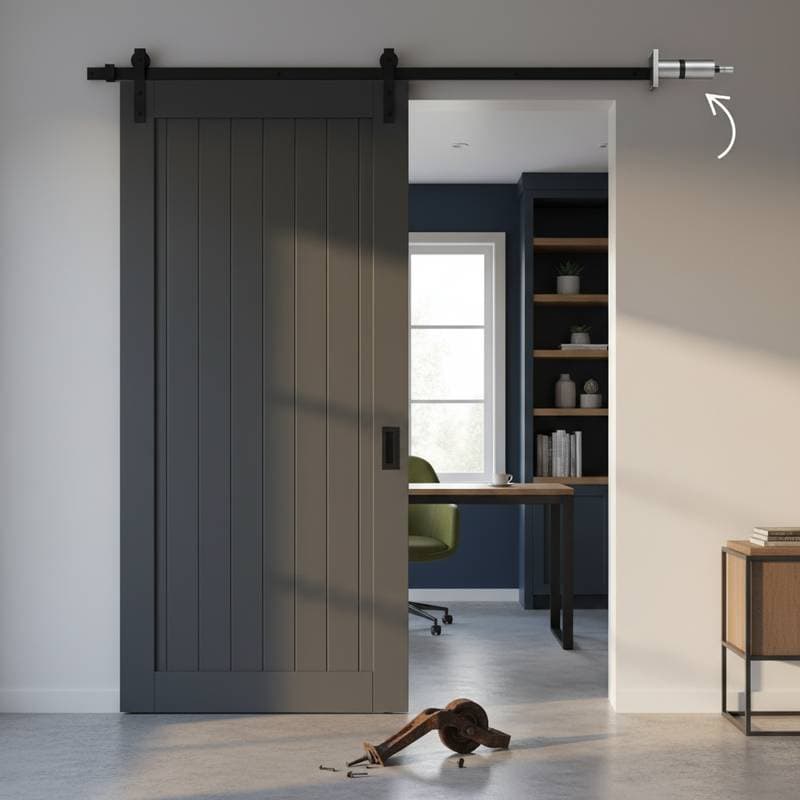
Why Barn Doors Fail: Soft-Close Takes Over
Barn doors have evolved from simple farmhouse elements into versatile design features that appear in diverse home interiors. These doors conserve space, enhance visual appeal, and introduce unique character to rooms. However, numerous homeowners encounter difficulties with conventional sliding barn door configurations as time passes. Issues such as noise, misalignment, and hardware deterioration represent frequent concerns.
The increasing adoption of soft-close barn door systems alters this narrative. These advanced mechanisms provide fluid operation, extended durability for components, and a sophisticated user experience. For individuals considering the installation or improvement of barn doors, a clear grasp of the shortcomings in legacy systems and the solutions offered by soft-close hardware supports informed decision-making.
Common Reasons Barn Doors Fail
Sliding barn doors operate on a straightforward principle, yet their everyday demands reveal vulnerabilities. The interplay of substantial weight, repetitive motion, and direct contact with the track often results in operational problems. Recognizing these vulnerabilities clarifies the appeal of soft-close mechanisms as a superior enhancement.
1. Misalignment of the Track
Conventional barn door setups depend on exact alignment between the track and rollers. Minor displacements in the wall structure or mounting hardware can lead to rubbing, scraping, or uneven closure. Such misalignment typically arises from flawed initial setup or gradual building settlement. When the track deviates, the system loses its capacity for quiet and secure function.
2. Excess Force During Closing
Homeowners frequently cite the resounding impact as the door contacts the track's end. Absent any cushioning device, the door accumulates speed and collides forcefully with the stop. This action generates excessive sound, accelerates hardware degradation, loosens securing elements, and may damage the door's surface finish.
3. Roller and Bearing Wear
Rollers and bearings bear the door's complete load. In budget hardware, these parts often consist of plastic or inferior metals that deform, fracture, or create drag with use. The door then moves in fits and starts rather than with ease. While periodic lubrication offers temporary relief, uneven wear in bearings generally necessitates full replacement.
4. Track Debris and Dust Buildup
Exposed tracks on barn doors accumulate dust and particles along the roller's route. This accumulation produces friction and audible grating. In coastal or high-humidity environments, rust formation exacerbates the loss of smooth travel. Consistent cleaning and evaluation prove essential, particularly for doors in heavy rotation.
5. Poor Mounting or Wall Support
Amateur installations often falter due to tracks secured without access to sturdy framing. Drywall lacks the strength to sustain a substantial door's weight. Fasteners may eventually withdraw from the surface, leading to droop or total failure. Experts verify stud locations and employ robust anchors to avert such outcomes.
Comparing Standard and Soft-Close Systems
The table below delineates primary distinctions between traditional sliding hardware and contemporary soft-close options.
| Feature | Standard Barn Door Hardware | Soft-Close Barn Door Hardware |
|---|---|---|
| Noise level | Moderate to loud | Nearly silent |
| Closing control | Manual, often abrupt | Automatic, smooth finish |
| Maintenance frequency | Every 3 to 6 months | Every 6 to 12 months |
| Lifespan | 5 to 8 years | 10 to 15 years |
| Safety level | Moderate | High |
| Cost | Lower upfront | Higher upfront, lower long-term cost |
Although soft-close assemblies carry a greater initial expense, they yield savings through diminished part replacements and upkeep demands.
Expert Insights on Soft-Close Upgrades
Installers with extensive experience stress the impact of superior hardware. Jared Collins, a door contractor based in Oregon, observed, "The biggest issue with barn doors is how quickly cheaper tracks wear out. A good soft-close kit cuts down on calls for readjustments or noise complaints."
Design professionals also affirm the benefits. Lisa Hernandez, an interior designer focused on modern residences, remarked, "Clients love the look of barn doors, but they do not want to hear them. Soft-close systems make the style feel more high-end."
Such perspectives align with the rising preference among homeowners for enhancements that merge form with practicality.
Long-Term Maintenance for Reliable Performance
Soft-close technology benefits from regular care to sustain optimal function. Clear the track of dust each month using a soft brush or vacuum attachment. Clean rollers with a damp cloth and inspect for secure fittings biannually. Refrain from harsh chemical cleaners on the track, as they strip away essential lubricants. Apply a light coating of silicone lubricant to rollers for consistent glide.
Monitor for alterations in operation, such as unusual sounds or hesitation. Examine the track for obstructions or verify alignment if irregularities appear. Addressing minor discrepancies promptly averts extensive repairs.
Making the Switch to Soft-Close Barn Doors
Upgrading an existing traditional barn door to a soft-close variant typically involves minimal disruption. Retrofit kits accommodate most standard tracks, requiring only basic adjustments. Expect to invest between $150 and $300 in components, with additional fees for professional assistance.
New projects benefit from selecting integrated soft-close kits from the outset. These packages ensure component compatibility and streamline assembly for reliable results.
Enhancing Home Comfort Through Durable Barn Doors
Barn doors serve as both aesthetic and utilitarian elements in daily living. Their reliability influences overall household tranquility. Soft-close innovations mitigate common pitfalls by minimizing disturbances, safeguarding parts, and elevating security. This approach elevates barn doors to enduring architectural assets.
Opt for soft-close hardware in fresh setups or renovations to secure lasting performance. The modest added investment yields prolonged ease and reduced service needs. Proper installation and upkeep guarantee silent, effortless operation over extended periods.