Why 2026 Homeowners Prioritize Built-In Window Seats
Built-in window seats experience renewed popularity in contemporary home design. Homeowners pursue additions that deliver comfort, utility, and visual appeal, and these integrated seating areas fulfill those needs effectively. A thoughtfully constructed window seat elevates a basic window into a welcoming highlight of the home.
This surge in interest mirrors broader preferences for customized interiors that harmonize ease with efficiency. Built-in window seats suit diverse settings, from compact apartments to expansive family residences, providing enhancements that extend well past surface-level beauty.
Key Reasons Homeowners Favor Built-In Window Seats
1. Additional Seating That Preserves Floor Space
A built-in window seat introduces practical seating without the footprint of freestanding furniture like chairs or sofas. Integrated directly into the wall or beneath the window sill, it conserves valuable square footage and maintains unobstructed movement paths.
Families who host gatherings benefit from this setup, as it forms natural conversation areas without disrupting room layouts. In compact homes or condominiums, where space proves precious, such designs offer essential versatility.
2. Concealed Storage for Organized Spaces
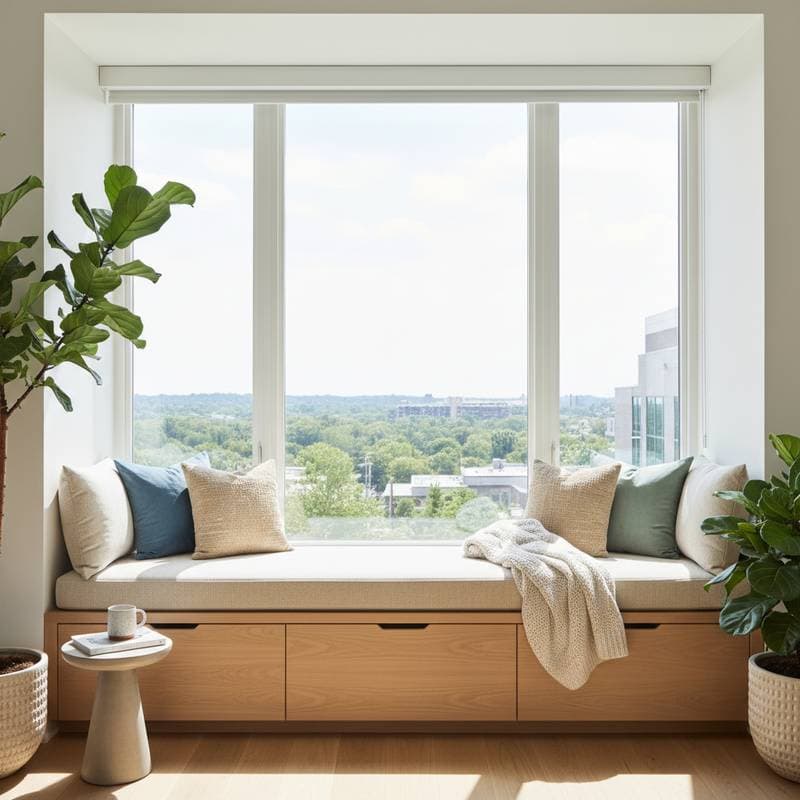
Numerous designs incorporate hidden compartments, drawers, or benches with lift-up lids beneath the seating. These elements provide spots to tuck away blankets, holiday decorations, or toys, promoting a tidy appearance.
Storage-integrated window seats conceal disorder effectively while supporting daily organization. Consult a skilled carpenter to select options suited to your architecture, including necessary structural support.
| Storage Type | Average Added Cost | Best Use |
|---|---|---|
| Lift-up bench lid | $150 to $300 | Blankets, pillows, linens |
| Pull-out drawers | $250 to $600 | Toys, books, footwear |
| Side cabinets/shelves | $300 to $800 | Decor items, baskets, plants |
3. Amplified Natural Light and Scenic Enjoyment
Window seats position users near the room's prime asset: expansive windows. Proximity to daylight improves activities such as reading, remote work, or leisure. In areas with appealing vistas, these seats become ideal observation points.
Professionals frequently install them in living rooms, bedrooms, or kitchen nooks. Select cushions and textiles that complement the surroundings to establish a soothing centerpiece blending form and function.
Optimal Placement Options for Built-In Window Seats
Window seats adapt to various rooms, though select positions yield superior outcomes. Consider these popular installations to inspire your project.
Living Room Integration
Position built-in seating beneath a wide picture window to infuse coziness into communal spaces. This arrangement functions as a dedicated reading area or supplementary guest seating. Add adjacent shelving or cabinets for a cohesive, refined aesthetic.
Bedroom Retreats
Install a window seat in the bedroom to form a serene zone for morning routines or evening reads. Include under-seat drawers to organize bedding or seasonal attire, maximizing utility in personal quarters.
Kitchen and Breakfast Zones
A bench under a kitchen window anchors a breakfast area effectively. Pair it with a facing table and chairs to create a efficient dining setup that radiates character despite limited dimensions.
Hallway and Staircase Enhancements
Narrow hallways or stair landings accommodate compact window benches well. These additions transform overlooked areas into tranquil pauses or practical stops, while introducing architectural depth.
Weighing DIY Against Professional Installation
Experienced homeowners sometimes construct built-in window seats independently. Readily available kits and digital blueprints simplify basic builds. Yet, for homes featuring bay windows, irregular flooring, or bespoke trim, expert involvement ensures optimal results.
DIY Advantages:
- Reduced expenses, typically below $800
- Flexible customization on personal timelines
- Personal accomplishment from crafting a useful element
DIY Drawbacks:
- Demands solid carpentry skills and accurate sizing
- Potential for subpar finishing compared to experts
- Extended duration for novices
Professional Advantages:
- Precise alignment and superior craftsmanship that blends with current details
- Utilization of premium materials and specialized equipment
- Swift completion, often in days
Professional Drawbacks:
- Elevated pricing
- Dependence on contractor schedules
Professionals often provide enduring benefits, particularly for intricate or prominent features.
Steps to Integrate a Built-In Window Seat
Identify a suitable window and envision its enhanced role, whether for seating, storage, or equilibrium. Measure the area precisely and sketch initial concepts to align with room proportions.
Select materials like sturdy wood for the frame and plush fabrics for upholstery to ensure durability and comfort. Engage a contractor early if complexities arise, securing a seamless addition.
A meticulously built window seat serves as a home's inviting core, bathed in daylight. This investment merges everyday practicality with enduring allure, crafting spaces that resonate personally.