Sound Blocking Doors: Noise Control Solutions for 2026
Noise disrupts concentration, sleep, and relaxation in many homes. Sources such as street traffic, neighboring units, and household activity rank among the top comfort complaints. Sound blocking doors provide an effective method to reduce sound transmission while preserving interior style. These upgrades address open floor plans common in contemporary homes and deliver measurable privacy improvements.
Average Cost Ranges
Professional installation of a sound blocking interior door typically totals between 700 and 1800 dollars. Premium acoustic models reach 2500 dollars when advanced seals and higher density cores are specified. Prices reflect material selection, thickness, and sealing components.
| Door Type | Installed Cost | STC Rating | Typical Locations |
|---|---|---|---|
| Hollow core | 150 to 350 | 20 to 25 | Low traffic rooms |
| Solid wood | 700 to 1500 | 30 to 35 | Bedrooms and offices |
| Acoustic solid core | 1200 to 2500 | 35 to 45 | Studios and nurseries |
| Composite sound rated | 900 to 1800 | 33 to 40 | Apartment entries |
| Custom assembly | 2000 to 4000 | 45 to 55 | Theaters and luxury suites |
Most households obtain noticeable improvement by selecting solid core or acoustic rated units rather than altering wall construction.
STC Performance Explained
Sound Transmission Class ratings quantify airborne noise reduction. Higher numbers indicate stronger blocking capability. Standard doors often measure below 30 STC. Professionally rated acoustic doors reach 50 or above. An STC near 30 reduces normal conversation volume. Ratings above 45 limit television and loud speech transmission.
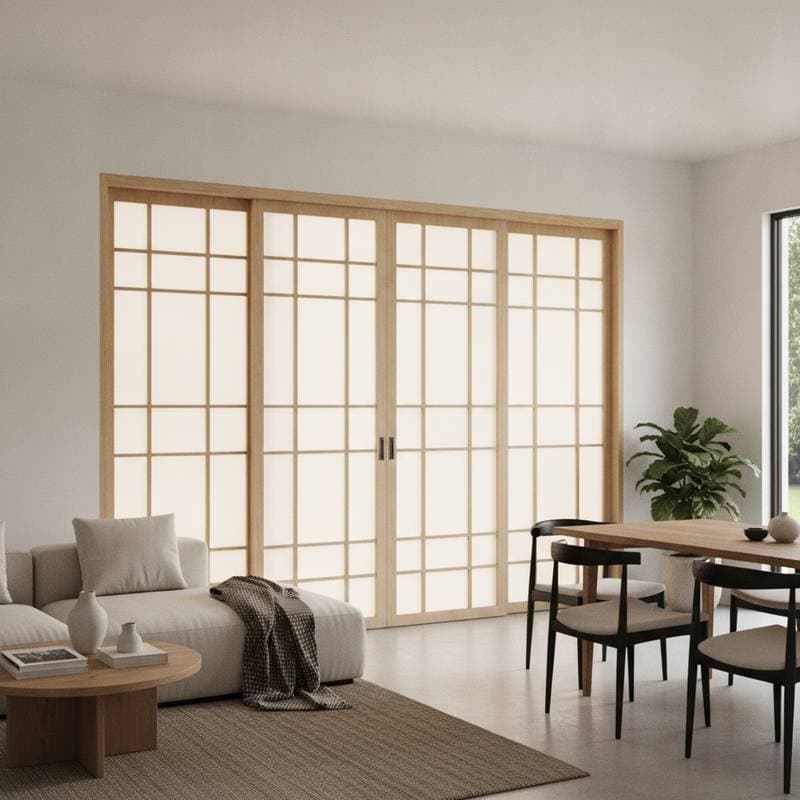
Installers report rising homeowner interest in STC values alongside energy performance metrics. Open layouts allow sound to travel freely, making targeted door upgrades a practical first step.
Cost Influences
Several elements determine final pricing and results.
- Material density affects sound absorption. Solid wood and composite cores outperform hollow construction.
- Thickness adds mass. Acoustic models measure 1 3/4 inches or greater compared with the standard 1 3/8 inches.
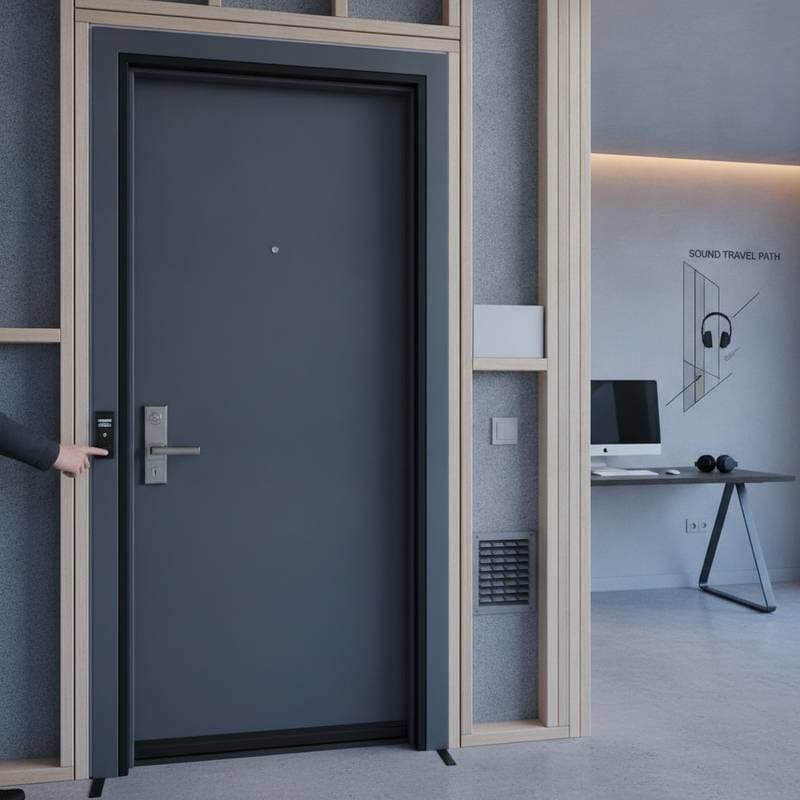
- Perimeter seals and drop bottoms close gaps. These additions cost between 100 and 250 dollars.
- Frame alignment and reinforcement improve isolation when existing jambs require adjustment.
- Hardware choices such as heavy hinges influence both performance and expense.
Material Comparison
| Material | Sound Reduction | Upkeep Level | Visual Style |
|---|---|---|---|
| Solid wood | Excellent | Moderate | Traditional |
| MDF core | Very good | Low | Paintable smooth |
| Composite acoustic | Excellent | Low | Modern durable |
| Metal clad | Superior | Low | Industrial |
| Acoustic glass | Moderate | Low | Light filled |
Composite and MDF options balance cost with consistent performance. Solid wood offers premium appearance yet requires monitoring for humidity related movement.
Installation Process
Accurate fitting ensures seals perform as intended. Installers measure openings, verify frame squareness, and apply gaskets. Each door requires two to four hours. Bulk projects often receive labor discounts. Rates range from 150 to 400 dollars per unit.
Homeowners should engage professionals for acoustic models. Proper threshold adjustment and hinge placement determine actual noise reduction achieved.
Priority Locations
Select rooms strategically.
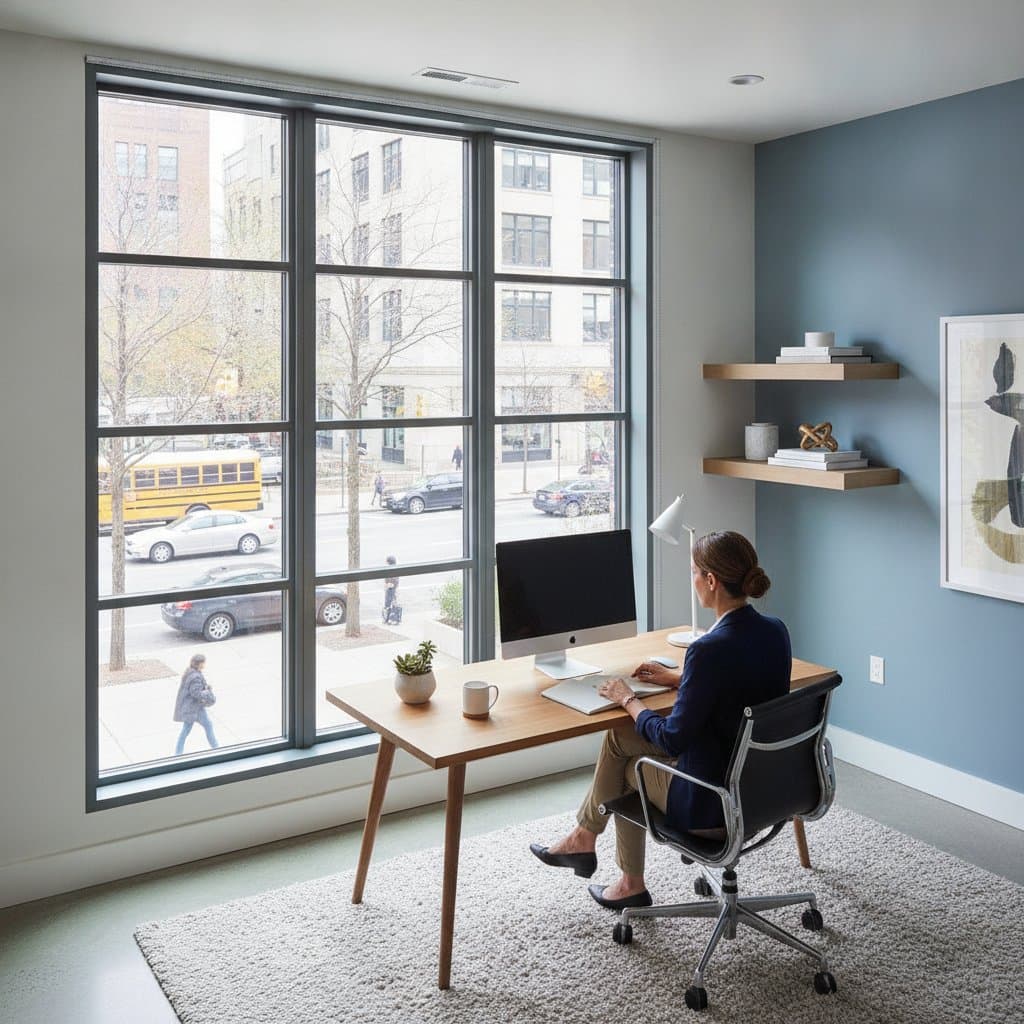
- Home offices that require concentration.
- Bedrooms adjacent to hallways or streets.
- Media rooms containing audio equipment.
- Basement apartments with shared walls.
- Nurseries needing stable quiet.
Strategic placement improves overall home acoustics without full wall modifications.
Design Integration
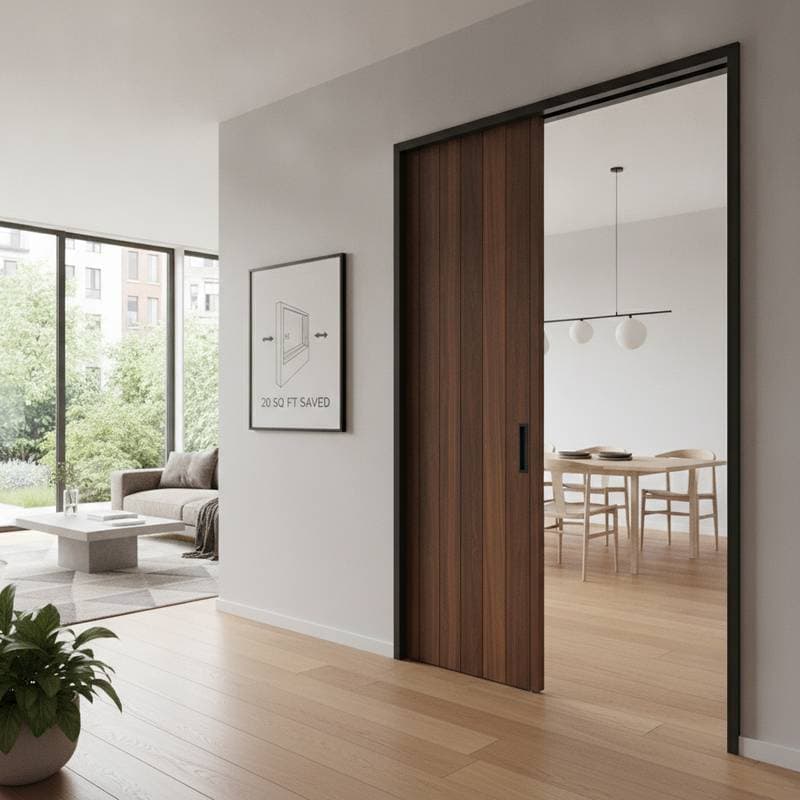
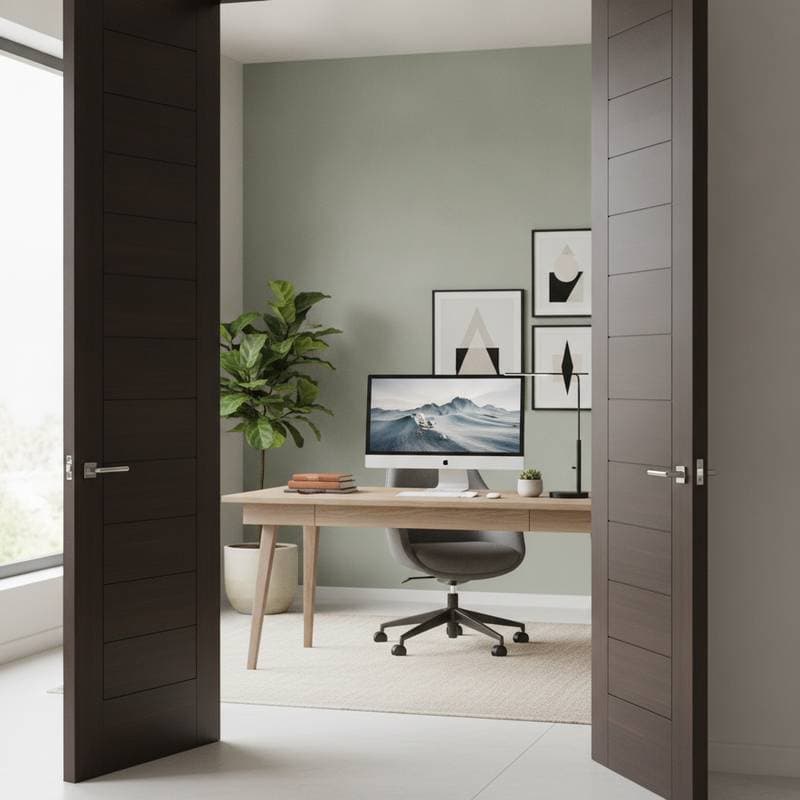
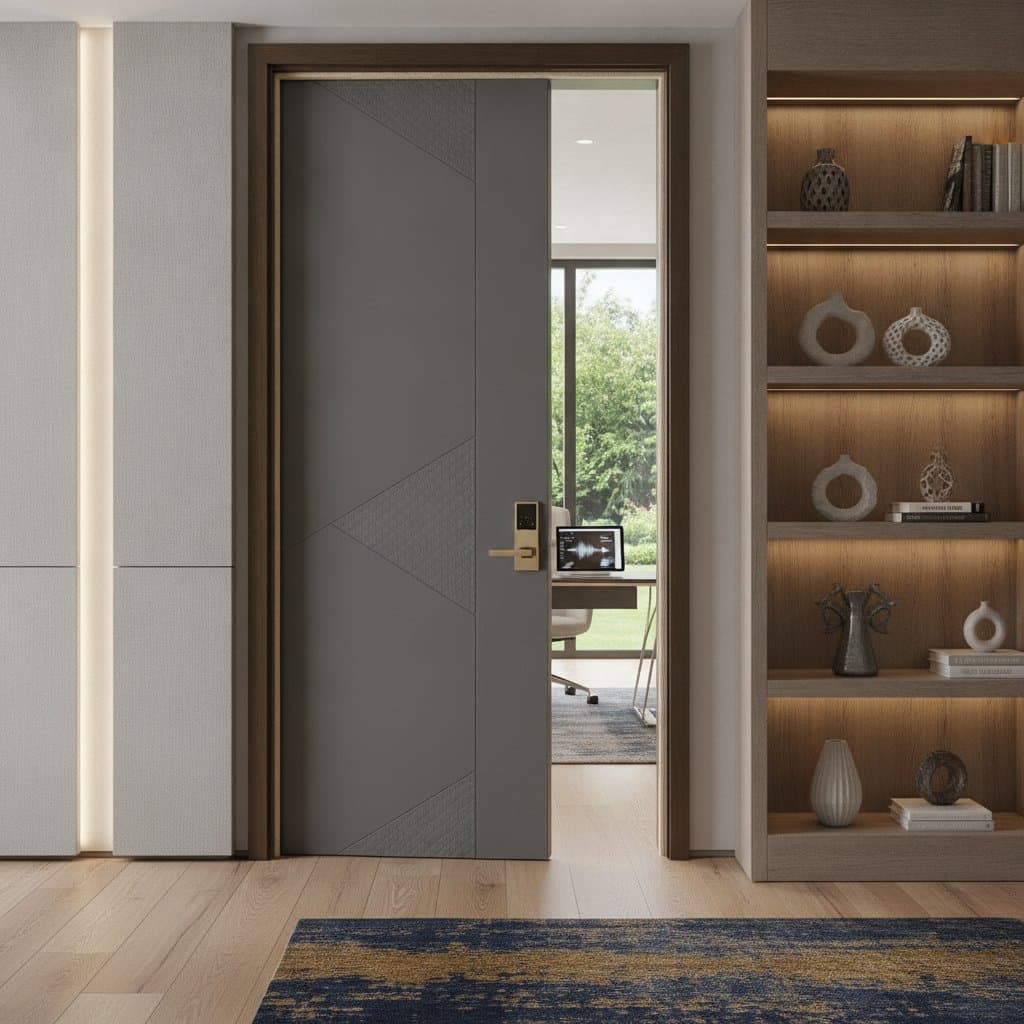
Current acoustic doors offer wood veneers, painted finishes, and matching trim. Hidden seals maintain standard appearance. Manufacturers embed soundproofing within conventional profiles so performance does not compromise aesthetics.
Care Guidelines
Inspect seals twice yearly. Replace compressed or damaged gaskets promptly. Clean surfaces with mild detergent. Adjust hinges after seasonal humidity shifts to maintain contact.
Next Steps
Identify rooms with highest noise transfer. Compare STC ratings against budget. Engage a qualified installer to confirm measurements and sealing options. These targeted replacements create quieter, more private interiors.