Why 70% of Homeowners Are Switching from Chrome to Matte Black Hardware
Matte black hardware emerges as a top choice for homeowners refreshing interior doors, cabinets, and fixtures. Data from leading design retailers indicates that approximately 70 percent of customers opt for matte black over chrome during remodels or installations. This preference extends beyond aesthetics to encompass practical considerations such as maintenance ease, longevity, and stylistic versatility. The following sections examine the factors fueling this transition and offer guidance on determining whether matte black suits your residence.
Key Advantages of Matte Black Over Chrome in Daily Use
Homeowners increasingly abandon chrome for its tendency to reveal water spots, fingerprints, and scratches with ease. Matte black, by comparison, conceals such flaws and maintains a uniform appearance through basic care.
Professional remodeler Jake Turner of Turner Home Works observes, “Clients want finishes that look great without constant polishing. Matte black hardware gives that clean appearance even in high-traffic spaces.”
Homeowners highlight these primary benefits:
- Effortless Maintenance: Matte black effectively masks smudges and fingerprints, unlike polished chrome. A simple pass with a damp cloth restores its pristine condition.
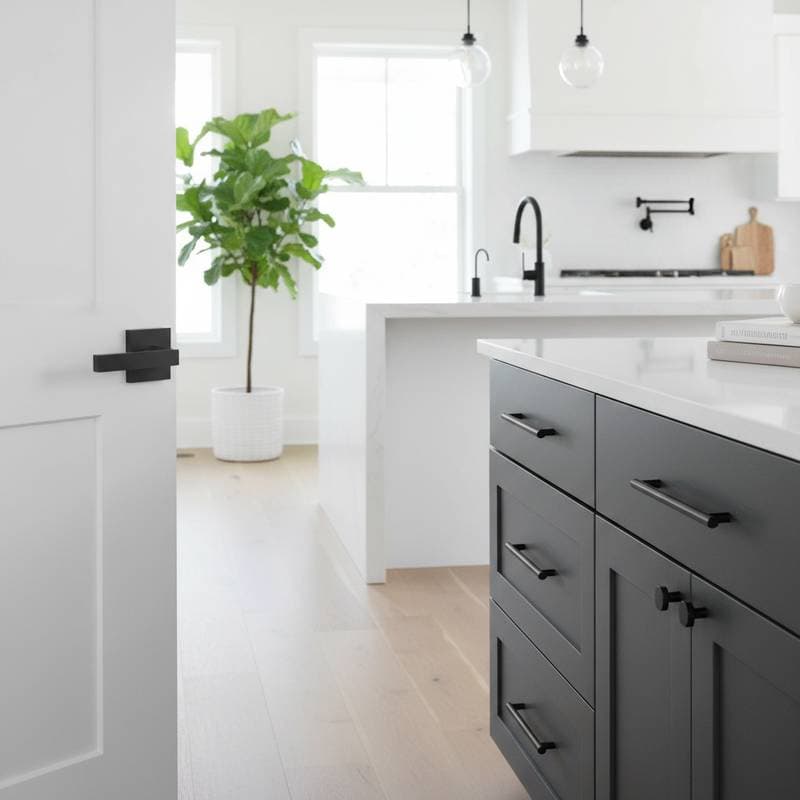
- Design Versatility: This finish integrates seamlessly with warm wood grains, crisp painted surfaces, or combinations of metals in eclectic setups.
- Contemporary Aesthetic: The non-reflective surface aligns with modern, industrial, and transitional motifs, providing subtle sophistication.
- Robust Protection: Finishes like powder coating or anodizing on matte black components guard against corrosion, fading, and environmental wear.
These qualities establish matte black hardware as a durable enhancement, far from a fleeting fad.
Durability and Upkeep Comparison
In terms of endurance, matte black hardware matches or exceeds chrome performance. Chrome layers may flake or develop pits, particularly in moisture-rich settings. Matte black's powder-coated layers form a resilient barrier against rust and color shifts.
| Feature | Matte Black | Chrome |
|---|---|---|
| Fingerprint Resistance | Excellent | Poor |
| Scratch Resistance | Good | Moderate |
| Corrosion Resistance | High | Moderate |
| Cleaning Frequency | Low | High |
| Finish Longevity | 10 to 15 years typical | 8 to 12 years typical |
Residents in coastal areas or homes with high humidity often find matte black hardware retains its integrity longer. The subdued texture also camouflages minor abrasions that would stand out on shiny chrome surfaces.
Design Movements Propelling the Change
Interior specialists report a marked drop in chrome hardware specifications. This evolution mirrors wider trends toward tactile subtlety and inviting warmth in home environments.
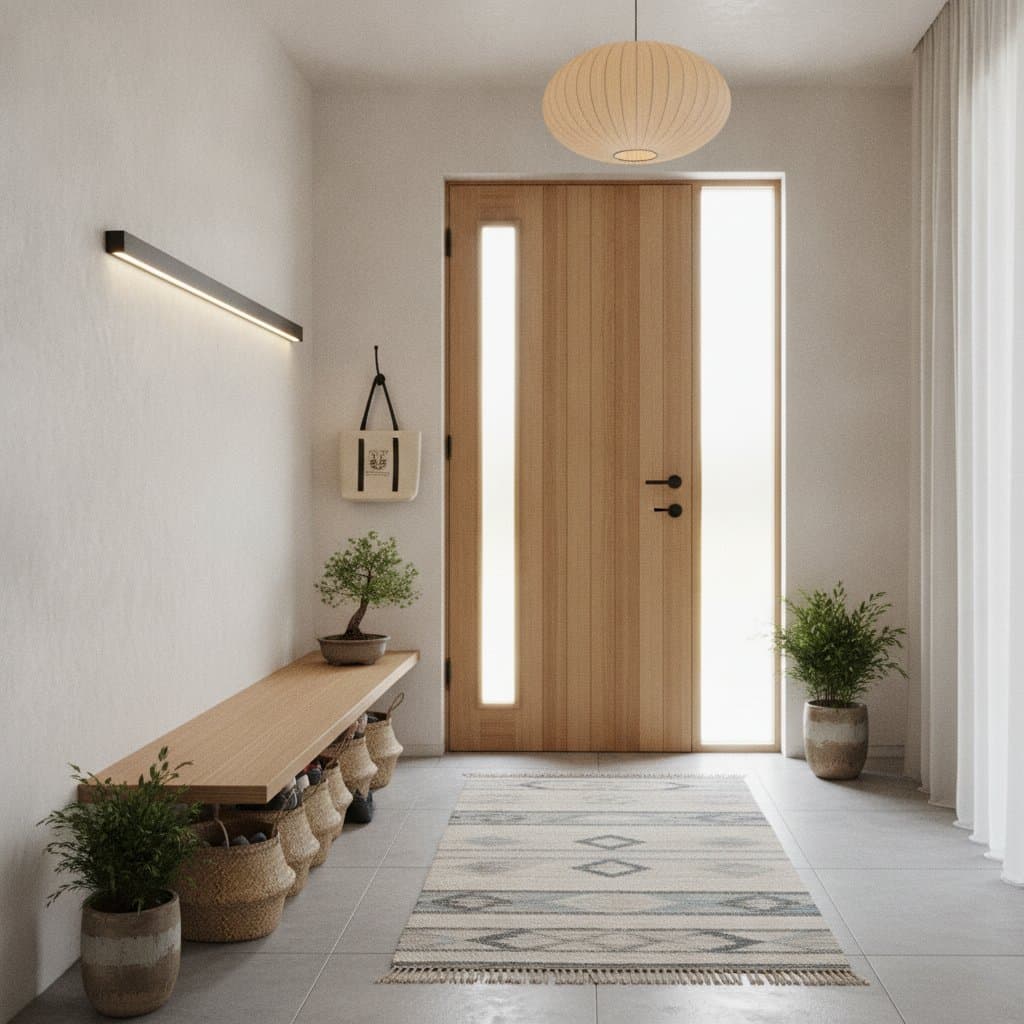
Matte black enhances minimalist spaces with neutral palettes and streamlined forms. It balances designs incorporating wood, stone, and metal elements without dominating the composition. Individuals seek finishes that convey relevance without ostentation; chrome's gleam can overwhelm in pursuit of restraint.
Evolving illumination plays a role as well. Softer LED bulbs with warm tones soften matte surfaces for harmonious effects, whereas chrome may project an overly stark or glaring presence. Strategic lighting allows matte black to contribute depth and visual interest while harmonizing with surroundings.
Pricing Considerations for Your Project
Overall expenses hinge on variables like installation labor, hardware grade, and replacement scale.
| Cost Factor | Typical Range | Explanation |
|---|---|---|
| Labor for Door Hardware | $75 to $150 per door | Covers disassembly and secure fitting |
| Labor for Cabinet Hardware | $2 to $5 per pull | Depends on volume and any necessary modifications |
| Material Quality | +10% to +25% | High-end coatings elevate the price point |
| Quantity Discount | -5% to -15% | Bulk orders lower individual item expenses |
For a full-home conversion to matte black, procure materials in volume from wholesalers or builders. Such strategies can reduce expenditures by as much as 15 percent relative to standard retail rates.
Preserving Matte Black Hardware
Sustaining the fresh appearance of matte black hardware requires minimal effort. Steer clear of aggressive cleaners or rough scrubbers that might compromise the surface. Opt for a soft microfiber cloth with diluted soap solution for routine touch-ups.
Examine door levers and hinges yearly to tighten any loose fasteners. Should fading or superficial marks appear, manufacturers offer repair kits with precise enamel matches. In moisture-prone zones such as kitchens, a light application of protective wax bolsters defense against dampness.
Consistent checks and gentle care ensure the finish remains even and attractive over extended periods, rendering matte black one of the least demanding home improvements.
Steps to Implement the Upgrade
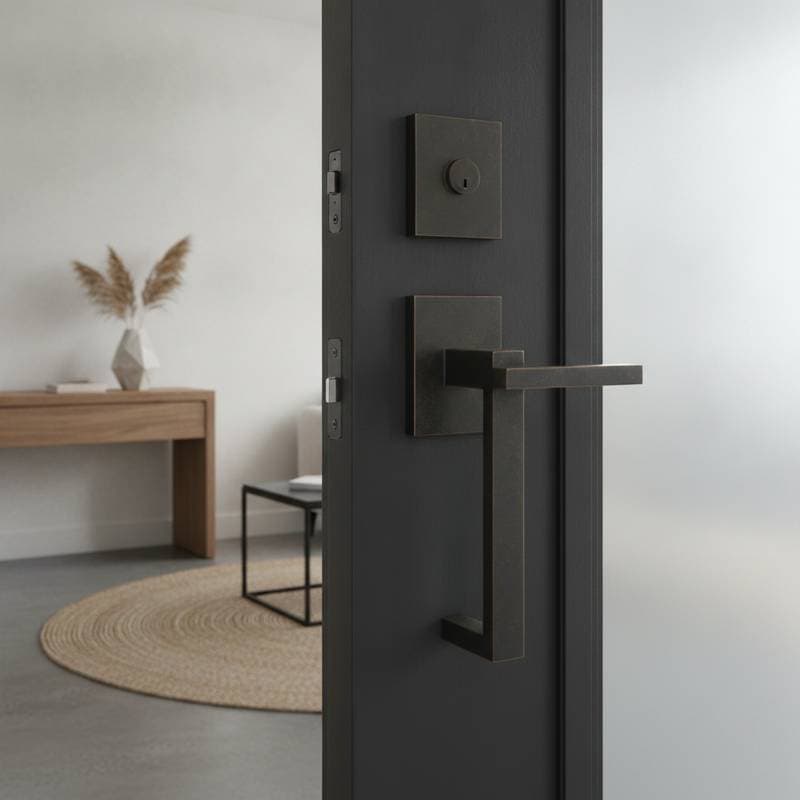
Transitioning from chrome to matte black hardware yields substantial aesthetic returns through modest effort. Begin in one area, such as a kitchen or entryway, with select items before scaling up. The blend of simple care, current design alignment, and proven resilience renders matte black ideal for both ongoing refreshes and fresh constructions.
From cabinet knobs to comprehensive door hardware replacements, this finish delivers refined, cohesive elegance that sustains your home's vitality with little ongoing attention.