Thermochromic Door Hardware: Colors That Shift with the Seasons
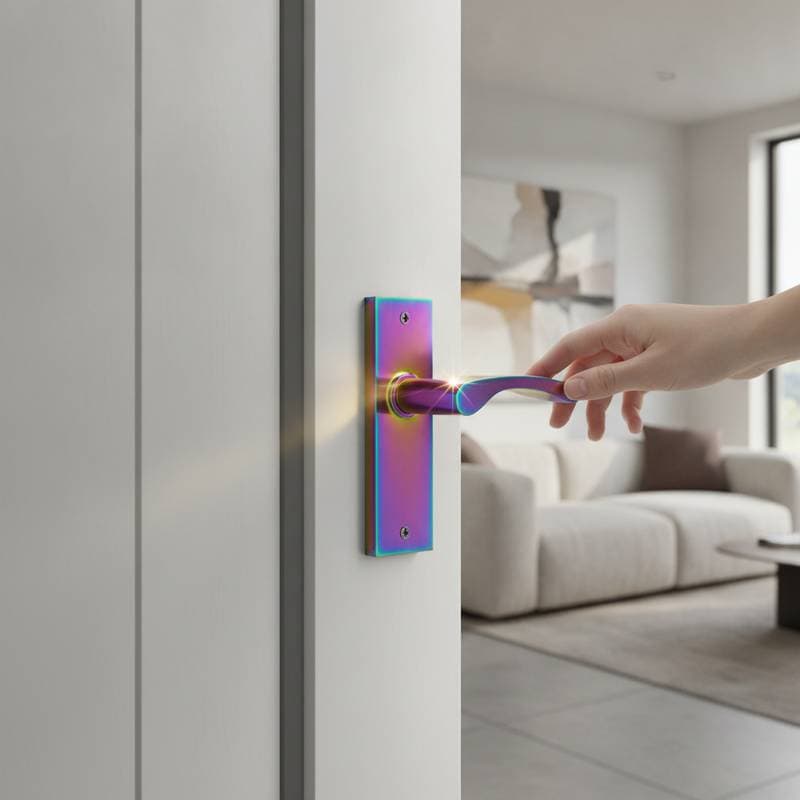
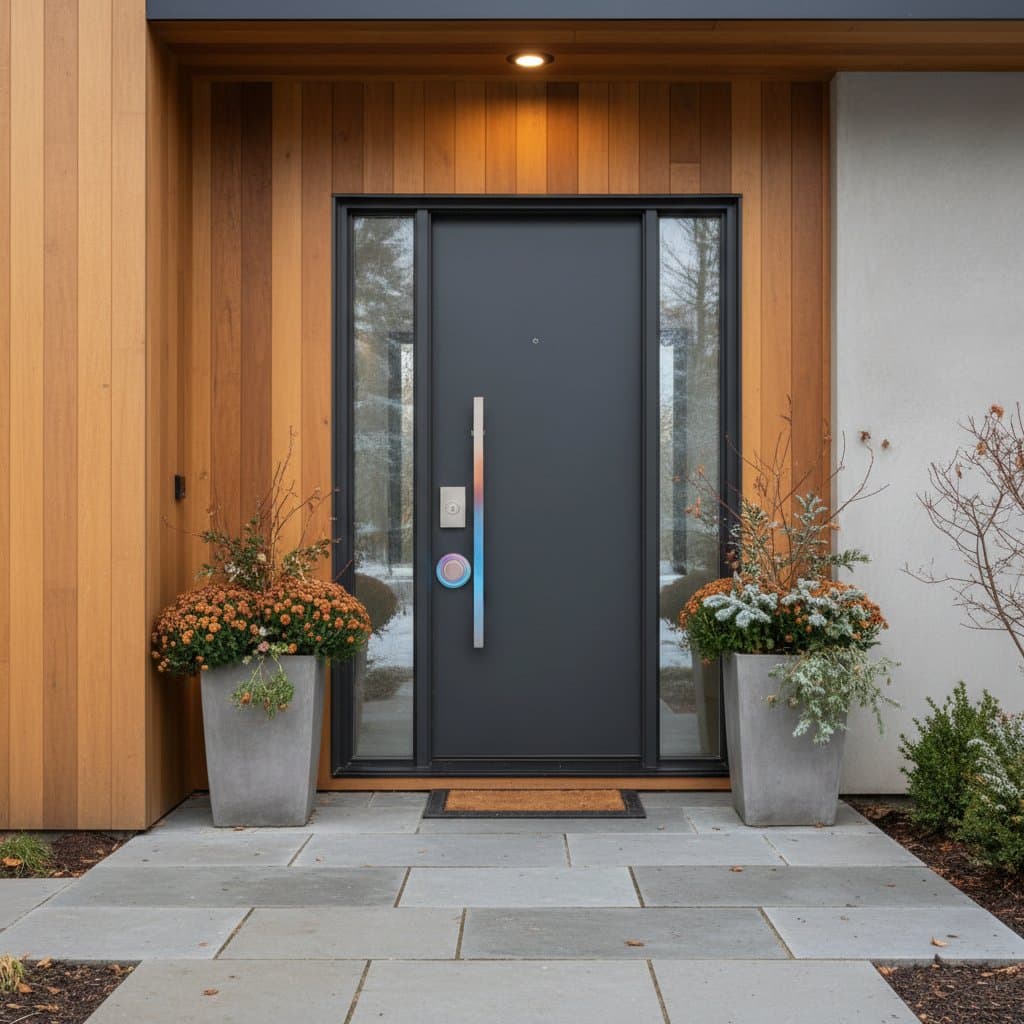
Exterior design trends increasingly favor materials that interact with environmental conditions. Thermochromic door hardware represents a leading advancement in this area. These temperature-activated coatings alter hues in response to weather fluctuations, producing a gentle yet captivating evolution that maintains a home entrance in harmony with nature. Beyond mere curiosity, this approach embodies a design philosophy that integrates aesthetics, utility, and ecological considerations.
The attraction of thermochromic hardware stems from its capacity to echo seasonal atmospheres. Door handles might display a cool slate gray during winter, transition to deep bronze in spring, and adopt a soft gold tone under summer warmth. Such gradual changes align with the rising demand for facades that appear organic and balanced, rather than fixed and elaborate. Moreover, the technology adds a tactile layer to visual design, stimulating both vision and contact in manners unattainable by conventional surfaces.
Three Approaches to Achieve This Effect
Budget Option ($300 - $800)
- Select ready-made thermochromic handle kits or lever assemblies suited for typical wood or steel doors.
- Choose bases in brushed nickel or powder-coated finishes, which readily accommodate thermochromic layers and withstand corrosion.
- Limit updates to front entry hardware to control expenses while achieving noticeable visual enhancement.
- Refresh adjacent trim paint to promote color consistency without overhauling the full door assembly.
Mid-Tier Option ($900 - $2,500)
- Opt for hardware featuring factory-applied thermochromic coatings for enhanced longevity.
- Pair with solid-core wood or composite doors in subdued shades like driftwood gray or warm sand to provide measured contrast.
- Incorporate matching hinges, knockers, and mailbox elements to broaden the responsive aesthetic across the front.
- Integrate adjustable lighting that amplifies color variations under different light temperatures.
Premium Option ($2,600 - $5,500)
- Order bespoke hardware with multi-layered thermochromic applications that cycle through several shades.
- Embed intelligent sensors to fine-tune thermal sensitivity, ensuring reliability in harsh weather.
- Merge with finely crafted wood doors that include glass inserts and detailed milling for an upscale appearance.
- Extend similar responsive coatings to window surrounds or siding accents for a seamless, luxurious exterior.
Materials and Finishes Overview
- Windows: Aluminum-clad frames in black or bronze coordinate effectively with thermochromic hardware in matching shades. For a gentler vibe, wood windows with interior paints that mirror the hardware's cooler or warmer states offer versatility.
- Doors: Neutral-stained solid wood doors, such as weathered oak or light walnut, allow shifting handles to emerge prominently without distraction. Matte-finished fiberglass doors reduce glare and accentuate the color dynamics.
- Siding: Opt for smooth lap siding or vertical board-and-batten in stone gray, soft white, or muted charcoal. These neutral bases permit the hardware's changes to draw focus. Textural additions like stone veneer bases or metal panels near the entrance add depth.
- Trim and Accents: Maintain trim in clean lines with white, off-white, or subtle taupe. Lighting fixtures in brushed aluminum or oil-rubbed bronze unify the scheme, supporting both warm and cool hardware phases.
Maintenance Essentials
Preserve thermochromic coatings through careful handling to sustain their sensitivity. Harsh chemicals or abrasives disrupt thermal reactions. Employ mild soap and water for regular cleaning, followed by complete drying to prevent residue accumulation. In moist areas, apply a thin protective wax to curb oxidation and prolong coating integrity. For sun-exposed pieces, routine checks detect fading or irregular shifts early. Replacement overlays install easily without hardware disassembly, simplifying upkeep.
These coatings prove resilient, yet they possess a limited duration. Anticipate five to ten years of strong performance before renewal. Premium formulations extend this period and minimize interventions. Residents in coastal or arid zones benefit from UV-resistant variants to avert early degradation.
Common Pitfalls to Avoid
- Excessive Metal Variety: Multiple finishes generate disorder. Limit to one thermochromic shade range and a single complementary metal, like brushed steel or matte black, for unity.
- Overlooking Regional Conditions: Certain formulas falter in severe cold or heat. Verify temperature tolerances prior to selection.
- Inadequate Surface Preparation: Over unclean or greasy bases, coatings peel or shift unevenly. Thorough cleaning and priming prove essential.
- Isolating the Handle: While central, the handle requires supportive elements. Overlook door hues or trim at the risk of disjointed results.
Modern Farmhouse Style: Blending Warmth and Cool Adaptation
The modern farmhouse aesthetic persists in its development, merging rustic charm with sleek minimalism. Thermochromic hardware enhances this blend, infusing vitality into the traditional black-and-white scheme while upholding ease of care.
Three Approaches to Achieve This Effect
Budget Option ($400 - $1,200)
- Fit thermochromic handles to painted wood doors in crisp white or soft ivory.
- Employ vinyl board-and-batten siding with a low-sheen finish to spotlight hardware transitions.
- Update handles on front entry and mudroom doors alone to manage costs and ensure stylistic flow.
Mid-Tier Option ($1,300 - $3,000)
- Install prefinished wood doors with black trim and adaptive bronze handles that warm to amber.
- Add thermochromic address numbers or mailbox units for integrated modernity.
- Incorporate advanced weather seals and insulated glass for superior efficiency.
Premium Option ($3,100 - $6,000)
- Design custom doors from reclaimed wood with stratified stains and connected thermochromic hardware linked to home systems.
- Match window shutters or garage pulls for comprehensive facade harmony.
- Install edge lighting to highlight handle shifts during evenings.
Materials and Finishes Overview
- Windows: Black steel-inspired or dark bronze vinyl frames suit the rustic-contemporary fusion.
- Doors: Natural wood grains or paints in oyster white, deep graphite, or misty gray anchor the design.
- Siding: White or pale gray vertical board-and-batten offers striking contrast to evolving hardware.
- Trim and Accents: Black or dark brown casings and railings provide cohesion.
Maintenance Essentials
Farmhouse settings endure dust and sunlight. Wipe hardware monthly with a soft cloth. Steer clear of high-pressure washing near handles. Renew protective layers biennially for color fidelity. In rural locales with pollen or dust, perform seasonal cleanings to avert dulling.
Common Pitfalls to Avoid
- Extreme Contrasts: Pure black-and-white lacks depth without natural textures like wood or stone.
- Proportional Mismatch: Undersized handles diminish large doors; scale to door dimensions.
- UV Oversight: Sun-drenched porches demand stable finishes to resist bleaching.
Coastal Contemporary: Light and Adaptive Breezes
Coastal interiors celebrate illumination and relaxed sophistication. Thermochromic hardware adds interactivity, mirroring ambient heat and light. Handles may evolve from sandy beige at dawn to sea-glass blue midday, capturing maritime rhythms.
Three Approaches to Achieve This Effect
Budget Option ($500 - $1,000)
- Mount thermochromic hardware on fiberglass or composite doors resilient to salt.
- Select light blue or pearl-gray doors to underscore handle evolutions.
- Refresh main entry hardware exclusively for cost-effective coastal enhancement.
Mid-Tier Option ($1,100 - $2,800)
- Utilize marine-grade thermochromic seals against corrosion.
- Pair with white shiplap siding and brushed nickel frames for breezy modernity.
- Extend adaptive elements to patio or outdoor doors for flow.
Premium Option ($2,900 - $6,500)
- Craft stainless handles with phased thermochromic ocean tones.
- Add sunset-enhancing exterior lights.
- Combine with durable coastal windows and insulated siding.
Materials and Finishes Overview
- Windows: Matte silver or coastal white aluminum endures salinity.
- Doors: Smooth fiberglass or composites repel moisture and frame shifts.
- Siding: Soft gray, mist blue, or pale sand horizontal lap evokes calm.
- Trim and Accents: Brushed stainless or light chrome ensures unity.
Maintenance Essentials
Seaside conditions challenge durability. Rinse hardware with fresh water routinely to clear salt. Wax annually for corrosion defense. Lighter finishes suit direct sun to limit heat gain. Sensors aid consistent responses in variable climates.
Common Pitfalls to Avoid
- Inferior Base Materials: Standard steel rusts; prioritize marine stainless or aluminum.
- Sun Exposure Neglect: Accelerates damage; add shades or awnings.
- Sheen Inconsistency: Varied gloss levels disrupt reflections; standardize matte or gloss.
Curated Color Palettes for Seamless Integration
Balanced palettes sustain thermochromic hardware's appeal year-round. Pair winter slate grays with cool blues and whites for crispness. Spring bronzes harmonize with earthy greens and sands. Summer golds complement warm neutrals like beiges and soft yellows. Autumn ambers blend with rusts and deep woods. Test samples in natural light to confirm transitions enhance the overall scheme.
Elevate Your Entryway with Responsive Design
Thermochromic door hardware transforms static exteriors into dynamic expressions of environment and style. By selecting appropriate approaches, materials, and maintenance, homeowners craft entrances that evolve gracefully. This investment not only boosts curb appeal but also aligns with sustainable practices, creating lasting impressions through innovation and harmony.