Understanding the Fading of Black Window Frames
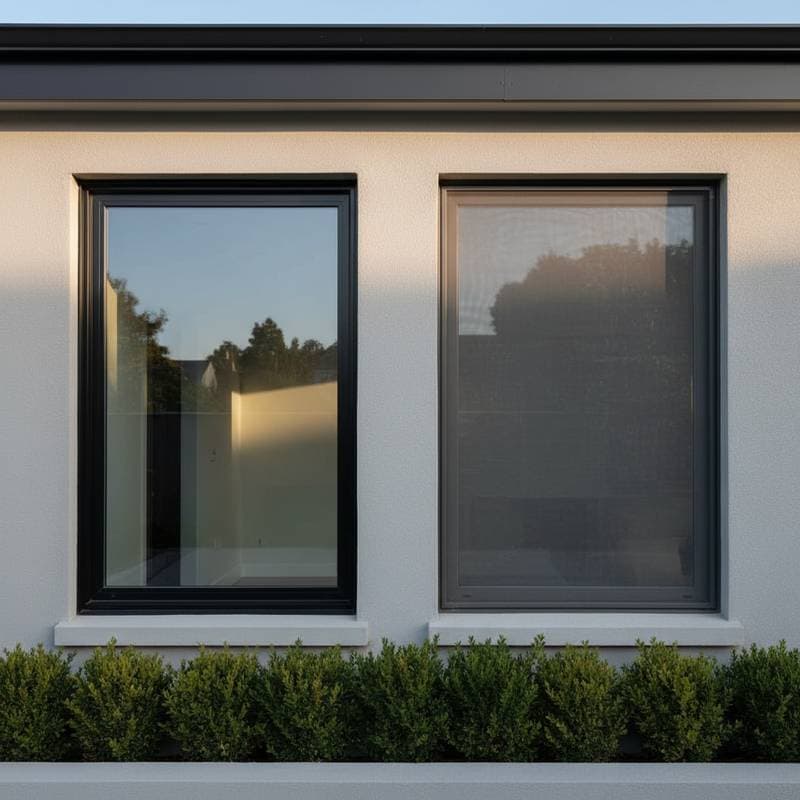
Black window frames offer a sleek, modern edge that enhances any home's architecture. They provide sharp contrast against walls and landscapes, blending seamlessly with both minimalist and classic designs. However, a key challenge emerges over time: these dark frames fade noticeably quicker than lighter alternatives, often by as much as 30% under typical sun exposure.
This accelerated fading stems from the interaction between sunlight, heat, and the frame's surface. Homeowners who select black for its dramatic appeal must account for this durability trade-off to preserve their investment. Addressing it early through informed choices leads to longer-lasting results.
Causes of Faster Fading in Black Frames
Darker colors like black absorb significantly more sunlight than light hues. This absorption generates higher surface temperatures, which degrade the protective coatings and pigments at a faster rate. Ultraviolet rays from the sun target the molecular structure of paints and finishes, breaking bonds that hold color intact and leading to a chalky, faded appearance within a few years.
Daily temperature swings exacerbate the issue. Frames expand in the heat of the day and contract at night, creating micro-stresses that crack or thin the coating layers. Materials such as aluminum conduct heat efficiently, intensifying this cycle, while vinyl can soften and distort under prolonged warmth.
Location-specific elements influence fading speed as well. In sunny regions like the Southwest United States, direct exposure can shorten color life by half compared to overcast areas. South-facing windows capture the most intense rays, whereas north-facing ones or those under eaves experience minimal degradation. Coastal homes face added risks from salt-laden air, which corrodes finishes and accelerates pigment breakdown.
Comparing Materials for Fade Resistance
Selecting the right material impacts how well black frames withstand fading. Each option balances cost, durability, and upkeep differently, allowing tailored decisions based on home needs.
| Material Type | Initial Cost | Expected Lifespan Before Fading | Maintenance Level | Ideal Application |
|---|---|---|---|---|
| Aluminum | Moderate to high | 10-15 years | Low: occasional cleaning and repainting | Sleek, contemporary exteriors with high sun exposure |
| Vinyl | Low to moderate | 7-12 years | Moderate: avoid abrasive cleaners | Affordable upgrades in moderate climates |
| Fiberglass | High | 15-20 years | Very low: simple wiping | Premium, energy-focused homes in harsh environments |
| Wood-Clad | High | 12-18 years | High: annual sealing and inspection | Rustic or custom builds requiring natural texture |
Aluminum excels in modern settings but requires robust coatings to counter its heat conductivity. Vinyl suits budget projects yet demands shade in intense sun to prevent warping alongside color loss. Fiberglass stands out for stability, maintaining deep black tones even in demanding conditions, though the higher price reflects its superior engineering. Wood-clad options add organic charm but rely on vigilant exterior protection to shield against UV penetration.
Advanced Coatings to Combat Fading
Innovative finishes now target the vulnerabilities of dark frames. Powder coatings bake onto the surface for a durable bond that resists UV penetration better than traditional paints. Anodized aluminum treatments create a hard oxide layer, reflecting heat and slowing pigment degradation by up to 40% in tests.
Look for UV-inhibiting additives in premium paints, which neutralize harmful rays before they reach the color layer. Multi-layer systems pair a pigmented base with a transparent topcoat infused with stabilizers, extending vibrancy by 5-7 years. Application quality proves crucial; uneven layers invite premature wear, so choose certified installers who verify adhesion through standardized tests.
Reflective technologies, such as ceramic-based pigments, bounce back a percentage of infrared light, keeping frame temperatures 10-15 degrees cooler. These options suit high-exposure homes, reducing not only fading but also energy costs from heat gain.
Essential Maintenance Routines
Proactive care keeps black frames looking sharp for years. Schedule quarterly cleanings with a soft cloth, lukewarm water, and pH-neutral soap to remove dirt without eroding the finish. Avoid pressure washers or solvents, which strip protective barriers and invite faster fading.
Regular inspections reveal early warning signs like powdery residue or color inconsistencies. Address minor spots with manufacturer-matched touch-up kits, applying in thin layers to match the original sheen. For extensive damage, hire professionals for stripping and recoating, a process that restores factory-fresh appearance.
Minimize UV contact through strategic design. Install awnings or deep roof overhangs on sun-facing sides to block 50-70% of direct rays. Interior shades or films add another layer of defense, while exterior plantings like fast-growing evergreens provide ongoing natural cover without obstructing views.
Weighing Style Against Durability
Black frames define bold exteriors, outlining windows like artistic frames for scenic views. They pair powerfully with light stucco, brick, or siding, creating visual depth that elevates curb appeal. Yet this intensity demands commitment to upkeep, as fading can dull the once-crisp lines.
Lighter shades like soft gray or warm beige offer subtler elegance with built-in longevity. These colors scatter heat rather than trap it, potentially lowering cooling bills by 5-10% in warm regions. Opt for black if drama drives your vision and maintenance fits your routine; choose neutrals for effortless aging and broad versatility.
Installation Best Practices
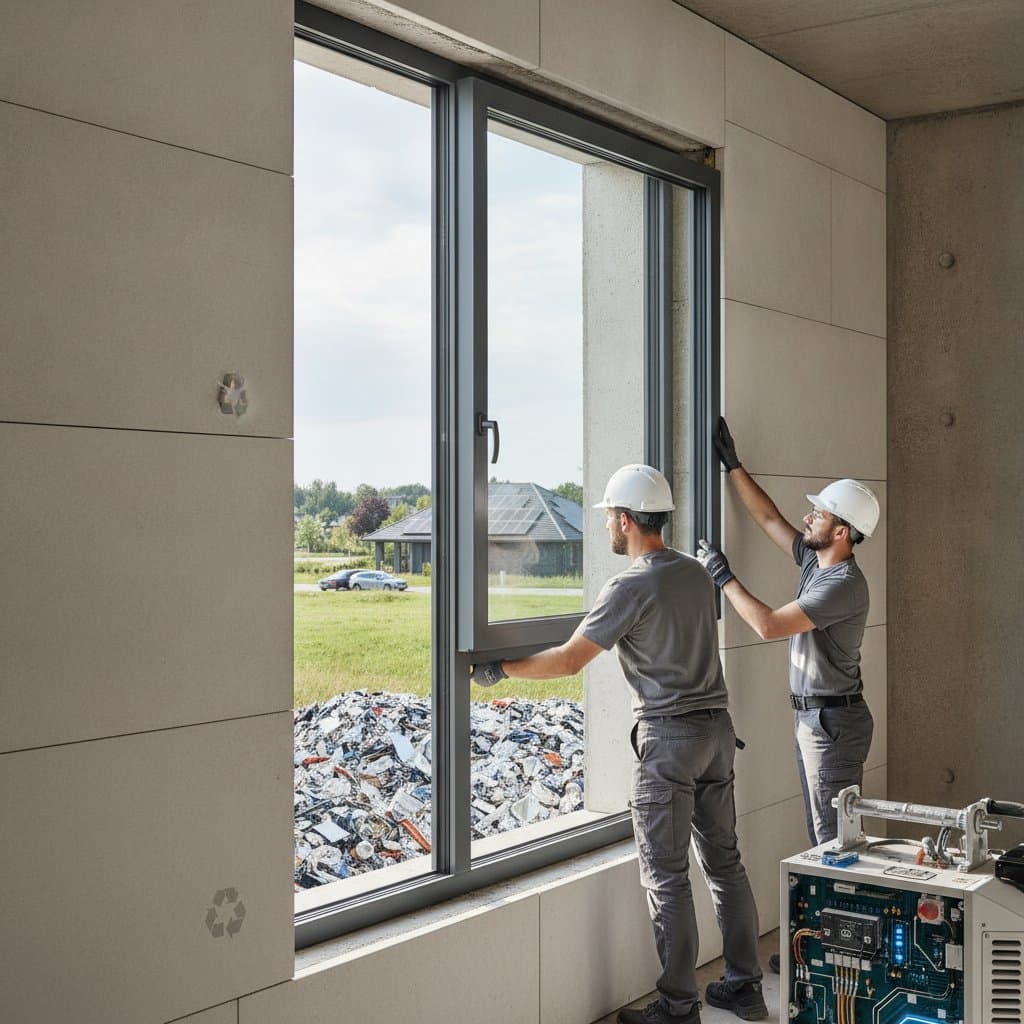
Proper setup lays the foundation for fade resistance. Begin with a site assessment: map sun paths using tools like solar calculators to predict exposure levels. Select materials and coatings rated for your climate zone, prioritizing those with third-party UV certifications.
Prepare surfaces meticulously by cleaning openings and applying sealants to block moisture. During framing, ensure plumb alignment to distribute stress evenly, preventing localized hot spots that hasten wear.
- Level and secure frames with corrosion-resistant anchors.
- Apply sealants around perimeters to seal out elements.
- Touch up any installation scratches with UV-stable paint before unveiling to sunlight.
- Remove temporary protective films promptly to avoid adhesive residue.
- Document the setup with photos for future reference during maintenance.
Post-installation, monitor for the first six months, adjusting habits based on observed performance.
Planning for the Future
Over a decade, black frames mature with their surroundings, provided quality underpins the choice. Pair top-tier fiberglass or coated aluminum with routine care to achieve 15+ years of bold color. This approach maximizes return on investment for long-term residents.
For those eyeing resale, neutral tones may attract more buyers seeking low-effort features. Regardless, informed selection aligns style with reality, avoiding costly surprises. Consult local experts to simulate aging in your specific setting.
Steps to Select and Sustain Black Frames
Start by defining your priorities: aesthetics first, then durability. Research suppliers offering fade warranties, typically 10-20 years, and request samples exposed to simulated UV testing. Budget 10-15% extra for enhanced coatings.
Commit to a maintenance calendar: clean seasonally, inspect biannually, and recoat every 7-10 years. These habits ensure black frames remain a standout feature, enhancing your home's value and enjoyment for years ahead.