Why Windows Outperform Doors in 2026 Home Renovations
Homeowners tackling renovations frequently debate whether to prioritize windows or doors when both show signs of age. In 2026, evidence points to windows as the superior starting point. Shifts in energy standards, daily comfort needs, and investment returns position window upgrades ahead of door replacements for most properties.
This preference stems from windows' pervasive role in home performance. They regulate temperature, light, and sound across multiple spaces, delivering widespread benefits. Doors, while essential for security and entry, exert a narrower influence on overall living quality.
Navigating the Renovation Environment
Homes inevitably display wear on exterior features like windows and doors. Indicators include drafts seeping through gaps, finishes that fade under sun exposure, and mechanisms that stick or fail to operate smoothly. At this juncture, owners must determine which upgrade yields the most substantial gains in function and efficiency.
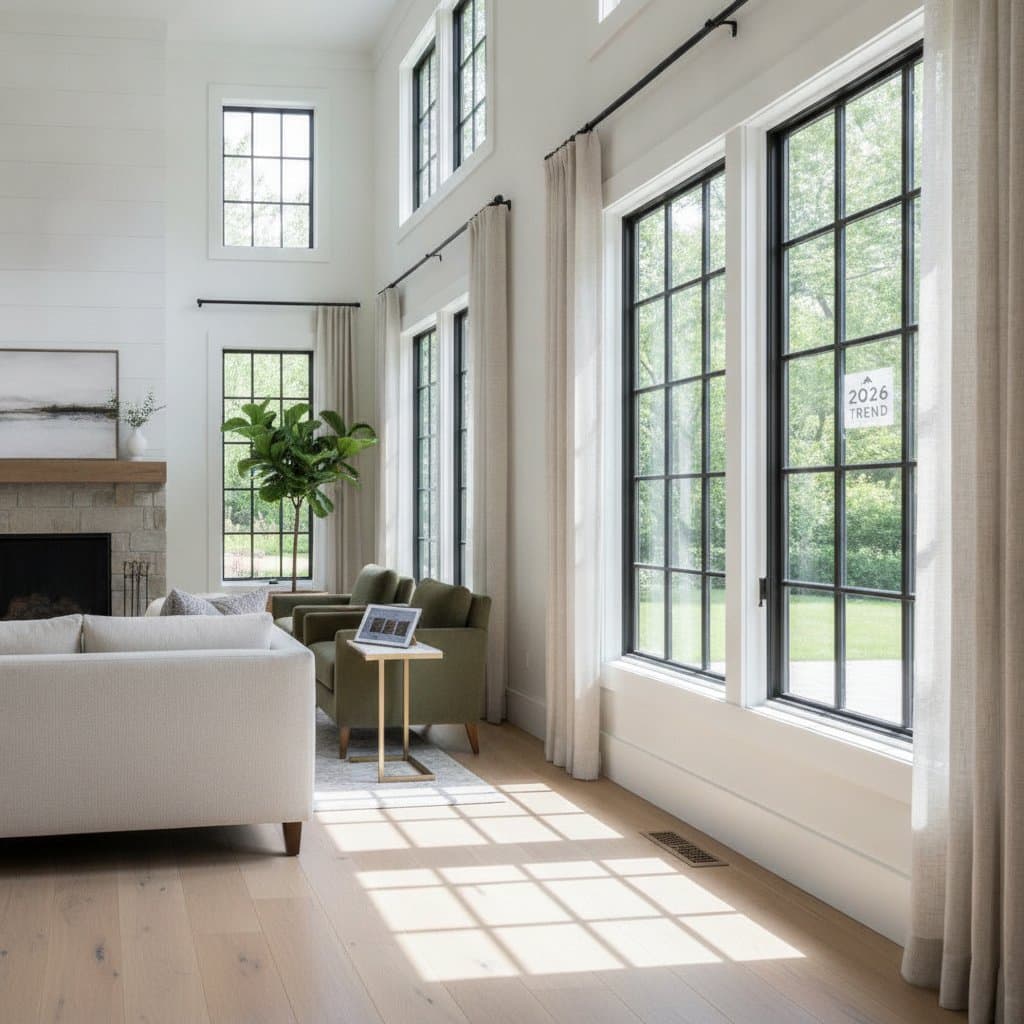
Windows emerge as frontrunners due to their integral impact on indoor environments. Each room relies on them for ventilation, views, and climate control, amplifying their upgrade value. Doors primarily serve transitional roles, affecting fewer daily interactions despite their prominence at the front.
Energy dynamics further underscore this choice. Older windows permit significant heat loss or gain through single-pane glass and degraded seals, inflating heating and cooling expenses. Contemporary options incorporate low-emissivity coatings, argon-filled panes, and robust framing to minimize thermal transfer, often slashing utility bills by 10 to 20 percent within the first year.
Evaluating Expenses, Durability, and Payback
Financial considerations guide many decisions, with windows appearing costlier upfront due to the need for multiple installations. However, their energy reductions and enhanced livability recoup expenses faster than door upgrades. Premium doors boost aesthetic appeal and safety but contribute less to ongoing savings.| Upgrade Type | Upfront Cost Range | Expected Lifespan | Maintenance Needs | Primary Benefits |
|--------------|--------------------|-------------------|-------------------|------------------|
| Windows| $300–$1,200 per unit | 20–30 years| Annual cleaning; seal inspections every 5 years | Energy savings; improved light and noise control |
| Doors| $500–$2,000 per door | 25–40 years| Refinishing every 3–5 years; hardware lubrication | Curb appeal; enhanced security |Durability varies by material and exposure. Solid wood doors endure heavy traffic and weather with routine care, outlasting many window assemblies. Yet windows degrade faster from frame expansion, seal failures, and UV damage, prompting earlier intervention to avoid escalating repair costs or moisture intrusion.
Enhancing Daily Life Through Windows
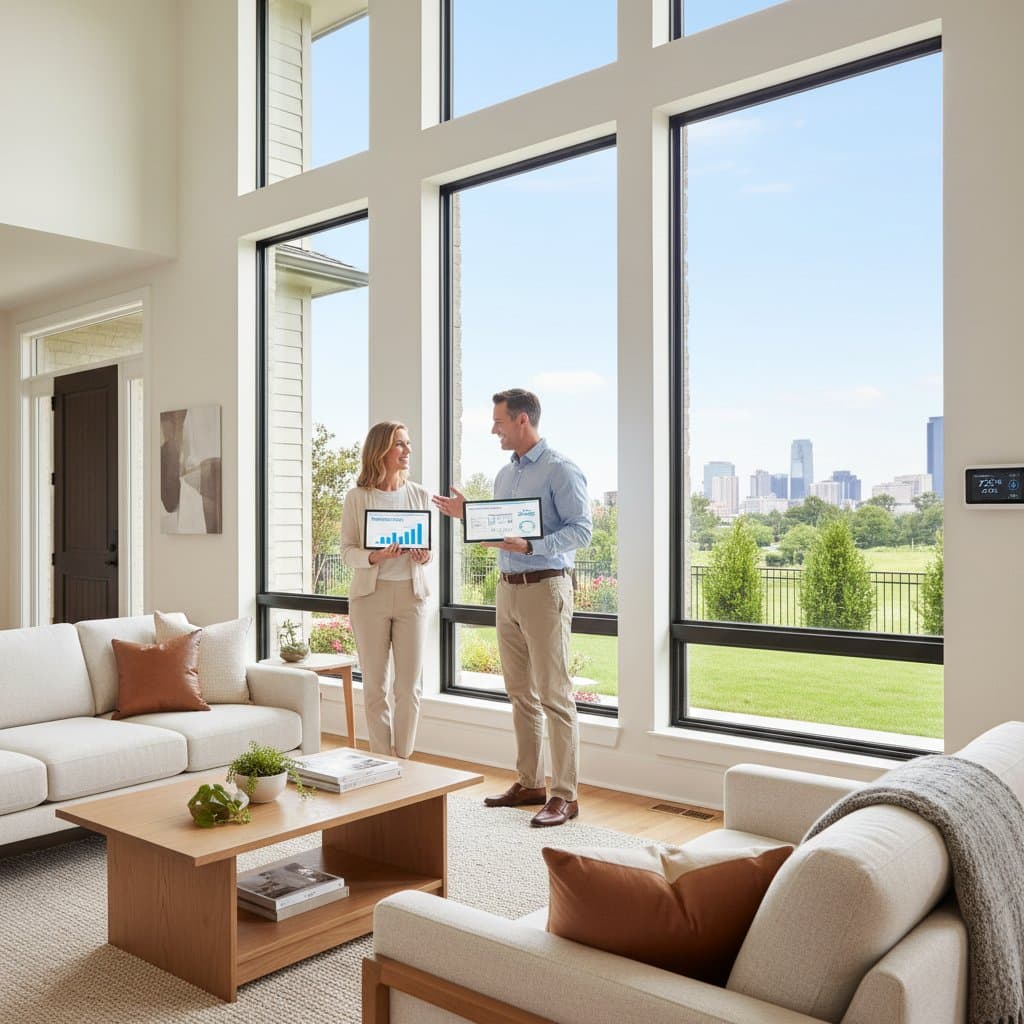
Beyond efficiency, windows shape living experiences profoundly. They control natural illumination, which boosts productivity and mood during daylight hours. Advanced glazing options filter UV rays while maximizing visible light, preserving furnishings and promoting health.
Noise reduction stands out as another key advantage. Double- or triple-pane designs with acoustic laminates dampen street sounds by up to 50 percent, fostering quieter interiors. Homeowners often describe the shift as transformative, creating serene spaces that elevate relaxation and focus.
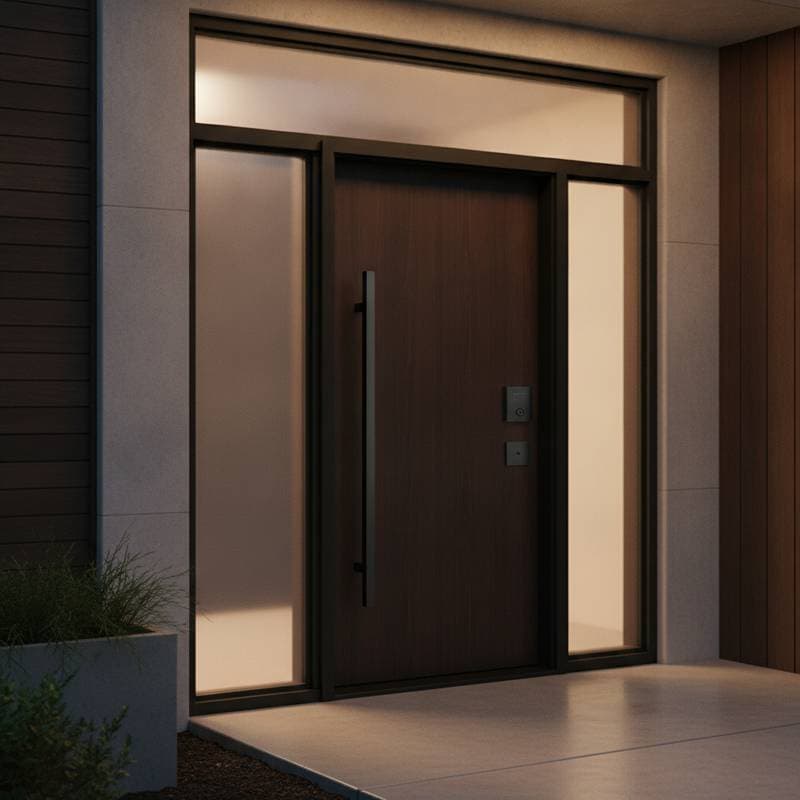
In contrast, a new door refreshes the facade and eases access but rarely alters interior ambiance. Windows engage occupants visually and sensorily throughout the day, justifying their priority in renovation sequences.
Streamlining the Installation Sequence
Window projects demand meticulous execution to achieve optimal results. Professionals begin with a thorough site evaluation, measuring openings and assessing structural support. This step identifies custom needs, such as retrofit frames for historic homes or full-frame replacements for modern builds.
Preparation minimizes disruptions: teams cover floors, remove blinds, and secure outdoor areas. Removal follows, with careful extraction to preserve surrounding drywall and siding. New units install with precision, including foam insulation, weatherstripping, and flashing to prevent water entry.
Final checks involve blower-door tests for airtightness and operational reviews for smooth operation. Cleanup and minor finishes, like interior casing or exterior brickmolding, complete the job. Door installations prove simpler, often requiring just hinge adjustments and threshold sealing, allowing them to follow windows without complicating workflows.
Sustaining Value Over Time
Ongoing care influences long-term satisfaction. Vinyl-clad windows resist rot and demand only soap-and-water cleaning, unlike wood variants that require periodic staining. Exterior doors face harsher elements, necessitating inspections for cracks or rust after storms.
From a market perspective, updated windows signal proactive ownership to buyers. They imply lower energy demands and fewer immediate fixes, potentially increasing home value by 5 to 10 percent. This edge, combined with tangible daily improvements, solidifies windows' role as a foundational upgrade.
Prioritizing Upgrades Based on Home Needs
Tailor decisions to your property's specifics. Inspect windows for fogging, uneven operation, or energy loss via simple touch tests for air movement. Address doors if they sag, rattle, or compromise insulation, but defer unless critical.
Integrate upgrades strategically: fresh windows establish energy baselines and aesthetic harmony, paving the way for cohesive door enhancements. Consult local experts to align choices with climate, architecture, and budget, ensuring renovations enhance both function and enjoyment for years ahead.