Electrochromic Windows: The Rise of Dynamic Tinting Technology
Smart glass has emerged as a transformative element in both residential and commercial architecture, enabling precise control over light and heat. Homeowners and architects increasingly turn to electrochromic windows, known also as dynamic or switchable glass, to optimize energy use while preserving natural views. As the global smart glass market surges toward $8 billion by 2026, this technology redefines building performance and occupant experience.
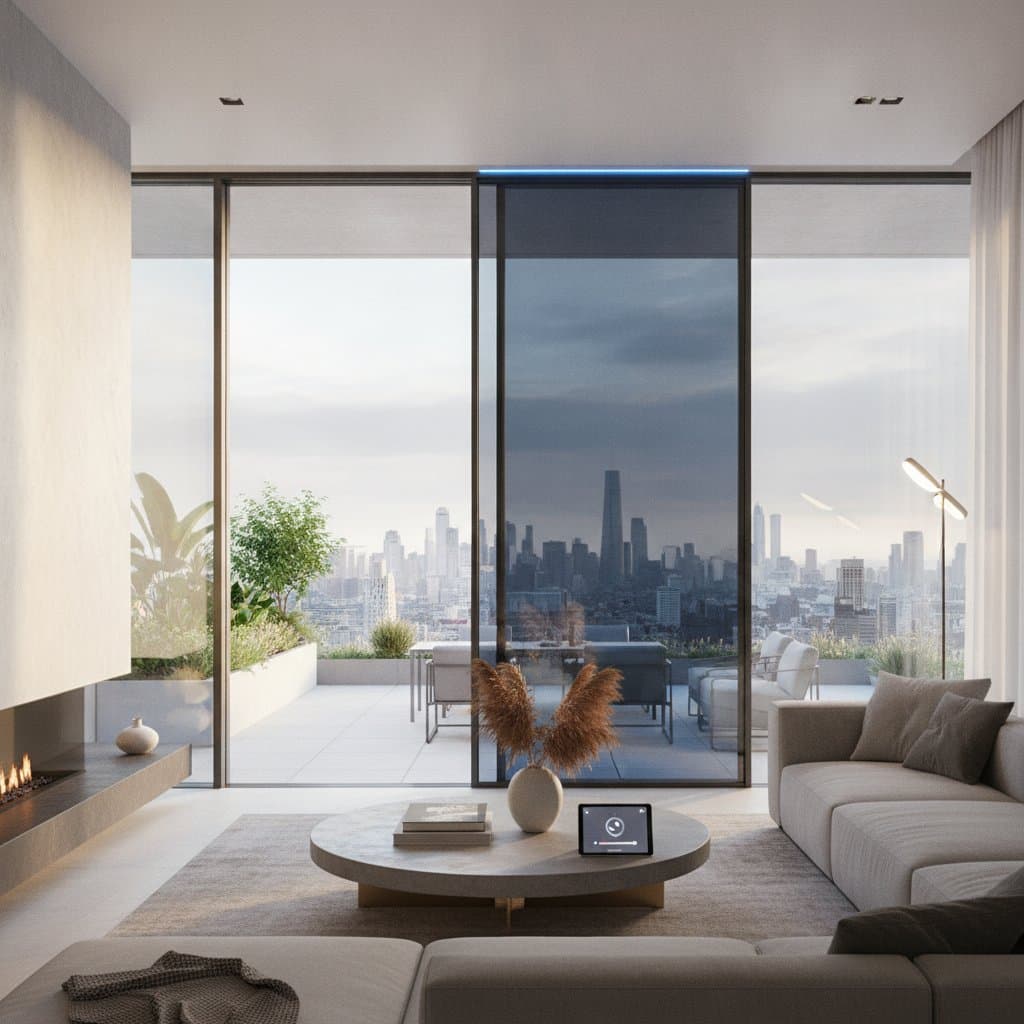
These windows alter their tint level through the application of a low-voltage current, shifting seamlessly from transparent to opaque states. Users can select tint intensity manually or link the system to automated controls that respond to sunlight or temperature changes. This capability eliminates reliance on traditional window treatments, offering a streamlined solution for light management.
For those contemplating an upgrade, grasping the mechanics, financial implications, and lifestyle integration of electrochromic glass proves vital to informed decision-making.
Exploring Smart Glass Technologies
Electrochromic glass represents one category within the broader spectrum of smart glass solutions. Alternatives include suspended particle devices and polymer-dispersed liquid crystal systems, each with unique operational principles that affect suitability for various applications.
| Technology Type | Control Method | Clarity When Clear | Response Speed | Common Uses |
|---|---|---|---|---|
| Electrochromic | Electrical current moves ions between layers | Excellent | Moderate (seconds to minutes) | Residential windows, office facades, skylights |
| Suspended Particle | Electric field aligns microscopic particles | Very good | Fast (milliseconds) | Automotive sunroofs, privacy screens |
| Polymer-Dispersed Liquid Crystal | Voltage alters light scattering in crystals | Fair | Very fast (milliseconds) | Interior dividers, switchable privacy glass |
Electrochromic options excel in providing subtle, progressive tinting while delivering superior optical clarity in the off state. Such attributes render them particularly suitable for home environments where maintaining outward visibility alongside privacy and thermal regulation remains paramount.
Durability and Long-Term Maintenance
Electrochromic windows demonstrate robust construction, with embedded conductive layers shielded against environmental wear. Manufacturers commonly provide warranties spanning 10 to 20 years, underscoring confidence in the product's endurance. Cleaning involves standard glass care methods, as the active components reside securely within laminated panels.
Over time, these windows contribute to energy conservation by modulating solar heat gain, which in turn lessens demands on heating, ventilation, and air conditioning systems. In regions with intense solar exposure, annual utility reductions can reach 20 to 30 percent, gradually recouping initial expenditures. This thermal stability also prolongs equipment lifespan by minimizing operational stress.
Owners must anticipate periodic checks on control modules and sensors to sustain reliability. Although the glass endures daily use, associated electronics benefit from professional reviews every few years. Such proactive measures avert disruptions and uphold system efficiency.
Evaluating Costs and Return on Investment
Upfront pricing for electrochromic installations ranges from $50 to $150 per square foot, influenced by panel dimensions, manufacturer quality, and smart home compatibility. Systems integrated with voice assistants or building management software command premium rates due to enhanced functionality. Compared to standard glazing, the elevated cost reflects advanced materials and engineering.
Incorporating these windows during new construction or comprehensive remodels streamlines the process, curbing electrical modifications and associated fees. Retrofitting demands careful assessment of existing frameworks, often necessitating structural reinforcements or wiring updates that inflate budgets by 20 to 50 percent.
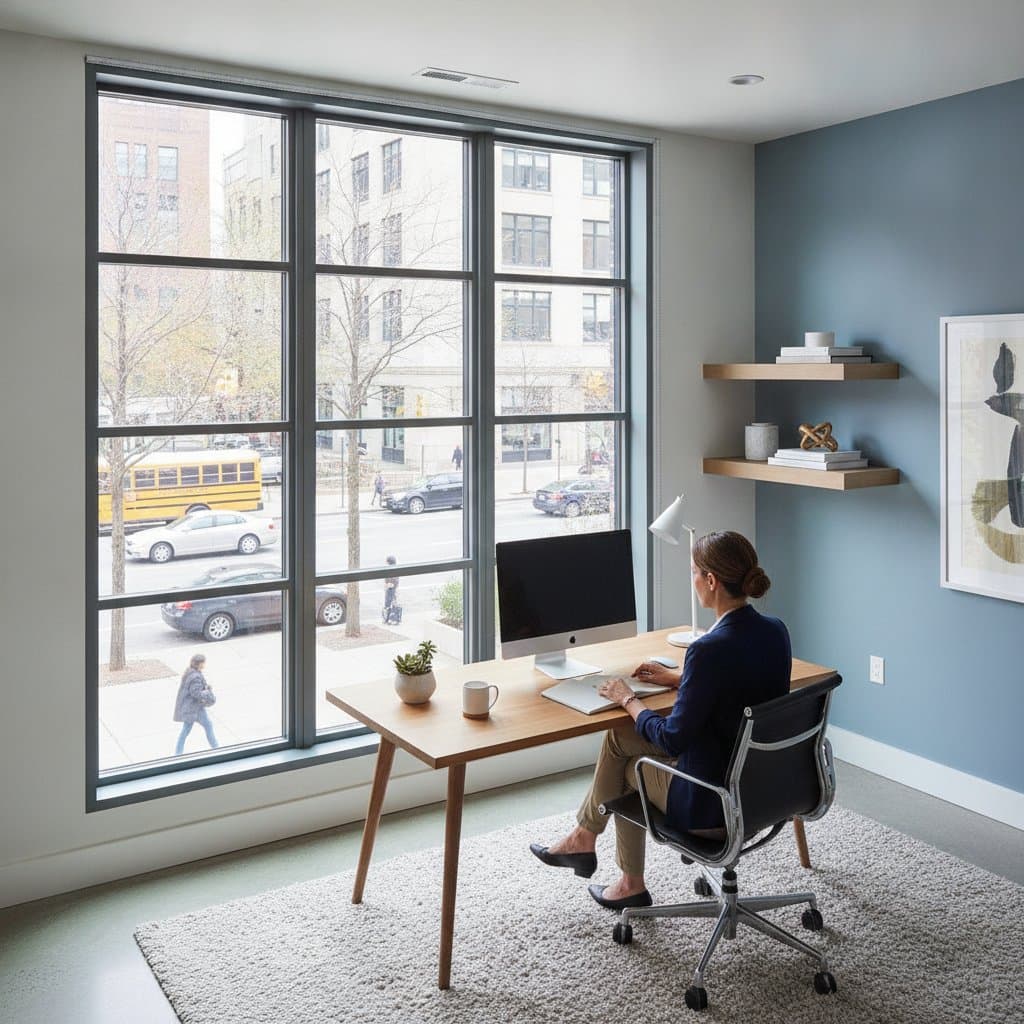
Beyond quantifiable savings, intangible advantages enhance overall worth. Reduced glare fosters productive workspaces, while automated adjustments promote wellness through balanced natural light. Homeowners frequently cite the premium of unobstructed panoramas paired with on-demand seclusion as a compelling justification.
Seamless Integration into Daily Living and Design
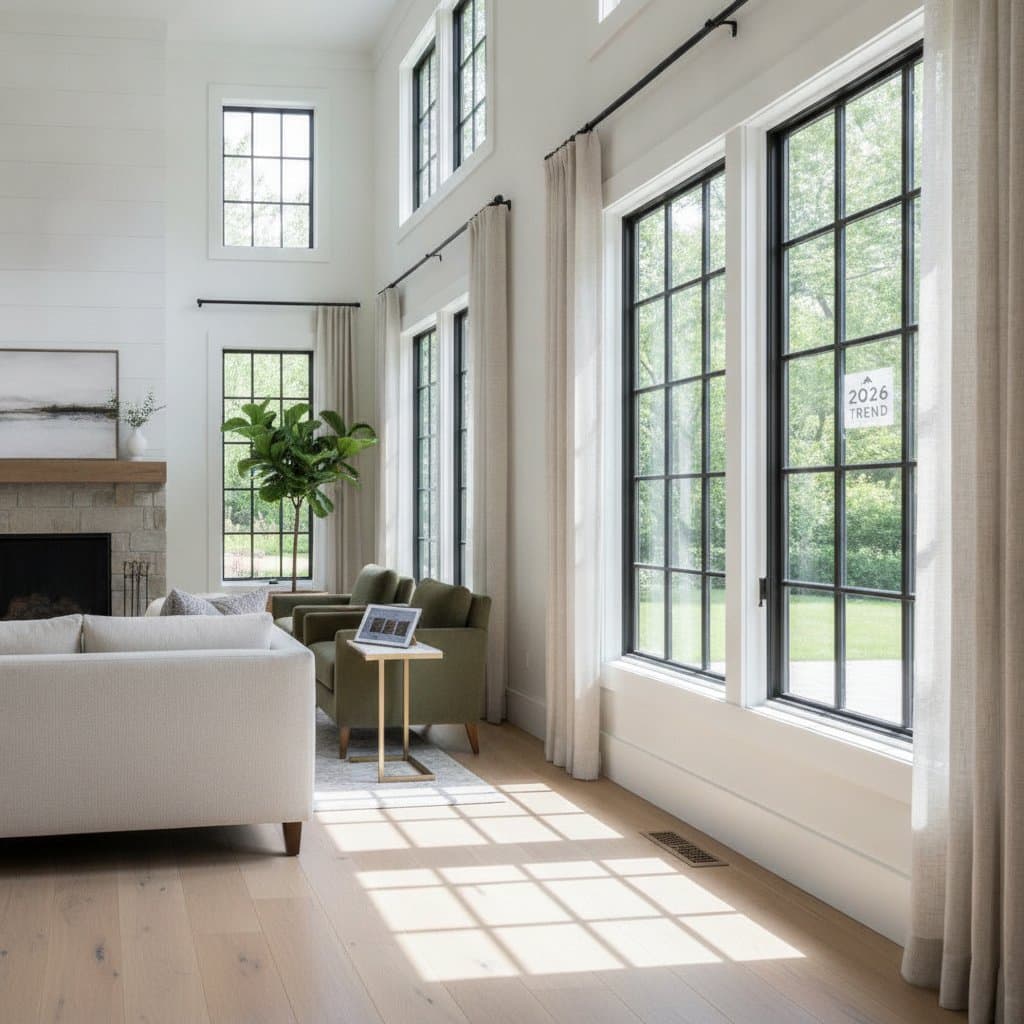
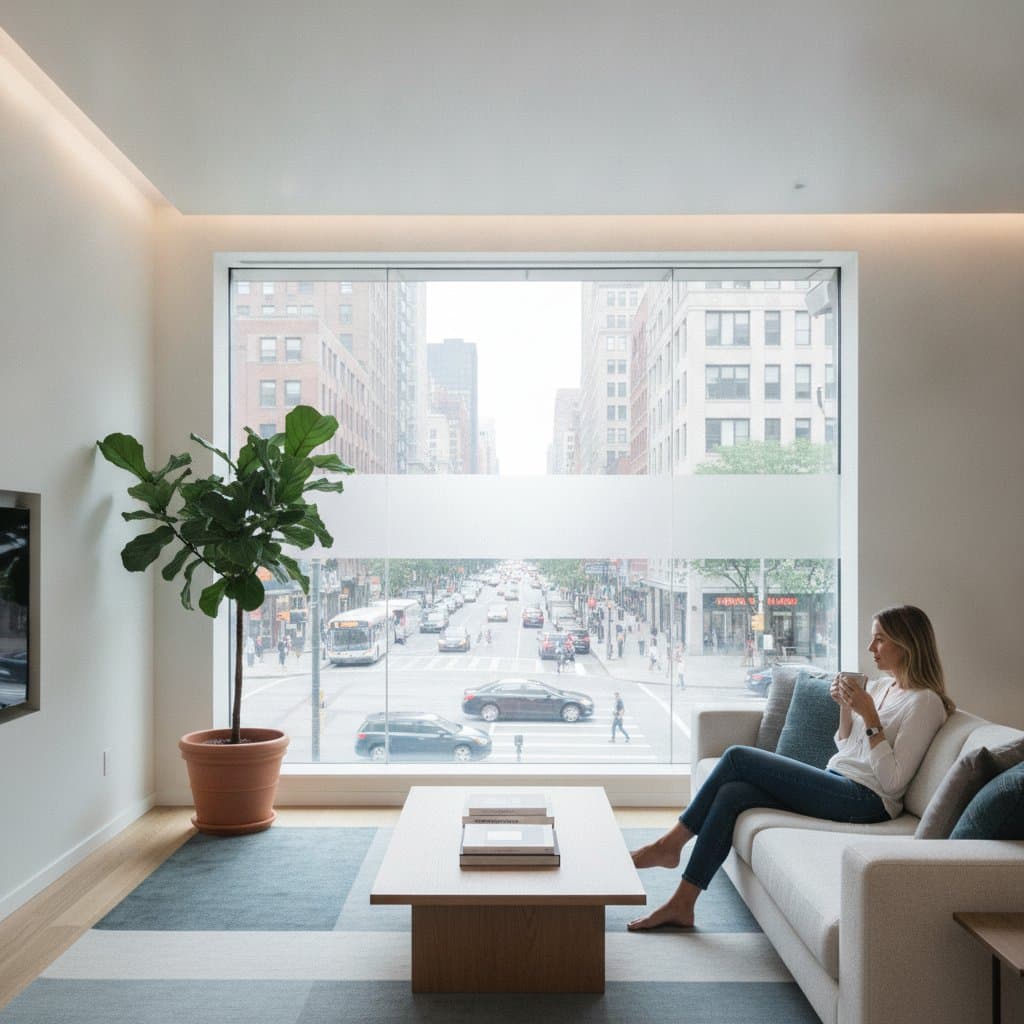
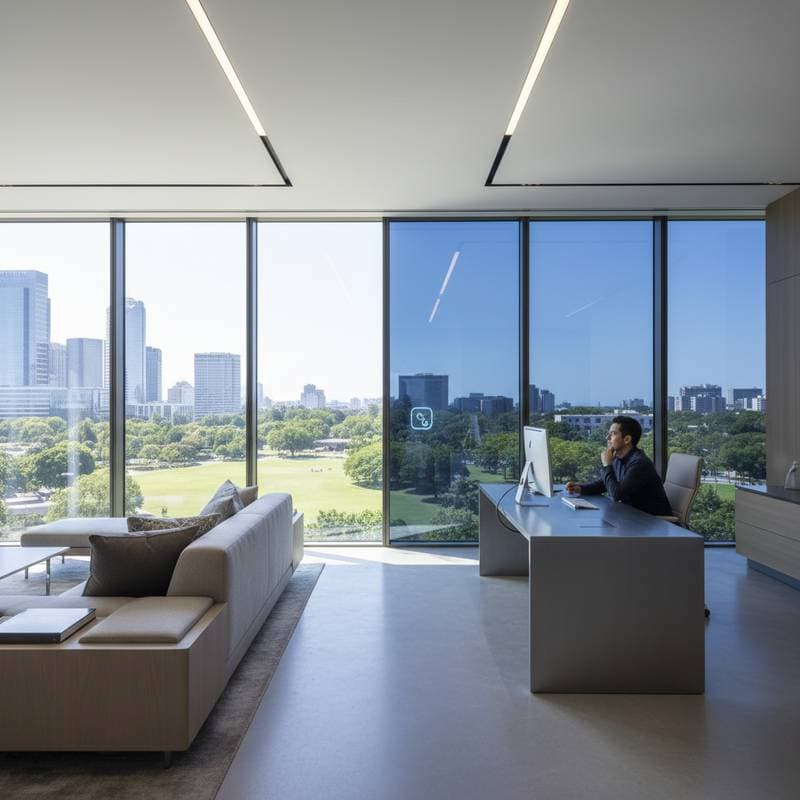
Electrochromic windows bridge interior and exterior realms, adapting to occupant needs without compromising aesthetics. In expansive living areas featuring floor-to-ceiling glazing, they mitigate excessive brightness and warmth, ensuring year-round usability. This adaptability suits diverse climates, from sun-drenched tropics to variable temperate zones.
Architects value the unobtrusive profile, which dispenses with bulky shades or curtains, aligning with minimalist and contemporary motifs. The absence of visible mechanisms affords greater design liberty, facilitating effortless updates to furnishings or color schemes.
For households with varying schedules, programmable features deliver tailored environments. Schedule tints to deepen during afternoon peaks or lighten for evening ambiance, minimizing manual interventions. Integration with occupancy sensors further refines automation, responding intuitively to presence and preferences.
Partnering with Skilled Installers
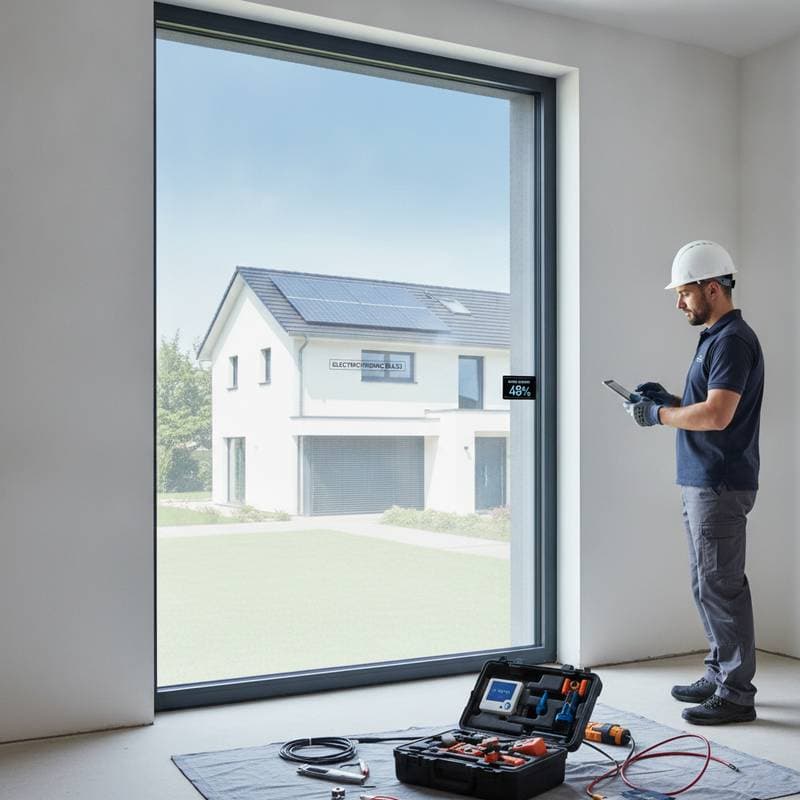
Success hinges on engaging contractors versed in advanced glazing and electrical systems. Seek firms with documented expertise in electrochromic deployments, extending beyond conventional window replacements. Verification of certifications in smart building technologies ensures adherence to best practices.
During consultations, inquire about:
- Completed electrochromic installations, including references from similar projects.
- Comprehensive warranties encompassing materials, workmanship, and performance guarantees.
- Protocols for system calibration, troubleshooting, and scalability for future enhancements.
- Compliance with regional building codes, permitting processes, and energy standards.
Collaborative teams involving glaziers, electricians, and automation experts yield cohesive outcomes. Post-installation support, such as training on controls and remote monitoring options, solidifies long-term satisfaction.
Maximizing Benefits Through Strategic Adoption
Adopting electrochromic smart glass elevates living standards by harmonizing efficiency, comfort, and elegance. Strategic selection during planning phases unlocks the full potential, yielding enduring returns on energy and enjoyment. Homeowners who prioritize compatibility with existing setups and professional execution position themselves to thrive amid this innovative wave.