Smart Electrochromic Film: The $800 Upgrade for 2026
Smart electrochromic film transforms how homeowners manage comfort, privacy, and energy use. This technology, also known as dynamic glass or smart window film, enables windows to switch from clear to tinted with a simple button press. Users gain precise control over sunlight, glare, and heat, adapting spaces to daily activities and weather changes. At approximately $800 per standard installation, this option warrants examination to determine its alignment with household requirements and future objectives.
How Electrochromic Film Functions
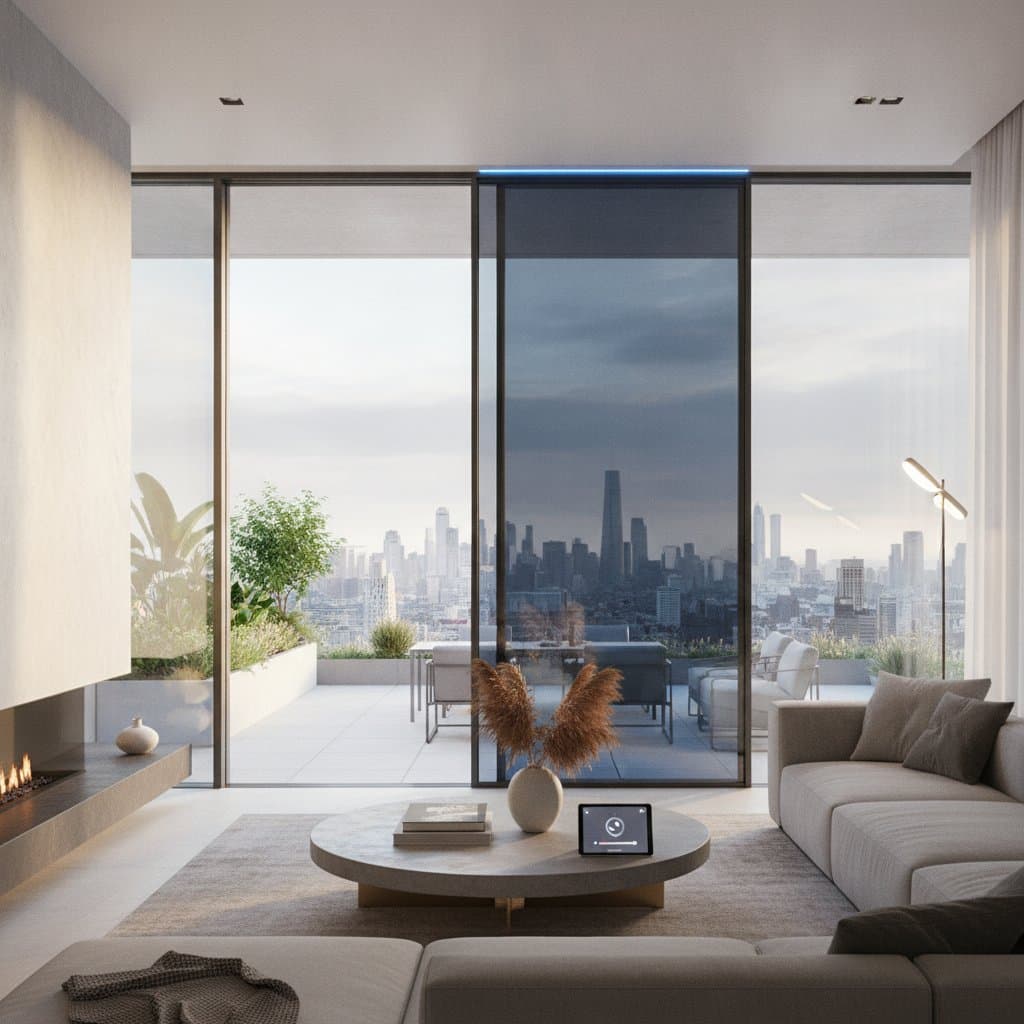
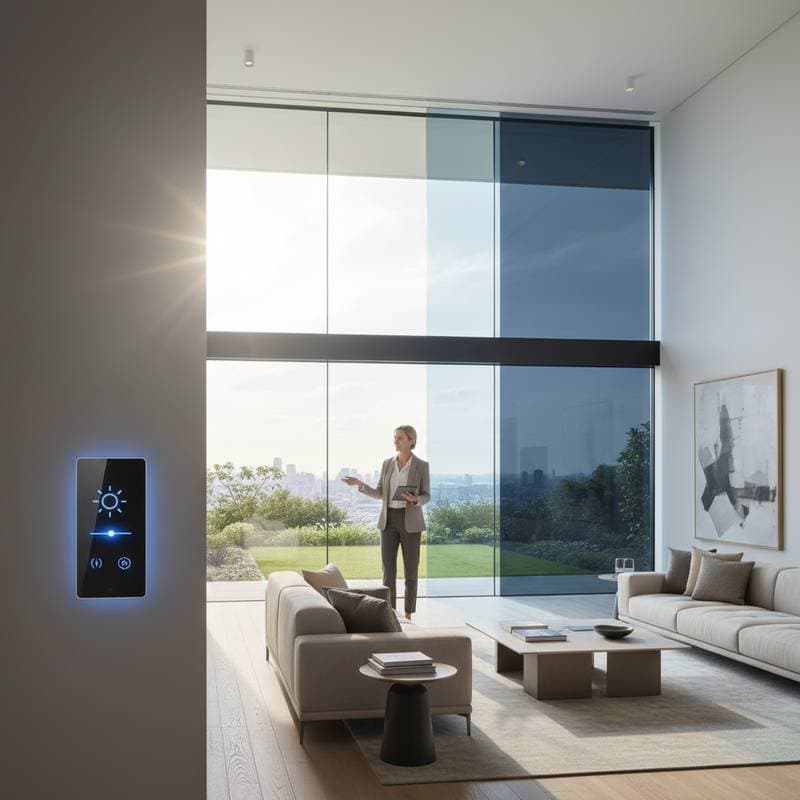
Electrochromic film incorporates layers of conductive materials that alter transparency upon application of an electrical current. This mechanism modifies the surface's reflection and absorption of light. Application of voltage shifts the film from clear to tinted, thereby diminishing visible light and heat penetration. Upon cessation of the current, the film sustains its selected state until further adjustment occurs.
Integration occurs either with existing windows or during new construction. Certain models link to smart home ecosystems, enabling automation via sensors or smartphone applications. Although the underlying technology appears intricate, operation proves simple. Windows adjust silently and swiftly, delivering shade or transparency according to user specifications.
Electrochromic Film Versus Traditional Window Solutions
Assessing this upgrade benefits from comparison to conventional alternatives like blinds, curtains, and fixed tints. Traditional methods offer manual operation and reduced initial expenses, yet demand regular adjustments and upkeep. Electrochromic film minimizes mechanical degradation and streamlines usage in comparison.
| Option | Initial Cost | Lifespan | Maintenance | Best For |
|---|---|---|---|---|
| Electrochromic Film | Around $800 per installation | 15 to 20 years | Minimal cleaning | Smart homes, energy-conscious users |
| Standard Tint | $200 to $400 per window | 10 to 15 years | Occasional cleaning | Fixed privacy and heat control |
| Blinds or Shades | $100 to $300 per window | 5 to 10 years | Regular cleaning and replacement | Budget-conscious or decorative use |
Electrochromic film involves greater upfront investment, but its ease of use and energy reductions often offset this over time. Decreased dependence on mechanical shades also eliminates visual clutter from cords, tracks, and textiles.
Performance and Energy Efficiency Assessment
Electrochromic film's primary advantage resides in regulating solar heat gain and alleviating cooling demands. In tinted mode, it obstructs substantial infrared radiation, maintaining cooler indoor temperatures during intense sunlight. The clear mode permits natural illumination to enhance room brightness without direct glare intensity. Such versatility fosters comfort while curtailing electricity consumption for illumination and climate control.
Effectiveness depends on installation precision and material quality. High-end films provide quicker transitions and consistent tint distribution. Many incorporate ultraviolet protection, safeguarding furnishings, floors, and artwork from fading. Residents in regions with abundant sunshine or high temperatures realize the most pronounced advantages, whereas those in temperate zones value the adjustable insulation and daylight equilibrium.
Installation Procedure and Expectations
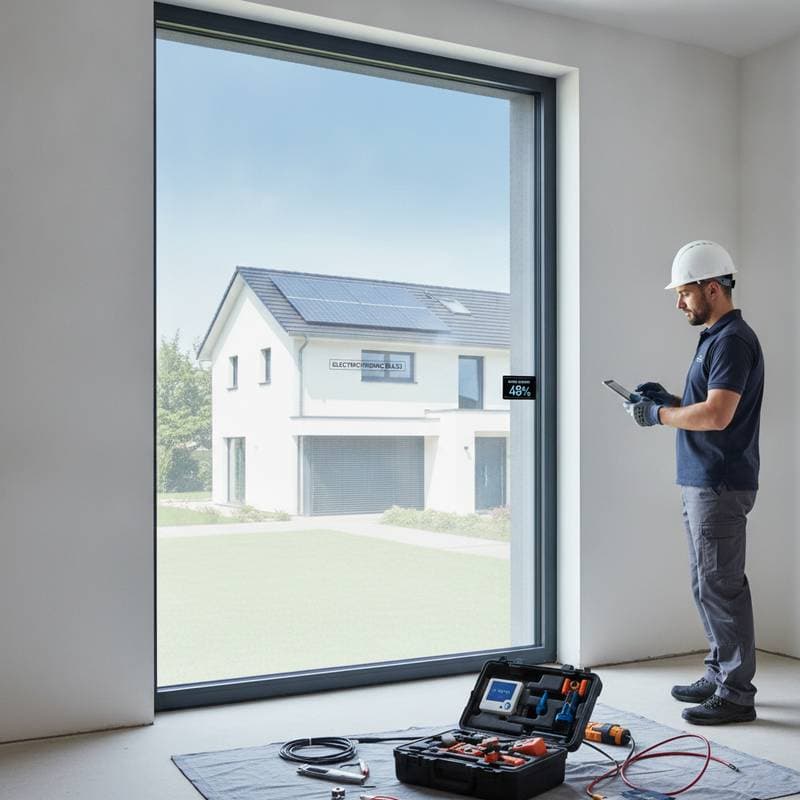
Smart window film installation comprises defined phases to guarantee optimal functionality. Professionals adhere to the following process:
- Planning and Assessment: Examine window integrity, electrical availability, and frame compatibility.
- Surface Preparation: Thoroughly clean glass, measure precise dimensions, and route wiring for controls.
- Film Application: Affix electrochromic layers with specialized adhesives, attach power connections, and install control mechanisms.
- Testing and Verification: Evaluate response speed, tint uniformity, and electrical integrity.
- Finalization and Guidance: Seal perimeters, incorporate user interfaces, and supply care directives.
Professionals handle installation to preserve aesthetics and performance. Partial implementations target high-impact areas, such as living rooms, home offices, or sun-exposed bedrooms.
Cost Analysis and Enduring Benefits
The $800 figure typically denotes a mid-tier setup for a single standard window. Overall expenditure varies with dimensions, wiring demands, and automation features. Beyond initial outlay, consider broader implications. Energy conservation lowers utility expenses, and durability curtails replacement needs.
Savings accumulate from reduced air conditioning reliance and prolonged lifespan of sun-exposed interiors. For integrated smart systems, automation enhances daily efficiency. Value hinges on desired levels of automation and simplicity in routine operations.
Upkeep and Durability Strategies
Electrochromic systems demand little maintenance. Gentle, non-abrasive cleaners suffice for periodic surface care. Lacking moving parts, repairs prove rare, although electrical inspections ensure reliability. Proper handling preserves clarity and reactivity for extended periods.
Anticipate advancements in control interfaces over time. Select adaptable platforms to accommodate evolving smart home standards. Warranties generally cover materials and electronics, bolstering long-term assurance.
Seamless Lifestyle and Aesthetic Incorporation
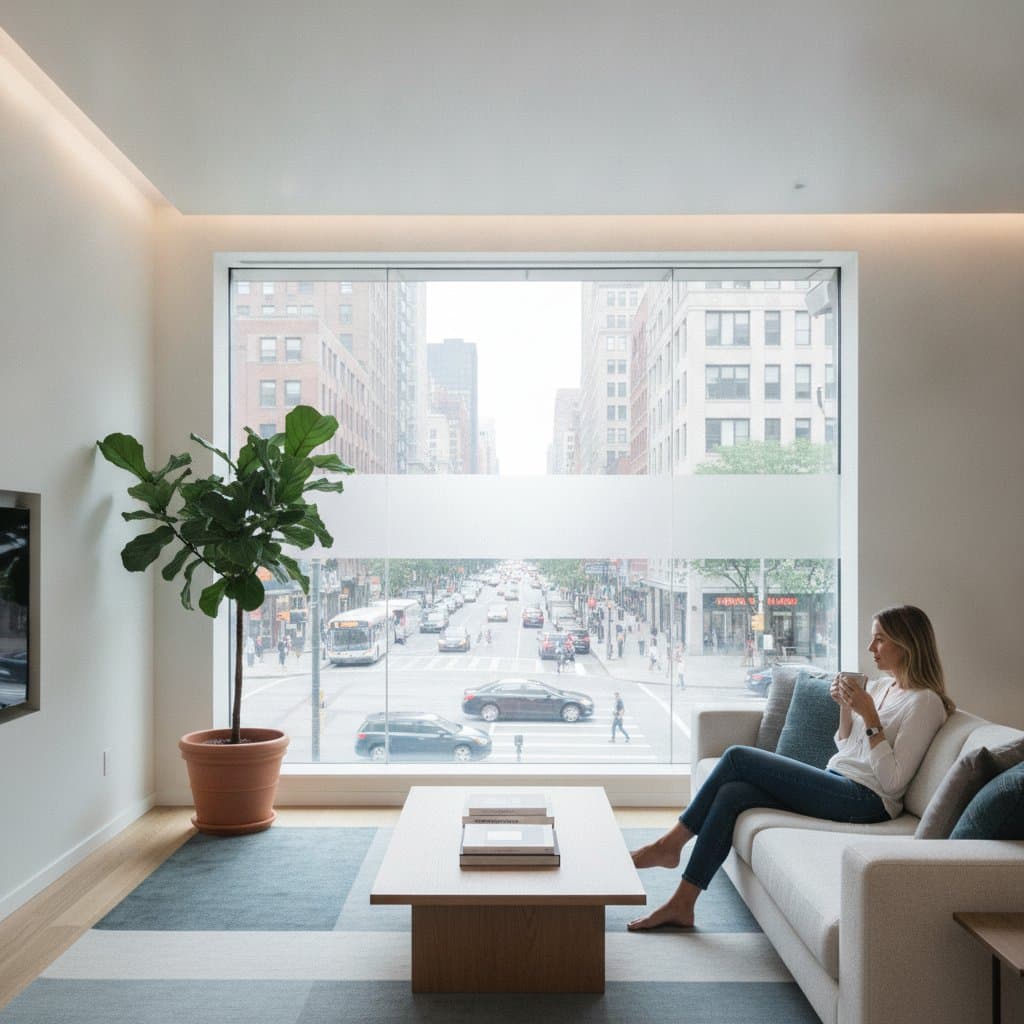
Electrochromic film elevates interior ambiance beyond mere utility. It preserves expansive views while enabling on-demand privacy. In private areas like bathrooms or studies, instant opacity adjustments boost usability and serenity. The unobtrusive profile complements contemporary aesthetics favoring minimalism and abundant light.
For households with diverse schedules, programmed tinting aligns with circadian patterns. Schedule morning clarity, midday dimming, and nocturnal seclusion via intuitive interfaces. This responsive setup attunes environments to inhabitants without incessant manual interventions.
Climate Influences and Sustainability Aspects
Regional climate significantly influences suitability. In warm, sun-drenched locales, tinting mitigates heat accumulation and visual discomfort. Colder climates benefit from maximized solar warming when desired. Versatility accommodates diverse settings, with optimal returns in high-solar-exposure zones.
Environmentally, diminished energy demands yield reduced emissions. Less mechanical cooling promotes eco-friendly habits. This enhancement aligns with comprehensive sustainability initiatives for conscientious homeowners.
Steps to Determine Suitability
Electrochromic film offers strategic enhancement for control, efficiency, and visual appeal. It harmonizes with contemporary routines, yielding practical and stylistic gains.
Initiate with a trial in one area to observe impacts on illumination, thermal comfort, and seclusion across daily cycles. Positive outcomes justify broader adoption, ensuring alignment with specific needs.