Oversized Door Handles Shape 2026 Design Trends
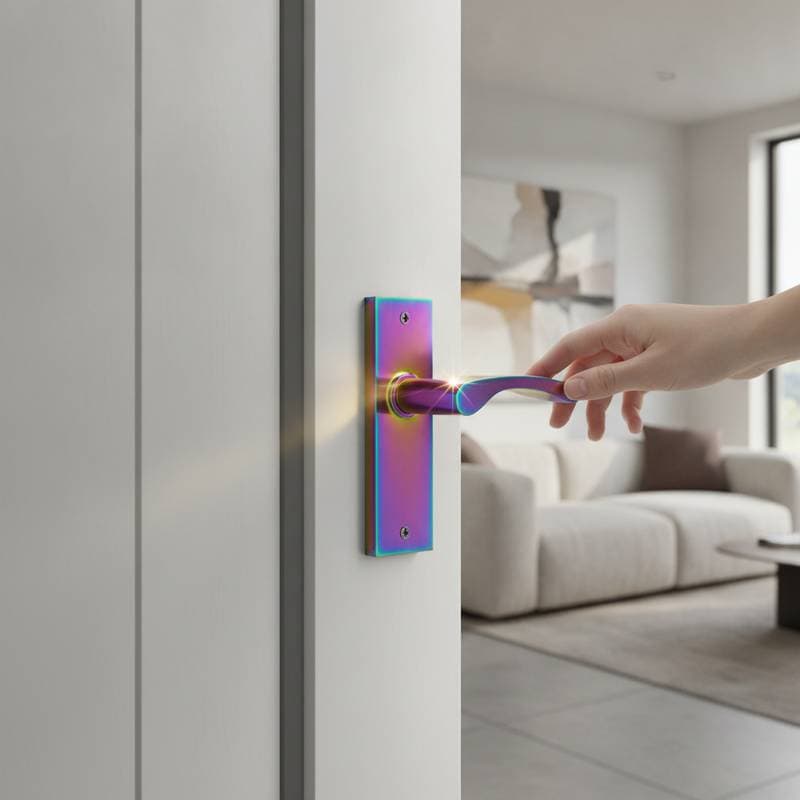
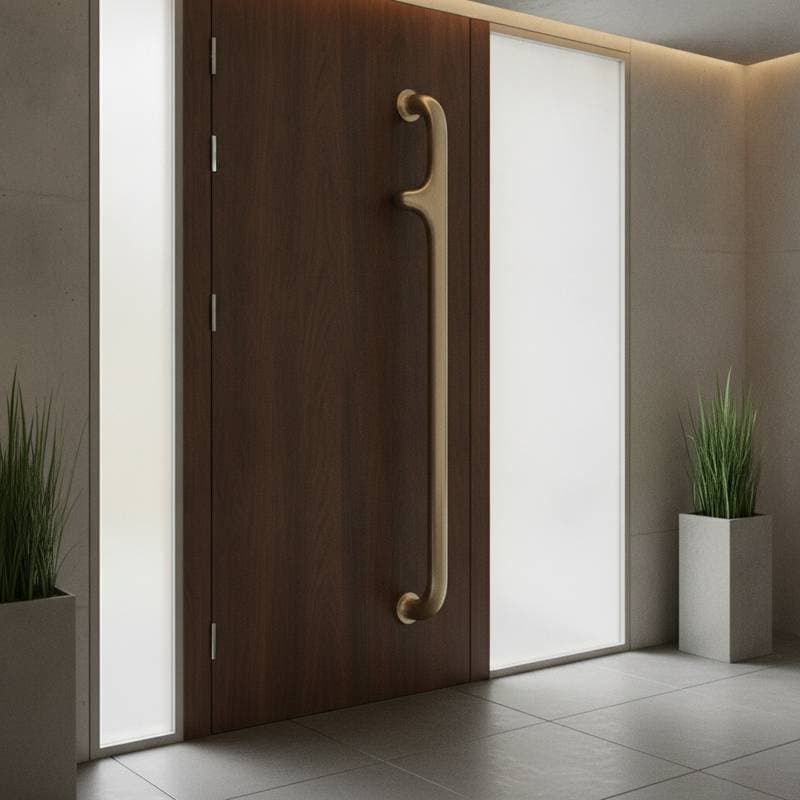
Interior design evolves through details that balance visual impact with daily function. Oversized door handles measuring 12 inches have emerged as a defining element for contemporary homes. They integrate architectural presence, ergonomic benefits, and material options into one hardware choice.
Why Larger Handles Gain Popularity
Open floor plans and taller doors increase the need for hardware with stronger visual weight. A 12 inch handle supplies that presence without overwhelming the surface. It also improves grip for users of varying ages and abilities.
The extended length offers better leverage on heavy solid wood or pivot doors. Households with children or older adults benefit from the reduced effort required to operate these doors. This combination of scale and usability drives adoption across modern interiors.
Achieving Visual Balance
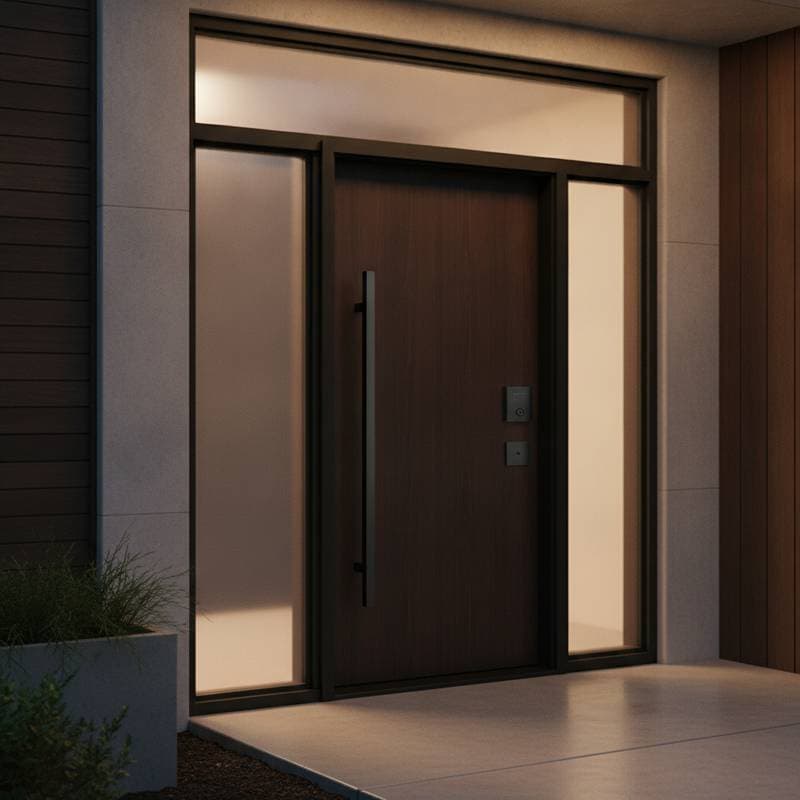
Proportion matters when pairing handles with full height doors. Handles shorter than 10 inches often appear too small on expansive panels. Options exceeding 14 inches can dominate narrower doors and disrupt symmetry.
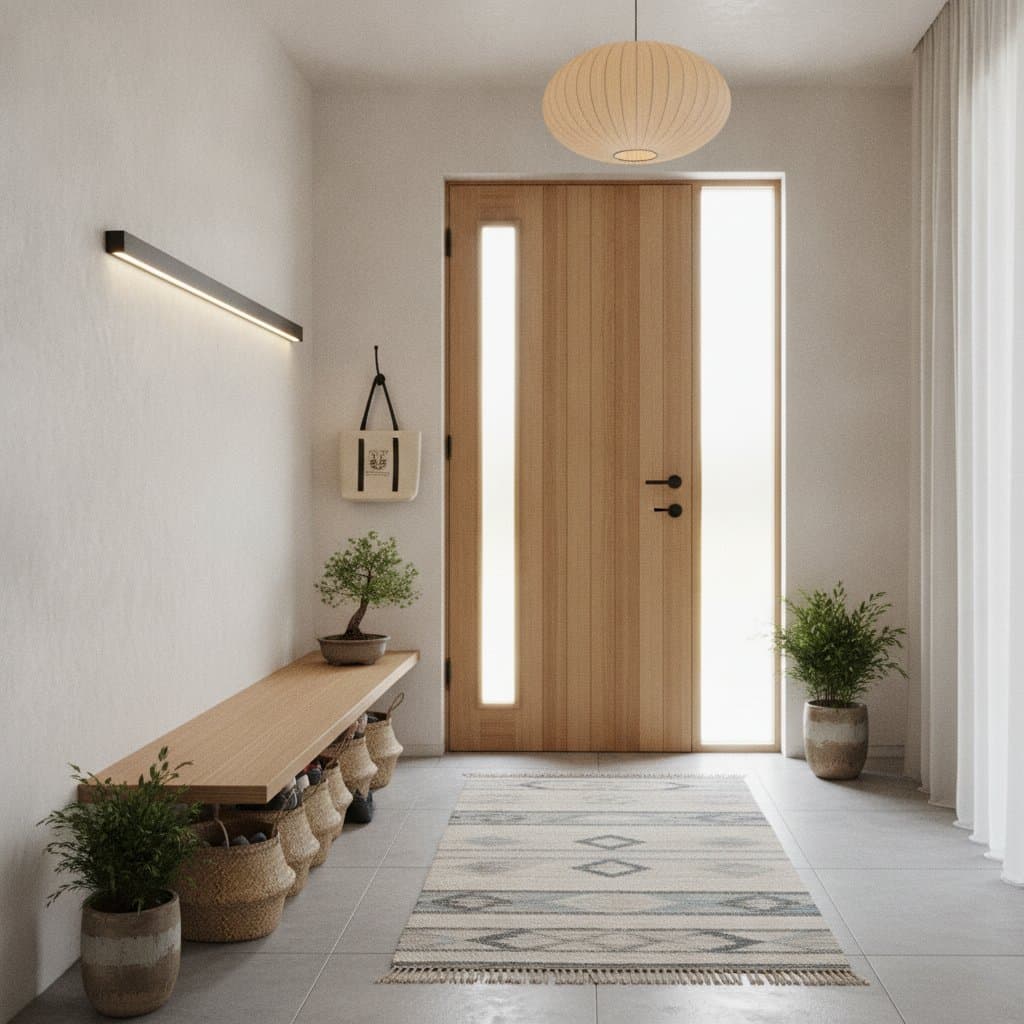
The 12 inch size creates equilibrium. It anchors the door visually while complementing clean lines in wood, glass, or composite surfaces. Designers select this length to maintain rhythm across multiple doorways in open spaces.
Material and Finish Options
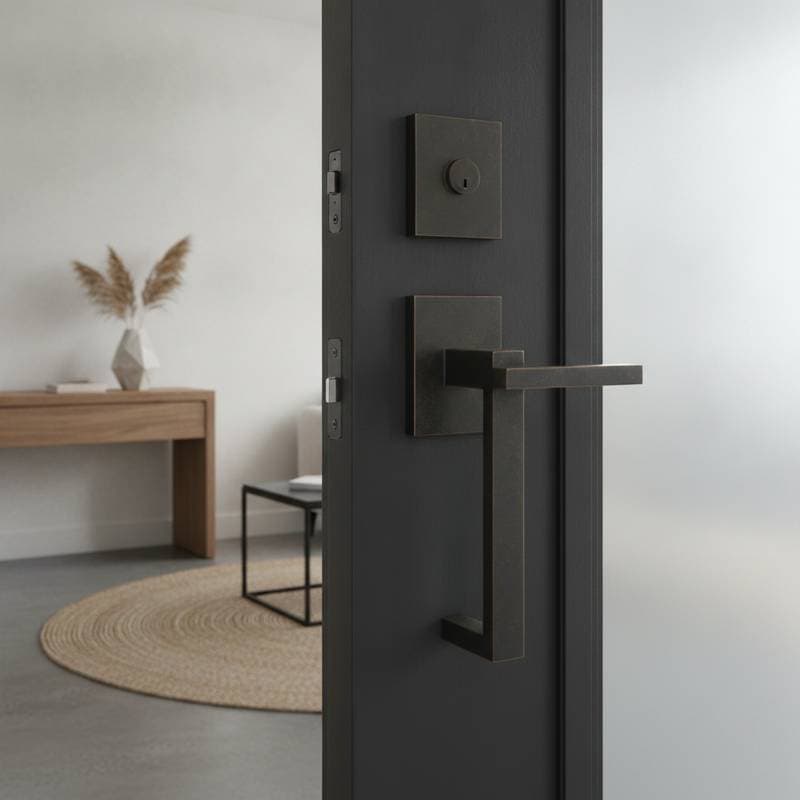
Finish selection affects both appearance and upkeep. Brushed stainless steel resists fingerprints and suits high traffic areas. Matte black powder coat delivers a contemporary look with strong color retention.
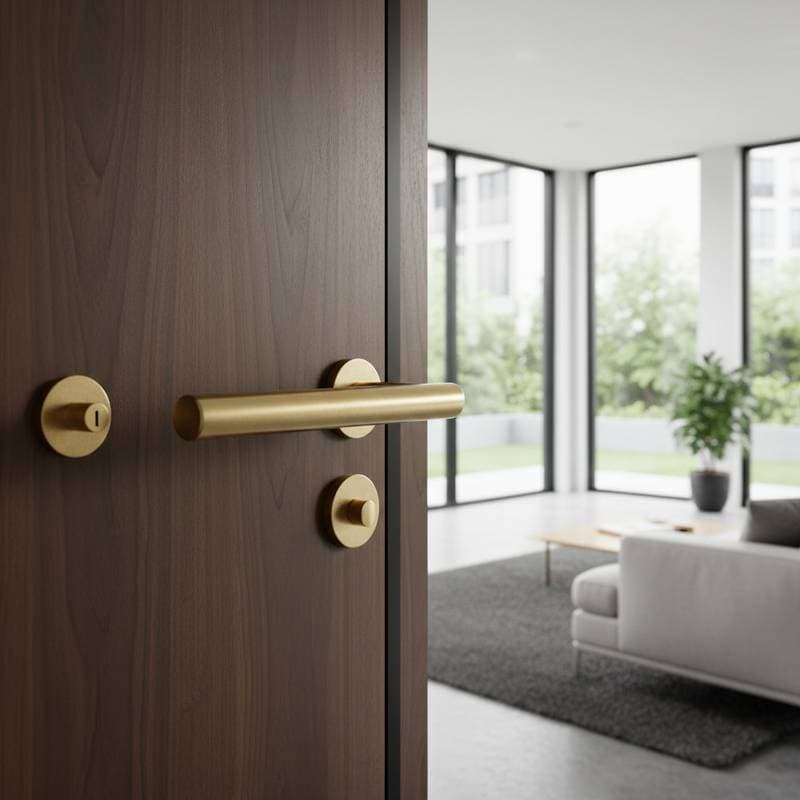
Satin brass develops a natural patina over time. Wood or leather wrapped versions introduce warmth in transitional rooms. Homeowners should match finish durability to expected use patterns before purchase.
Size Comparison
| Handle Size | Design Presence | Functionality | Best Applications | Maintenance |
|---|---|---|---|---|
| 6 to 8 inches | Subtle, traditional | Suitable for light doors | Standard rooms | Low |
| 10 to 12 inches | Balanced, modern | Comfortable grip for most doors | Contemporary and pivot doors | Regular cleaning |
| 14 to 18 inches | Bold, architectural | Strong leverage on heavy doors | Entryways and partitions | Careful finish care |
The middle range provides the most versatile performance for typical residential applications.
Installation Steps
Accurate mounting prevents future issues with stability. Begin by confirming door core density and measuring placement height for all household members.
Mark positions with a template. Drill pilot holes, then secure the handle with even torque on all fasteners. Test movement and alignment before final use. Solid core doors accept larger hardware more reliably than hollow cores.
Practical and Lifestyle Benefits
Larger handles improve daily interaction with doors. They mark transitions between zones in open plans and convey quality through touch. Families appreciate easier operation for younger and older users alike.
Sustainability considerations favor durable, recyclable materials that reduce replacement frequency. Finishes that age gracefully, such as patinated brass, lower long term maintenance demands.
Matching Handles to Door Types
Flush wood doors highlight linear forms through contrast finishes. Glass framed doors pair well with minimalist metals that preserve transparency. Paneled doors gain modern contrast from the elongated scale. Sliding barn doors receive necessary leverage and visual weight.
Coordinating finishes with hinges and pulls maintains consistency throughout the home.
Maintenance Practices
Periodic checks keep hardware secure. Tighten screws during seasonal cleaning and wipe surfaces with mild detergent. Avoid abrasive products that damage protective coatings.
Neutral finishes such as stainless steel or matte black adapt more readily to future color changes than distinctive patinas.
Selection Criteria
Evaluate door weight first. Heavier panels require longer grips for control. Next consider room style, cleaning habits, and grip comfort through direct testing. Proper proportion ensures the handle enhances rather than competes with surrounding architecture.
Thoughtful selection of a 12 inch handle delivers lasting function and refined presence in any contemporary setting.