$8,000 Electrochromic Windows: Uncovering the True Value
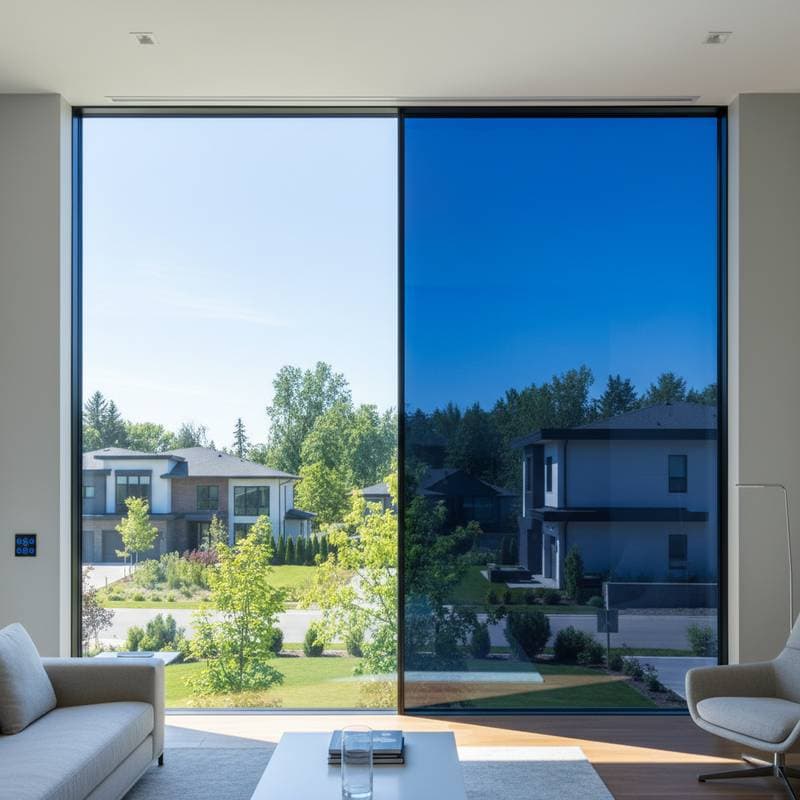
Electrochromic windows, known also as dynamic or smart glass, alter the way homeowners approach natural light, thermal comfort, and energy consumption. This technology enables glass panels to transition from transparent to tinted states via a low-voltage electrical charge, effectively managing glare and heat gain without relying on mechanical shades or curtains. Previously considered a feature for cutting-edge commercial buildings, electrochromic windows now integrate into homes where aesthetic appeal converges with practical performance. Homeowners often wonder if committing $8,000 to this system yields enduring benefits. The answer affirms this potential, provided selections align with architectural goals, regional climate, and ongoing upkeep requirements.
Evolution of Dynamic Glass in Residential Design
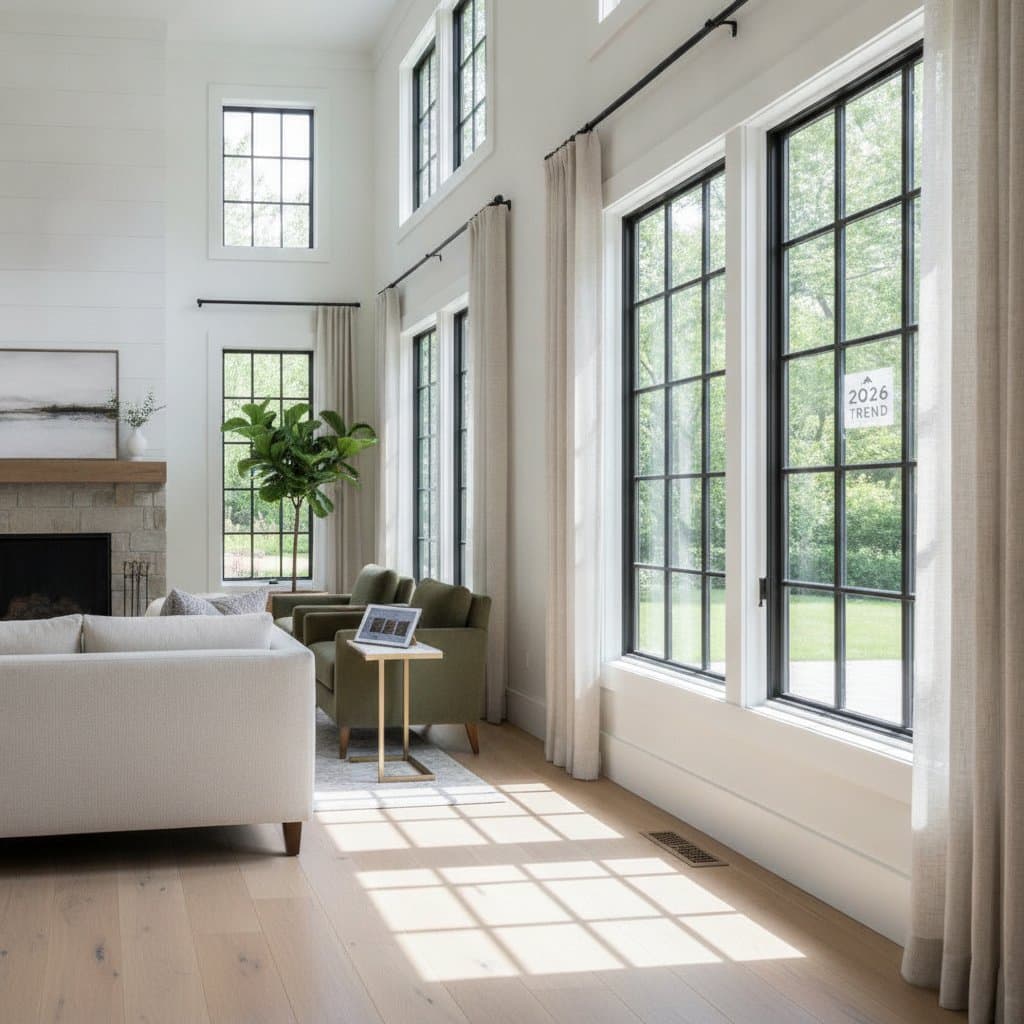
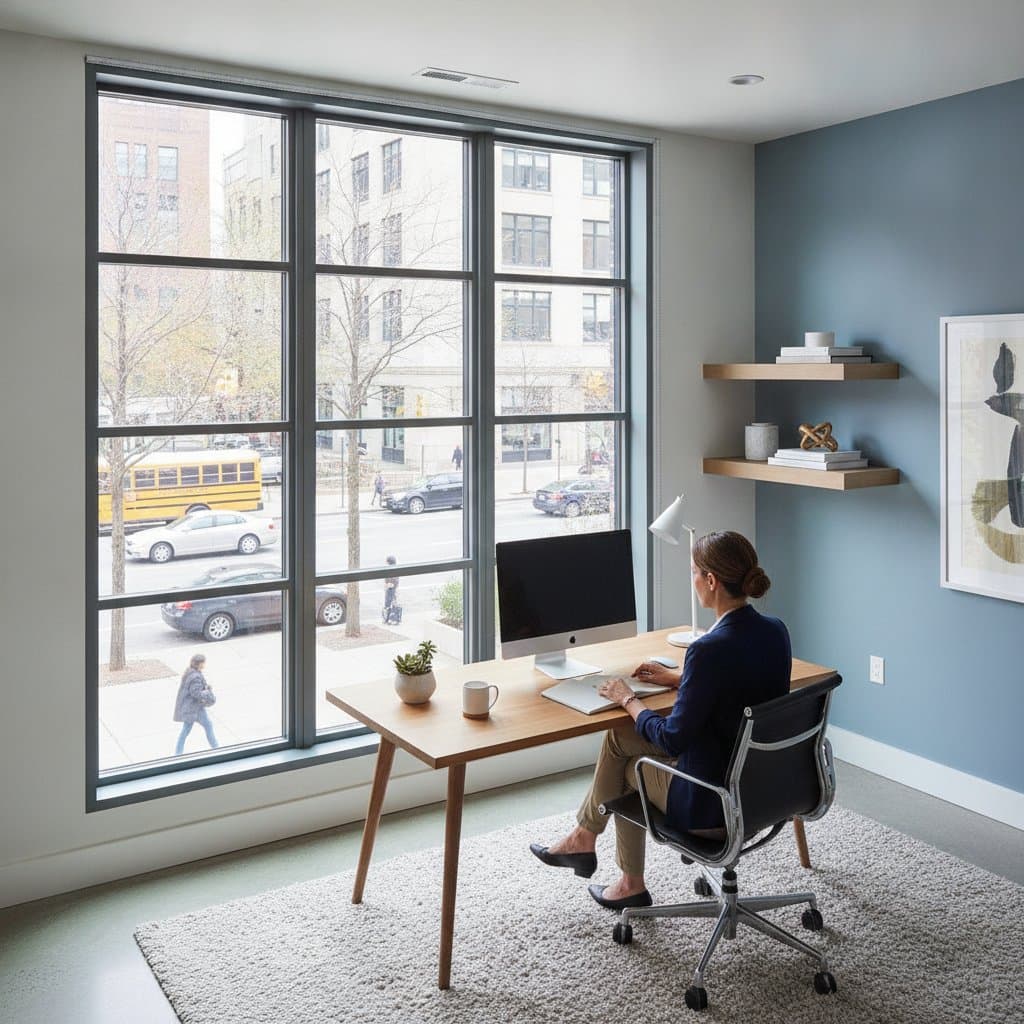
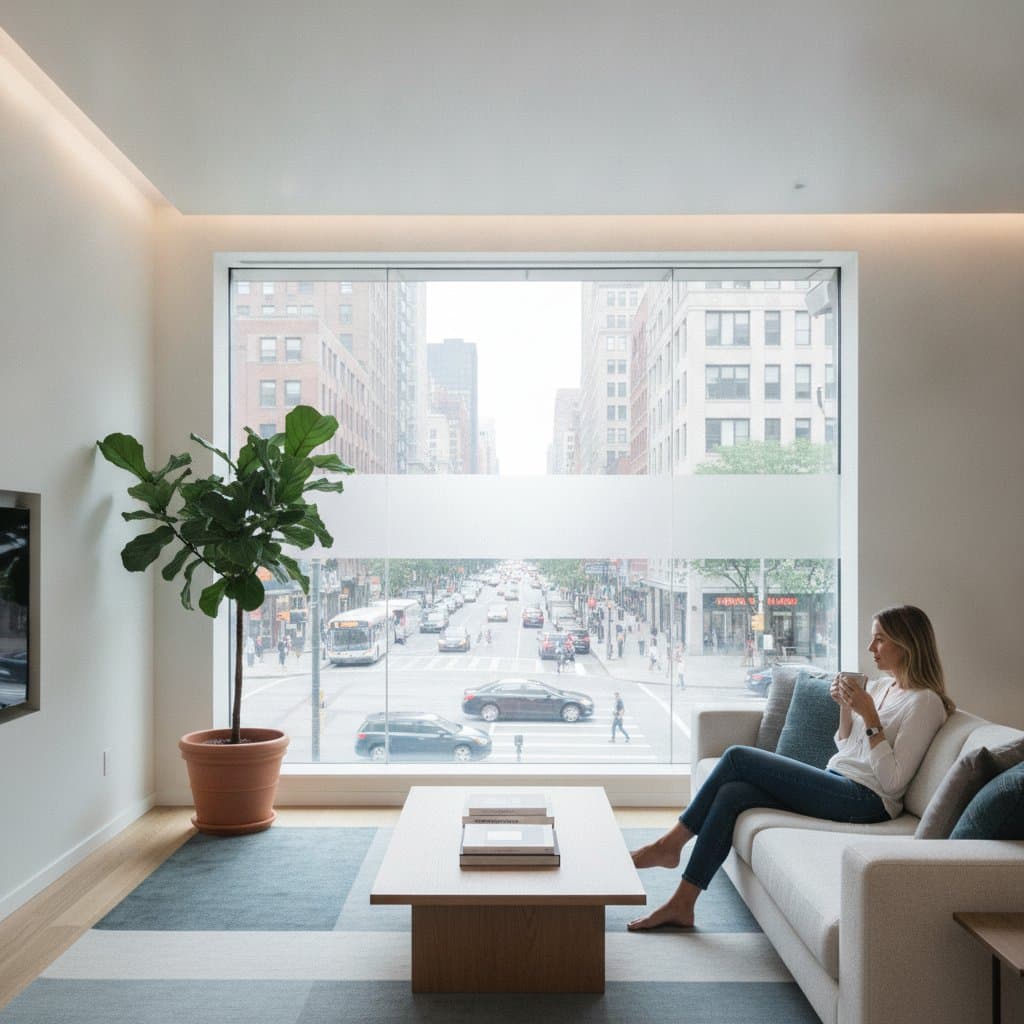
The allure of electrochromic windows stems from their fusion of sophisticated functionality and streamlined aesthetics. These panels eliminate the need for bulky blinds or drapes, preserving unobstructed sightlines to the outdoors. Contemporary home exteriors gain from the smooth, edge-to-edge appearance that aligns with minimalist and modern motifs. Individuals focused on regulating daylight and maintaining stable indoor temperatures find this solution refined, as it simultaneously curbs energy demands by modulating solar heat influx.
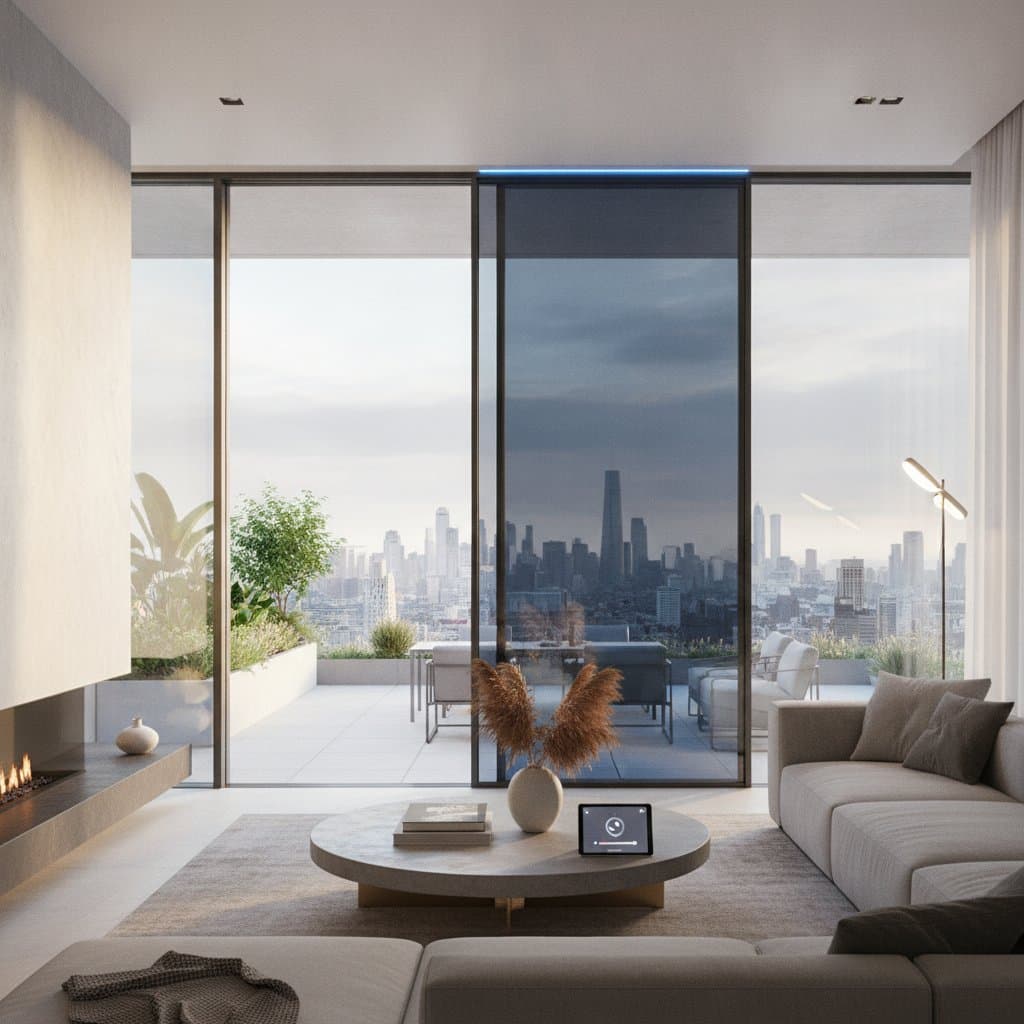
Electrochromic windows integrate effortlessly with intelligent home ecosystems. Panels can modulate tint levels in response to real-time sunlight exposure or via mobile applications. Such connectivity promotes resource conservation and personalized ease. The resulting architecture presents a polished, unified exterior with minimal mechanical elements and enhanced interplay between indoor and outdoor environments.
Strategies for Implementing Dynamic Glass
Selective Installation ($5,000 to $8,000)
- Material Options: Pair conventional double-glazed windows with targeted electrochromic inserts in high-impact areas, such as primary living rooms or sun-exposed western elevations.
- Efficiency Tactics: Deploy dynamic glass only in zones prone to intense glare, avoiding wholesale replacements. Complement with low-emissivity coatings on remaining windows to ensure uniform thermal properties.
- Key Enhancements: Invest in programmable controllers that support manual adjustments, offering versatile management of illumination and seclusion without comprehensive automation.
Balanced Implementation ($8,000 to $12,000)
- Integrated Selections: Install complete sets in central living zones using intermediate-grade electrochromic glass with balanced opacity ranges. Opt for frames in thermally efficient aluminum or composites to bolster insulation.
- Functional Improvements: Incorporate built-in sensors that automatically modulate tint according to ambient temperature and light levels, enhancing conservation efforts with minimal intervention.
- Aesthetic Priorities: Select uniform frame hues and progressive tint variations to foster seamless visual flow across varied orientations.
Comprehensive Upgrade ($12,000 to $20,000)
- Advanced Materials: Equip the entire residence with premium electrochromic setups featuring laminated glass for superior soundproofing and ultraviolet shielding.
- Sophisticated Integrations: Link the system to broader home automation for synchronized operation with illumination, climate control, and security features. Extend to compatible smart skylights or sliding doors for cohesive design.
- Sustained Benefits: These configurations lower heating and cooling requirements, safeguard interior elements from sun damage, and elevate resale potential through evident technological and eco-friendly enhancements.
Guide to Materials and Finishes
- Window Frames: Select narrow aluminum or fiberglass profiles in subdued tones like matte black, bronze, or warm gray. Electrochromic panels shift from clear to a neutral blue-gray hue. In heritage-style homes, incorporate faux muntins to blend tradition with adaptive features.
- Door Options: Coordinate with full-view entryways or patio doors featuring aligned smart glass. Choose hardware in satin nickel or matte black finishes to complement sleek frames. Configurations such as sliders or pivots promote expansive, forward-thinking layouts.
- Exterior Cladding: Pair with sleek fiber cement or synthetic wood panels. Shades of light gray, charcoal, or pale white accentuate the glass's subtle transformations. For agrarian or rustic aesthetics, employ vertical board-and-batten patterns to temper modernity while preserving elegance.
- Detailing Elements: Maintain sparse trim to underscore the system's architectural precision. For subtle depth, apply slim metal borders or slim-painted wood accents matching frame colors. Incorporate stone facings or horizontal cedar elements near entrances for added texture.
Practical Maintenance Considerations
Electrochromic windows require less routine attention than conventional shading mechanisms, yet regular upkeep ensures optimal function. Clean glass surfaces using gentle, non-abrasive cleaners to protect the electroactive layer. Periodically dust sensors and control interfaces to support precise environmental readings. Electrical elements reside securely within frames, minimizing vulnerability to humidity or particulates.
In moist or seaside environments, scrutinize frame durability. Aluminum and fiberglass materials withstand corrosion effectively, whereas wood demands protective sealants or coatings. The core technology endures comparably to standard insulated units with professional installation. Although repairs incur higher costs, offset these through diminished utility expenses and reduced strain on climate systems over the years.
Common Pitfalls to Sidestep
- Excessive Opacity: Frequent heavy tinting risks creating gloomy or chilly interiors. Employ incremental levels to balance natural brightness with glare reduction.
- Frame Incompatibility: Legacy window assemblies may lack capacity for embedded electronics. Verify structural suitability prior to procurement.
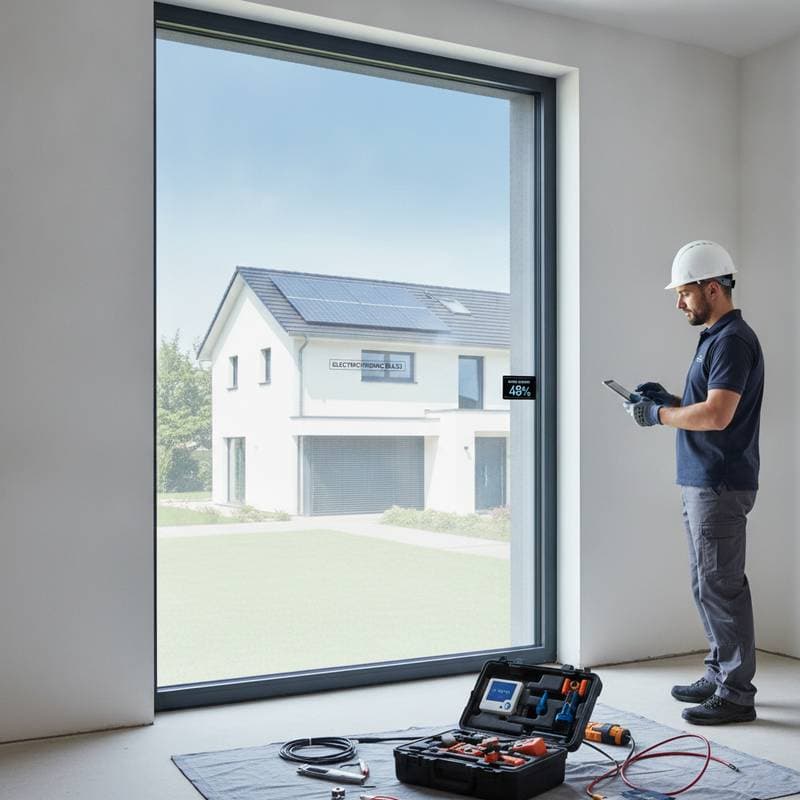
- Amateur Setup: Dynamic systems necessitate precise electrical routing and tuning. Substandard work leads to inconsistent performance or malfunctions; engage certified specialists experienced in smart glazing.
- Low-Quality Alternatives: Steer clear of budget films mimicking electrochromic effects. Authentic integrated glass delivers even responses, unlike films prone to peeling or fading.
- Neglected Upkeep: Overlooked sensor cleaning impairs response accuracy. Schedule quarterly checks to sustain peak efficiency.
Harmonizing Colors and Styles
Achieve exterior unity by aligning electrochromic windows with palettes that accommodate their variable sheen. Consider these curated schemes:
- Urban Minimalism: Charcoal cladding, matte black frames, and silver accents for bold modern impact.
- Coastal Serenity: Pale white panels, light gray frames, and nickel hardware, echoing blue-gray tints with marine influences.
- Contemporary Farmhouse: Cream exteriors, bronze frames, and timber doors to warm the glass's neutral shifts.
- Mountain Modern: Slate siding, deep brown metal frames, and stone details to anchor the glazing's gleam in earthy forms.
- Timeless Neutral: Taupe walls, almond frames, and light gray trim for understated refreshes in classic residences.
These arrangements preserve harmony amid daily tint fluctuations, allowing the windows to evolve without disrupting overall cohesion.
Essential Pre-Installation Documentation
Prior to finalizing choices, compile a thorough visual and contextual assessment of the property. This inventory informs optimal positioning and scale for the electrochromic integration.
- Façade Imaging: Photograph exteriors from diverse viewpoints, including detailed shots of trim junctions and cladding shifts.
- Style Analysis: Catalog defining traits like roof profiles, proportional balance, and material blends to guarantee complementary glazing.
- Contextual Survey: Observe adjacent properties' hues and textures. Dynamic glass's innovative sheen warrants alignment to avoid stark contrasts.
- Regulatory Review: Check community guidelines on reflectivity or tint opacity. Early confirmation prevents costly modifications.
- Environmental Mapping: Evaluate solar paths, wind directions, and natural shade sources. Position panels in light-challenged sectors for maximum utility.
- Financial Focus: Clarify objectives around conservation, seclusion, or visual appeal. This directs choices in products and extent.
Realizing the Full Potential
Electrochromic windows merge operational excellence with design sophistication. They respond to light variations, optimize indoor climates, and craft exteriors that blend innovation with enduring style. The upfront expense of about $8,000 for a standard setup appears formidable at first. However, advantages encompass lessened dependence on coverings, steadier thermal control, and enhanced architectural presence that boosts exterior allure.
For those intending extended residence, benefits surpass fiscal returns. Smart glass shields decor from degradation, advances eco-conscious practices, and equips the space for future advancements. Applied judiciously or extensively, this technology reshapes interactions with light and volume. The ultimate reward lies in efficiency gains alongside the profound tranquility and lucidity of a residence attuned to its surroundings.