Why Electrochromic Windows Dominate 2026 Home Builds
Home design evolves rapidly as smart materials enhance performance and comfort. Electrochromic windows emerge as a practical, innovative choice for new residential construction. These windows integrate technology, energy management, and daily usability into one architectural element. In compact modern homes or expansive custom projects, electrochromic glass adapts to varying light conditions without relying on manual blinds or shades.
Understanding Electrochromic Window Technology
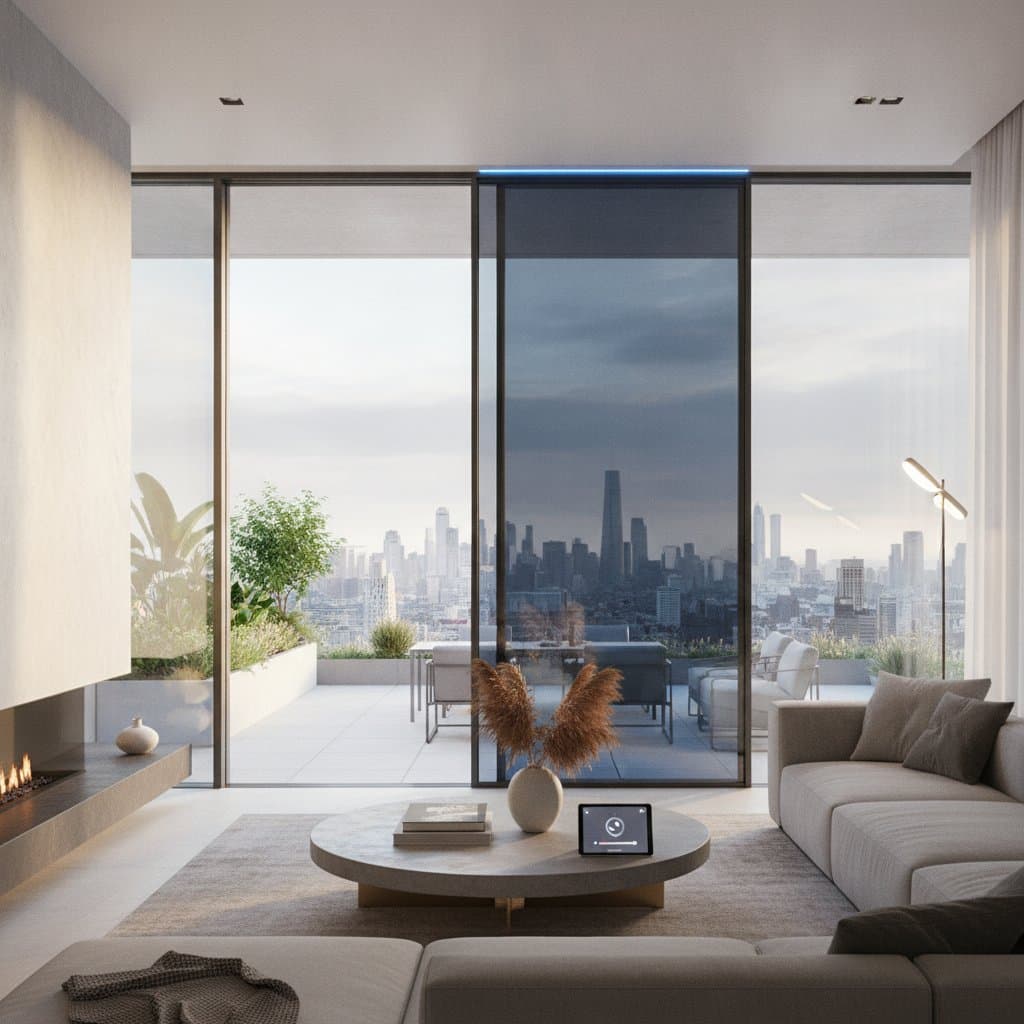
Electrochromic windows, also known as smart glass or dynamic windows, consist of multiple layered glass panels that respond to low-voltage electrical currents. Upon activation, the glass alters its tint to regulate incoming light and heat. This change reverses easily, enabling transitions between clear and tinted states based on user preferences.
The adjustment occurs smoothly over 10 to 30 seconds, depending on the model. Power consumption remains low, typically under 5 volts during transitions, with no ongoing energy draw once the state stabilizes. This approach provides precise control over brightness, glare, and privacy, surpassing the limitations of mechanical shading systems.
Material and Performance Characteristics
Advanced electrochromic coatings, embedded between glass layers, react to electrical signals by shifting ions to modify transparency. The shading appears even and natural, avoiding visible patterns or distortions.
Most models from leading manufacturers deliver these core attributes:
- Light control range: Adjustable tint levels from fully transparent to opaque blue-gray, often in five or more increments.
- Thermal regulation: Blocks up to 90 percent of solar heat gain, stabilizing indoor temperatures.
- UV protection: Filters 99 percent of harmful ultraviolet rays, preserving interior fabrics and wood surfaces.
- Energy efficiency: Reduces annual cooling and lighting expenses by 20 to 30 percent in sunny climates.
Paired with energy-efficient frames and expert installation, these windows achieve superior ratings in energy performance benchmarks for sustainable homes.
Comparing Electrochromic Windows with Traditional Options
Homeowners frequently compare electrochromic windows to standard double-pane glass equipped with blinds or low-emissivity coatings. Such evaluations reveal clear differences in cost, durability, and functionality over time.
| Option | Initial Cost | Lifespan | Maintenance | Best For |
|---|---|---|---|---|
| Standard Double-Pane | Lower | 15 to 20 years | Cleaning, seal checks | Budget-focused builds |
| Low-E Coated Glass | Moderate | 20 to 30 years | Minimal | Energy-efficient standard homes |
| Electrochromic Glass | Higher | 25 to 35 years | System inspections | Tech-integrated, adaptive spaces |
Although electrochromic options carry a premium upfront, energy reductions, enhanced comfort, and extended service life often recover the investment within 7 to 10 years through decreased HVAC usage and eliminated shading maintenance.
Key Advantages for Modern Living
Electrochromic windows extend beyond technical features to shape daily home experiences. Their benefits align closely with contemporary lifestyle demands.
- Comfort and Wellness: Automated or manual tint adjustments minimize glare and optimize natural light, fostering better sleep cycles and focus during work hours.
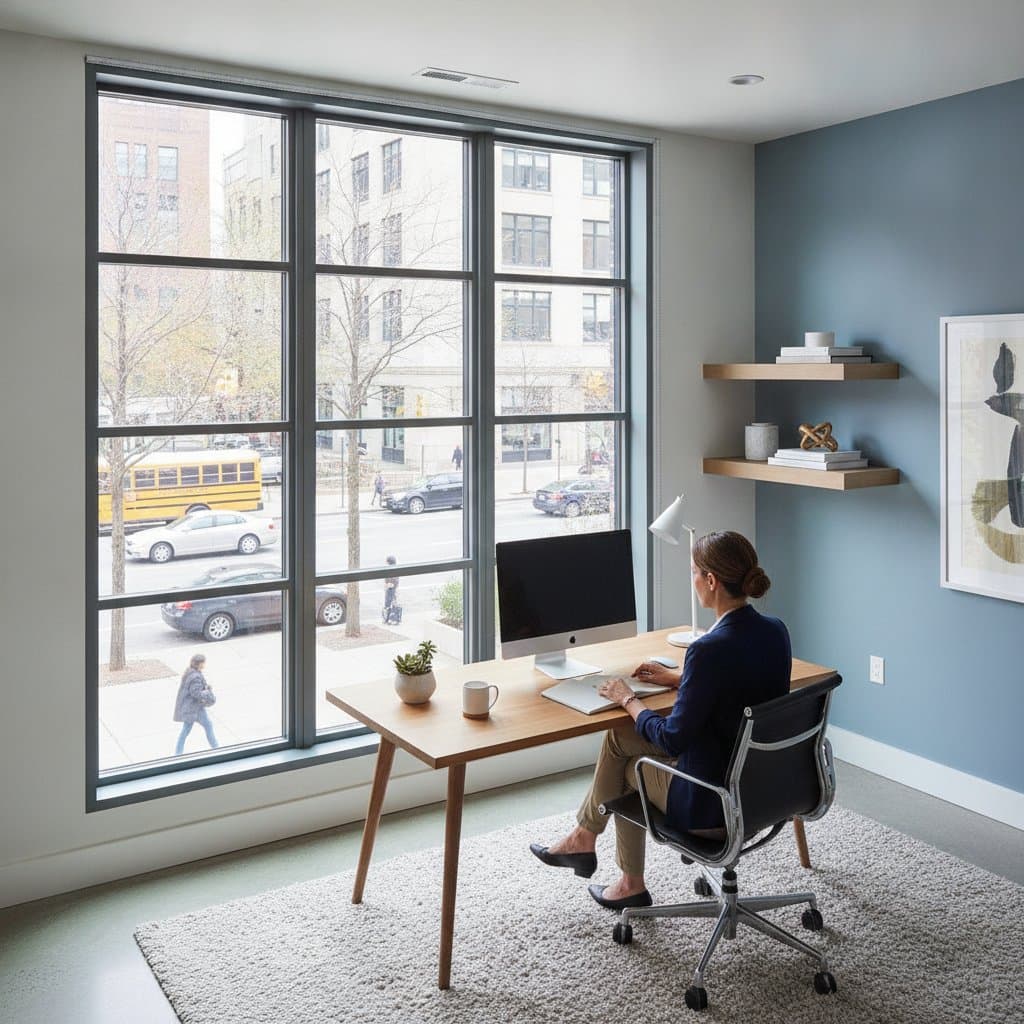
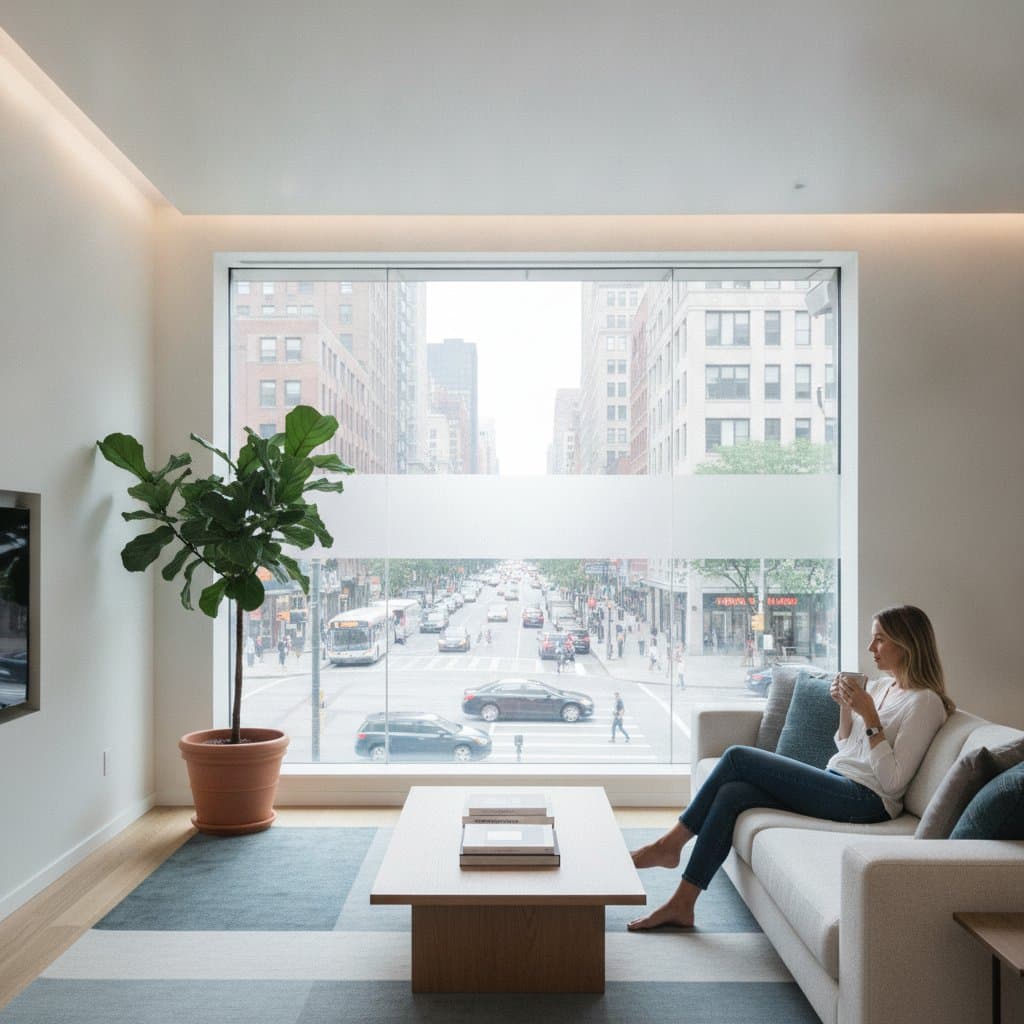
- Privacy Control: Tinted modes obscure views from outside while allowing inward visibility, ideal for dense urban settings or ground-floor rooms.
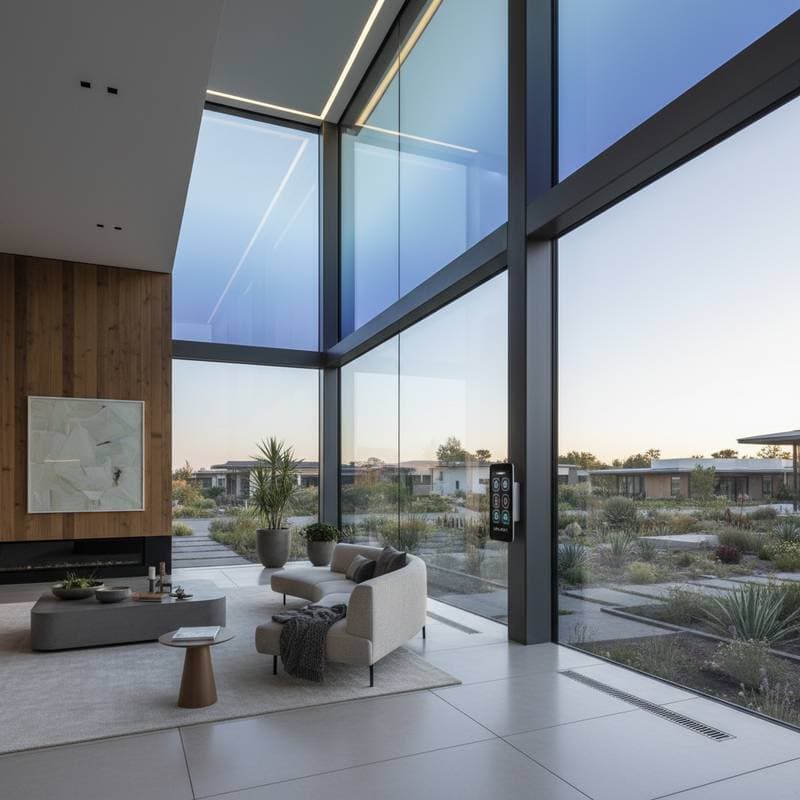
- Design Freedom: Large expanses of glass enable seamless indoor-outdoor connections without overheating concerns, supporting airy, open-plan architectures.
- Energy Savings: Diminished need for electric lights and air conditioning lowers bills and carbon output, promoting eco-friendly habits.
- Low Maintenance: Absence of moving parts eliminates dusting blinds or repairing cords, simplifying household routines.
Addressing Potential Limitations
No technology proves flawless, and electrochromic windows present specific considerations for informed selection.
- Upfront Cost: Prices range from 50 to 100 percent higher than standard glass, necessitating budget adjustments during initial planning.
- Installation Complexity: Each panel requires precise wiring integration, demanding certified electricians and glaziers to avoid performance issues.
- Tint Speed: Gradual shifts, lasting up to a minute in some cases, differ from instantaneous mechanical alternatives.
- Replacement Costs: Faulty units or electronics may cost two to three times more to repair than conventional panes.
Selecting experienced professionals and durable brands mitigates these challenges effectively.
Installation Process Overview
Installing electrochromic windows involves methodical steps to guarantee functionality and durability.
- Planning and Evaluation: Assess window dimensions, orientations, and electrical infrastructure alongside architects and electricians.
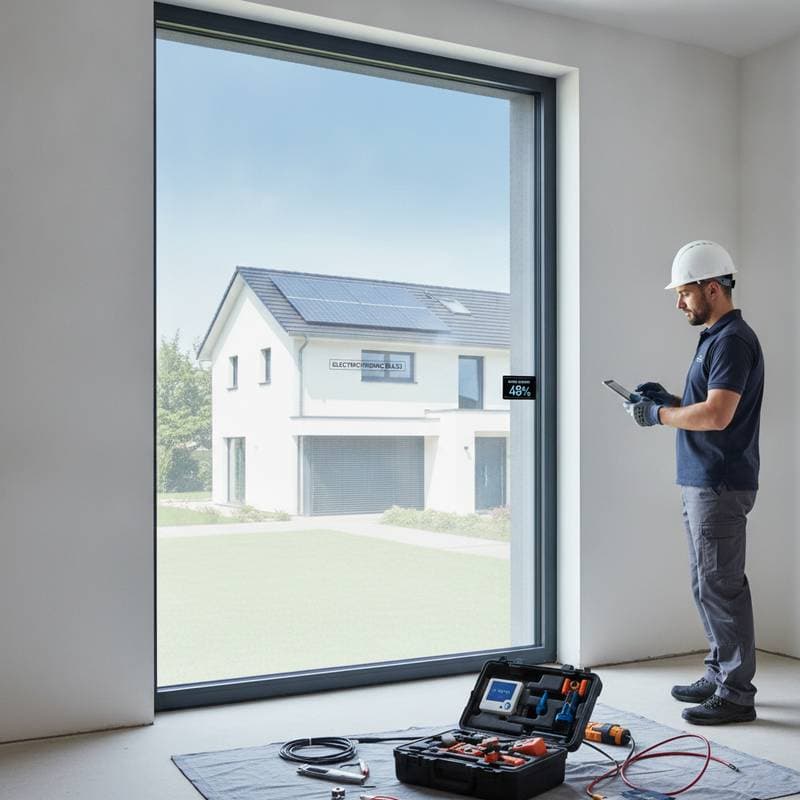
- Preparation Steps: Install frames and run low-voltage wiring to each location before glass delivery.
- Main Implementation: Secure panels into frames and connect to centralized controllers or smart home systems.
- Quality Assurance: Verify tint activation, seal integrity, and thermal performance through on-site testing.
- Completion and Follow-Up: Calibrate controls for user preferences and provide detailed operation guides.
This structured approach ensures seamless integration and reliable operation from day one.
Maintenance and Longevity Practices
Routine care for electrochromic windows mirrors that of ordinary glass, involving soft cloths and non-abrasive cleaners. Sealed electronics resist environmental wear, requiring no special handling.
Schedule annual checks for wiring integrity and control responsiveness to catch minor issues early. Manufacturers typically provide 20-year warranties on materials and 10-year coverage for electronics. Consistent upkeep sustains peak efficiency over 25 years or more.
Aligning with Lifestyle and Design Needs
Select electrochromic windows based on how spaces function in daily life. Families prioritizing expansive views and steady comfort benefit from their adaptive qualities in sun-drenched living areas.
The technology complements minimalist aesthetics by forgoing bulky window treatments. In variable climates, it balances warmth retention and cooling as seasons change. For resale appeal, these features attract buyers seeking automated, efficient homes.
Maximizing Energy Savings Long-Term
Studies indicate electrochromic glass cuts cooling demands by 25 percent and lighting needs by 15 percent in high-sun areas. Over decades, these efficiencies offset costs while prolonging HVAC system life.
Consult energy experts to model savings based on site specifics, including window placement and shading integration. Coordinated design elements amplify overall home efficiency.
Climate and Environmental Integration
Climate influences the suitability of electrochromic windows profoundly. In arid or tropical zones, they curb excessive heat and brightness effectively. Temperate regions gain from selective solar gain in colder periods.
Broader impacts include slashed energy use and emissions, supporting net-zero goals. Many products incorporate recycled content and non-toxic processes, earning credits in green building certifications like LEED.
Selecting the Ideal Solution
Evaluate electrochromic windows against personal priorities for optimal results.
- Budget: Allocate funds considering long-term returns on energy and maintenance.
- Energy Goals: Project utility reductions aligned with regional rates and sustainability aims.
- Design Intent: Gauge impacts on spatial flow, natural illumination, and visual harmony.
- Maintenance Expectations: Favor systems that demand little ongoing attention.
- Technology Comfort: Confirm ease with app-based or voice-activated controls.
This assessment ensures the choice enhances living quality without compromise.
Achieving Optimal Performance Post-Installation
Post-installation, monitor window responses to refine automation settings for peak comfort. Integrate with broader smart systems for holistic energy management. Regular performance reviews confirm sustained benefits, solidifying electrochromic windows as a cornerstone of forward-thinking homes.