Enhancing Home Exteriors with Auto-Tinting Smart Windows
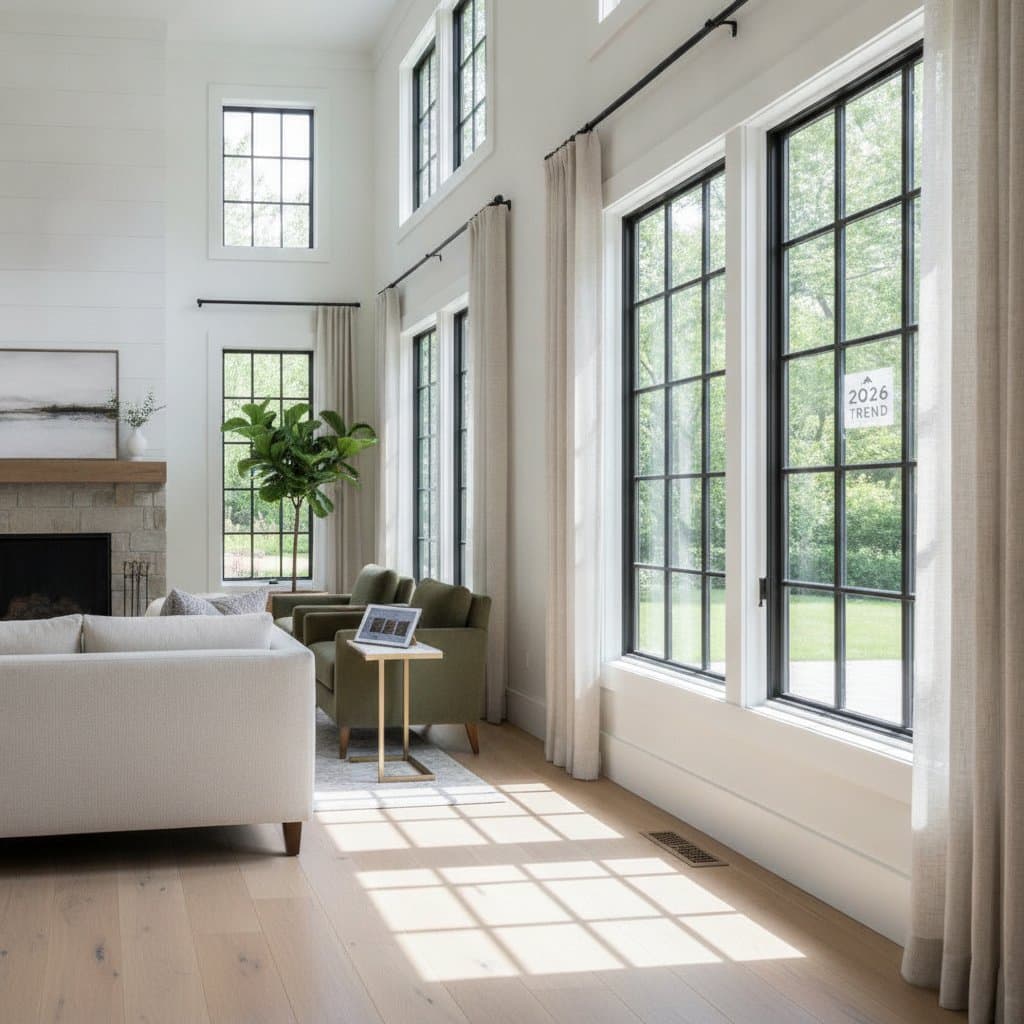
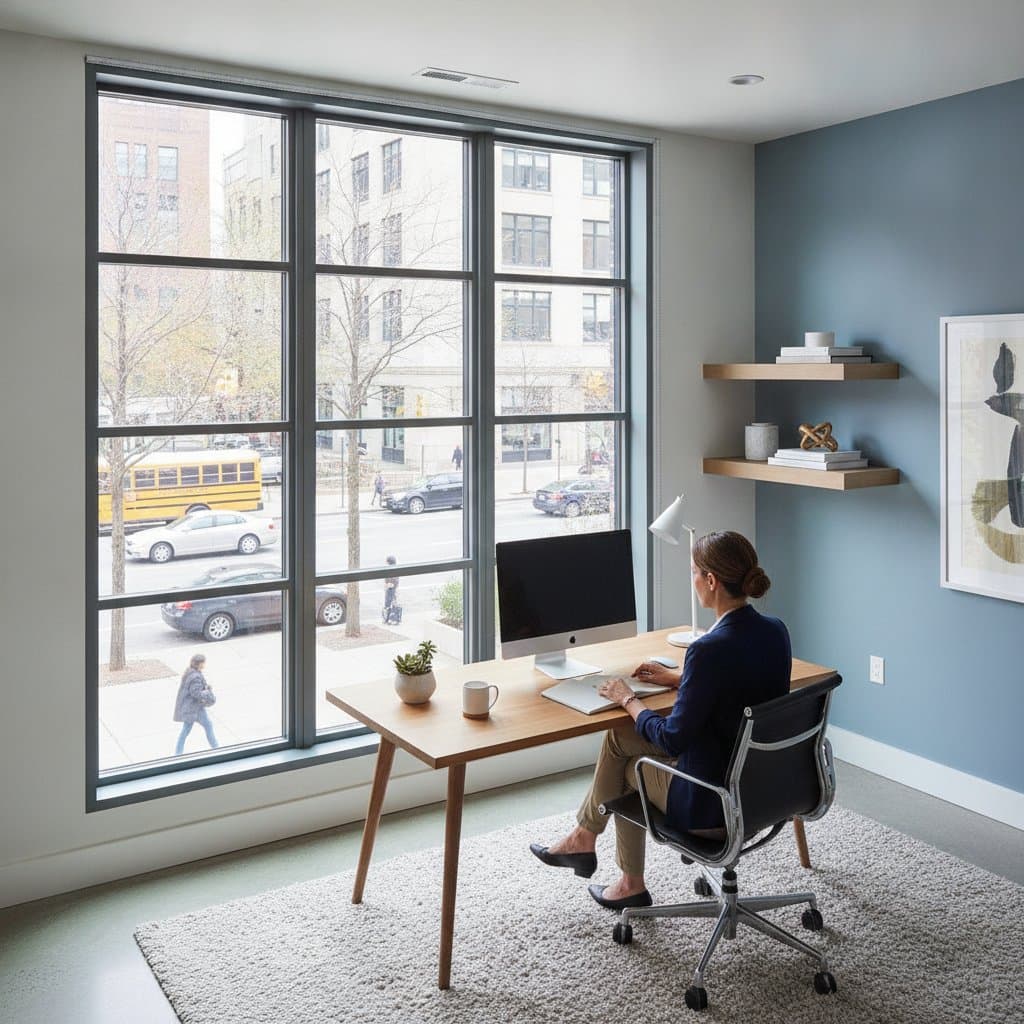
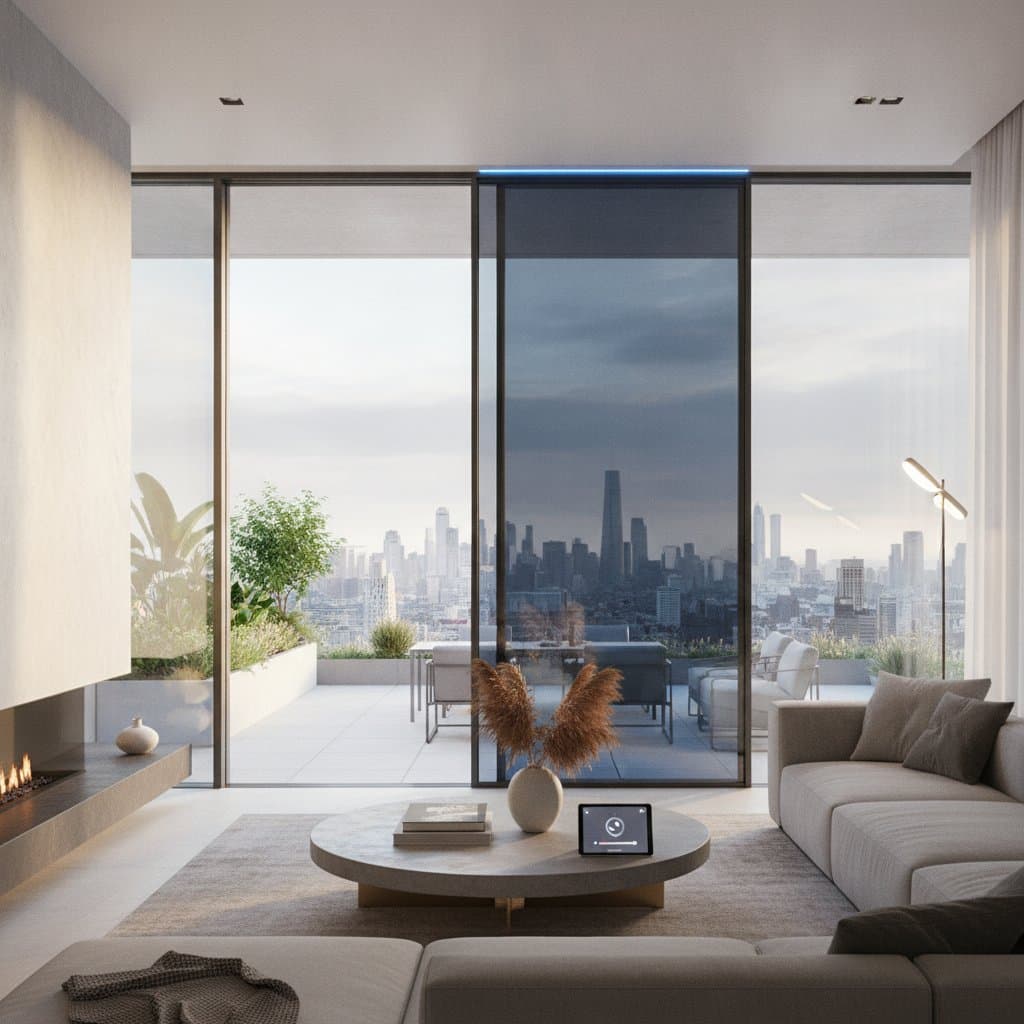
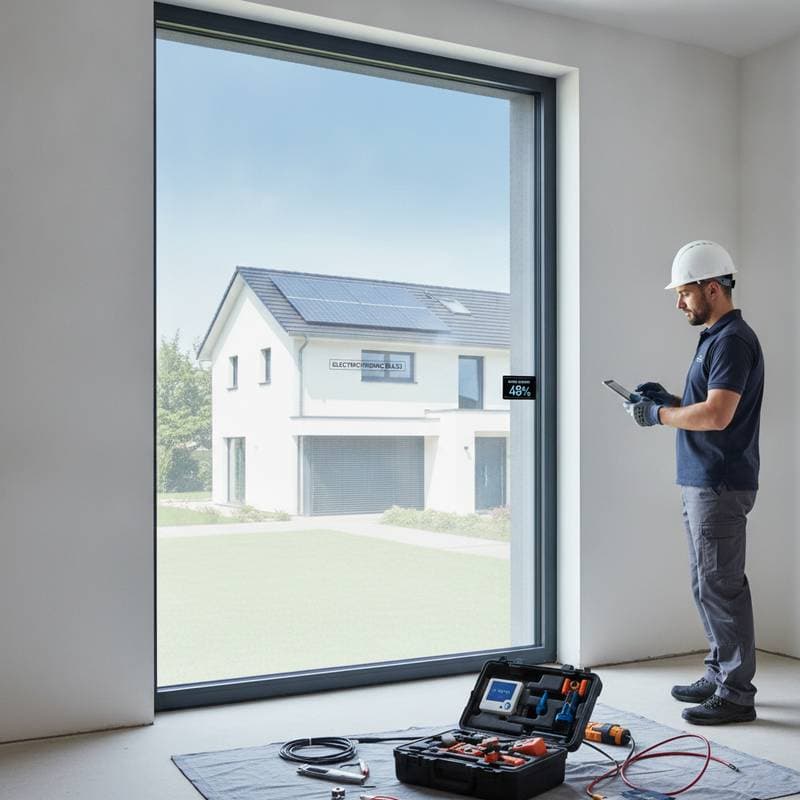
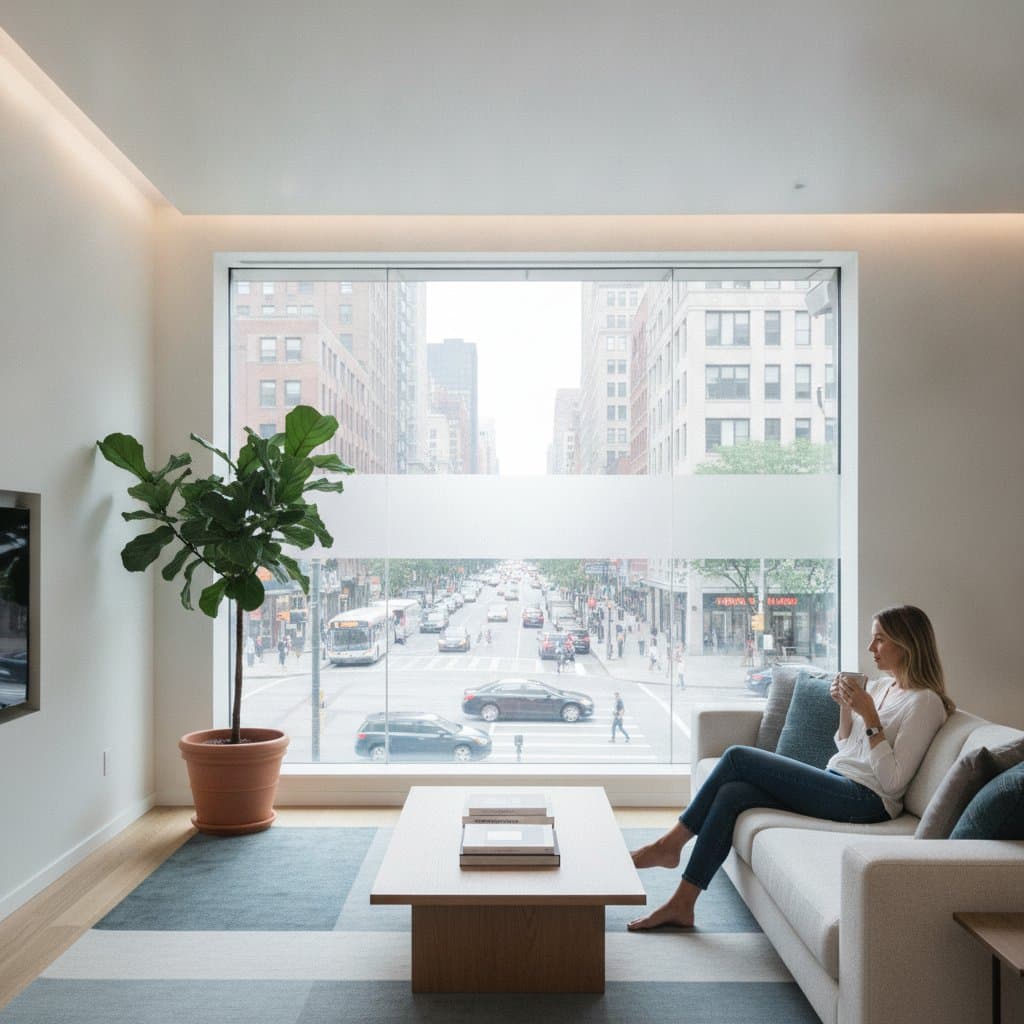
Home exteriors now blend aesthetics with advanced functionality. Auto-tinting smart windows, which utilize electrochromic glass, alter their transparency in response to sunlight intensity. These windows transition from clear to tinted states automatically, providing privacy, reducing glare, and lowering cooling expenses without user intervention. The outcome delivers a modern, efficient feature that improves indoor comfort.
Budget-Friendly Installation Options
Basic Upgrade ($3,000 - $6,000)
- Select electrochromic inserts for select sun-exposed windows instead of full replacements.
- Pair these with vinyl frames that replicate the appearance of premium materials like aluminum or wood while keeping expenses low.
- Direct investments toward prominent zones, such as the entry facade or primary rooms, to achieve noticeable design elevation.
Standard Upgrade ($6,000 - $12,000)
- Replace windows in living areas and bedrooms with complete electrochromic glass panels.
- Incorporate fiberglass or composite frames, which offer enhanced thermal insulation and require little upkeep.
- Integrate app-based controls that modify tint according to schedules or light conditions, optimizing both privacy and usability.
Premium Upgrade ($12,000 - $25,000)
- Deploy comprehensive smart window systems across the entire residence, compatible with smart home ecosystems.
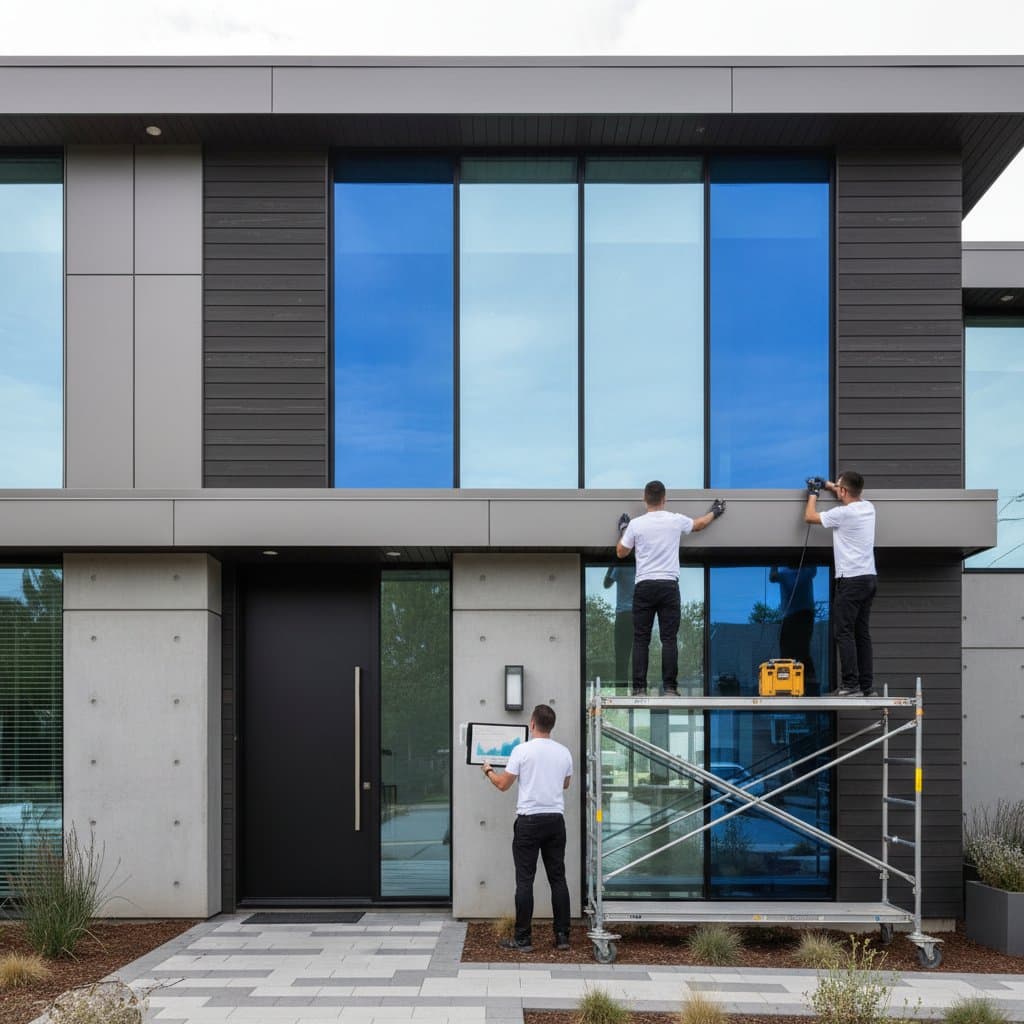
- Select bespoke frame options in finishes like matte black, bronze, or wood grains to create a sophisticated architectural presence.
- Utilize triple-glazed electrochromic panels for optimal energy retention and durability, ideal for regions with harsh weather.
Selecting Materials and Finishes
- Windows: Opt for electrochromic glass that adjusts from fully transparent to opaque, matched to local sunlight patterns. Aluminum or fiberglass frames provide contemporary durability. Finishes in matte black or bronze create visual depth against lighter home surfaces.
- Doors: Coordinate with doors that include glass panels featuring privacy treatments or slim electrochromic strips for uniformity. Hardware in brushed nickel or satin brass aligns with window details.
- Siding: Fiber cement or engineered wood in smooth textures harmonizes with the precise edges of smart glass. Colors such as light gray, beige, or charcoal mitigate the reflective aspects of tinted surfaces.
- Trim and Details: Employ streamlined trim to emphasize the windows' smooth profiles. Add embedded outdoor lighting that highlights the glass during nighttime for added allure.
Essential Maintenance Considerations
Electrochromic glass demands minimal cleaning compared to conventional windows, as tinting limits ultraviolet damage and particle accumulation. The coatings prevent streaks, yet regular wiping with a diluted cleaner preserves clarity. Frame types affect routine care: vinyl and fiberglass maintain color without effort, whereas wood requires yearly sealing. Annual reviews of control systems ensure accurate operation. Although initial costs exceed those of standard glass, energy reductions and elimination of shades yield financial returns over time.
Common Pitfalls to Avoid
- Place smart glass only in direct sunlight zones to realize full advantages; shaded spots diminish effectiveness.
- Uniform technology across the facade prevents mismatched appearances; select one brand for consistency.
- Frame hues that clash with siding disrupt balance; align colors with surrounding elements for seamless integration.
Coordinating Colors and Styles
Unified exteriors position smart windows as standout elements. Consider these schemes:
- Contemporary Edge: Charcoal siding paired with black frames and cedar highlights.
- Seaside Serenity: Light gray siding, white trim, and silver accents.
- City Elegance: Slate siding with bronze frames and walnut doors.
- Earthy Integration: Beige siding, olive frames, and stone features.
- Timeless Harmony: White siding, gray frames, and navy doors.
Exterior Documentation Guide
Prior to finalizing smart window selections, record your home's details systematically. Include:
- Facade images from multiple angles across various daylight hours.
- Detailed shots of current window and door framing.
- Notes on roof tones, siding materials, and nearby greenery.
- Observations of local building aesthetics and regulations.
- Identification of indoor areas with peak sunlight penetration.
Integrating Smart Windows for Lasting Benefits
Auto-tinting smart windows merge practicality with refined design in residential settings. They minimize interior fading, control light dynamically, and foster stronger links between home and environment. Paired strategically with siding, doors, and frames, these features boost exterior appeal and enhance everyday living efficiency.