2026's Eco Shift: Recycled Aluminum Window Frames Lead
Sustainable home design gains momentum as homeowners pursue reduced environmental impact alongside enhanced comfort and efficiency. Recycled aluminum window frames emerge as a standout option, blending robust strength, extended durability, and ecological benefits. This development forms part of a larger trend toward resource-conserving materials that promote sustained performance.
Recycled aluminum windows integrate industrial resilience with environmental gains. Production utilizes existing metal stocks, avoiding fresh raw material extraction and minimizing energy demands and waste generation. Homeowners considering upgrades or new builds benefit from evaluating how these frames integrate into a home's overall lifecycle for optimal decision-making.
Comparing Window Frame Materials
Homeowners selecting window frames evaluate choices such as wood, vinyl, fiberglass, and aluminum, each presenting distinct advantages and drawbacks related to comfort, upkeep, and value over time.
| Material | Initial Cost | Lifespan | Maintenance | Best For |
|---|---|---|---|---|
| Recycled Aluminum | Moderate | Very Long | Low | Modern homes, eco-conscious projects |
| Wood | High | Long | Moderate to high | Traditional aesthetics, warmth |
| Vinyl | Low | Medium | Low | Budget-friendly projects |
| Fiberglass | High | Long | Low | Energy-efficient designs |
Wood holds appeal for its inherent beauty and insulating qualities, though it demands periodic sealing and painting to ward off deterioration. Vinyl provides affordability yet shows reduced longevity, with potential warping in severe weather. Fiberglass delivers superior thermal properties at a premium initial expense.
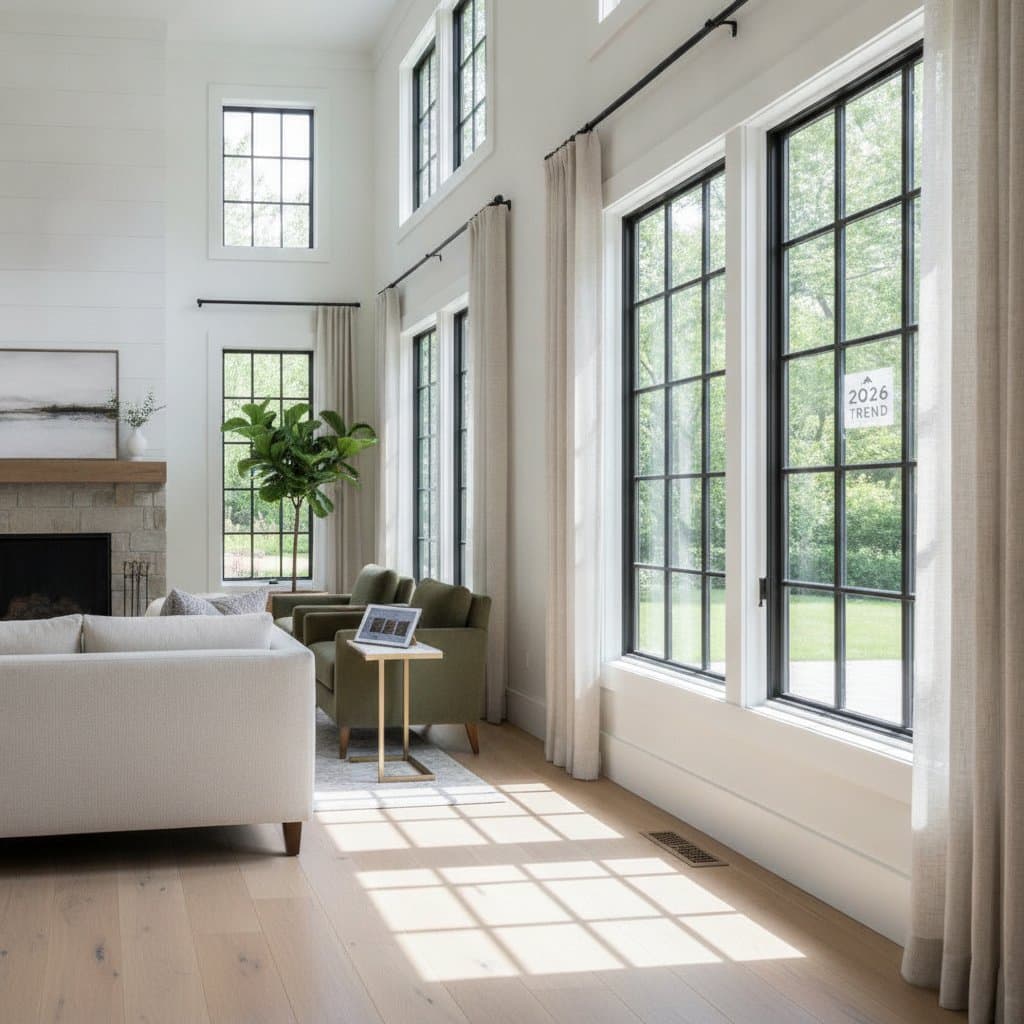
Recycled aluminum achieves equilibrium among these options. It repels corrosion, endures extreme weather, and demands scant maintenance. Coupled with thermal breaks and insulated glazing, it matches or surpasses competitors in energy retention while presenting a sleek, modern profile.
Energy Performance Considerations
Aluminum frames historically faced scrutiny for thermal conductivity, which facilitates heat escape without mitigation. Contemporary innovations address this concern effectively.
Current recycled aluminum designs incorporate thermal breaks, insulating strips that separate the frame's interior and exterior components to curb heat transfer. This feature boosts overall insulation, fostering greater indoor comfort. Integrated with double- or triple-pane glazing, these frames comply with or exceed prevailing energy benchmarks.
In hot regions, the material's reflective quality aids in controlling solar heat influx. In cooler areas, enhanced insulation preserves warmth inside. Customizing coatings and glass types allows adaptation to specific climates and comfort needs, ensuring tailored efficiency.
Cost Analysis and Long-term Value
Recycled aluminum frames carry a moderate upfront price relative to alternatives. Their worth becomes evident through prolonged use.
- Lower Maintenance Costs: Frames eliminate requirements for repainting, refinishing, or repairs from distortion, keeping expenses low over years.
- Extended Lifespan: Exceptional durability postpones replacements, curbing waste and cumulative costs.
- Energy Efficiency Gains: Paired with high-performance glass, frames lower utility expenses for heating and cooling.
- Resale Appeal: Sustainable, low-maintenance features attract buyers, elevating property marketability.
Although installation exceeds basic vinyl outlays, the synergy of durability and minimal care typically recoups the difference within several years.
Environmental and Lifestyle Benefits
Opting for recycled aluminum windows advances ecological stewardship and daily livability.
- Reduced Environmental Impact: Production averts new mining and diverts metal from landfills.
- Resource Conservation: Reliance on recycled inputs bolsters a circular economy emphasizing reuse.
- Healthier Indoor Environment: Powder-coated surfaces release fewer volatile compounds than solvent-based paints, enhancing air purity.
- Enhanced Comfort: Effective insulation stabilizes temperatures and dampens outside sounds.
Homeowners aligning performance with planetary care find these frames a sensible integration of technology and sustainability.
Choosing What Works Best
Frame selection hinges on factors like climate, style, and priorities beyond the material itself.
Recycled aluminum suits scenarios where:
- Variable weather demands resilience paired with thermal control.
- Low upkeep and contemporary design take precedence.
- Eco-principles guide renovation or construction efforts.
- Dependable, long-lasting performance minimizes future interventions.
Traditional or rustic settings may favor wood, while cost constraints point to vinyl. For integrated durability, efficiency, and green attributes, recycled aluminum stands as a comprehensive choice.
Ensuring Quality Results
Post-installation vigilance sustains window efficacy. Verify smooth operation and secure seals during initial checks. Inspect caulking and finishes externally to confirm weather resistance. Document installation specifics and warranty terms for ready access during servicing.
Engage certified installers who provide ongoing maintenance or performance audits. Such proactive measures prolong service life and uphold energy standards, safeguarding the investment.
Long-term Considerations
Evolving construction norms favor materials that embody sustainability and adaptability. Recycled aluminum windows align seamlessly with these priorities through their recycled origins, performance metrics, and robustness.
Properties featuring these elements better withstand shifting codes and consumer demands. Long-term residents gain assurance from frames that sustain functionality without major overhauls.
Making the Right Choice
Adopting recycled aluminum window frames marks tangible advancement in eco-friendly habitation. These components merge advanced fabrication with a sustainable sourcing model, yielding resilience, versatile styling, and ease of care alongside resource prudence.
Homeowners assessing upgrades weigh expenses, functionality, and ethical considerations. Recycled aluminum occupies a pivotal position, granting prompt livability enhancements and lasting returns. Thoughtful selection and meticulous execution yield homes that harmonize individual preferences with environmental ethos, paving the way for enduring, efficient spaces.