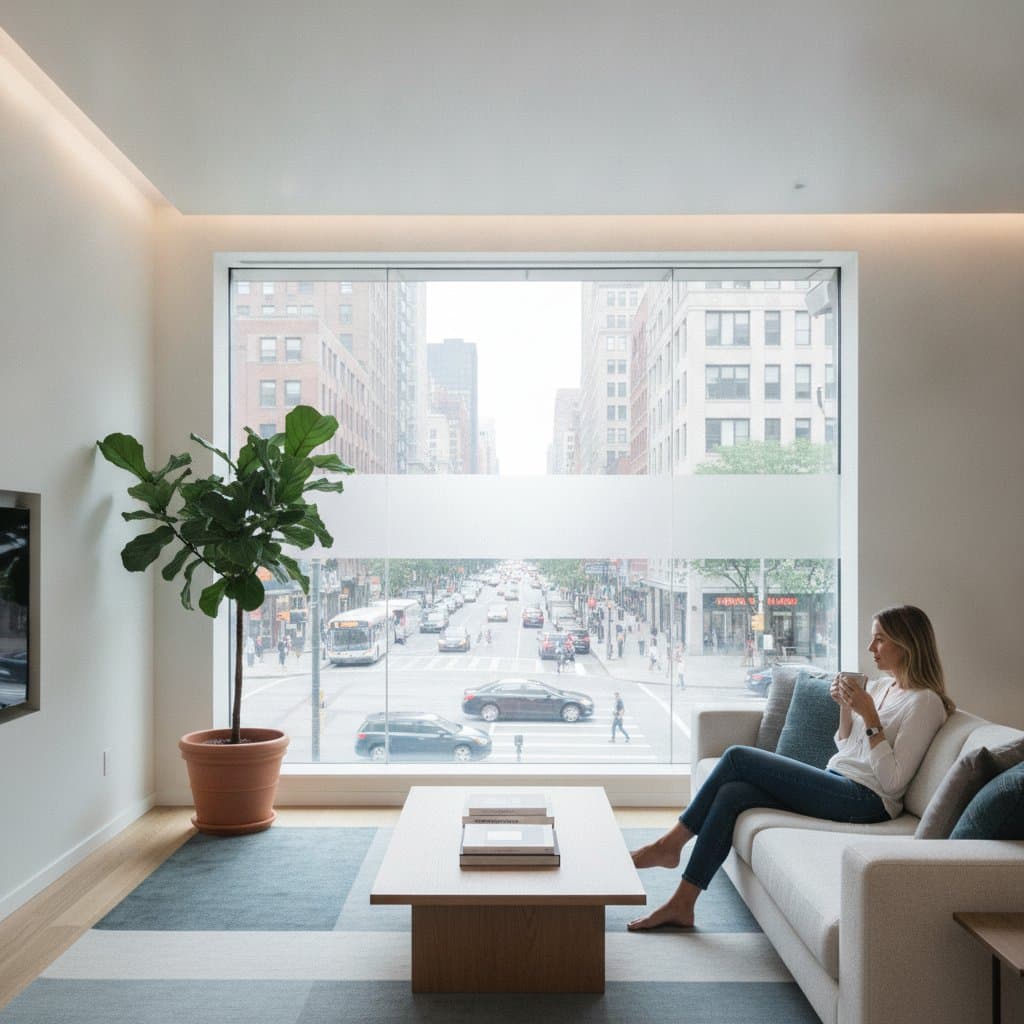

Electrochromic Windows: A $8,000 Investment in Energy-Efficient Home Comfort
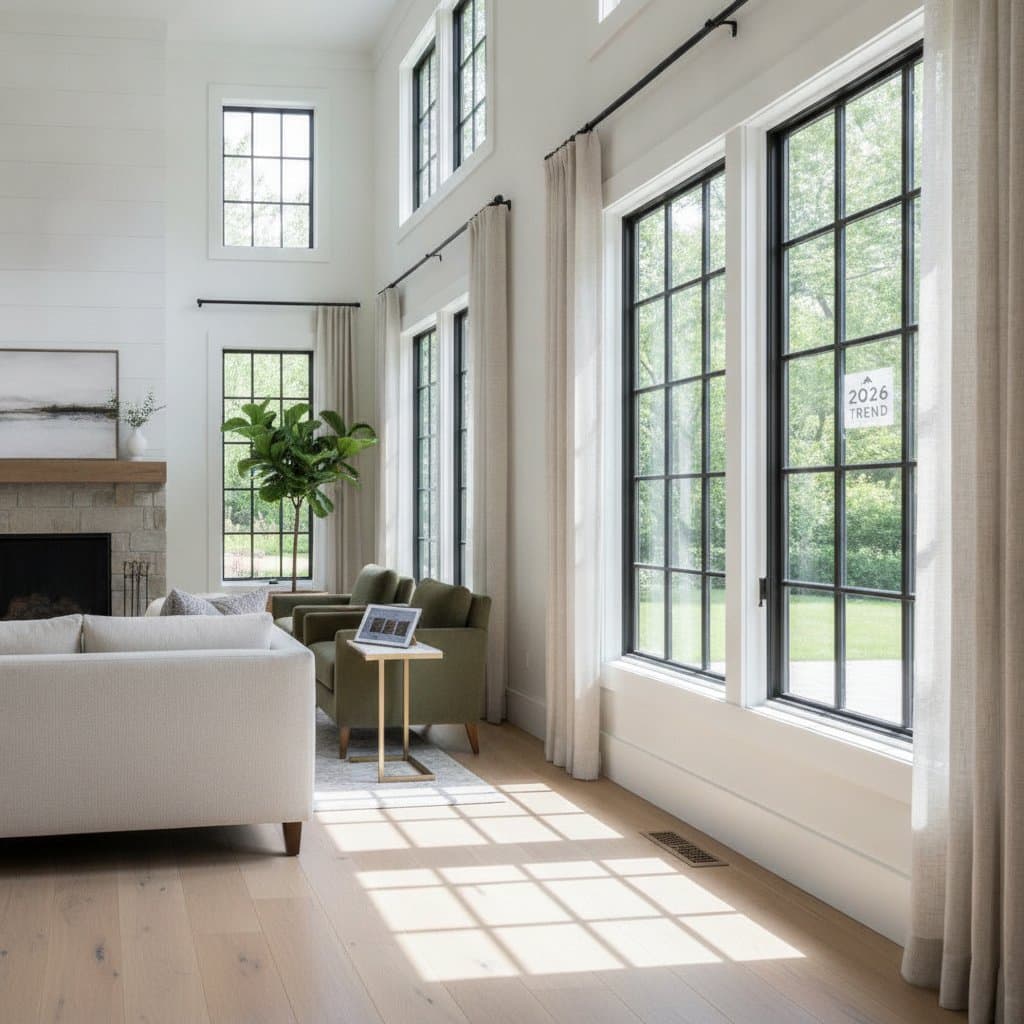
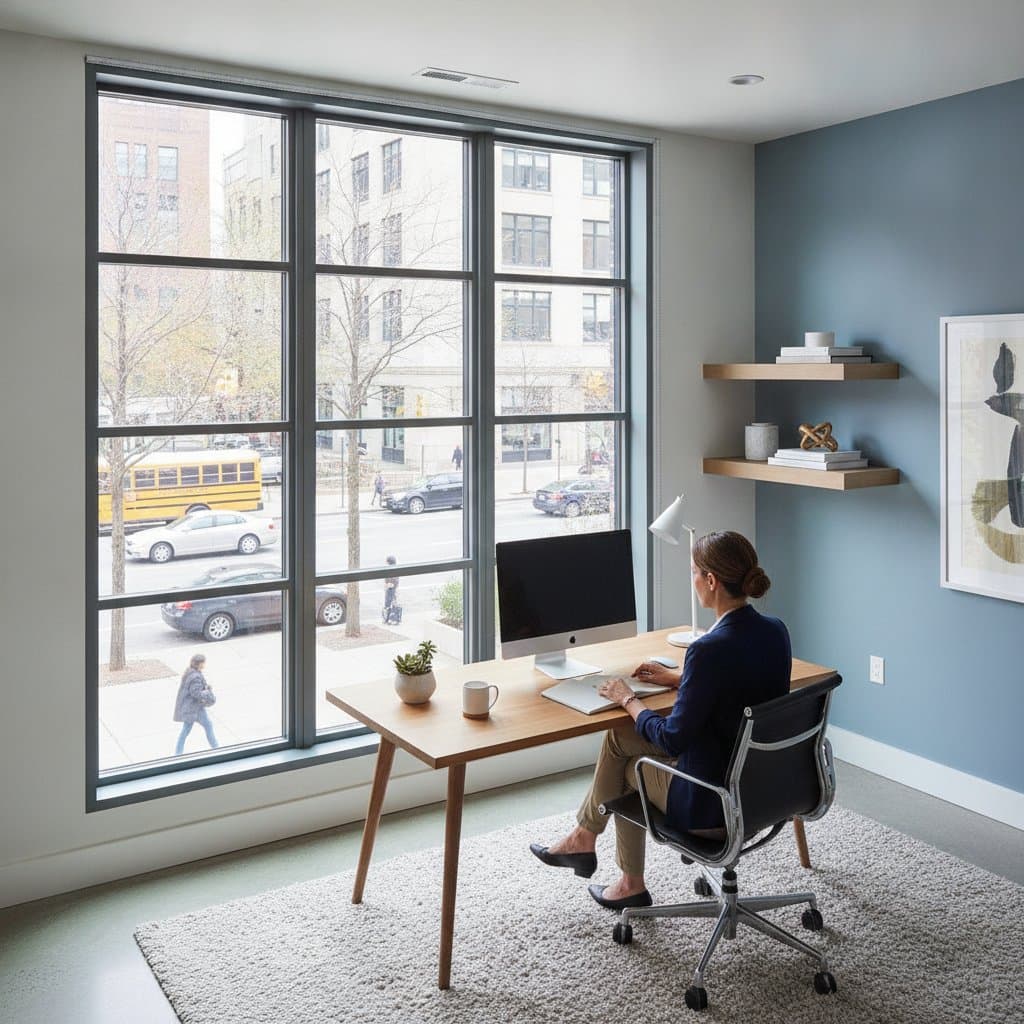
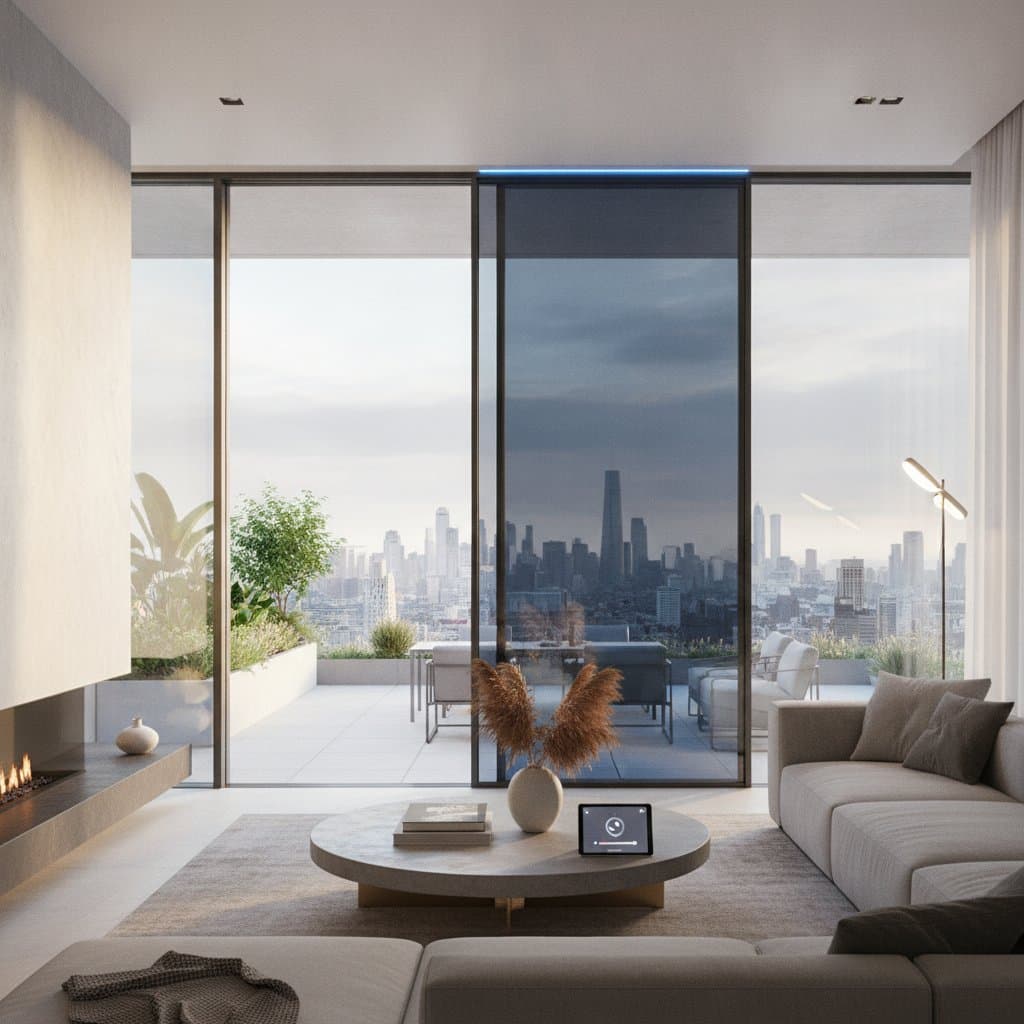
Homeowners seeking improved comfort, energy efficiency, and privacy increasingly choose electrochromic windows, also known as smart glass or dynamic windows. These advanced windows adjust their tint automatically or through user controls to minimize glare and maintain optimal indoor temperatures. Although installation for a standard home averages $8,000, the long-term advantages position this technology as a valuable enhancement for contemporary residences.
This guide details the costs, installation procedures, and enduring benefits of electrochromic windows to assist in evaluating their suitability for your property.
Typical Costs for Electrochromic Window Installation
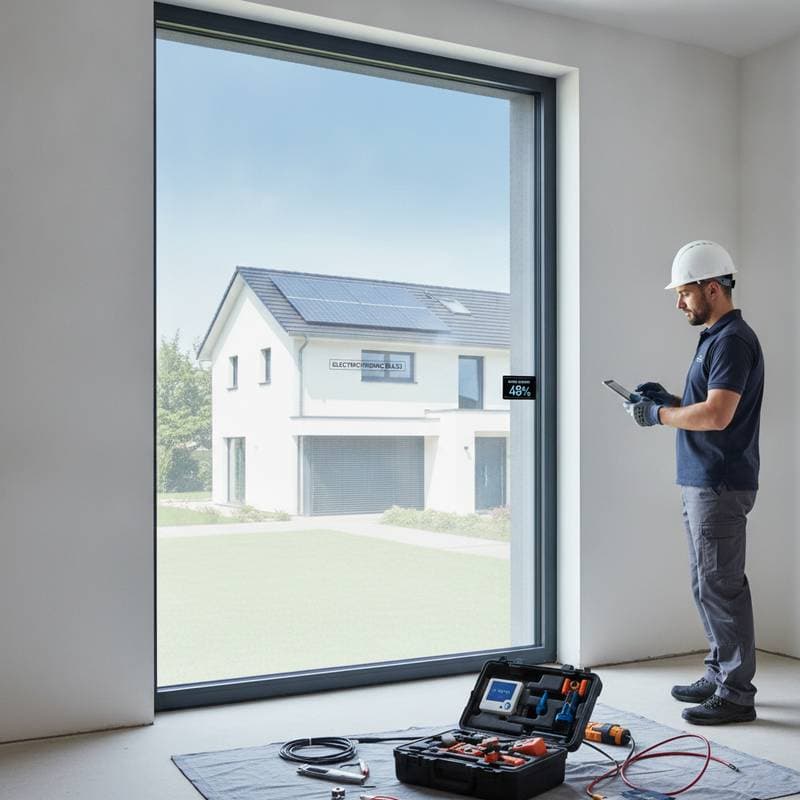
The expense for installing electrochromic windows ranges from $750 to $1,200 per window, encompassing materials and professional labor. For a complete replacement involving eight to ten windows, the total investment spans $6,000 to $12,000, with $8,000 representing the national average.
| Home Size or Project Type | Average Total Cost | Cost Per Window | Description |
|---|---|---|---|
| Small home (4-6 windows) | $4,000 to $7,000 | $650 to $1,100 | Suitable for targeted upgrades in areas such as living rooms or home offices |
| Medium home (8-10 windows) | $6,000 to $10,000 | $700 to $1,200 | Represents the most frequent installation scale |
| Large home (12+ windows) | $10,000 to $18,000 | $800 to $1,300 | Involves comprehensive home integration with intelligent controls |
These figures account for glass panels, electronic controls, wiring, and expert installation. Expenses may increase with integration into a full-home automation network or the use of oversized custom panels.
Options in Electrochromic Glass Technology
Various smart glass technologies exist, each with distinct characteristics for residential applications. The following table summarizes the primary types.
| Glass Type | Cost Range (per sq. ft.) | Key Features |
|---|---|---|
| Basic electrochromic | $60 to $90 | Manual or app-based control with standard tint options |
| Advanced electrochromic | $90 to $130 | Rapid response times and integration with smart sensors |
| Dual-pane low-E electrochromic | $110 to $160 | Enhanced insulation and precise solar heat management |
| Custom architectural panels | $150 to $250 | Designed for large-scale or curved installations in premium settings |
Many homeowners select dual-pane low-E electrochromic glass for its optimal combination of performance, energy conservation, and affordability.
Energy Efficiency and Sustainability Advantages
Electrochromic windows manage solar heat gain to lower heating and cooling expenses. Research from the National Renewable Energy Laboratory indicates potential reductions in energy use of 20 to 30 percent relative to conventional windows.
In warmer months, the tinted mode blocks infrared radiation to preserve cooler interiors. During colder periods, the transparent setting permits passive solar warming, easing the load on heating systems. These efficiencies can recoup a portion of the initial outlay through reduced utility bills over time.
Additionally, the design eliminates the need for traditional shading solutions like blinds, simplifying maintenance and reducing material consumption. For those committed to sustainable practices, this upgrade promotes environmentally responsible living and diminishes overall carbon emissions.
Electrochromic Windows Versus Alternative Smart Glass Technologies
When considering dynamic glazing, electrochromic options stand out for their balance of cost and functionality compared to other methods.
| Technology | Cost Range (per sq. ft.) | Control Type | Pros | Cons |
|---|---|---|---|---|
| Electrochromic | $60 to $160 | Electrical current | High energy efficiency and adjustable tint levels | Elevated initial expense |
| Thermochromic | $40 to $80 | Temperature-sensitive | Requires no electrical wiring | Offers limited user control |
| Photochromic | $50 to $100 | Light-sensitive | Provides automatic adjustments | Lacks precision and manual options |
| Liquid crystal | $90 to $200 | Electrical current | Achieves immediate privacy shifts from opaque to clear | Provides lower energy savings |
Electrochromic technology excels in delivering superior energy management alongside flexible controls, rendering it a strong choice for enduring home applications.
Perspectives from Industry Experts
Professionals in installation and design recognize electrochromic windows as a viable solution for forward-looking homes.
"Homeowners desire comfort and efficiency without compromising visual appeal," stated Mark Jensen, a certified window installer based in Portland. "Smart glass delivers these elements, and the resulting energy reductions validate the investment gradually."
Sarah Liu, an architect specializing in sustainable projects, noted, "Electrochromic windows maximize natural illumination while curbing glare, thereby enhancing indoor well-being and focus."
Such insights underscore the rising popularity of dynamic windows amid trends toward eco-conscious construction and integrated smart systems.
Ideal Scenarios for Upgrading to Smart Windows
Consider electrochromic windows in these situations:
- Properties featuring expansive south- or west-oriented windows
- Open-plan interiors exposed to intense sunlight
- Renovations emphasizing sleek, unobtrusive design
- Households focused on minimizing heating, ventilation, and air conditioning expenditures
If current windows approach the end of their service life, this upgrade can replace outdated shading methods while elevating overall livability and performance.
Steps to Implement Your Electrochromic Window Project
Adopting electrochromic windows represents a progressive step in optimizing your home's interaction with environmental factors. Begin by obtaining estimates from a minimum of three qualified installers experienced in smart glazing.
Anticipate additional electrical modifications for compatibility with home automation platforms, and confirm that your electrical infrastructure supports the minimal voltage demands. Post-installation, control light and privacy effortlessly via app, remote, or voice activation.
The $8,000 commitment yields substantial gains in convenience, elegance, and utility savings that surpass conventional alternatives. Electrochromic glass elevates standard windows to adaptive components attuned to daily needs, establishing it as a pinnacle of residential innovation.