Why $8,000 Electrochromic Windows Will Define Smart Homes in 2026
Smart homes evolve from simple devices to intelligent systems that enhance daily life. Electrochromic windows stand out in this shift, offering precise control over light, heat, and privacy. Priced at approximately $8,000 for a complete setup, these windows deliver substantial returns through energy savings and improved comfort, positioning them as an essential upgrade for forward-looking homeowners.
To appreciate their value, consider how electrochromic windows function and the benefits they provide over time.
Core Materials and Operational Principles
Electrochromic windows rely on advanced multilayer glass construction. A transparent conductor facilitates electrical flow, while the electrochromic layer responds to voltage by shifting ions. This movement adjusts the glass opacity, allowing light transmission to vary from fully clear to deeply tinted.
Key performance elements include:
- Transition time: Smaller panels switch in seconds, while larger ones require up to a minute for full effect.
- Tint consistency: High-end models ensure even coloration without streaks or patches.
- Thermal control: The glass blocks up to 90 percent of solar heat, which cuts air conditioning demands significantly.
- Longevity: Protective coatings shield against ultraviolet damage, preserving performance for 20 years or more.
Homeowners benefit from selecting products with verified ratings in these areas, ensuring reliable operation and efficiency.
Step-by-Step Installation Overview
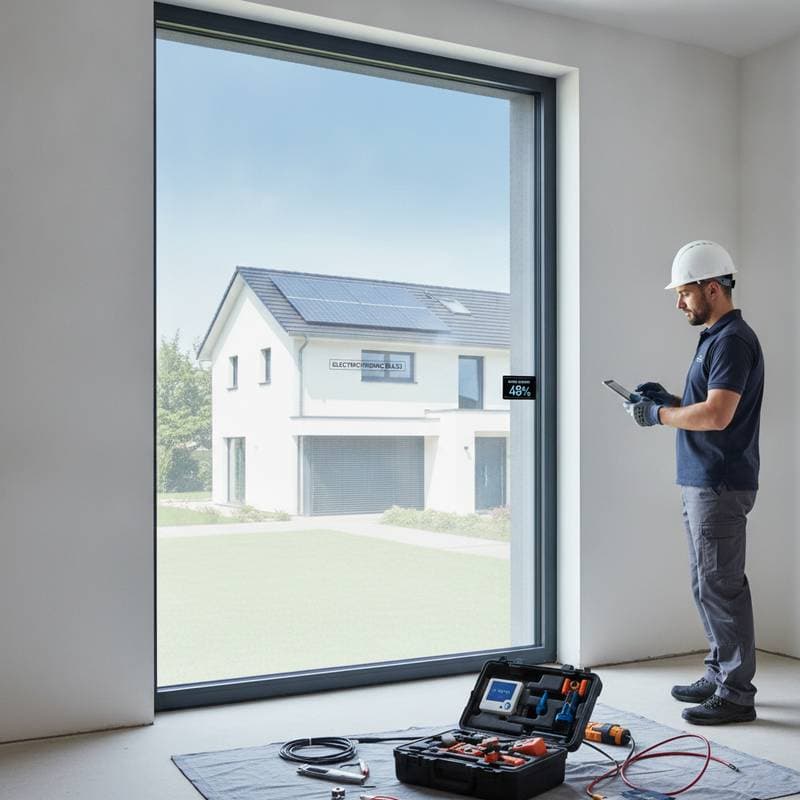
Installing electrochromic windows demands professional expertise due to their electrical components. The process integrates seamlessly with existing home structures when planned correctly.
Initial Assessment
Experts evaluate window sizes, electrical capacity, and integration needs. They inspect frames for structural integrity and identify optimal wiring paths to avoid visible modifications.
Site Preparation
Existing panes or frames receive careful removal. Surfaces undergo thorough cleaning, and precise measurements confirm fit. Electricians install conduits within walls or frames for unobtrusive power delivery.
Unit Placement and Wiring
Technicians secure each glass panel to prevent alignment issues that could impair conductivity. Connections link to a central controller, followed by tests to confirm functionality.
System Testing
The setup undergoes checks for smooth tint transitions and responsive controls. Seals around edges get inspected to maintain energy efficiency and weather resistance.
Final Handover
Owners learn to operate manual overrides, program automations, and connect with smart ecosystems. Maintenance involves gentle cleaning with soft cloths to safeguard the sensitive layers.
Enhancing Privacy and Visual Appeal
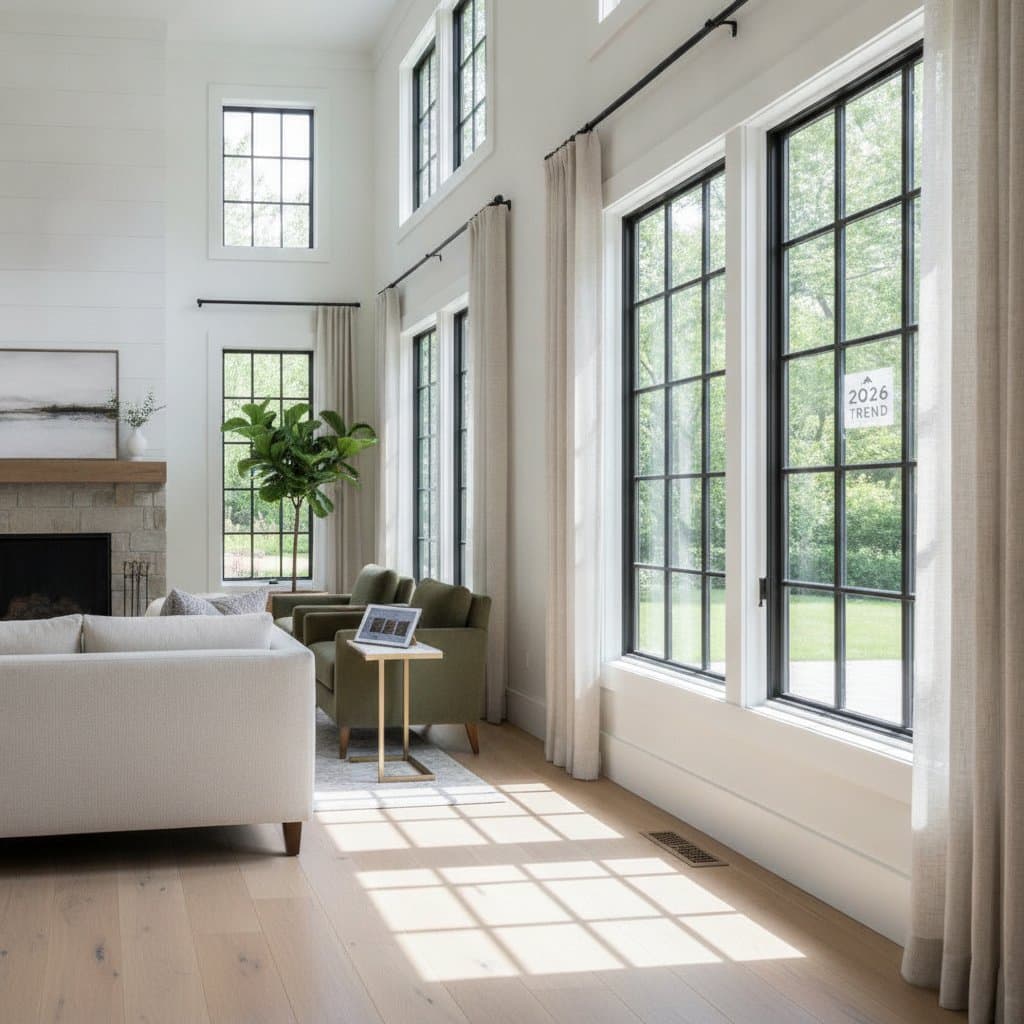
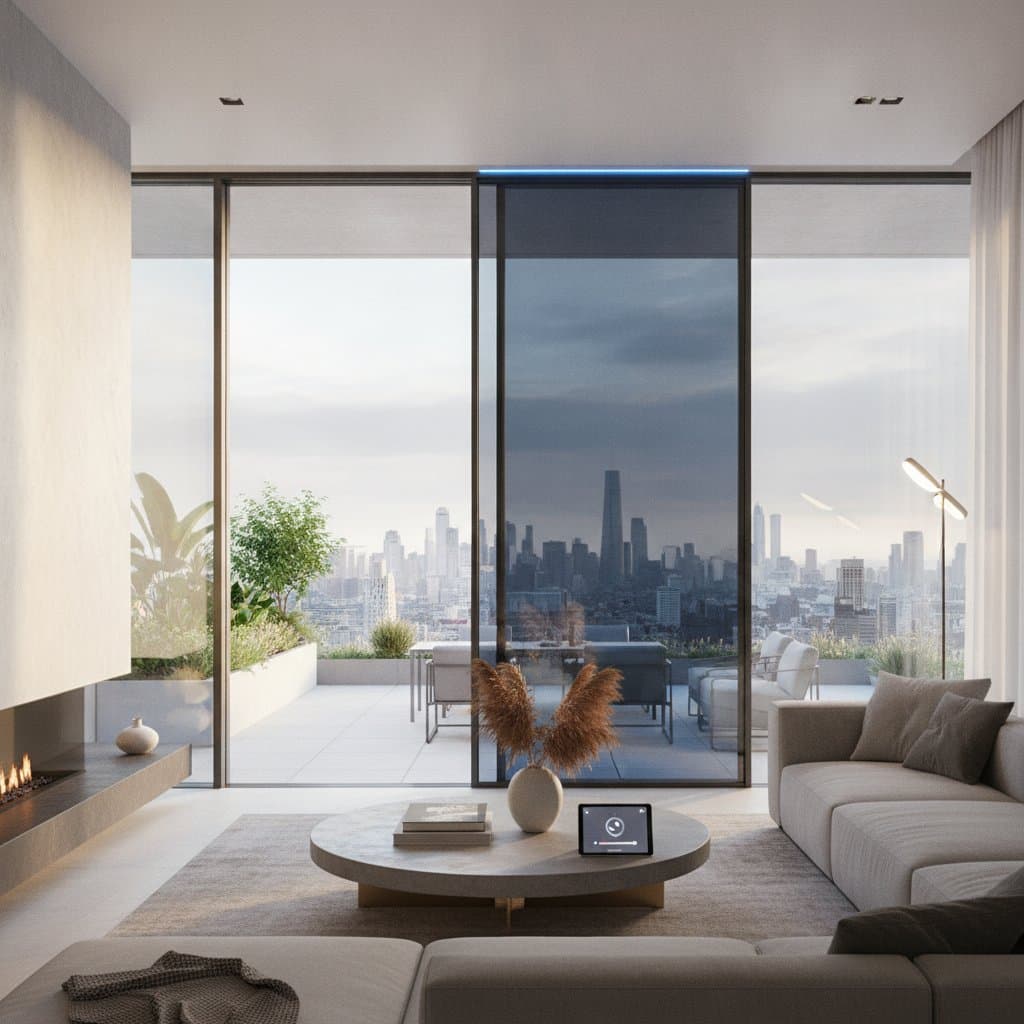
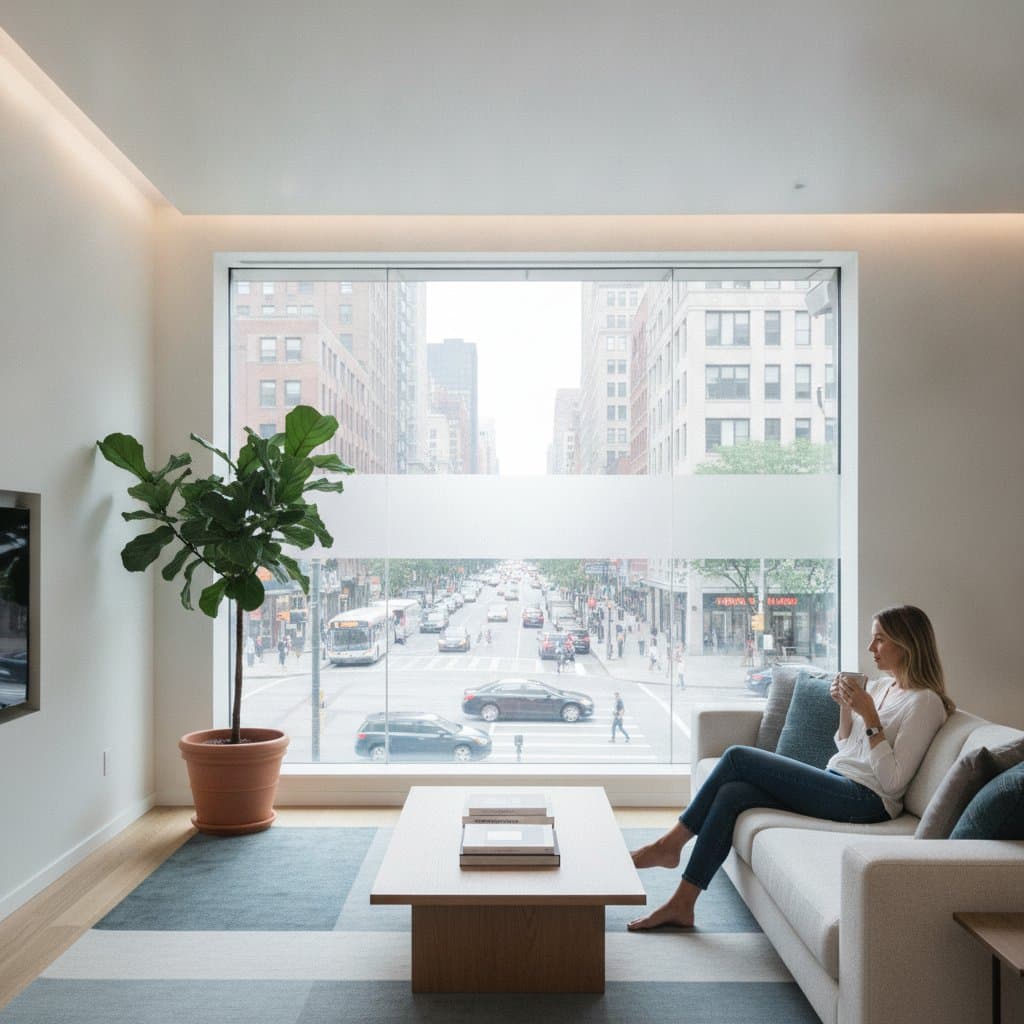
Electrochromic windows offer on-demand privacy by tinting to block external views while preserving outward sightlines. This eliminates the need for bulky shades, ideal for expansive living areas with prominent glazing.
Aesthetically, the technology promotes sleek, uncluttered interiors. Available in neutral grays or subtle blues, tint options harmonize with diverse decor schemes. As daylight shifts, automated adjustments create a serene, glare-free ambiance that evolves naturally.
Seamless Smart Home Connectivity
These windows interface effortlessly with platforms like Alexa or Google Home, plus sensors for light and temperature. Automations trigger tinting based on real-time data, such as midday sun exposure or room occupancy.
During installation, specialists set baseline routines, but users refine them via apps. Link windows to thermostats for holistic climate management, or pair with lights for unified scene settings. Both wired and wireless options accommodate varied home layouts.
Elevating Everyday Comfort and Routines
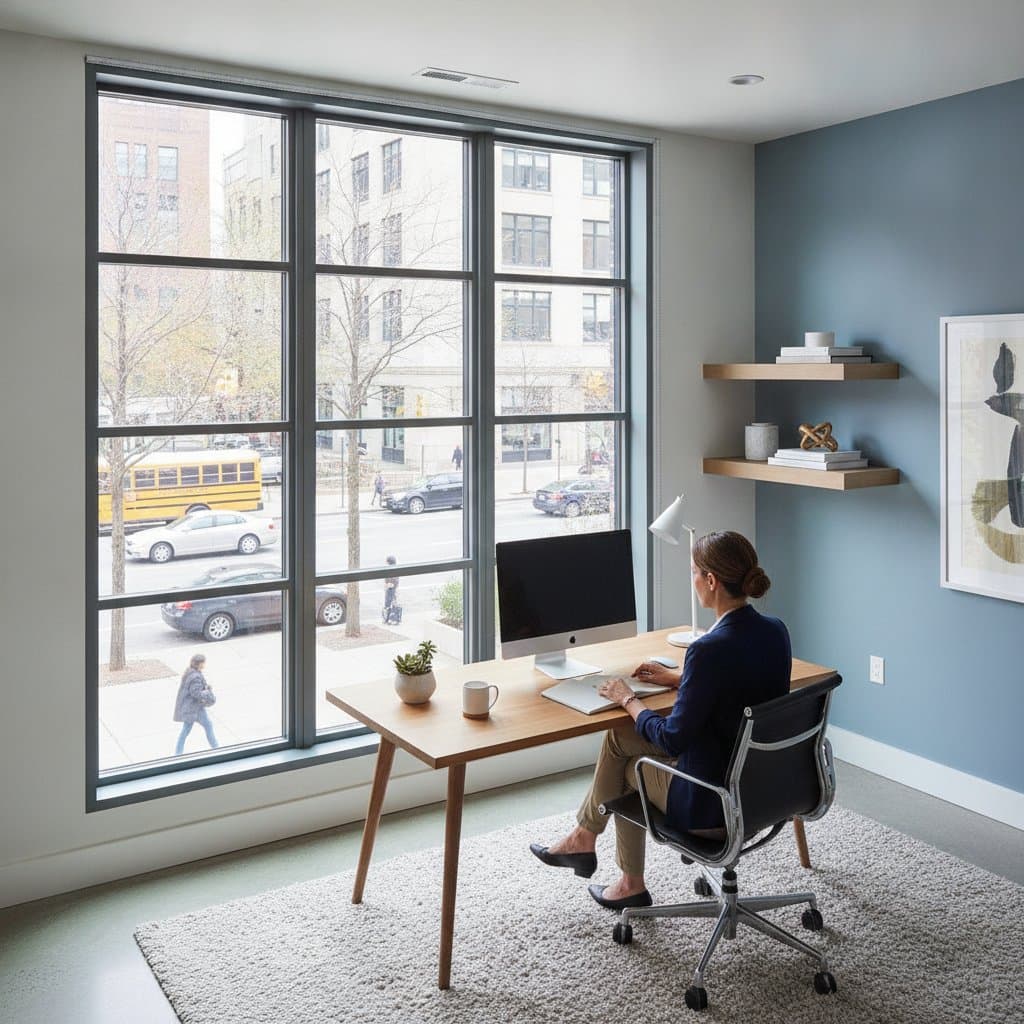
Electrochromic windows adapt environments to user needs without manual intervention. They diffuse harsh sunlight, reducing eye strain during work or leisure. Consistent indoor temperatures emerge as the glass modulates heat entry.
Productivity rises in home offices with minimized screen reflections. Families enjoy stable comfort zones, freeing attention for other tasks. The overall effect fosters a responsive home that anticipates and accommodates lifestyle patterns.
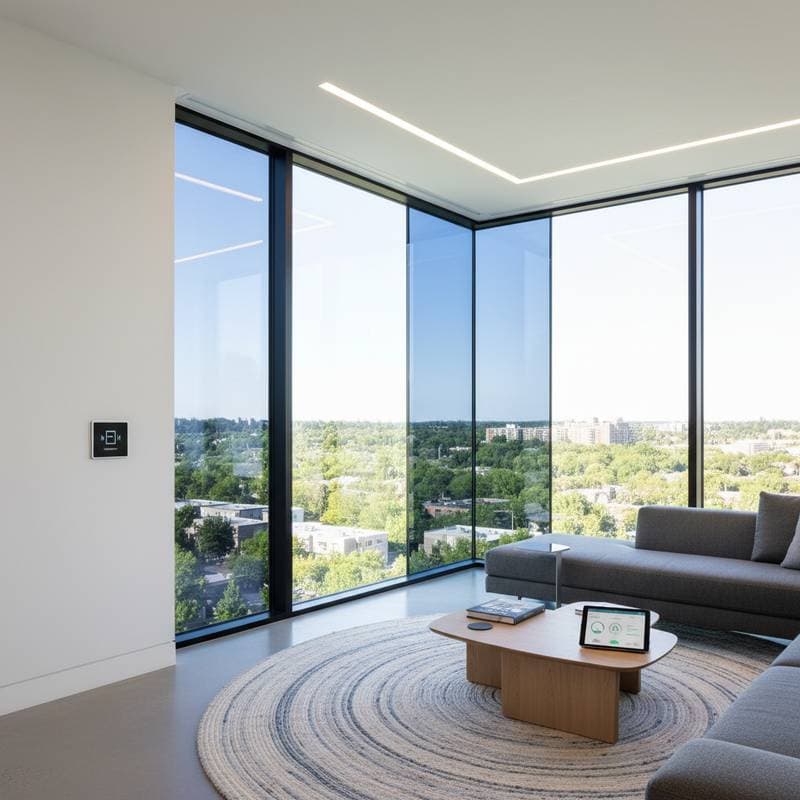
In contemporary designs, these windows accentuate architectural lines by forgoing traditional coverings. This fusion of utility and style appeals to those prioritizing sustainable, intuitive living.
Evaluating Long-Term Value
View electrochromic windows as enduring investments rather than fleeting trends. Their energy reductions offset initial costs within five to seven years, depending on climate and usage. Future-proof designs support expansions like solar integrations or multi-room controls.
For long-term residents, the upgrade boosts quality of life through sustained efficiency. Upon selling, enhanced features attract buyers valuing modern, green amenities, potentially increasing property value.
Steps to Prepare for Your Upgrade
Prospective buyers follow these actions to ensure a smooth transition:
- Research certified installers with electrochromic experience through industry associations.
- Audit home energy bills to quantify potential savings from reduced cooling.
- Consult architects on window placements that maximize light while aligning with privacy goals.
- Budget for complementary smart devices to amplify system performance.
- Review warranties covering glass, electronics, and labor for at least 10 years.
Selecting reputable brands guarantees performance that aligns with your vision for an intelligent, efficient home.