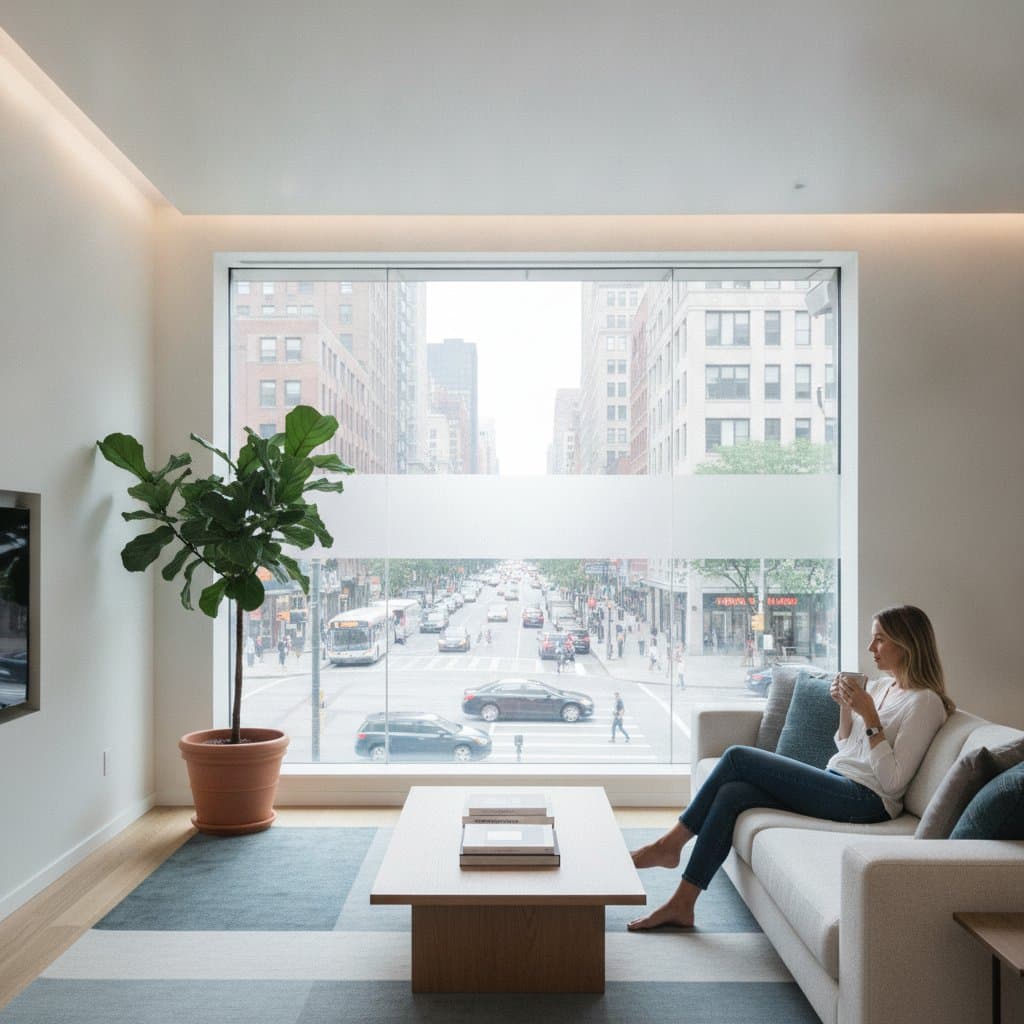
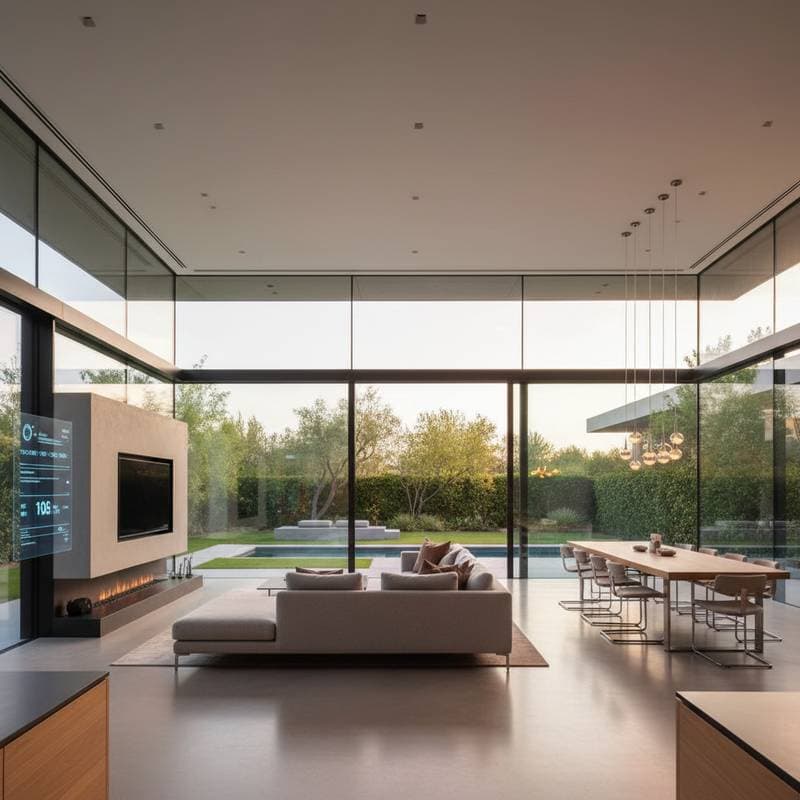
Experience Dynamic Tinting: Smart Windows for a Modern Home
Smart windows reshape how homeowners manage light, comfort, and energy use. Electrochromic glass, or dynamic tinting glass, turns ordinary windows into responsive elements that adjust to sunlight, temperature, and personal settings. This technology merges visual appeal with energy savings, fostering adaptable interiors that evolve with daily rhythms.
Understanding Electrochromic Smart Windows
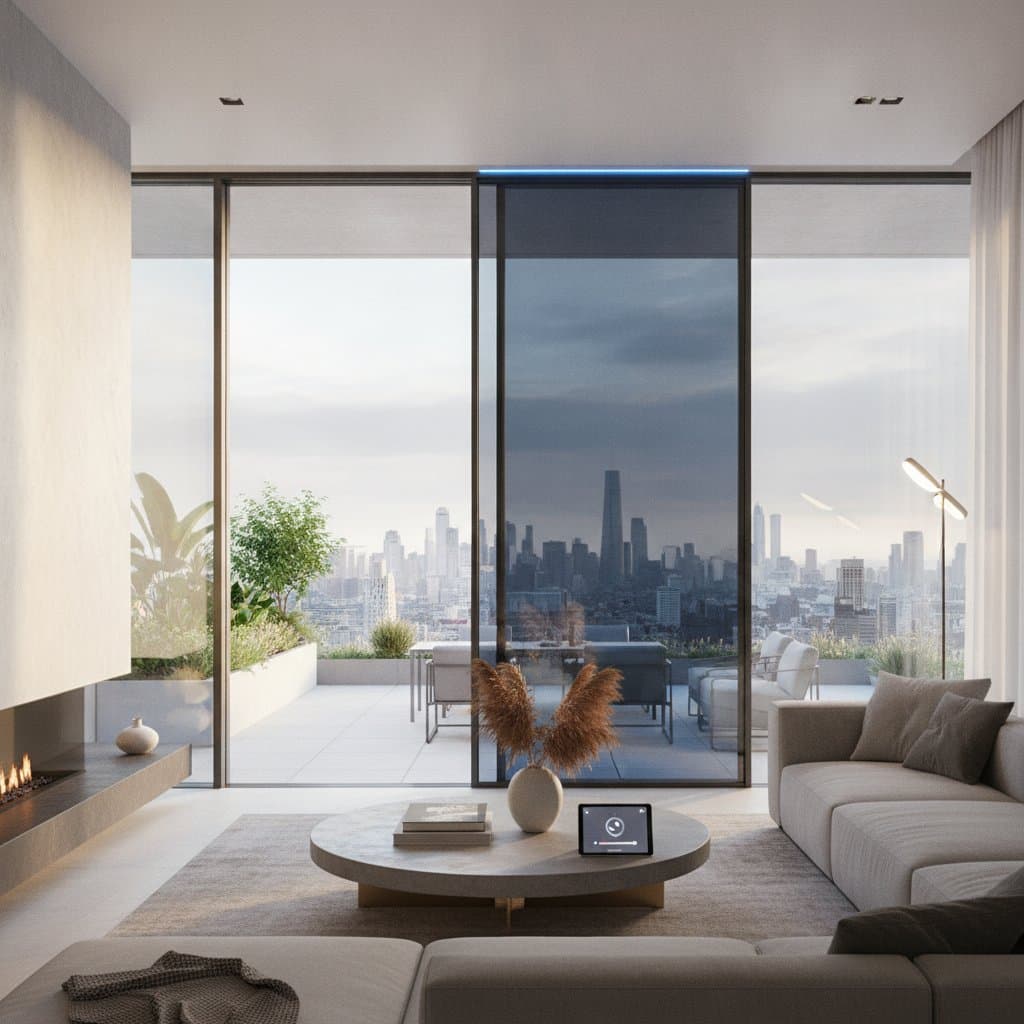
Electrochromic windows feature a multilayered design that alters transparency through a low-voltage current. The process reverses easily, shifting the glass from fully transparent to shaded states. Such adjustments control incoming light and heat, which in turn optimizes room comfort and reduces energy consumption.
This integrated approach surpasses traditional blinds or shades by embedding controls directly into the glass. Homeowners avoid bulky add-ons and gain seamless operation. Manual adjustments occur via wall panels or smartphone apps, while automated modes react to environmental sensors detecting sunlight intensity or room temperature.
Material and Performance Considerations
Electrochromic windows rely on robust glass construction and specialized coatings. Exterior layers consist of tempered or laminated glass to ensure safety and withstand impacts. Inside, a conductive film infused with metal oxides enables the tinting effect; applied voltage prompts ion movement that darkens the glass and blocks light transmission.
Manufacturers prioritize factors like transition speed, color consistency, and optical clarity. Options range from neutral grays for subtle shading to warmer bronze tones. Evaluate systems based on how quickly they tint—ideally under 30 seconds—and their resistance to fading over thousands of cycles, which determines long-term performance.
Comparing Smart Windows and Traditional Options
When upgrading windows, compare electrochromic solutions against established alternatives such as blinds, low-emissivity coatings, or films. Selection hinges on budget, desired automation, and specific needs like glare reduction or insulation.
| Option | Initial Cost | Lifespan | Maintenance | Best For |
|---|---|---|---|---|
| Electrochromic Smart Glass | High | Long | Minimal | Automated energy and light control |
| Low-E Coated Glass | Moderate | Long | Minimal | Basic thermal efficiency |
| Blinds and Shades | Low | Moderate | Moderate | Manual customization |
| Window Film | Low | Moderate | Low | Quick, affordable glare blocking |
Electrochromic glass demands higher upfront investment yet delivers superior integration and longevity. Energy reductions and eliminated upkeep often recoup costs within five to seven years.
Benefits and Trade-Offs
Electrochromic windows excel in energy conservation, privacy enhancement, and natural light optimization. They curb solar heat gain to stabilize temperatures, easing reliance on heating or cooling systems. Views remain unobstructed even as glare diminishes, preserving connection to the outdoors.
Challenges include elevated pricing, intricate setup, and variable response times. Full tinting may require one to five minutes, limiting instant adjustments. Electrical integration necessitates skilled installers to avoid performance issues.
Installation and Implementation Process
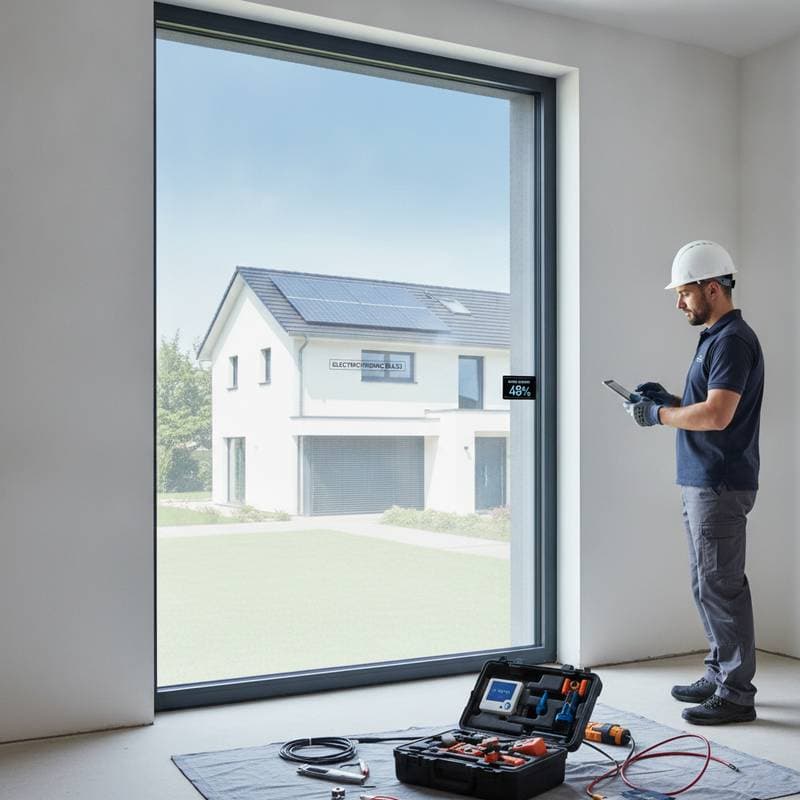
Successful installation begins with thorough site assessment to align technology with home layout.
-
Planning and Evaluation: Review window directions and peak sun exposure. Prioritize south- or west-facing units for maximum heat-blocking benefits; calculate potential energy savings using local climate data.
-
Preparation Steps: Measure frames accurately and map electrical pathways. Retrofitting existing windows might involve trimming sills or adding conduits discreetly.
-
Main Installation: Secure glass panels into frames, wire to low-voltage supplies, and link to central controllers. Apply weatherproof seals to prevent moisture intrusion and maintain efficiency.
-
Quality Assurance: Activate each window to verify even tinting and swift responses. Fine-tune sensors for optimal automation, ensuring alignment with user-defined thresholds like 75 degrees Fahrenheit for activation.
-
Completion and Follow-Up: Train residents on app navigation and troubleshooting. Schedule annual checks for wiring integrity and coating condition to sustain functionality.
Long-Term Considerations
These windows endure for 20 years or more under normal conditions, requiring only gentle cleaning with microfiber cloths and mild soap. The sealed electrochromic layer shields against dust, UV rays, and wear, minimizing service calls.
Sustainability gains emerge through decreased electricity for lighting and climate control, potentially cutting bills by 20 percent in sunny regions. Such efficiencies support eco-friendly homes without sacrificing style or usability.
Matching Lifestyle and Design Preferences
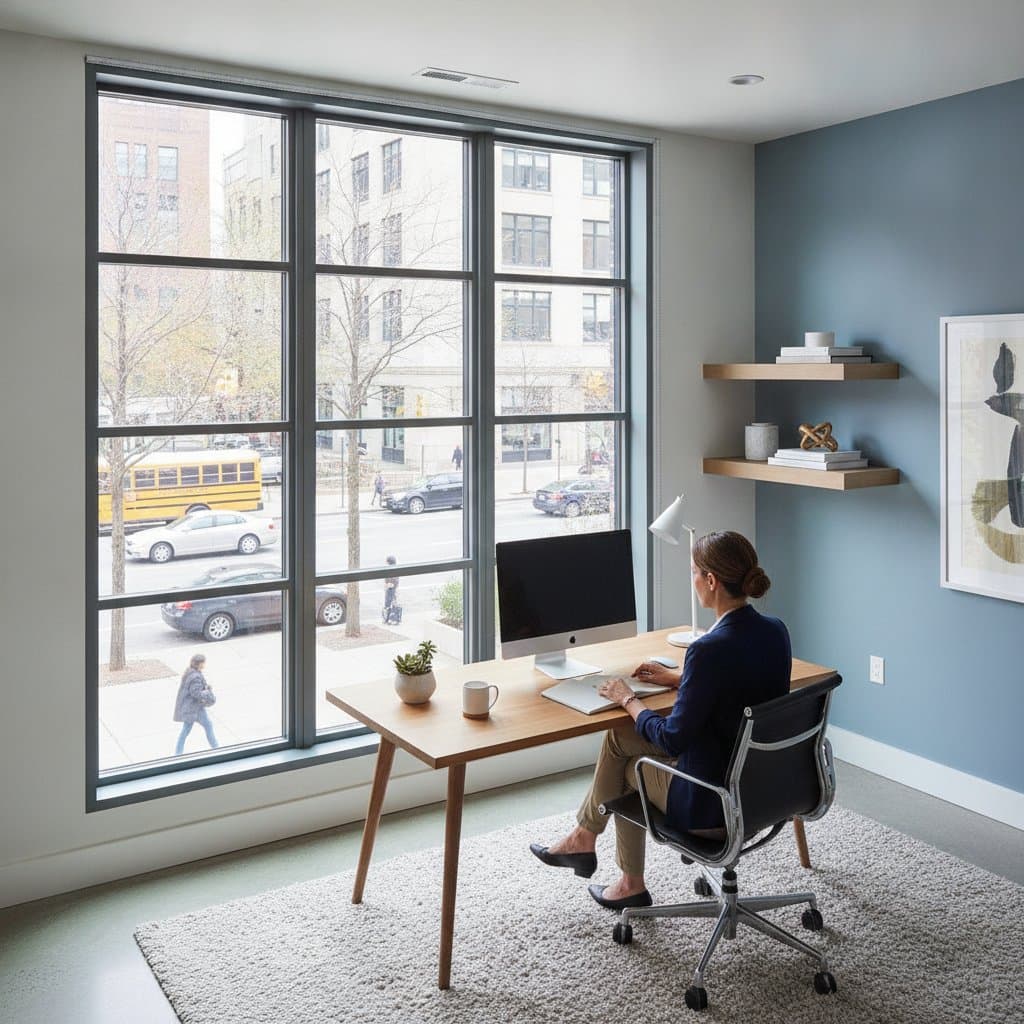
Dynamic tinting adapts to diverse spaces, from sunlit kitchens where it softens midday brightness to home offices needing consistent focus lighting. Automated cycles promote wellness by mimicking natural light patterns, reducing eye strain during extended hours.
In design terms, frameless options suit sleek, contemporary aesthetics, while custom edges blend into classic facades. Select tint shades that complement interior palettes, ensuring the technology enhances rather than disrupts visual harmony.
Integrating Smart Windows into Daily Living
Choose electrochromic windows by assessing how they fit your routine and priorities. Test samples for tint preferences and consult efficiency ratings from independent labs.
This innovation elevates homes into intuitive sanctuaries, where light and temperature respond effortlessly. Homeowners gain control over environments that promote comfort, savings, and enduring appeal.