-
Energy Savings
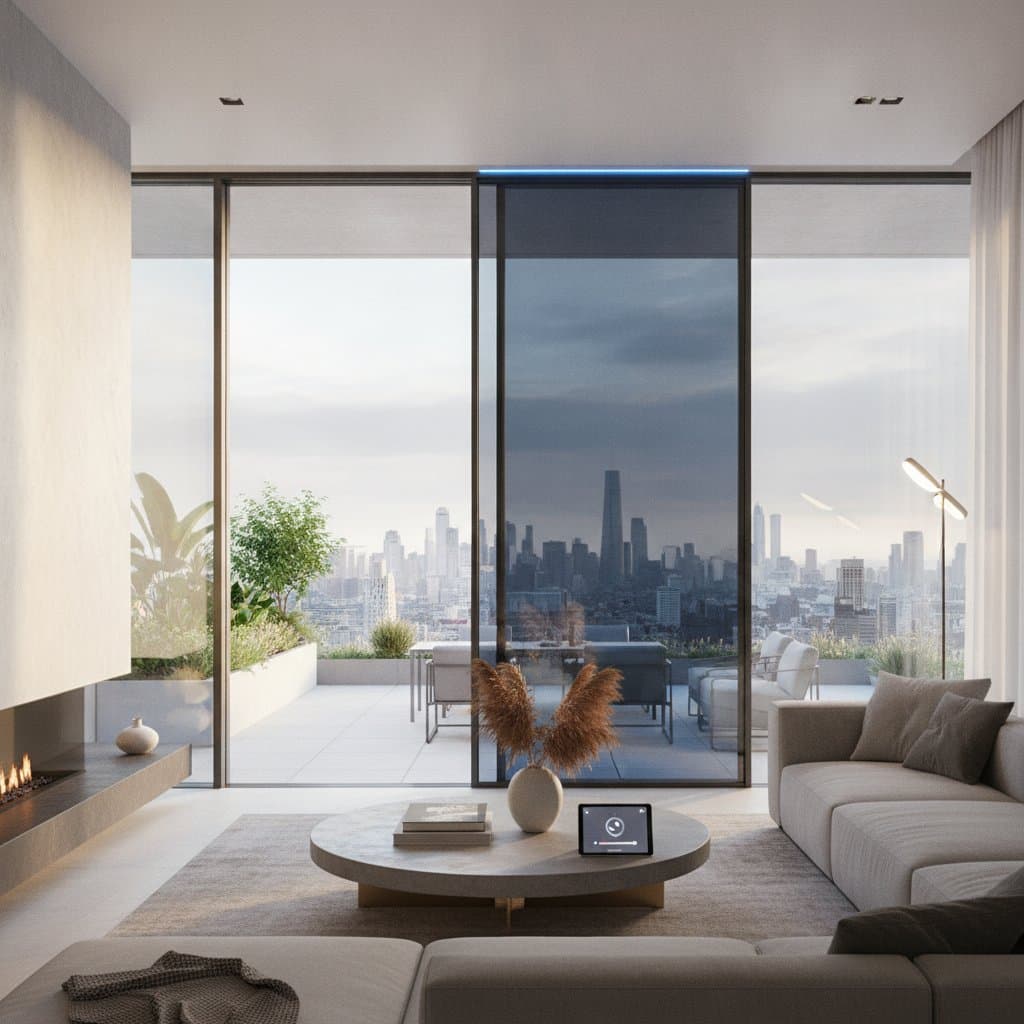
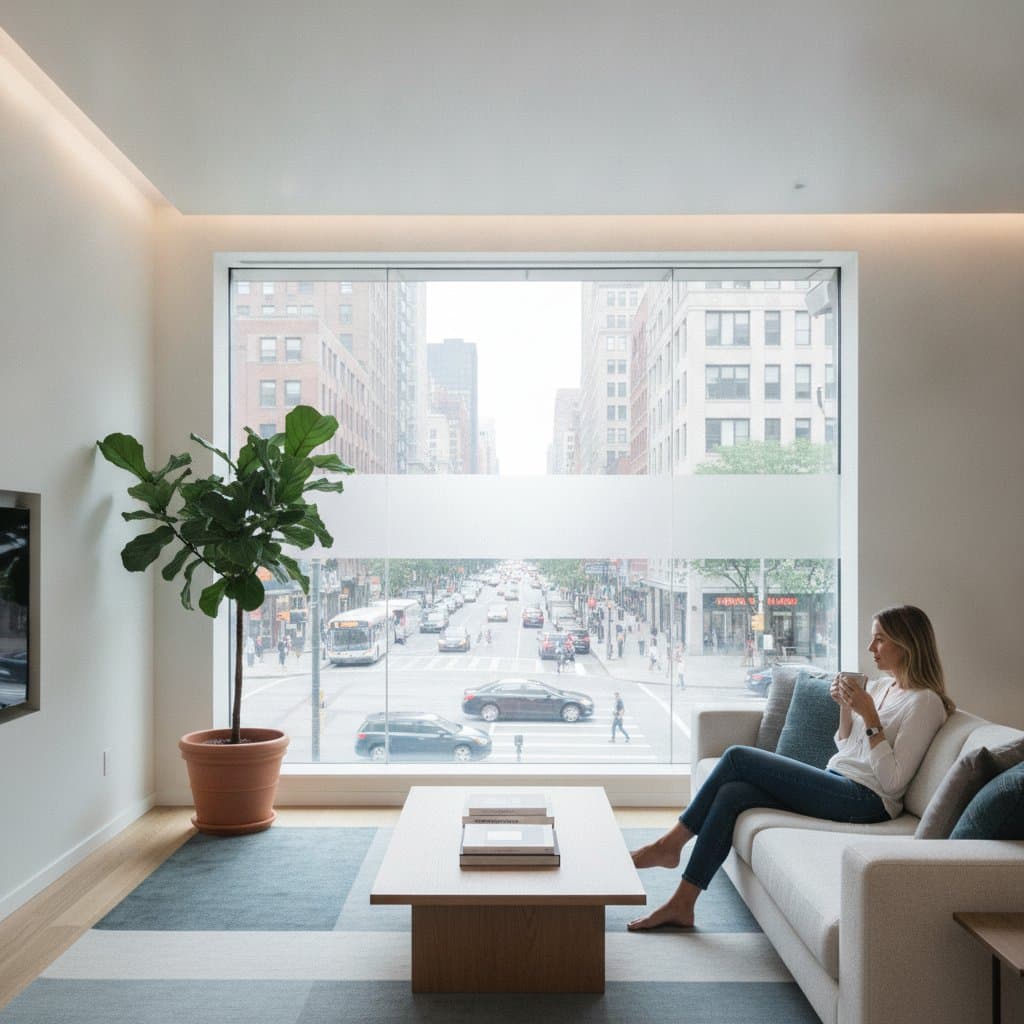
These windows limit solar heat influx in summer while permitting greater sunlight entry during winter, thus stabilizing interior temperatures. Such performance eases the burden on HVAC systems, leading to measurable reductions in energy bills over extended periods. -
Enhanced Comfort and Ease
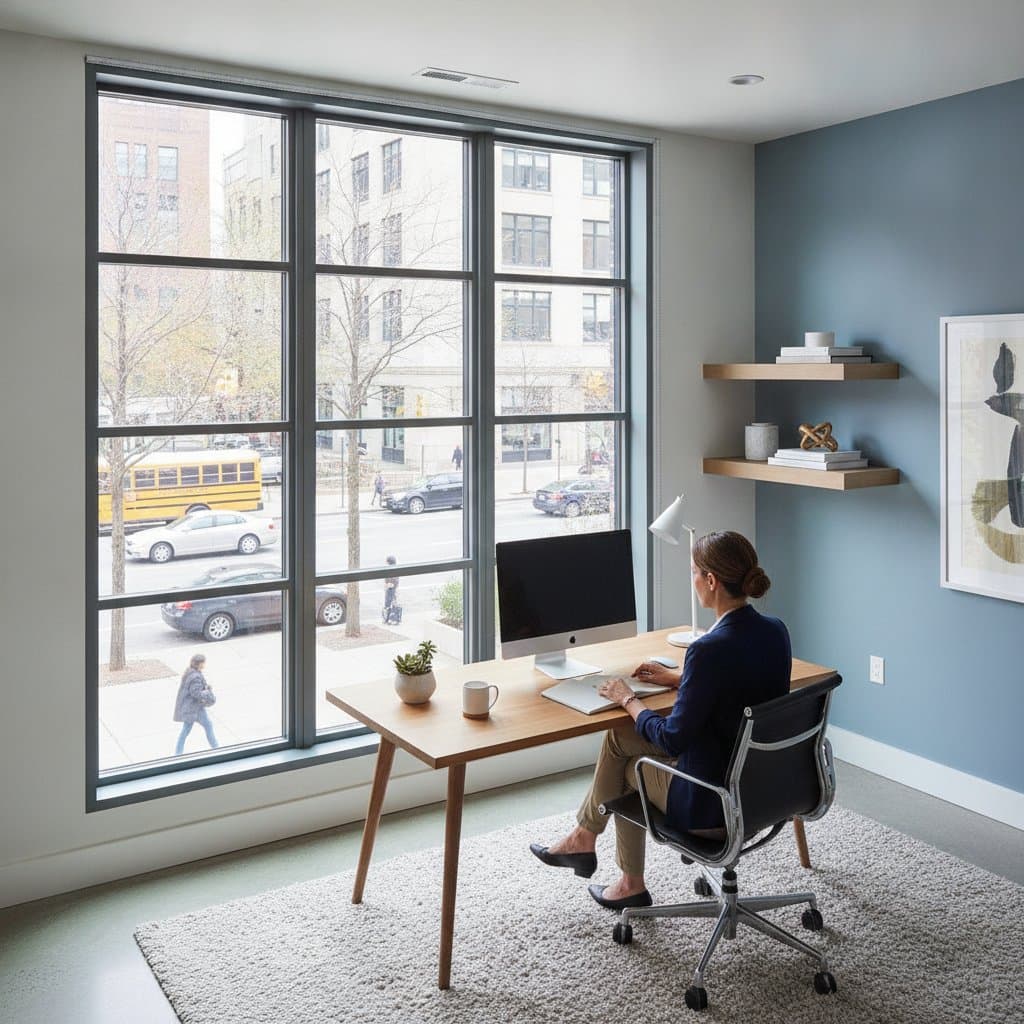
Precise regulation of illumination levels optimizes daily experiences. Users eliminate screen glare or foster subdued lighting atmospheres while preserving access to daylight. -
On-Demand Privacy
Tinting activates swiftly to provide seclusion, proving especially useful in areas like bathrooms, windows facing public views, or rooms requiring variable opacity. -
Design Versatility
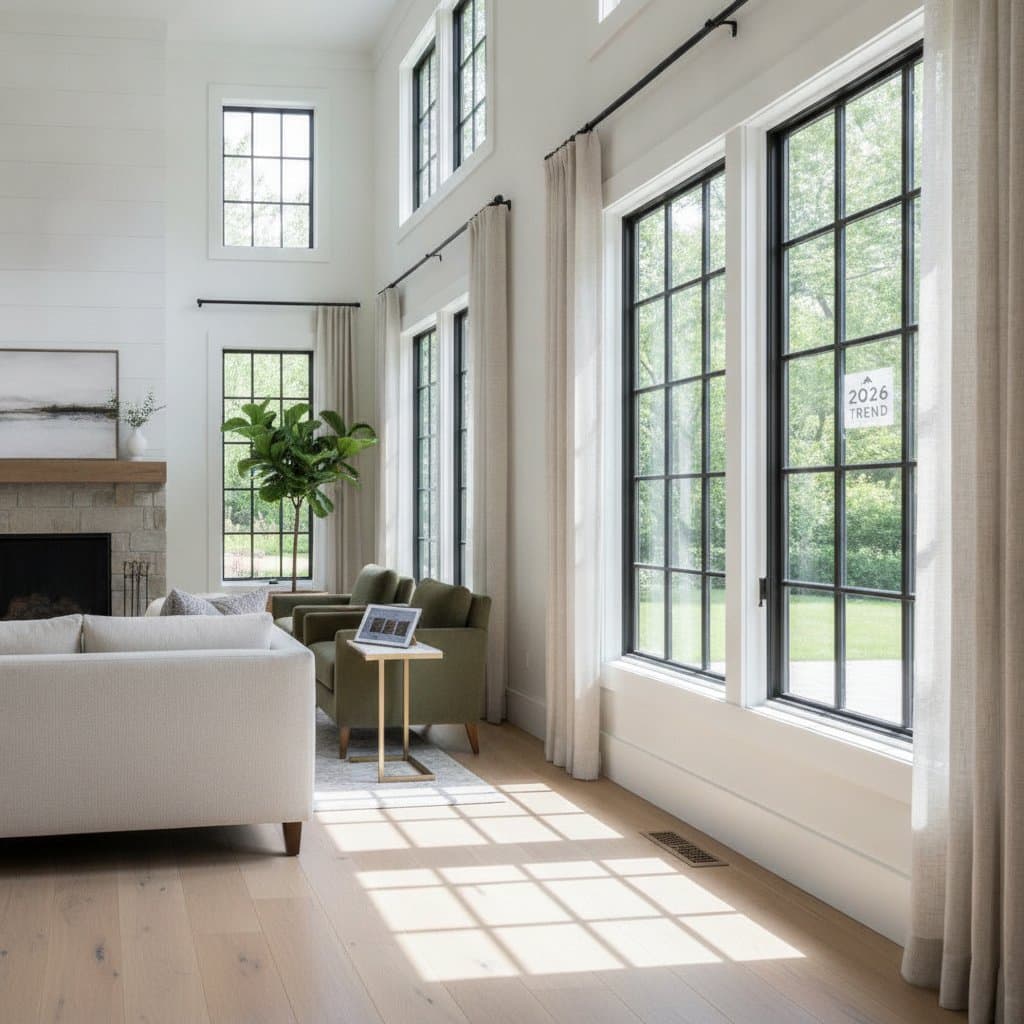
The streamlined appearance of bare windows complements current architectural trends. Eliminating conventional coverings streamlines room arrangements and accentuates structural elements.
Evaluating Available Configurations
Electrochromic windows appear in diverse forms, such as fully integrated panels, retrofit films, and hybrids that pair electrochromic elements with thermal insulation. Selection depends on financial considerations, intended use, and setup demands.
| Configuration | Upfront Expense | Durability | Upkeep Needs | Ideal Applications |
|---|---|---|---|---|
| Integrated Panels | Elevated | Extended | Low | New builds or comprehensive renovations |
| Retrofit Films | Reasonable | Average | Periodic adjustments | Upgrading current windows |
| Hybrid Insulated Panels | Elevated | Extended | Low | Renovations prioritizing thermal performance |
Integrated panels deliver superior efficiency and endurance, whereas retrofit films enable experimentation with the technology at reduced initial outlay.
Installation Process Overview
-
Initial Assessment and Design
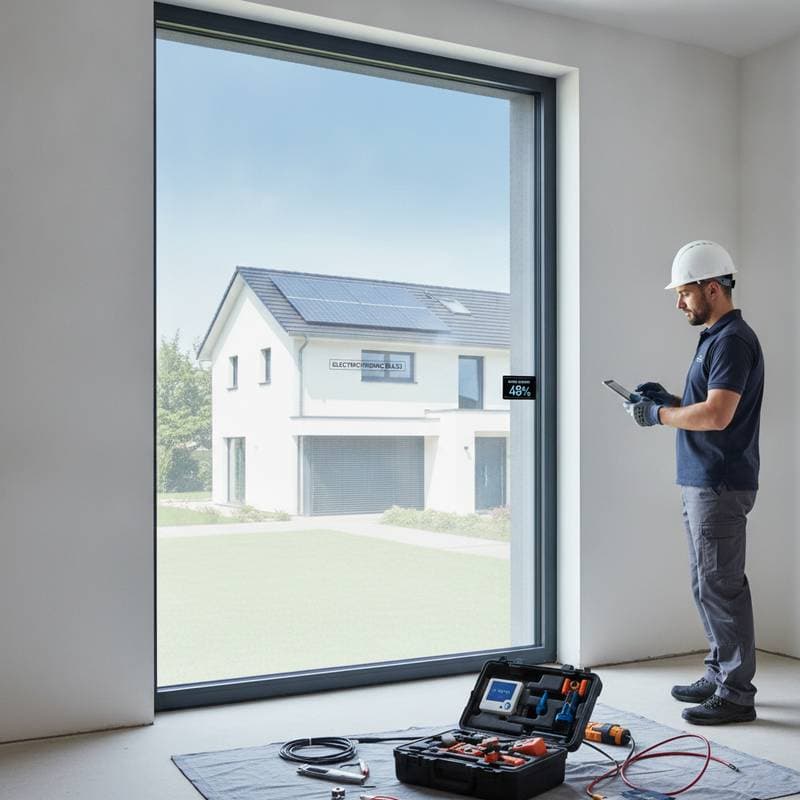
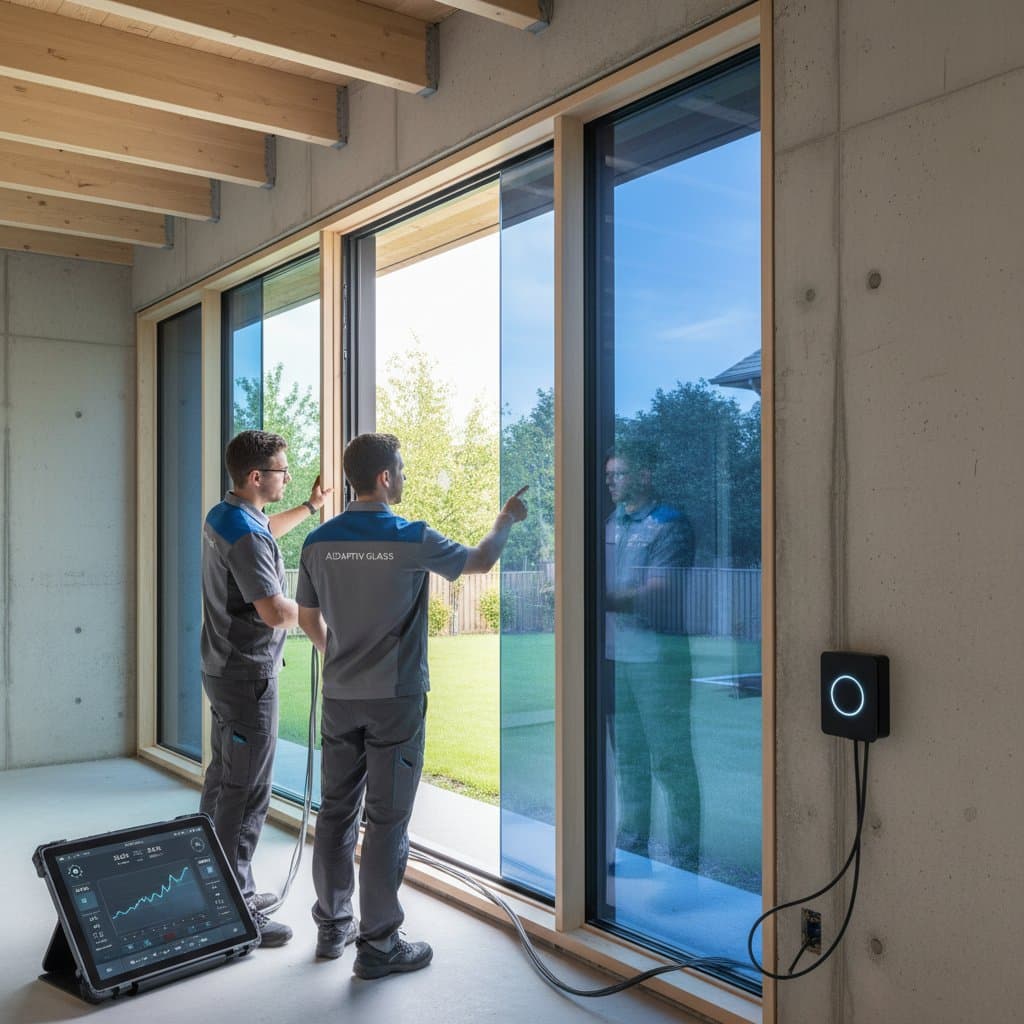
Professionals evaluate window alignments, local weather patterns, and electrical infrastructure. Accurate wiring placement proves crucial, as each section demands a low-voltage supply. -
Site Preparation
Measurements of current frames occur with precision. For retrofit applications, thorough cleaning and surface checks guarantee secure attachment of the electrochromic coating. -
Core Assembly
Installation involves securing the glass or film, sealing connections, and programming control mechanisms. Contemporary setups often link to smart home ecosystems for remote or voice-activated operation. -
Performance Testing
Experts confirm even tint distribution, validate electrical functionality, and inspect for any optical irregularities on the surface. -
Finalization and Support
Owners gain instructions on usage and care. Ongoing evaluations ensure stable power delivery and reliable interface responses.
Sustaining Performance Over Time
Electrochromic glass longevity hinges on steady voltage management and airtight seals. Reputable producers project decades of service with expert installation. Maintenance routines remain straightforward; users simply avoid harsh cleaners. Those pursuing eco-friendly upgrades value this option for diminishing reliance on powered shades and curbing air conditioning needs.
Selecting the Optimal System
Decision-making for electrochromic setups requires alignment with design objectives, regional climate, and automation preferences. In sunny coastal zones, robust tint capabilities offer superior heat deflection. Temperate areas benefit from balanced controls that harmonize daylight with efficiency gains.
Steps to Plan Your Upgrade
Prospective buyers benefit from obtaining detailed energy simulations from installers or vendors. These analyses contrast anticipated cost reductions with setup expenses, clarifying potential financial returns.
Integrating Smart Windows into Daily Life
Electrochromic windows transcend mere aesthetics; they reshape interactions with natural light and interior spaces. This integration delivers sustained comfort, operational efficiency, and refined sophistication through a unified technological framework.