The $8K Smart Windows Revolutionizing Homes by 2026
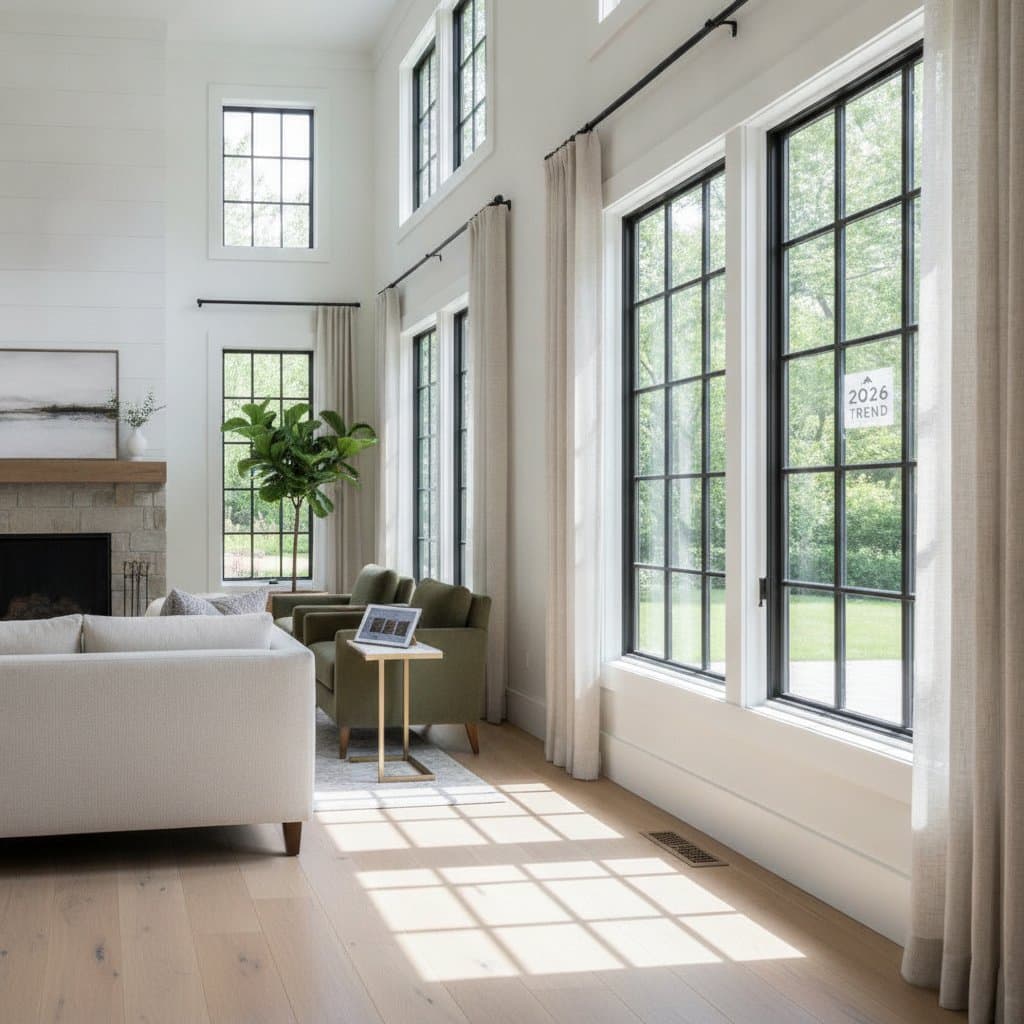
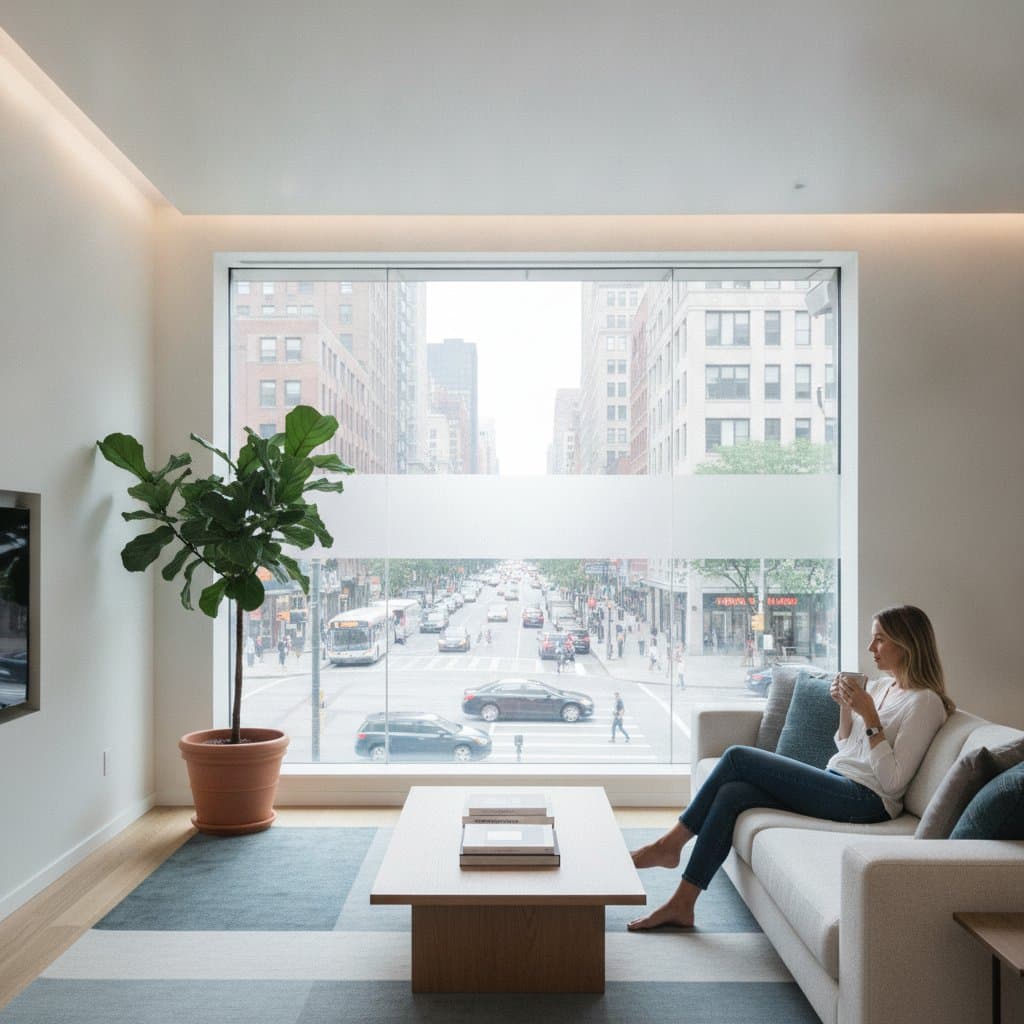
Smart windows that incorporate electrochromic glass alter the way homeowners approach comfort, privacy, and energy management. Previously viewed as a futuristic concept, these intelligent surfaces now integrate into everyday residences, merging innovative design with reliable functionality. With an average installation cost of eight thousand dollars, this technology emerges as a feasible enhancement for individuals who prioritize elegance and environmental responsibility.
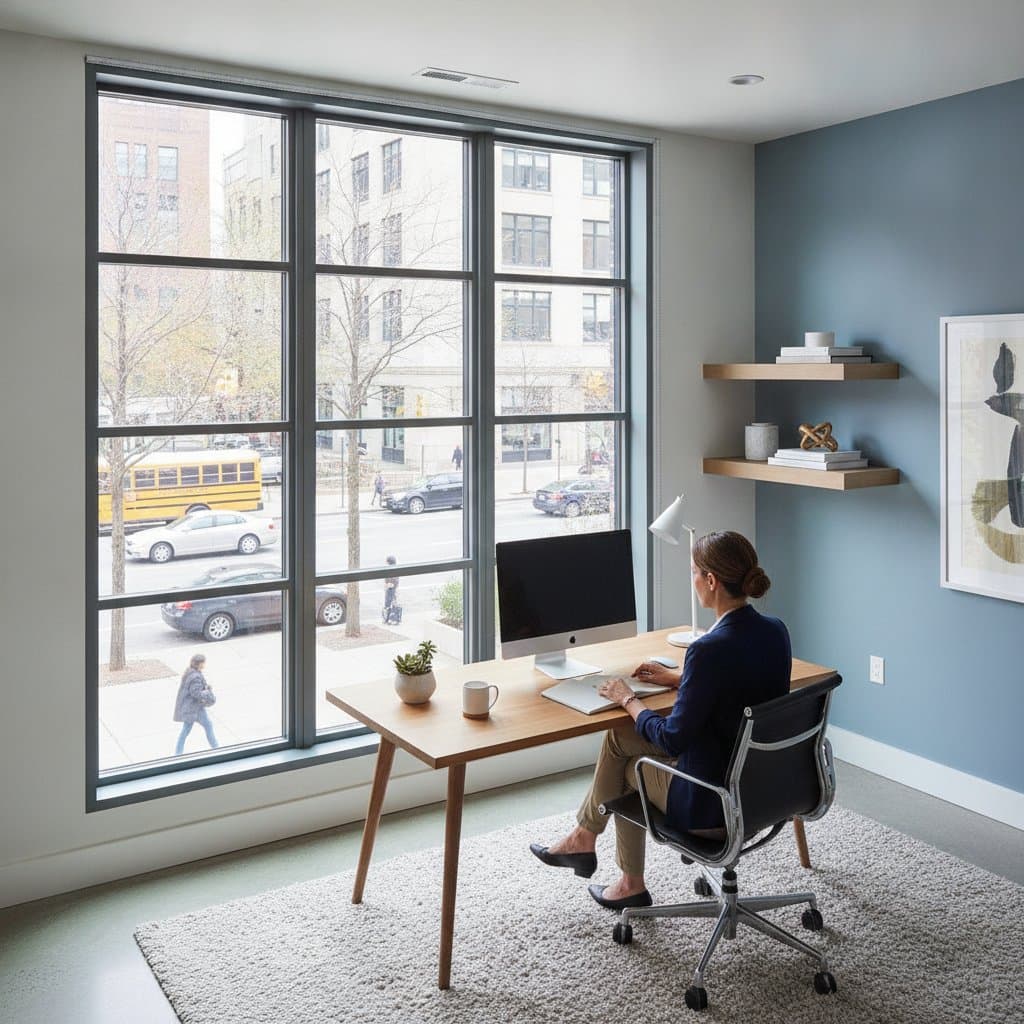
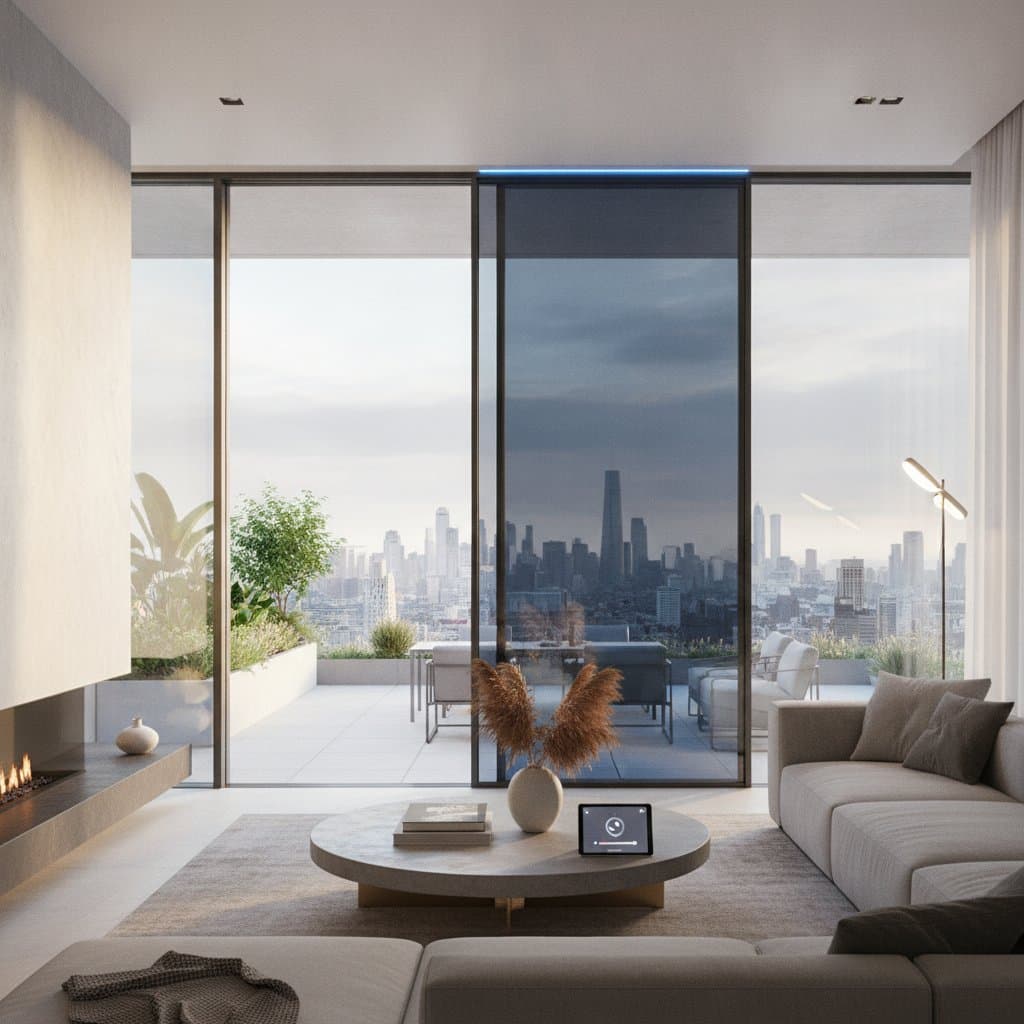
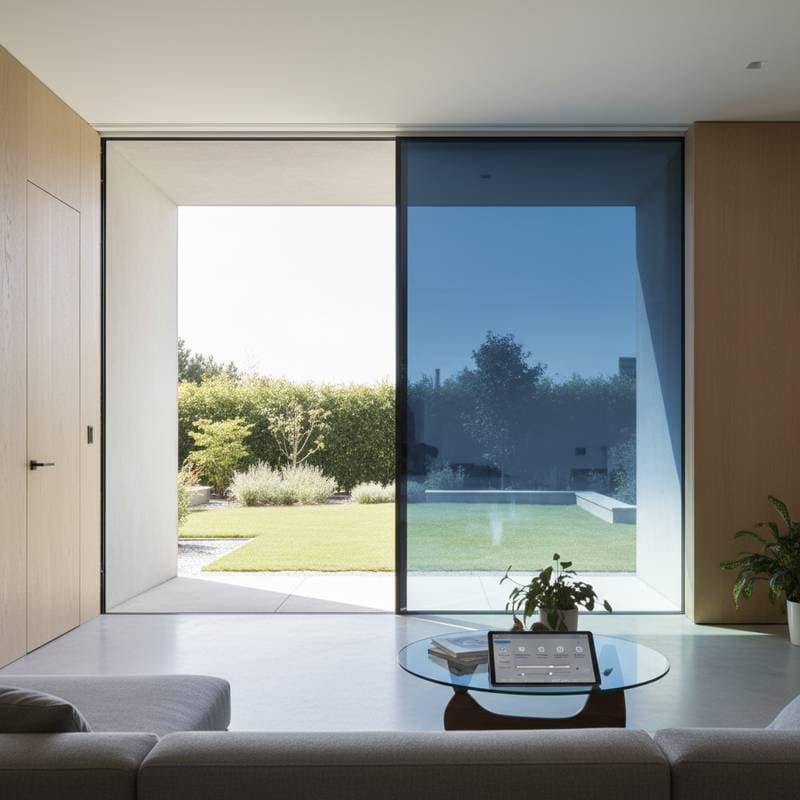
Electrochromic glass modifies its tint either automatically or via smart control systems, enabling residents to regulate light and heat without relying on blinds or shades. This adjustment yields a streamlined, contemporary exterior alongside a more pleasant interior environment. In addition to everyday ease, the technology excels in energy conservation and preserves scenic views while minimizing glare. Such advancements shift residential architecture from a fixed state to a responsive one that adapts to daily variations in light and temperature.
Three Ways to Get This Look
Save Approach ($5,000 - $8,000)
- Install electrochromic glass selectively on primary south-facing windows, while retaining standard double-pane glass in secondary locations.
- Integrate wired control systems with an established home automation platform, avoiding the expense of comprehensive wireless setups.
- Allocate resources to oversized windows in communal spaces, targeting zones where glare reduction and heat management deliver the most noticeable benefits.
Mid-Range Approach ($8,000 - $12,000)
- Pair electrochromic glass with low-emissivity coatings to enhance thermal insulation and overall performance.
- Incorporate a blend of manual overrides and automated tint adjustments for versatile operation.
- Specify frames in black aluminum or dark bronze finishes to accentuate the modern profile, ensuring longevity with low upkeep requirements.
Invest Approach ($12,000 - $20,000)
- Implement complete home integration featuring voice-activated or app-based controls, solar energy sources, and room-specific zoning capabilities.
- Select laminated electrochromic panels that dampen external noise and bolster security measures.
- Incorporate custom tint gradients to add architectural interest and fine-tune natural daylight distribution across spaces.
Material and Finish Guide
- Windows: Electrochromic glass paired with dual or triple glazing elevates insulation and energy performance. Frame options in matte black, dark bronze, or brushed nickel align with contemporary and modern farmhouse aesthetics. For traditional residences, opt for slim-profile white or beige aluminum-clad frames that preserve heritage appeal while accommodating advanced features.
- Doors: Integrate smart glass panels into front or patio doors for on-demand privacy adjustments. Program frosted or smoked tint levels to vary transparency as needed. Composite or fiberglass door constructions offer robust insulation and coordinate seamlessly with metallic hardware in graphite or satin nickel tones.
- Siding: Complement the innovative essence of smart windows with smooth fiber cement panels, vertical metal siding, or wood-inspired composites. Neutral shades such as light gray, soft taupe, and warm white serve as ideal bases that emphasize the glass elements.
- Trim and Accents: Streamline trim profiles to spotlight the glass surfaces. Employ slim black or charcoal trim to frame windows as focal points. For added warmth, integrate stained cedar or engineered wood details around entrances.
Maintenance Reality Check
Electrochromic windows demand significantly less upkeep compared to traditional systems involving shades or blinds. Clean the glass surfaces using mild detergent and soft cloths, similar to routine window care. Manufacturers seal electronic elements within the units to shield them from moisture and debris.
Schedule regular checks of wiring connections or solar components, particularly in regions prone to high humidity or prolonged sun exposure. Although replacement expenses exceed those of standard windows, the elimination of additional coverings, superior insulation, and decreased cooling demands offset the initial outlay over the product's lifespan.
Avoid These Mistakes
- Over-tinting every window: The urge to equip all windows with smart glass may escalate expenses unnecessarily. Prioritize installations in sun-exposed or privacy-critical areas to maximize efficiency.
- Ignoring frame quality: Electrochromic technology functions optimally with insulated, thermally broken frames. Basic aluminum frames lacking thermal barriers risk condensation buildup and energy leakage.
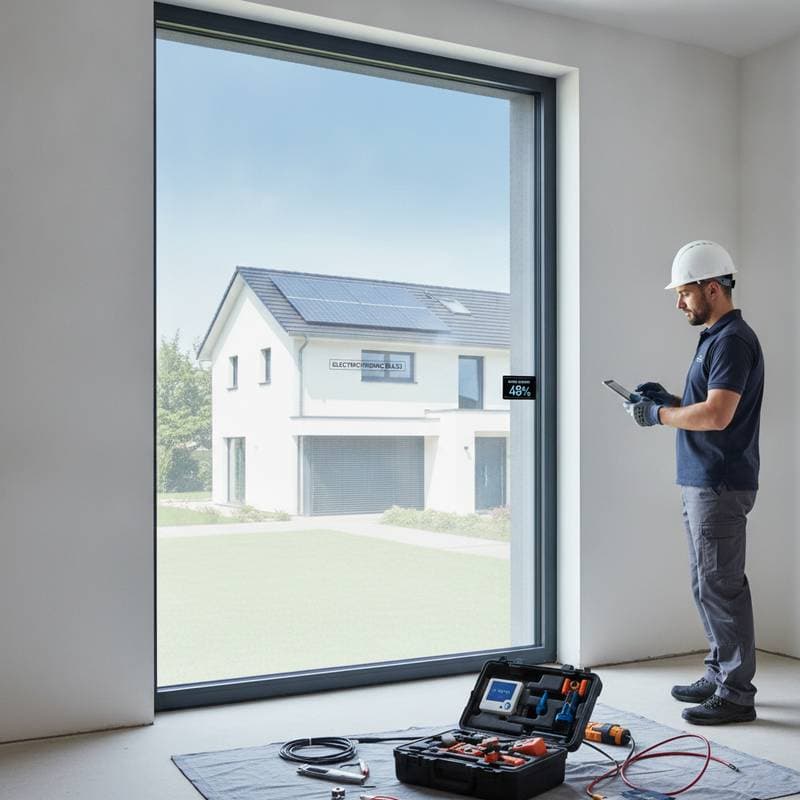
- Skipping professional calibration: Amateur setups frequently result in suboptimal tint levels, leading to inconsistent hues or sluggish responses. Engage certified professionals to complete the configuration for peak performance.
Color and Style Coordination
Electrochromic glass integrates effortlessly with modern and transitional design schemes. To achieve unified exteriors, select color schemes that amplify the glass's reflective properties:
Suggested Palette:
- Charcoal Black (for trim and frames)
- Soft Graphite (for siding)
- Pale Silver (for metal accents)
- Warm Oak (for entry doors or decking)
- Cloud White (for eaves and fascia)
This selection merges technical sophistication with organic elements, yielding a versatile appearance suitable for urban or suburban contexts.
Coordinating Smart Windows with Exterior Design
Preserve overall harmony by matching window sizes and positions to the home's architectural flow. Contemporary structures thrive with expansive, seamless panes that underscore geometric simplicity. Traditional homes gain from divided-lite designs or faux grids that retain stylistic integrity amid technological upgrades.
Exterior lighting contributes to the ensemble. Install sconces in matte black or brushed steel to reflect the glass's tint variations, delivering inviting glow after dark. Align door hardware and garage finishes with frame colors to foster seamless visual links.
Planning Photography Checklist
Prior to selecting smart glass, record your home's existing exterior and interior light patterns. These visuals aid in identifying high-impact zones for dynamic tinting. Include the following in your documentation:
- Current exterior photos captured from various perspectives under diverse lighting scenarios.
- Architectural features and elements that dictate scale and equilibrium.
- Local neighborhood aesthetics and any homeowners association guidelines that constrain changes.
- Regional climate factors, including solar exposure, snow accumulation, or marine humidity.
- Financial limits and key priorities to optimize returns on each enhancement.
Integrating Technology for Everyday Benefits
Electrochromic glass marks a pivotal evolution beyond mere innovation. It redefines how residents interact with natural light, privacy, and climate control through simple commands or preset routines. These windows fuse architectural elegance with intelligent functionality.
Priced at approximately eight thousand dollars, the solution appeals to those who seek both visual appeal and operational excellence. Applied to highlight windows or entire elevations, electrochromic glass reshapes the interplay between interior spaces and surrounding landscapes, enhancing daily living with precision and ease.