Windows That Adapt: The 2026 Home Upgrade
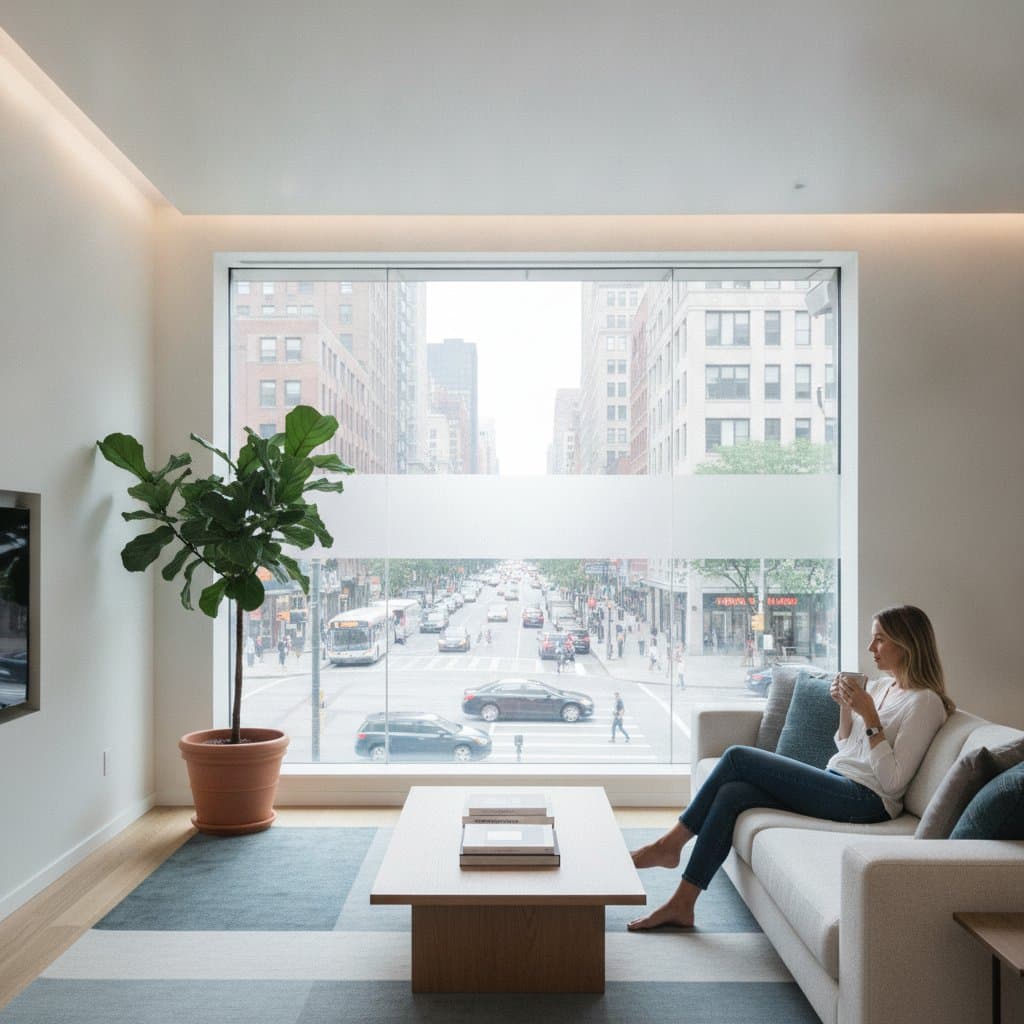
Homeowners seeking intelligent and energy-efficient enhancements increasingly turn to electrochromic windows. Known also as auto-dimming windows or smart glass, these advanced systems modify their tint levels to regulate incoming light and heat. Such functionality provides superior comfort, reduced utility expenses, and enhanced privacy, all without relying on traditional blinds or curtains.
For those contemplating a significant renovation or new construction, a clear grasp of the mechanics, expenses, and installation procedures for these self-tinting windows proves essential. This knowledge enables informed decisions aligned with specific home improvement objectives.
Mechanics of Self-Tinting Glass
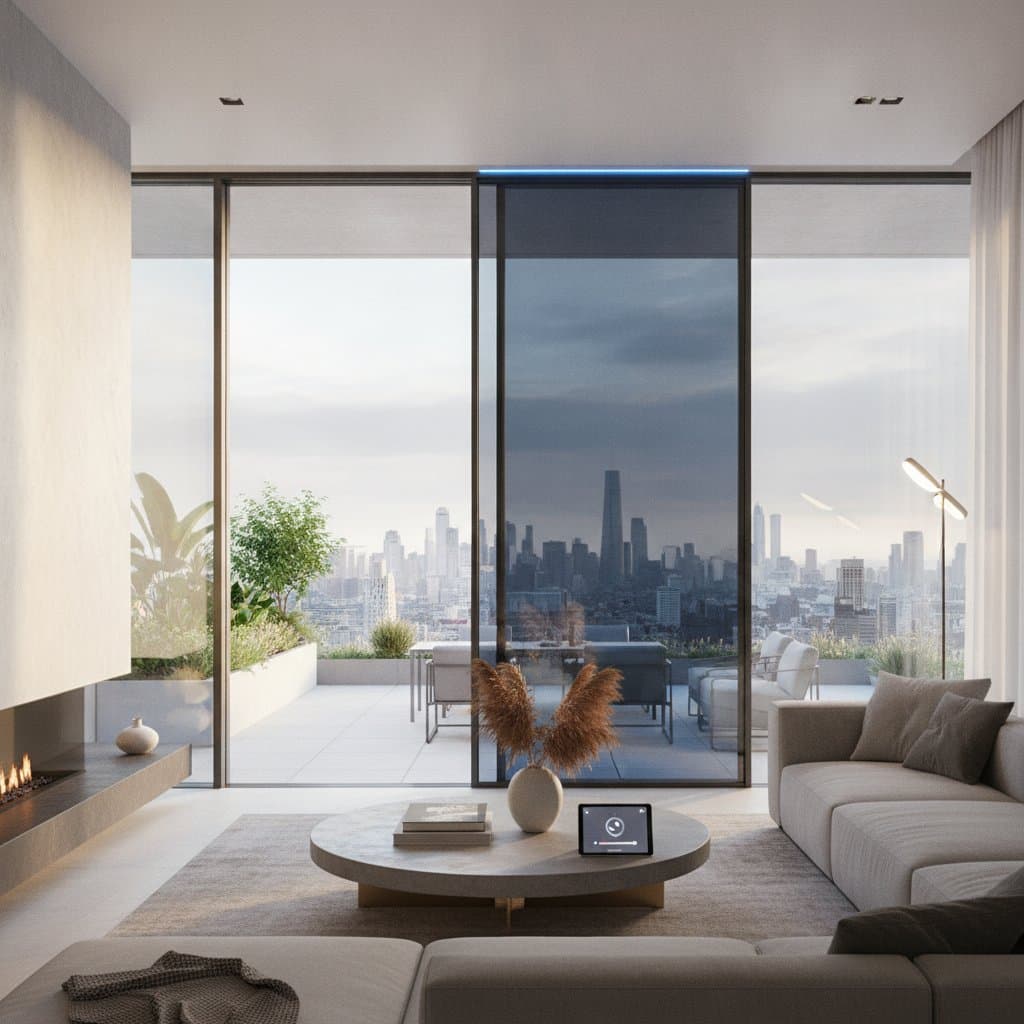
Electrochromic windows incorporate a specialized coating on the glass surface that alters opacity upon application of a low electrical voltage. Users manage this feature via a wall-mounted switch, remote control, or mobile application. Certain models integrate with broader smart home ecosystems, enabling automatic adjustments triggered by factors such as sunlight intensity, indoor temperature, or predefined schedules.
In its transparent state, the glass permits abundant natural daylight while filtering out nearly all harmful ultraviolet radiation. Upon tinting, it diminishes glare and solar heat gain by over 70 percent. The energy required for this operation remains minimal, typically under a few watts per window, ensuring overall efficiency.
Unlike systems with mechanical components, smart glass employs layered conductive materials embedded between glass panels that react to electrical impulses. The shift from clear to tinted typically occurs within minutes, influenced by the window's dimensions and ambient temperature. This seamless process enhances user experience without visible mechanisms.
Electrochromic Glass Versus Traditional Options
Evaluating electrochromic systems against conventional windows involves examining key performance and financial aspects. The following comparison highlights differences in functionality and value.
| Feature | Electrochromic (Smart Glass) | Standard Double-Pane | Low-E Coated |
|---|---|---|---|
| Light Control | Adjustable tint through app or automation | Fixed transparency | Limited tint control |
| Energy Efficiency | High, with 15 to 30 percent savings | Moderate | High |
| Privacy | Instant tinting on demand | Needs blinds or curtains | Needs blinds or curtains |
| UV Protection | Up to 99 percent | Up to 70 percent | Up to 85 percent |
| Maintenance | Low, absent mechanical parts | Low | Low |
| Cost per Square Foot | $75 to $150 | $25 to $45 | $35 to $60 |
Standard windows offer lower upfront costs, yet individuals prioritizing environmental responsibility, automation, or contemporary styling frequently deem the premium for smart glass worthwhile. Over time, the energy reductions and ease of use offset the initial outlay.
Installation Procedures and Schedule
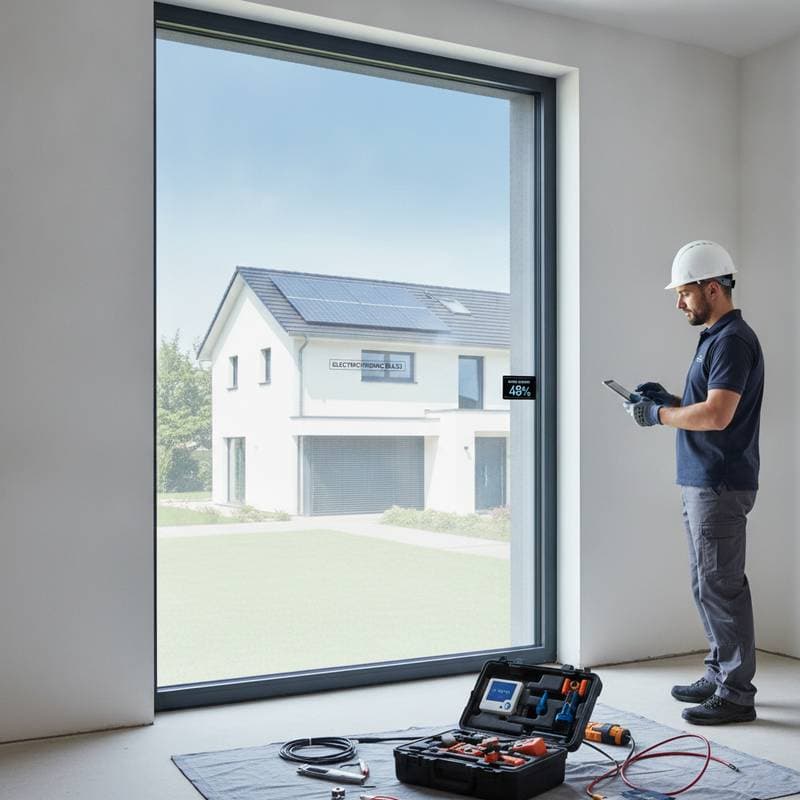
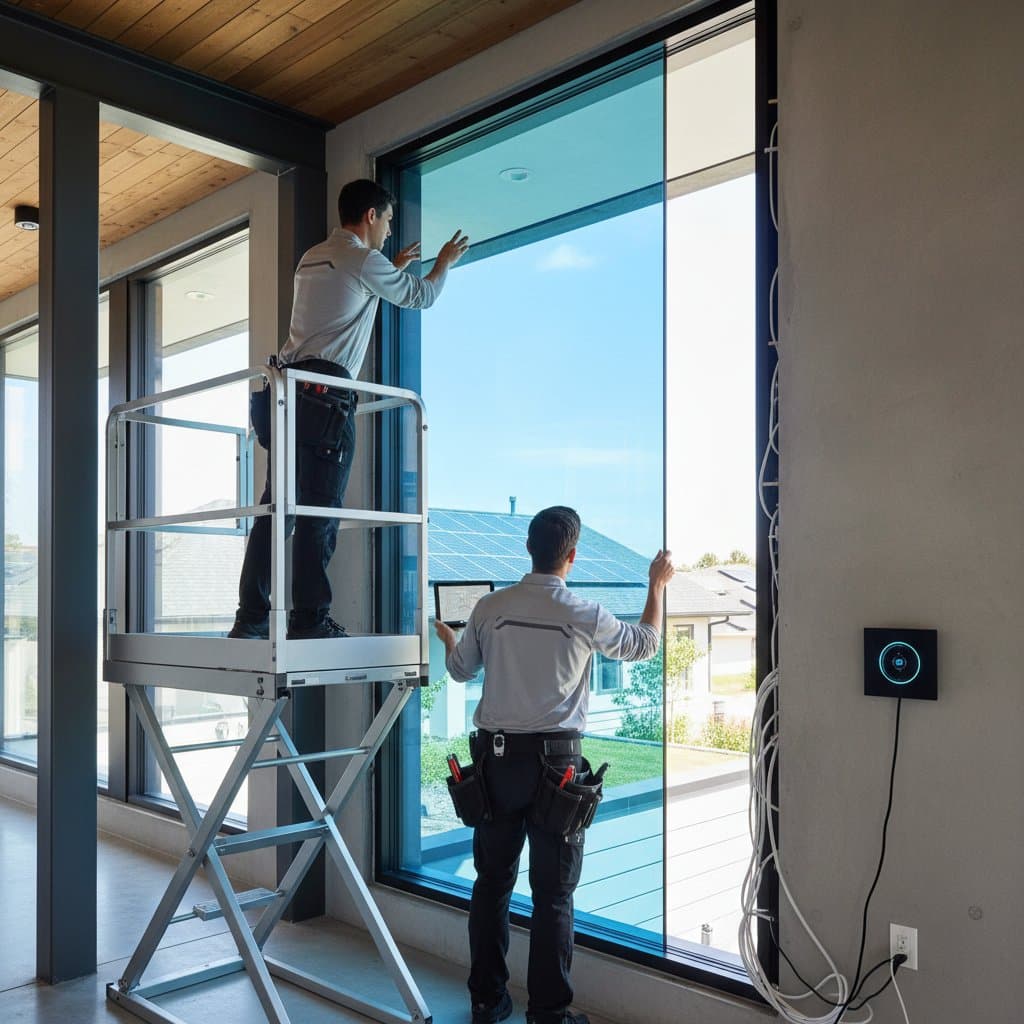
The installation of electrochromic windows demands proficiency in glazing and electrical systems. Professional installers, often certified specialists, collaborate with electricians to integrate the setup with control units or existing home automation networks.
The procedure unfolds in structured phases:
-
Site Assessment and Measurement: A contractor inspects current window frames, evaluates wiring capabilities, and analyzes sunlight patterns to recommend suitable configurations.
-
System Selection: Owners select specifications including glass thickness, tinting spectrum, and preferred control interfaces.
-
Site Preparation and Demolition: Existing windows receive removal, and frames undergo preparation. Installers may incorporate electrical conduits or low-voltage cabling during this phase.
-
Fitting and Electrical Integration: Smart glass units install into frames with secure sealing, akin to standard procedures. Connections link to the central control system.
-
Verification and Setup: Technicians perform functionality tests on each window, measure response times, and configure automated features.
Residential projects generally span one to two weeks, varying with the number of windows and property configuration. Planning ahead minimizes disruptions.
Upkeep and Durability
Compared to motorized shades or blinds, smart glass demands minimal maintenance. Essential routines include:
-
Routine Cleaning: Apply a gentle glass cleaner with a microfiber cloth to eliminate residues and maintain clarity.
-
Connection Inspections: Periodically verify electrical links and control mechanisms for reliability, ideally every few months.
-
Firmware Enhancements: Update software for app-based controls to ensure ongoing compatibility with smart home platforms.
Warranties from manufacturers commonly extend 10 to 20 years, covering the electrochromic coating and pane integrity. The absence of moving parts reduces failure risks and sustains low ongoing expenses.
Sustainability Advantages
By optimizing natural light and thermal regulation, smart glass advances eco-friendly practices. In warmer periods, tinted states prevent excessive heat buildup, easing demands on cooling systems. In colder seasons, clear modes facilitate passive solar warmth, supporting heating efficiency.
This adaptive capability curtails dependence on artificial illumination and climate control, thereby decreasing associated carbon emissions from residential energy consumption. For those pursuing certifications in green construction, such as LEED, electrochromic installations contribute credits toward energy performance and sustainable design criteria.
Steps to Implement Smart Windows
To initiate the adoption of auto-dimming windows in an upcoming project, consult a qualified local glazing professional experienced in smart technologies. Obtain comprehensive estimates encompassing materials, labor, and potential electrical modifications. Assess your property's power infrastructure for compatibility and explore synergies with current smart home setups.
Consider consulting multiple providers to compare options and timelines. This preparation ensures a smooth integration that maximizes the technology's benefits for your living space.