The Value of an $8,000 Smart Glass Window Upgrade
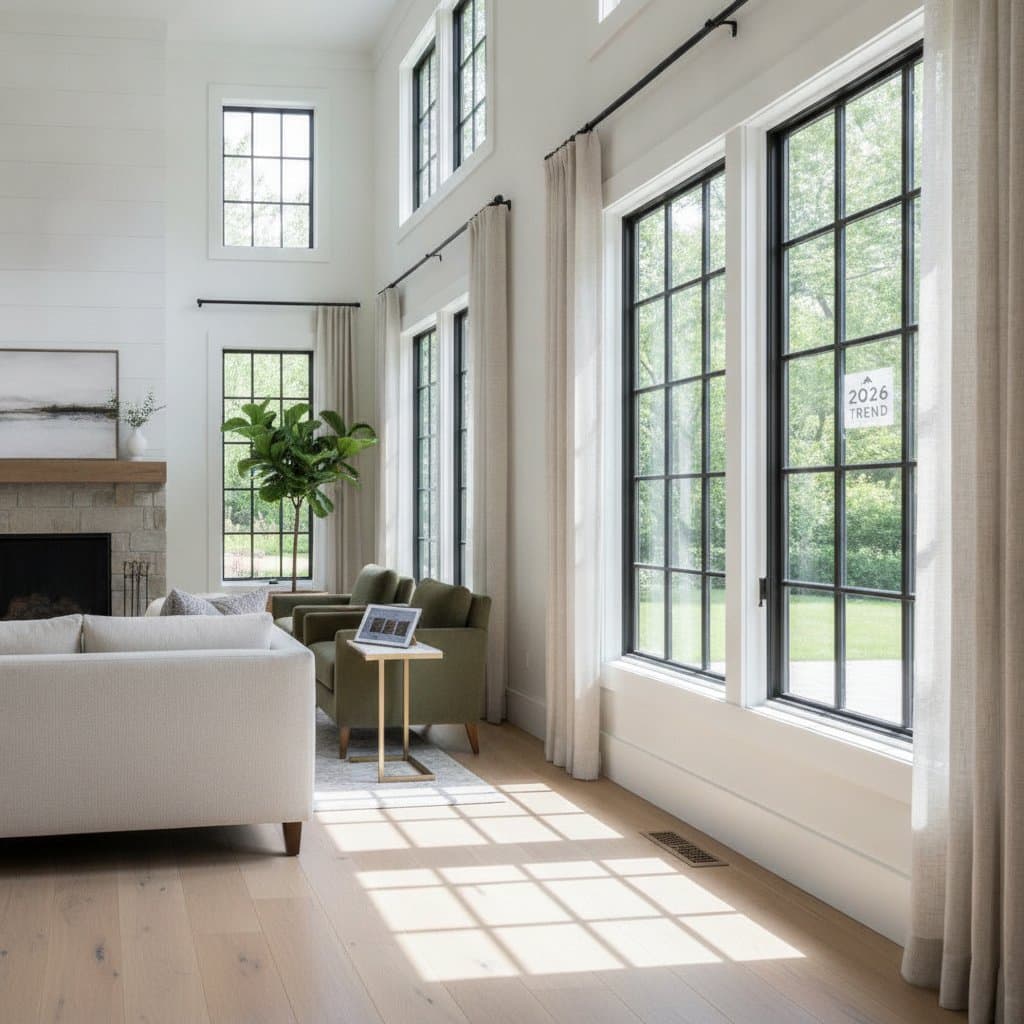
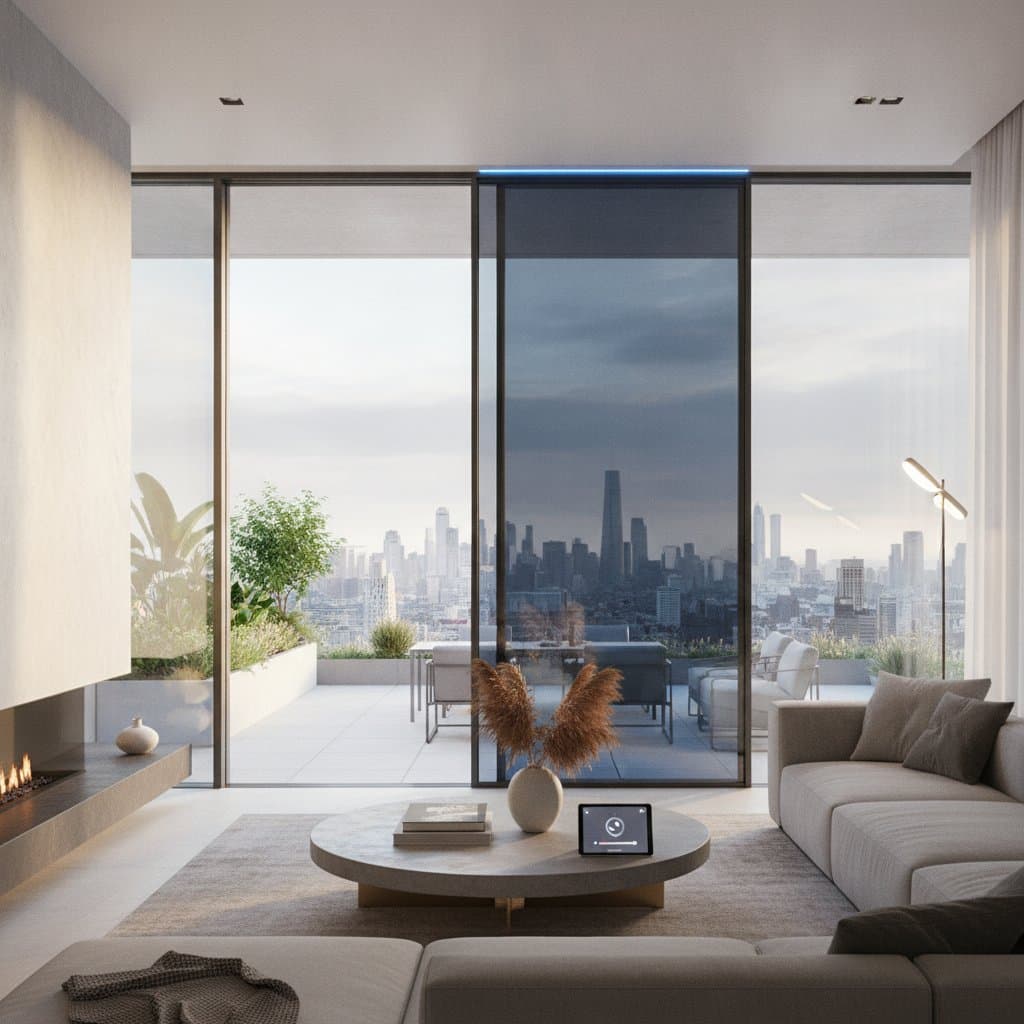
Modern homes increasingly incorporate intelligent features, and windows represent a key area for innovation. Electrochromic smart glass adjusts its tint electronically in response to light levels or user preferences, creating a versatile exterior that enhances both form and function. Homeowners investing $8,000 in this upgrade gain a sophisticated facade that prioritizes comfort, energy conservation, and enduring style.
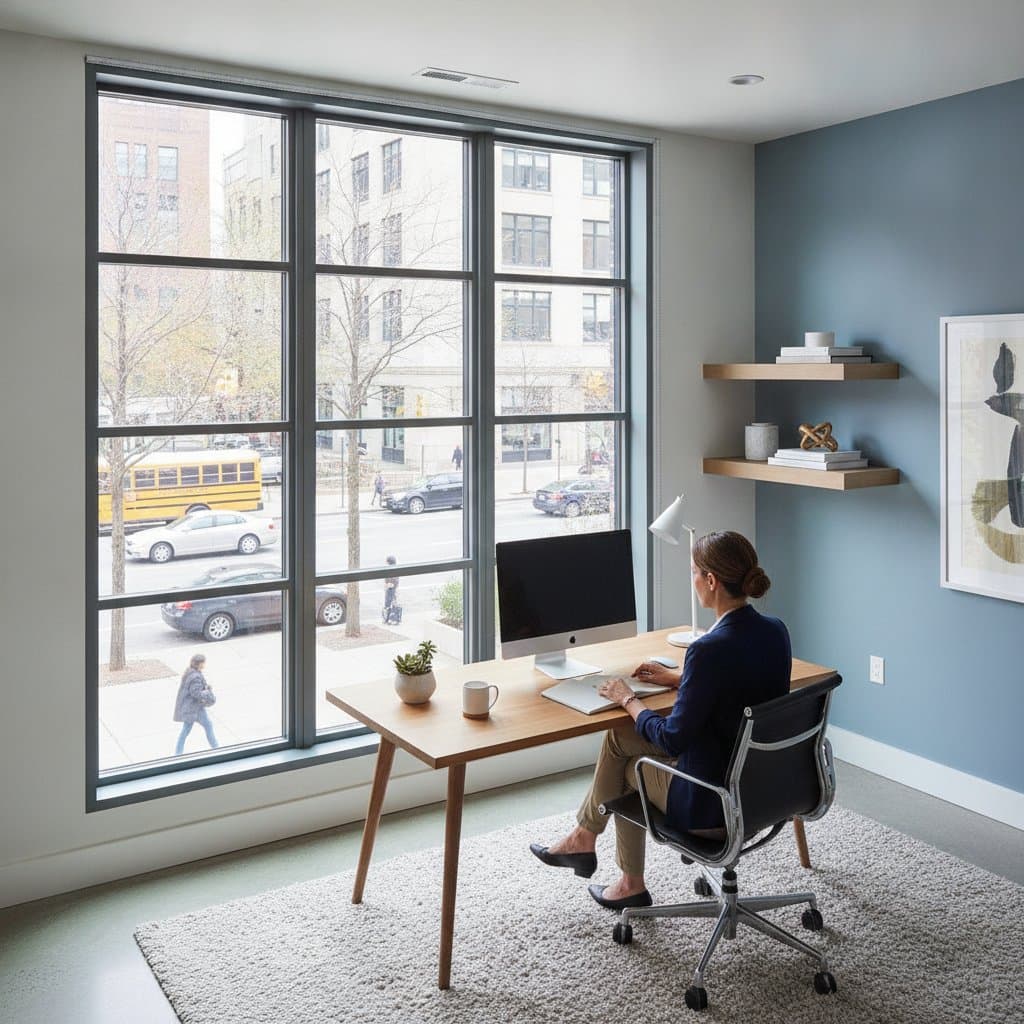
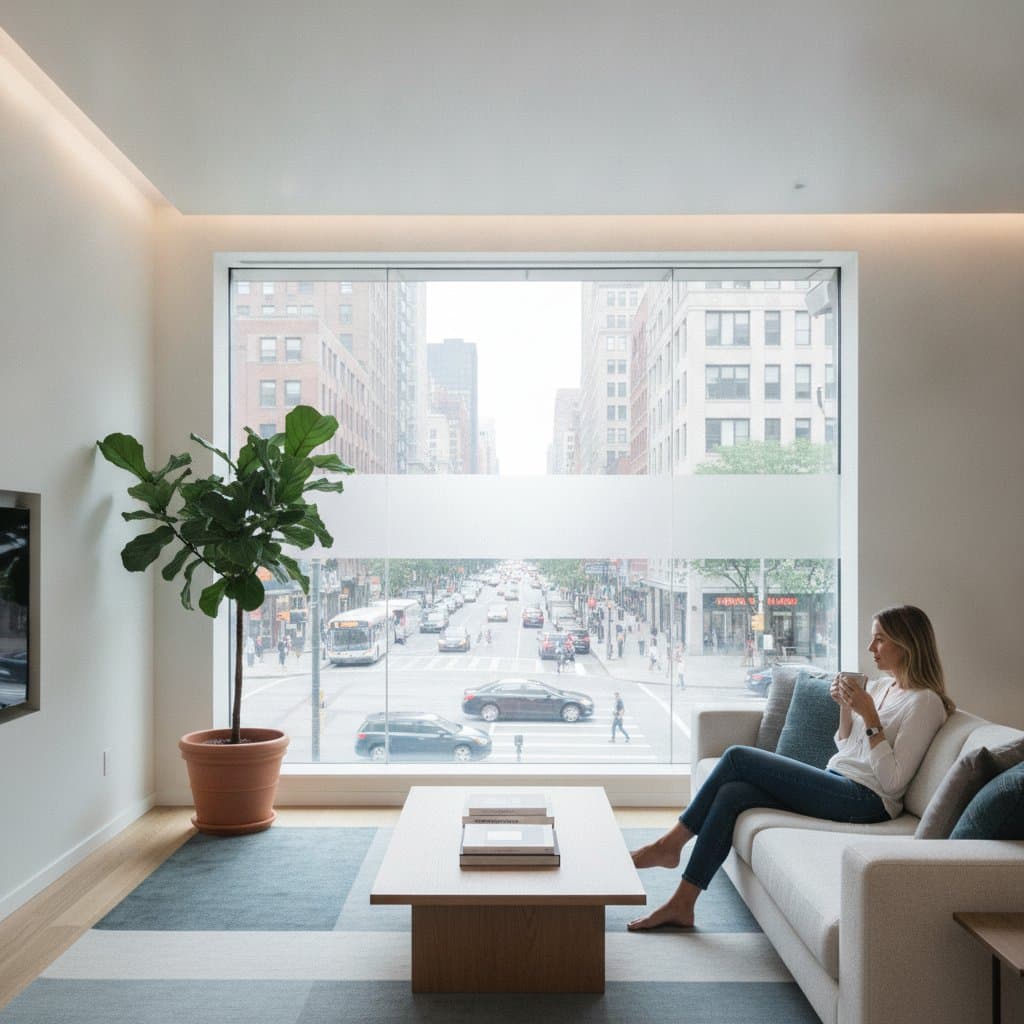
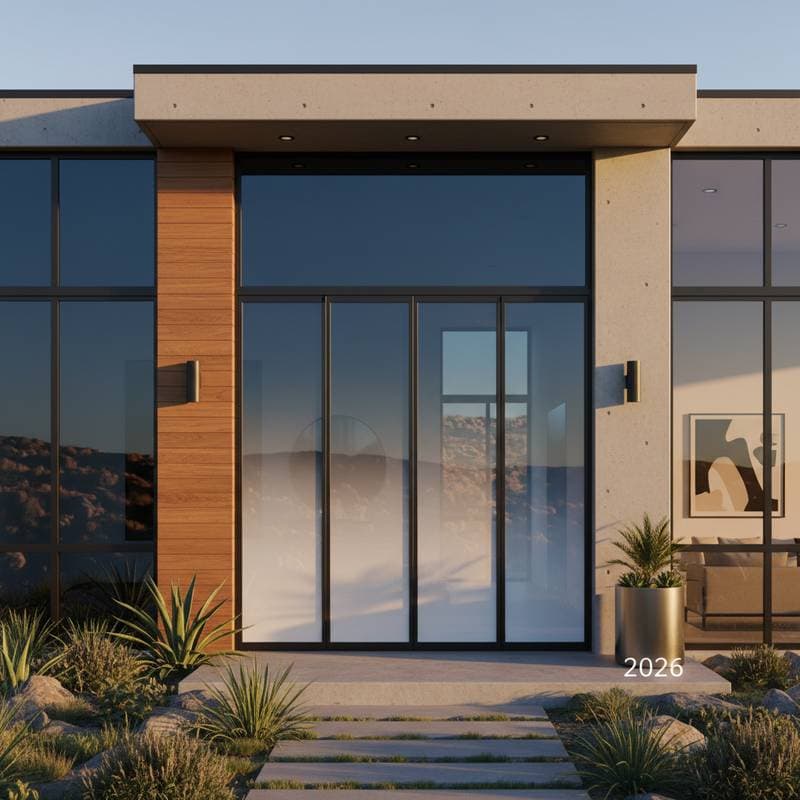
This technology minimizes glare and solar heat gain without obstructing views, fostering an interior environment that adapts seamlessly to daily conditions. The result extends beyond utility to include a refined curb appeal, characterized by subtle reflections and clean architectural lines that complement contemporary designs.
Strategies for Achieving the Desired Aesthetic
Budget-Conscious Strategy ($5,000 to $8,000)
- Target replacement of primary exposure windows, such as those facing south, using basic smart glass options.
- Select systems with manual tint controls via switches to reduce expenses compared to automated alternatives.
- Retain compatible existing frames to cut down on labor and material costs.
- Prioritize application in high-traffic zones like main living spaces or entry facades for optimal visual and functional impact.
Balanced Strategy ($8,000 to $12,000)
- Choose intermediate electrochromic panels that integrate with mobile apps or voice assistants for convenient operation.
- Pair the glass with durable vinyl frames featuring low-gloss finishes to support energy performance.
- Incorporate matching exterior trim in understated shades to draw attention to the glass's adaptive surface.
- Enhance the setup with strategic outdoor lighting that highlights the windows' changing tones during evening hours.
Comprehensive Strategy ($12,000 to $18,000)
- Deploy a full-home system equipped with light sensors for hands-free tint adjustments based on environmental cues.
- Use hybrid frames, such as aluminum exterior with wood interiors, to balance resilience and interior warmth.
- Link the controls to broader home automation platforms for integrated management of lighting and climate.
- Extend the design with custom electrochromic elements in doors or adjacent panels to ensure a cohesive exterior appearance.
Selecting Materials and Finishes
For windows, opt for narrow-profile casement or picture styles that emphasize the glass's innovative properties. Frames in deep black or aged bronze provide striking contrast against pale exterior walls, while hardware in satin nickel or oil-rubbed bronze maintains a streamlined profile.
Entry doors benefit from sleek pivot designs or full-glass models with integrated smart panels, allowing tint shifts for adjustable privacy levels. This approach preserves daylight access while offering on-demand seclusion.
Siding options like sleek fiber cement boards or perforated metal panels harmonize with the glass's luminous effects. To introduce texture, consider vertical cedar siding finished in soft gray washes or natural wood tones for a grounded yet progressive vibe.
Trim elements should feature slim profiles painted to match the frames, avoiding visual clutter. Subtle integrations, such as recessed LED strips or slim metal banding around entrances, underscore the architecture's precise lines.
Understanding Maintenance Requirements
Electrochromic smart glass demands minimal ongoing care, with cleaning achieved through standard glass cleaners and soft cloths. The embedded electronics remain shielded within insulated glass units, resistant to environmental stressors like rain or thermal fluctuations.
Routine inspections focus on verifying wiring integrity during annual home checks, ensuring reliable performance. This design eliminates the wear associated with traditional window treatments, such as dust accumulation on fabrics or mechanical failures in motorized shades.
Common Pitfalls to Sidestep
Applying tint uniformly to all windows risks a monotonous, overly uniform exterior that lacks depth. Instead, concentrate smart glass in areas demanding precise light management, such as sun-drenched rooms or elevated vantage points.
Frame colors influence thermal dynamics; while bold dark hues add drama, they can intensify heat absorption in warmer regions. Lighter alternatives often yield better efficiency without compromising visual elegance.
Power reliability merits attention, as these systems rely on low-voltage electricity. Consult with a qualified electrician to incorporate battery backups or manual overrides for uninterrupted functionality during grid disruptions.
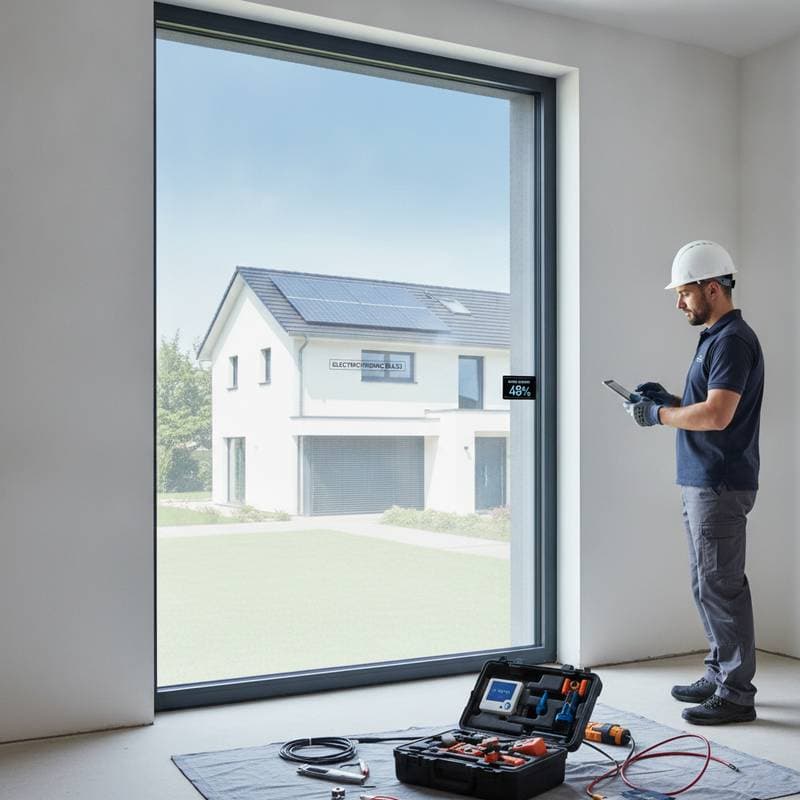
Professional installation proves essential, given the need for airtight seals and accurate electrical integration. Engage contractors with verified experience in smart technologies to prevent issues like condensation or control malfunctions over time.
Harmonizing Colors and Styles
To amplify the glass's interplay with natural light, adopt a muted color scheme that supports its versatility.
Recommended Combinations:
- Crisp white siding paired with matte black frames for bold, architectural definition.
- Soft pewter siding alongside dark bronze frames for refined, understated luxury.
- Warm driftwood siding with graphite frames to evoke approachable modernity.
- Cool iron blue siding accented by silver frames for a fresh, seaside-inspired elegance.
These pairings ensure the windows serve as focal points without overwhelming the overall composition.
Pre-Installation Documentation Guide
Documenting your home's exterior prior to committing to smart glass helps inform tailored choices.
- Photograph broad views from multiple angles to evaluate scale and sunlight patterns throughout the day.
- Identify standout features, including molding details or roof pitches, that dictate frame compatibility.
- Survey local aesthetics and any community guidelines on materials or colors.
- Evaluate site-specific conditions, such as coastal corrosion or intense UV exposure, to select resilient components.
Realizing the Full Potential
Electrochromic smart glass bridges innovative technology with practical home enhancement, delivering an exterior that responds intelligently to its surroundings. This $8,000 commitment yields sustained reductions in utility bills, heightened privacy options, and a timelessly adaptable appearance. By selecting the right scope and details, homeowners secure a residence that performs efficiently across varying weather and lifestyles.